Coventry was devastated in a single night of bombing in November 1940, losing its cathedral and much of its centre. What it did afterwards, keeping the ruin and building a new cathedral beside it as an act of reconciliation, produced one of the most affecting places in England.
What happened to the old cathedral?
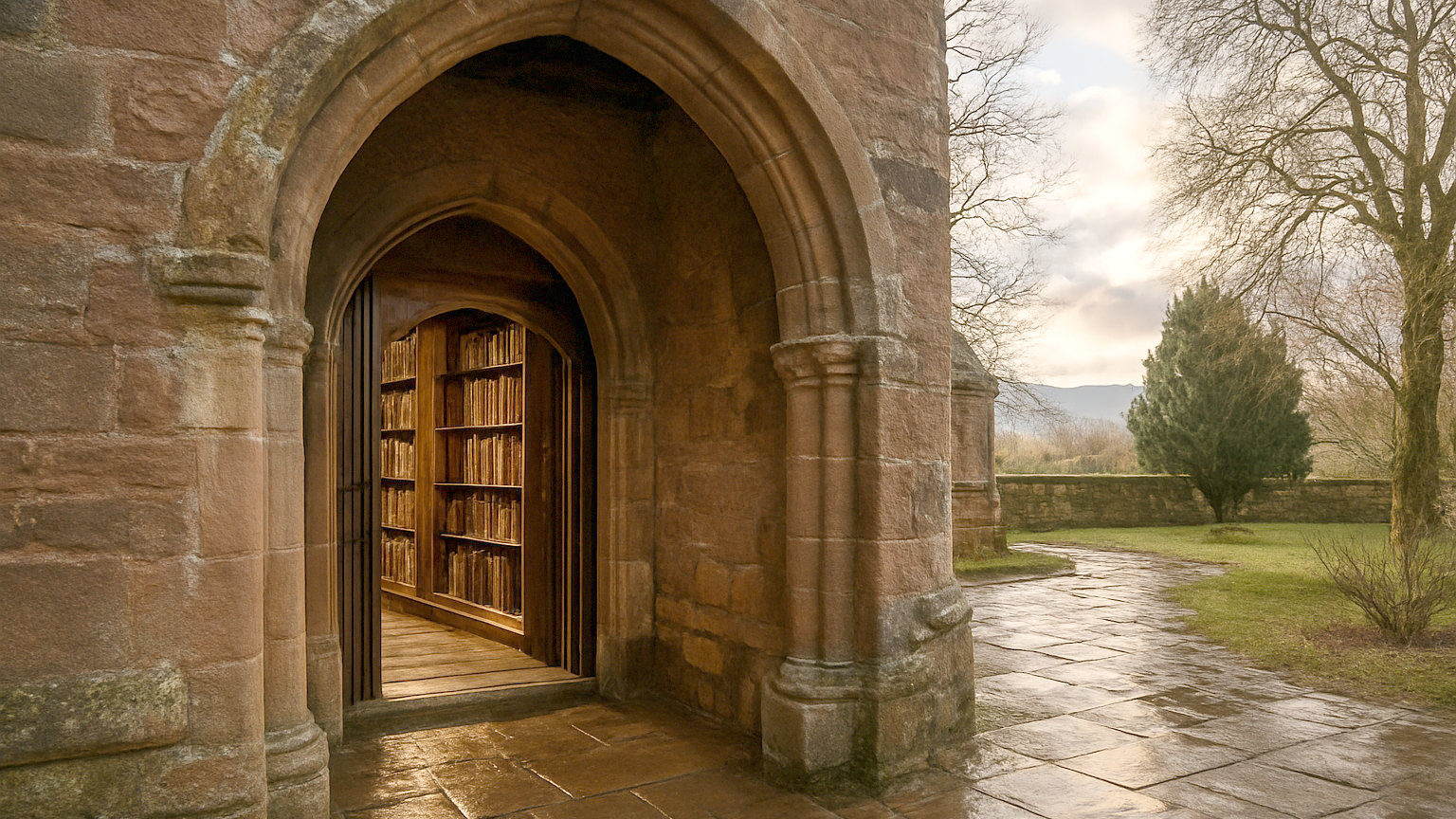
It burned in the raid, leaving the tower, spire and outer walls standing. The decision was taken to preserve the shell rather than clear it.
Inside the ruin stand a cross made from charred roof beams found in the wreckage and an altar of rubble, with the words Father Forgive inscribed on the wall behind.
What is the new cathedral?
Consecrated in 1962, built at right angles to the ruin and connected to it by a porch, so the two are experienced as one building.
It holds an enormous tapestry behind the altar, an engraved glass screen, a baptistry window of stained glass in a wall of concrete, and a bronze of the archangel Michael on the outside wall.
Why does it matter?
Because the city chose reconciliation rather than only remembrance, forming links with Dresden and other bombed cities, and the cathedral remains a centre for that work.
It is among the most significant British buildings of the twentieth century and it is free to enter the ruin.
What is the Transport Museum?
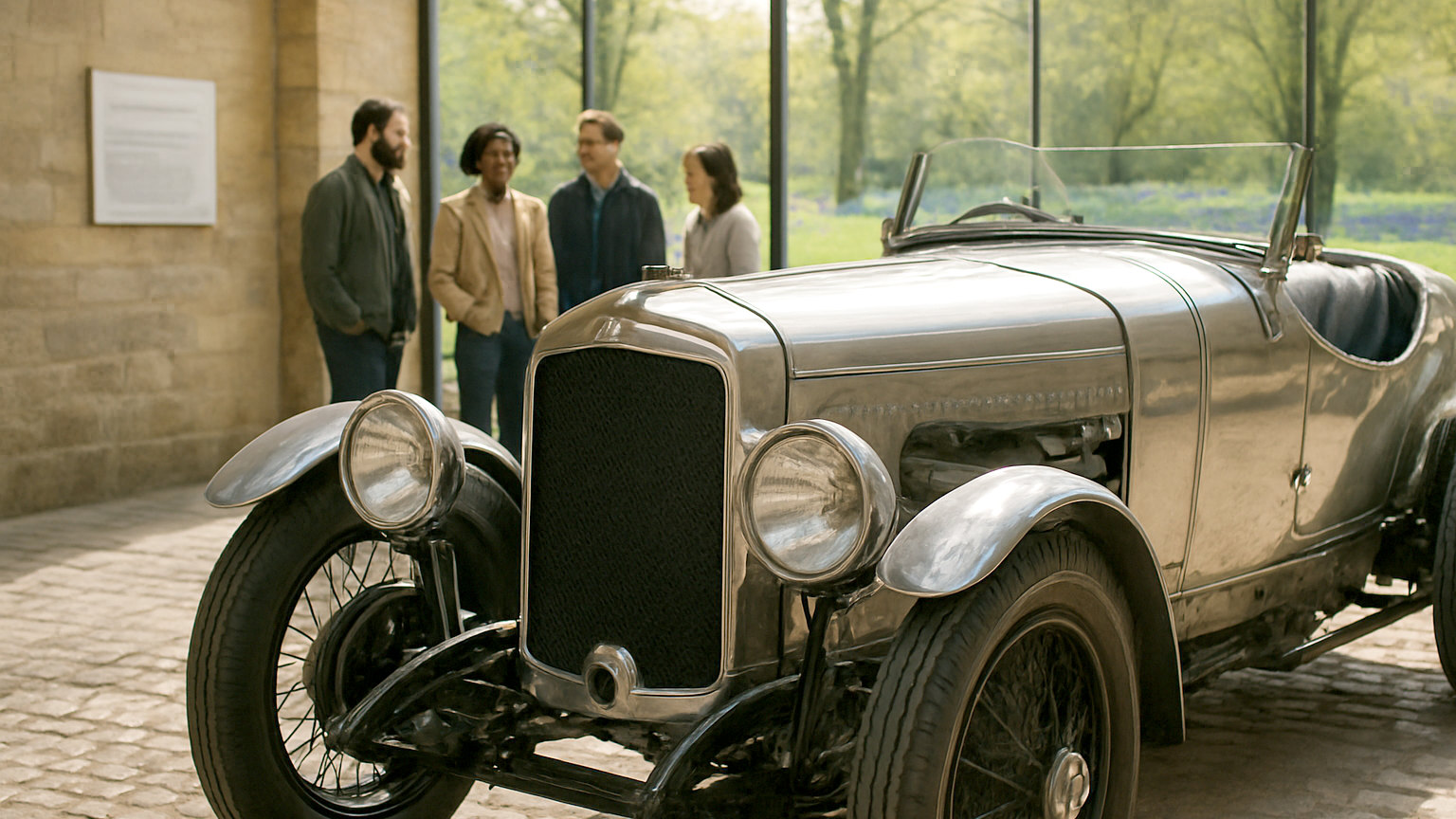
The largest collection of British road transport in the world, free, reflecting the city's history as the centre of the cycle and motor industries.
It holds two land speed record cars, including the jet powered vehicle that broke the sound barrier, alongside several hundred vehicles.
What is the Herbert?
An art gallery and museum, free, covering the city's history including the wartime destruction, with a strong collection and a substantial programme of exhibitions.
It sits beside the cathedral and is the best place to understand what the city was before 1940.
What survived the bombing?
More than expected. St Mary's Guildhall, a medieval hall with an original tapestry and a roof of great quality, where Mary Queen of Scots was held.
Spon Street, where surviving timber framed buildings were gathered and re erected, and Ford's Hospital, a medieval almshouse.
What is the Godiva story?
The legend that an eleventh century countess rode naked through the town to persuade her husband to lift a tax on the people, first recorded long after the supposed event.
A statue stands in the centre and a clock with figures marks the hour. The historical Godiva existed; the ride almost certainly did not.
What about the city of culture?
Coventry held the UK City of Culture title in 2021, which brought investment in venues and public space, some of which has outlasted the year.
The city has a substantial student population and a music history including a distinctive late seventies scene.
What is nearby?
Warwick and Kenilworth castles, both within half an hour, and Stratford upon Avon a little further. Birmingham is twenty minutes by train.
The Warwickshire countryside and the northern Cotswolds are within reach for a day.
How do you get there?
By train from London Euston in around an hour on the west coast main line, with the station a short walk from the centre.
It is among the best connected cities in the Midlands and is frequently cheaper to stay in than Birmingham.
How long do you need?
A day covers the cathedrals, the Herbert and the guildhall. Two if you want the Transport Museum properly, which deserves several hours.
Go to the ruin first and sit in it for a while before entering the new building, which is the sequence the architecture was designed for.
What about the Blitz itself?
The raid of 14 November 1940 killed several hundred people and destroyed a large part of the centre in a single night. The Herbert covers it in detail, including personal accounts, and the ruined cathedral is the memorial. It is worth understanding before visiting the new cathedral, because the building was designed as a response to that night.