Independent bookselling in Britain declined for years and has since recovered noticeably, with the number of independent shops rising again. Alongside them sit second hand dealers, book towns and a handful of shops that are destinations in their own right.
What is a book town?
A small town with an unusual concentration of bookshops, deliberately established to draw visitors. The concept began at Hay on Wye in Powys in the nineteen sixties and has been copied internationally.
Hay has around twenty shops in a town of fewer than two thousand people, plus a substantial literary festival. Wigtown in Dumfries and Galloway is Scotland's book town and Sedbergh in Cumbria is England's.
What is Hay like?
Small, stone built, on the Welsh border beneath the Black Mountains, and given over almost entirely to books. Shops range from general second hand to specialists in poetry, natural history, crime and children's books.
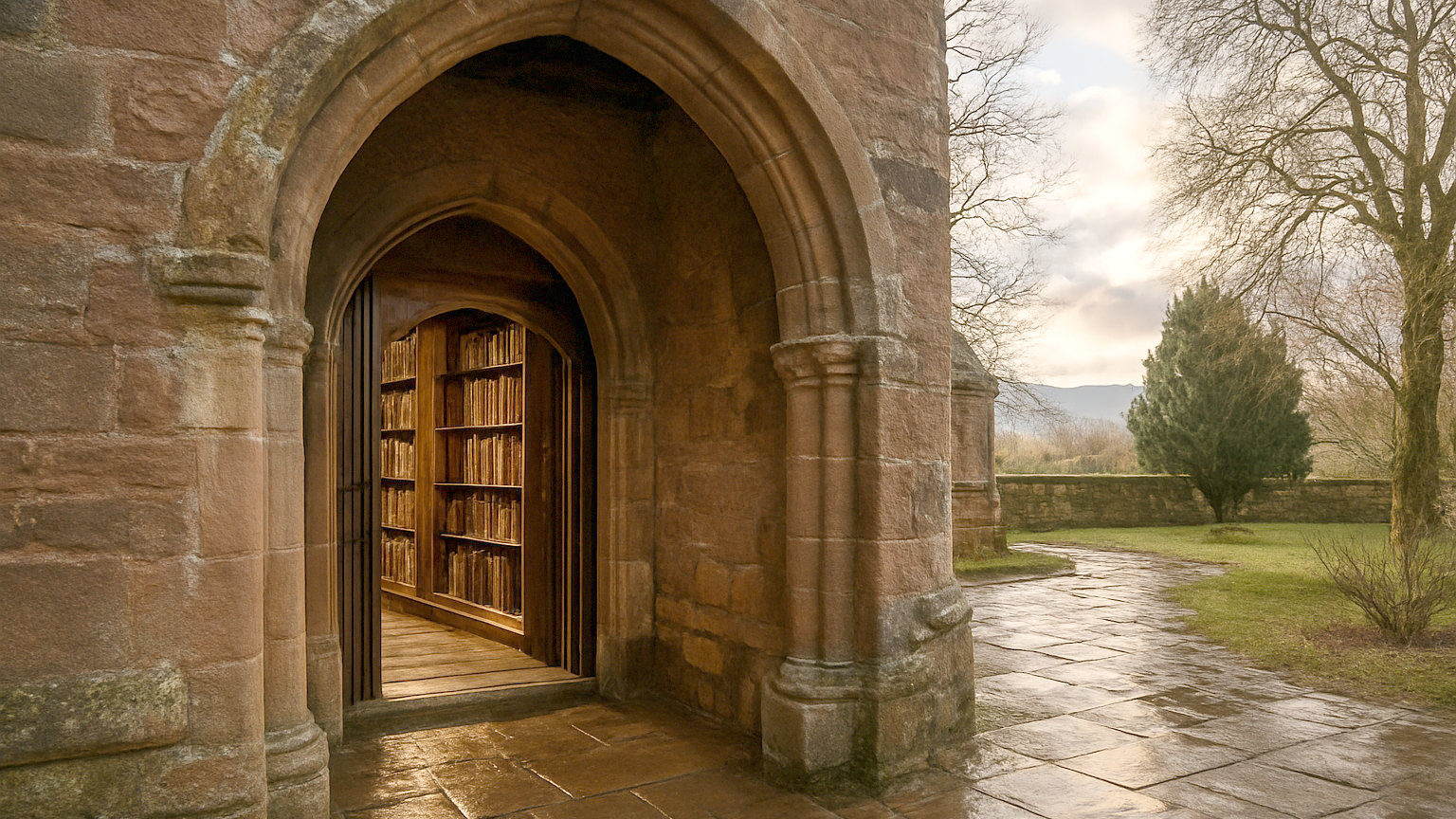
There is also an honesty bookshop in the castle grounds where books are left outdoors and paid for in a box. A day is enough to see the town; a weekend is better.
Which individual shops are worth the journey?
Barter Books in Alnwick, housed in a Victorian railway station with a model railway running above the shelves and a fire in the middle. It is where the wartime poster reading keep calm and carry on was rediscovered.
Scarthin Books in Cromford, Derbyshire, crammed into a rambling building beside a mill pond. Topping and Company, with large shops in Bath, Edinburgh, Ely and St Andrews, which offer coffee and ladders.
What about London?
Daunt Books in Marylebone, arranged by country rather than genre in an Edwardian shop with a galleried back room. Persephone, Hatchards, Foyles, and a great many neighbourhood independents.
Cecil Court, a pedestrian lane of antiquarian and specialist dealers, is worth twenty minutes even if you buy nothing.
Where do you find second hand books?
Book towns, charity shops, antiques centres and the second hand sections of independents. Cathedral cities and university towns are consistently good.
Prices for ordinary second hand books are low, and for anything collectable the dealers know exactly what they have, so genuine bargains are uncommon.
How do the independents survive?
By doing what online retail cannot: knowledgeable recommendation, events with authors, subscription services and being a place people want to be in.
Several operate as cafes, event venues and community spaces as much as shops. Buying from them costs a little more than online and is what keeps them open.
What about specialist dealers?
Britain has a substantial antiquarian trade, with dealers covering natural history, travel, maps, children's books, fine bindings and first editions.
Antiquarian book fairs run several times a year in London and elsewhere, and are free or cheap to attend. Browsing is entirely acceptable and dealers will explain what they have.
Where else should you look?
Cathedral and museum shops, which frequently have good local history sections. Estate and country house shops for gardening and architecture.
National park visitor centres for walking guides and local natural history, which are often published by small presses and unavailable elsewhere.
What should you buy?
Local material, which is the thing you will not find at home: county histories, walking guides to the area, books by regional publishers and local writers.
Ordnance Survey maps of wherever you are, which are both practical and the best souvenir of a landscape you have walked in.
How should you plan a bookshop trip?
Hay, Wigtown or Sedbergh for a weekend built around books, ideally combined with the countryside around them, which in all three cases is excellent.
Otherwise treat bookshops as the thing to do on a wet afternoon in any town, and check whether an independent nearby has an event on, since author talks are usually cheap and frequently free.
One practical point: many independents will order any book in print, usually within a day or two, and several run postal subscription services choosing books for you. If you find a shop you like on a trip, both are worth knowing about, since it lets you keep buying from them long after you have gone home.