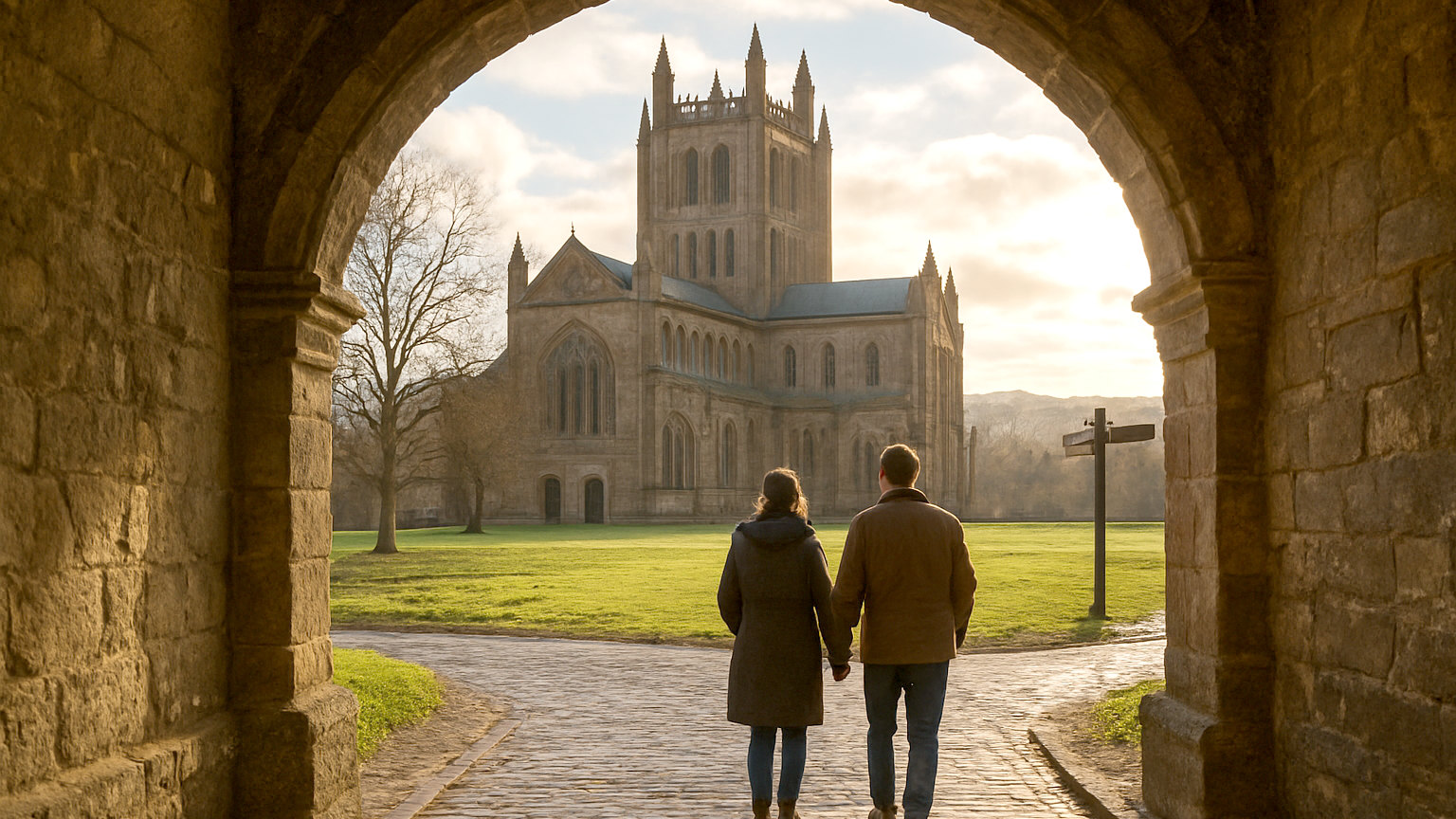
Hereford is a small cathedral city on the Wye that functions as the market town for a large and very rural county. It has traded on the same spot for centuries and the produce of Herefordshire, particularly cider and beef, is the reason to go shopping here.
What is the Butter Market?
A Victorian covered market of 1860 in the centre of the city, with a clock tower and an iron and glass roof, holding permanent stalls under one roof.
It sells food, hardware, secondhand goods and crafts, and is a working market rather than a restored attraction, which is the point of it.
What is High Town?
The pedestrianised centre where the markets are held, with the Old House standing in the middle, a black and white timber framed building of 1621 now open as a museum.
It is the last survivor of a row of similar buildings and is furnished to the period across three floors, free to enter.
When are the markets?
A general market on Wednesdays and Saturdays in the centre, with the Butter Market open through the week.
A farmers market is held monthly and is the best source for county produce, including cider, perry, beef and cheese direct from producers.
What should you buy?
Cider and perry above all, since Herefordshire produces more than any other county and the small farm makers do not distribute widely.
Hereford beef, apples and pears in season, and preserves. Several producers sell only locally.
What about the livestock market?
Hereford has a long history as a livestock trading centre, and the modern market operates on the edge of the city with regular sales.
Auction marts are working businesses where spectators are tolerated if they keep out of the way, and they are genuinely interesting.
What is in the cathedral?
Two objects of international importance. The Mappa Mundi, the largest surviving medieval world map, drawn around 1300 on a single sheet of calfskin.
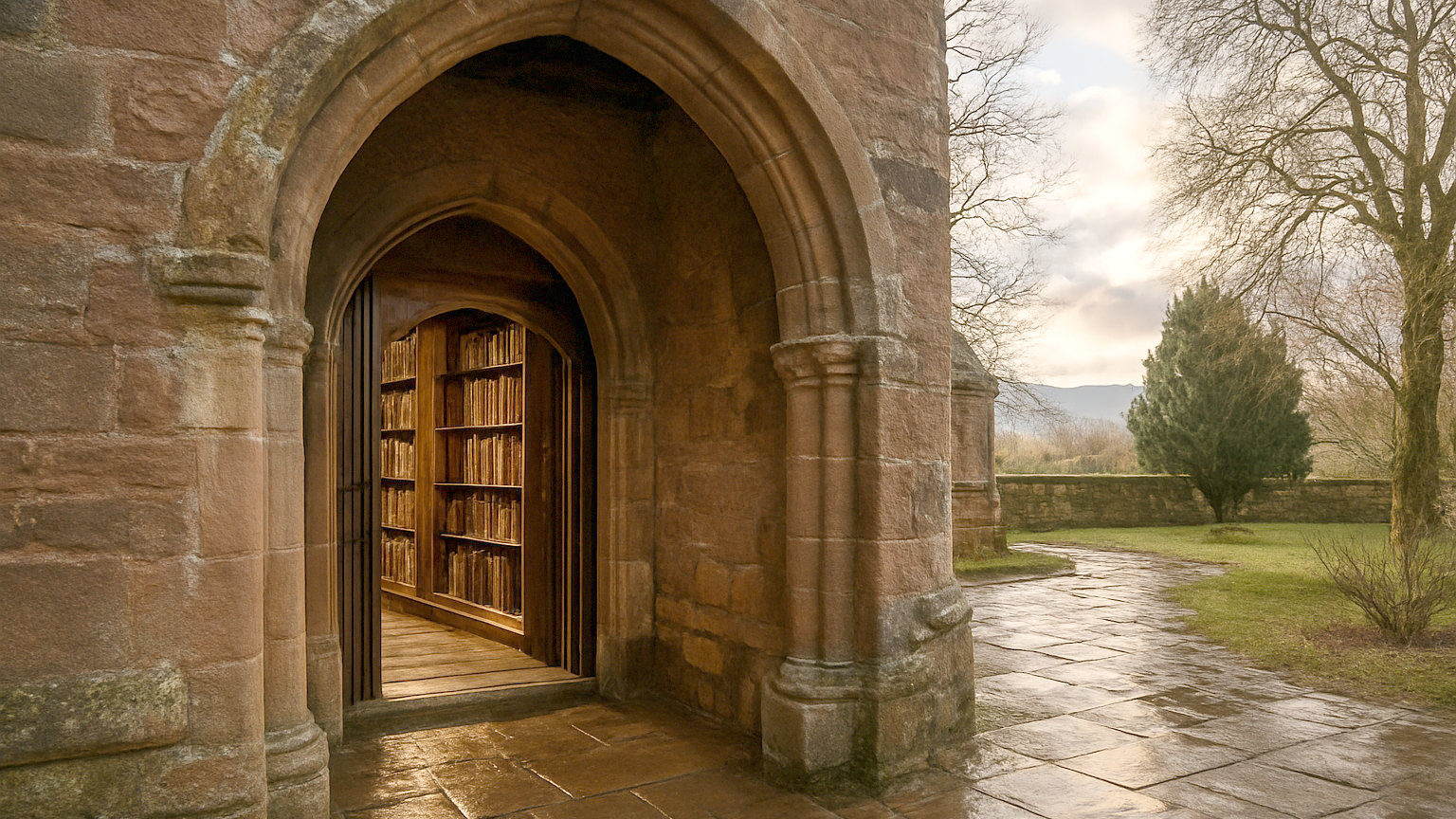
And the chained library, the largest of its kind anywhere with its chains, rods and locks intact, holding around fifteen hundred volumes.
What else is in the city?
A medieval bridge over the Wye, riverside meadows, and a cider museum in a former works covering the industry's history and its equipment.
The city is small enough to walk in half an hour and considerably quieter than most cathedral cities.
What is the black and white trail?
A signed driving route north west of the city linking villages of timber framed buildings, including Pembridge, Weobley and Eardisland.
Several have their own small markets and shops, and the concentration of surviving medieval timber framing is exceptional.
What is nearby?
Hay on Wye, a town of secondhand bookshops just over the Welsh border, and Ledbury and Ross on Wye, both small market towns worth an afternoon.
The Malvern Hills to the east, the Black Mountains to the west and the Wye Valley to the south.
How do you get there?
By train on the Welsh Marches line between Newport and Shrewsbury, with connections from Birmingham and, less directly, from London.
The city sits well away from motorways, which is a substantial part of why it remains quiet.
When should you go?
A market day for the produce, and late April for the orchards in blossom across the surrounding county.
Autumn for cider pressing, when several farms open to visitors and the fruit is being worked.
What else can you buy locally?
Herefordshire has a substantial craft and antiques trade, with Leominster to the north known particularly for antiques and several dealers in the surrounding towns. Pottery, woodwork and textiles are made across the county and sold at fairs and studios, many of which open to visitors during an annual art trail.
One final note: the city sits at the centre of a very rural county with poor public transport, so a car is genuinely useful for reaching the producers, the black and white villages and the orchards beyond the city itself.