Britain makes something over seven hundred named cheeses, which is more than France by some counts, and the quality at the top end is exceptional. The gap between a supermarket block and a proper farmhouse example of the same cheese is enormous, and worth crossing.
What should you try first?
A traditional farmhouse cheddar, which bears very little resemblance to industrial cheddar. Made in the West Country, bound in cloth and matured for a year or more, it is complex, savoury and slightly crystalline.
The protected designation covers cheddar made in a traditional way in specific counties, and a handful of farms produce it. It is the single best argument against the idea that British cheese is dull.
What about blue cheeses?
Stilton, made by a small number of dairies across Leicestershire, Nottinghamshire and Derbyshire under protected status, and famously not permitted to be made in the village of Stilton itself.
Also worth seeking: Stichelton, made to a similar recipe with unpasteurised milk, and Beenleigh Blue, a sheep's milk blue from Devon. Blue cheese with a glass of port after dinner is a British institution for good reason.
Which regional cheeses matter?
Lancashire, particularly the crumbly and creamy styles from traditional makers, which is outstanding and under appreciated. Wensleydale from Yorkshire. Red Leicester and Double Gloucester, both better than their supermarket versions suggest.
Caerphilly from Wales, fresh and lactic when young. Cornish Yarg, wrapped in nettle leaves. Isle of Mull cheddar, made with whisky distillery draff fed to the cows.
Are there good modern British cheeses?
A great many, and this is where the most interesting work is happening. Soft white rinded cheeses in the French style are now made across the country and several are excellent.
Washed rind cheeses, sheep and goat cheeses, and cheeses made to no historical precedent at all are all being produced by small dairies. The British cheese revival began in the nineteen seventies and has accelerated since.
Where should you buy?
A specialist cheesemonger, who will let you taste before buying and can tell you when each cheese is at its best. Farmers markets and farm shops in the relevant region.
Cheese is a seasonal product, since milk changes through the year, and a good monger will steer you towards what is eating well now rather than what is on the list.
Can you visit the dairies?
Several welcome visitors, with viewing galleries, shops and tastings. Cheddar Gorge, the Wensleydale creamery in Hawes, and a number of farm dairies across the country all run visits.
Smaller producers frequently sell at the farm gate without formal facilities, which is worth checking before turning up.
How should you serve it?
At room temperature, taken out of the fridge an hour or so beforehand, which makes an enormous difference to flavour. Wrapped in waxed paper rather than plastic film in the fridge.
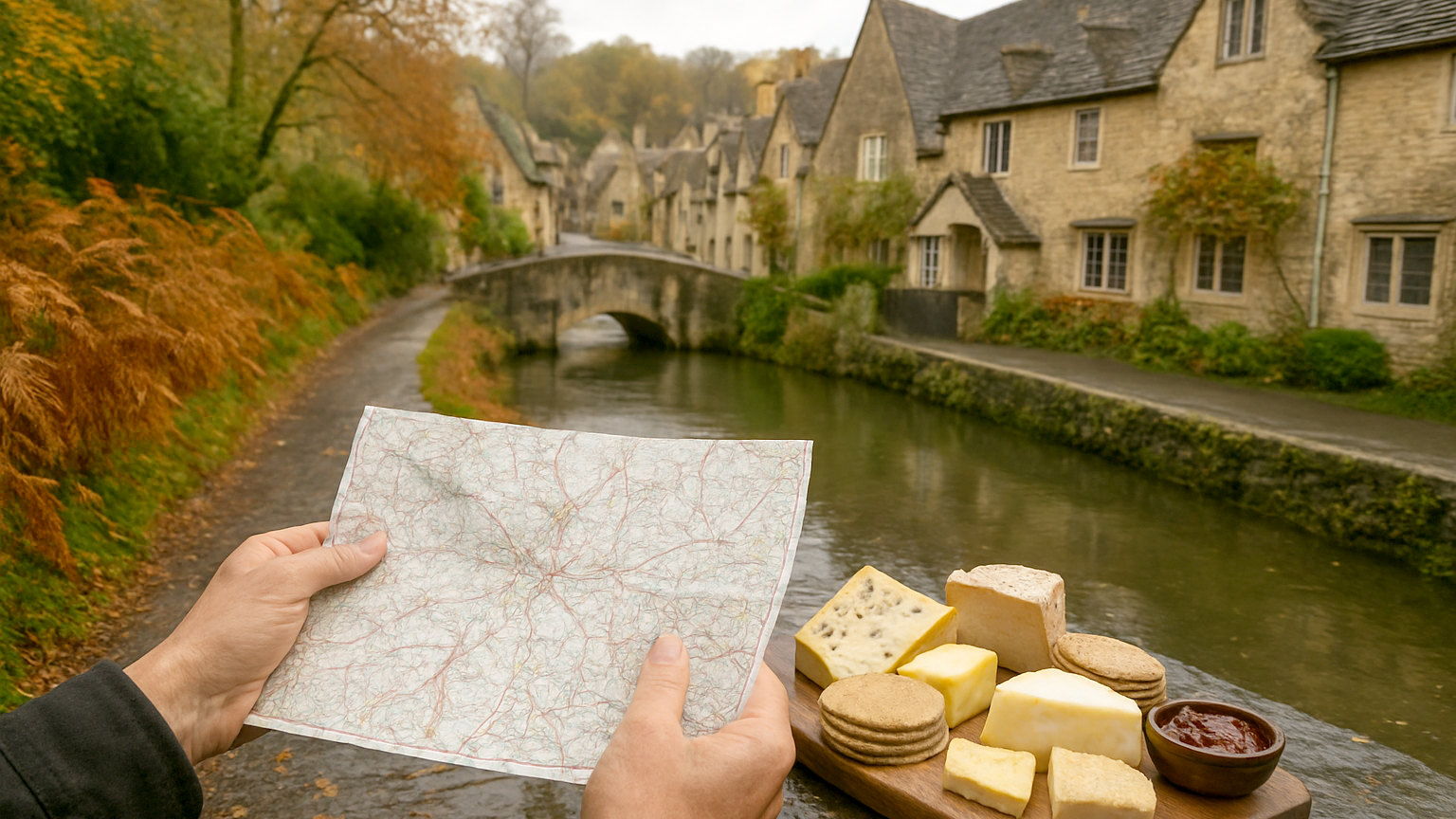
A board of three or four contrasting cheeses is better than eight. Traditional accompaniments are oatcakes, celery, apple, quince paste and, for blues, port or a sweet wine.
What about the cheese rolling?
An annual event at Cooper's Hill in Gloucestershire where competitors chase a wheel of Double Gloucester down an extremely steep slope, sustaining injuries with some regularity.
It is unofficial, unmanaged and genuinely dangerous for participants. Spectating is popular and the hill is steep enough that watching is the sensible option.
What is worth bringing home?
Anything bought at the source. Cheese travels reasonably well if kept cool, and a wedge from a farmhouse dairy is among the better souvenirs available from a British trip.
Check import rules if you are travelling abroad afterwards, since dairy products face restrictions entering many countries.
What about pasteurised and raw milk?
Several of the best British cheeses are made with unpasteurised milk, which many makers argue produces more complex flavour. They are legal and widely sold, though people who are pregnant or immunocompromised are generally advised to avoid unpasteurised soft and blue cheeses. Labels state which is which, and a cheesemonger will tell you without being asked twice.