Beyond Edinburgh, Britain has a substantial calendar of theatre and arts festivals, several of which are internationally significant. They range from city wide programmes to opera in a country garden, and a number take place in settings that are half the attraction.
Which are the major city festivals?
Brighton Festival in May, the largest annual arts festival in England, with a guest director each year and a programme spanning theatre, music, literature and visual art across the city.
Manchester International Festival, held every two years, commissions new work specifically rather than programming existing shows, which makes it unusual and unpredictable. Norfolk and Norwich and Bath also run substantial festivals.
What is the Minack Theatre?
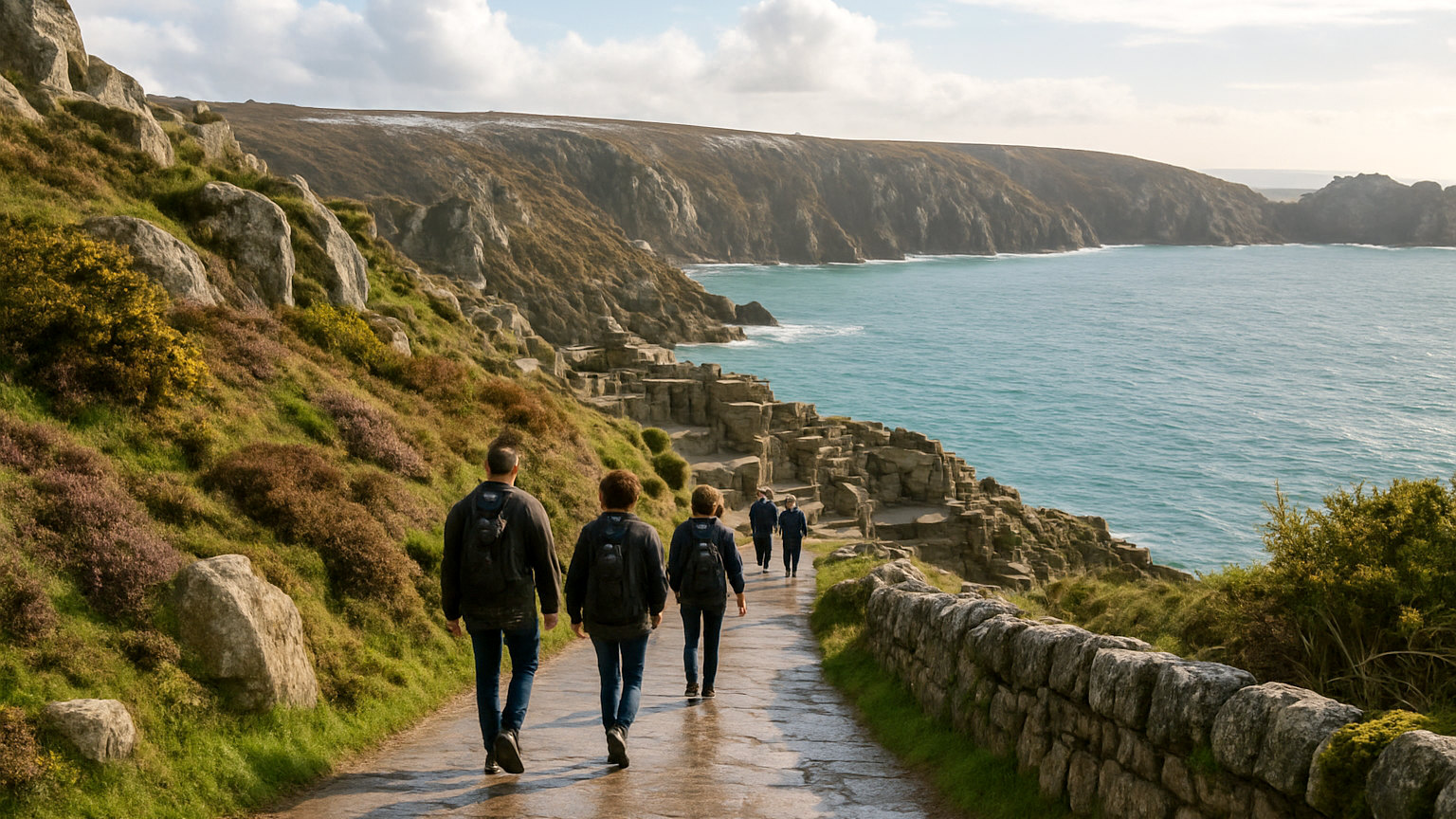
An open air theatre carved into a cliff in Cornwall, above the sea, built largely by hand by one woman and her gardener over several decades from the nineteen thirties.
It runs a season from spring to autumn, and the setting is genuinely extraordinary. Take a cushion, waterproofs and warm clothing, since performances go ahead in most weather and the seats are stone.
What about open air Shakespeare?
A substantial British tradition. Regent's Park Open Air Theatre in London runs a full summer season. Touring companies perform in castle grounds, gardens and country house lawns across the country from June to August.
Audiences bring picnics and blankets. Performances usually proceed in light rain and are cancelled only in genuinely bad weather, so check the company's policy and dress accordingly.
What is Glyndebourne?
An opera festival in the Sussex countryside, running from May to August, in a purpose built house on a private estate. It is celebrated as much for its form as its productions.
The long interval is designed for a picnic in the gardens, black tie is customary though not compulsory, and tickets are expensive and difficult to obtain. Several other country house opera festivals operate on similar lines.
Are there cheaper ways into opera and theatre?
Yes. Cinema broadcasts of live productions from the national companies are shown across the country at a fraction of the ticket price and are genuinely good.
Most major theatres run day seats, standing tickets and under thirty schemes at very low prices. Regional producing theatres are consistently cheaper than London and frequently as good.
Which festivals suit a first visit?
Brighton in May, which is easy to reach, spread across a city worth visiting anyway, and has enough free and outdoor programming that you can dip in without committing to a schedule of tickets.
The Minack for a single unforgettable evening. Regent's Park for a summer picnic and a play in London.
What about visual arts?
Several sculpture parks operate year round and are outstanding: Yorkshire Sculpture Park, the Cass in Sussex and others, with major works in open landscape and free or low cost entry.
Biennial and triennial art events take place in several cities, placing work in unexpected public spaces, and are usually free.
When should you book?
Country house opera as soon as booking opens, frequently by ballot or membership priority. Open air theatre from spring for the summer season, since good weather dates sell first.
City festivals release programmes two or three months ahead, and the headline events go quickly while the rest remains available throughout.
What should you take to an outdoor performance?
Considerably more warm clothing than the afternoon suggests, since British evenings cool sharply. A waterproof, a cushion or low backed chair if permitted, and a picnic.
Check the venue's rules on chairs, umbrellas and alcohol, which vary, and arrive early since the good spots at unreserved venues go to whoever gets there first.
What should you know about accessibility?
Provision has improved considerably, with most major venues and festivals offering captioned, audio described and relaxed performances, and several publishing detailed access guides. Outdoor and historic venues are the harder cases, since a cliff theatre or a castle courtyard presents obvious difficulties. Contact the venue directly rather than relying on the website, since staff can usually arrange more than the standard information suggests.