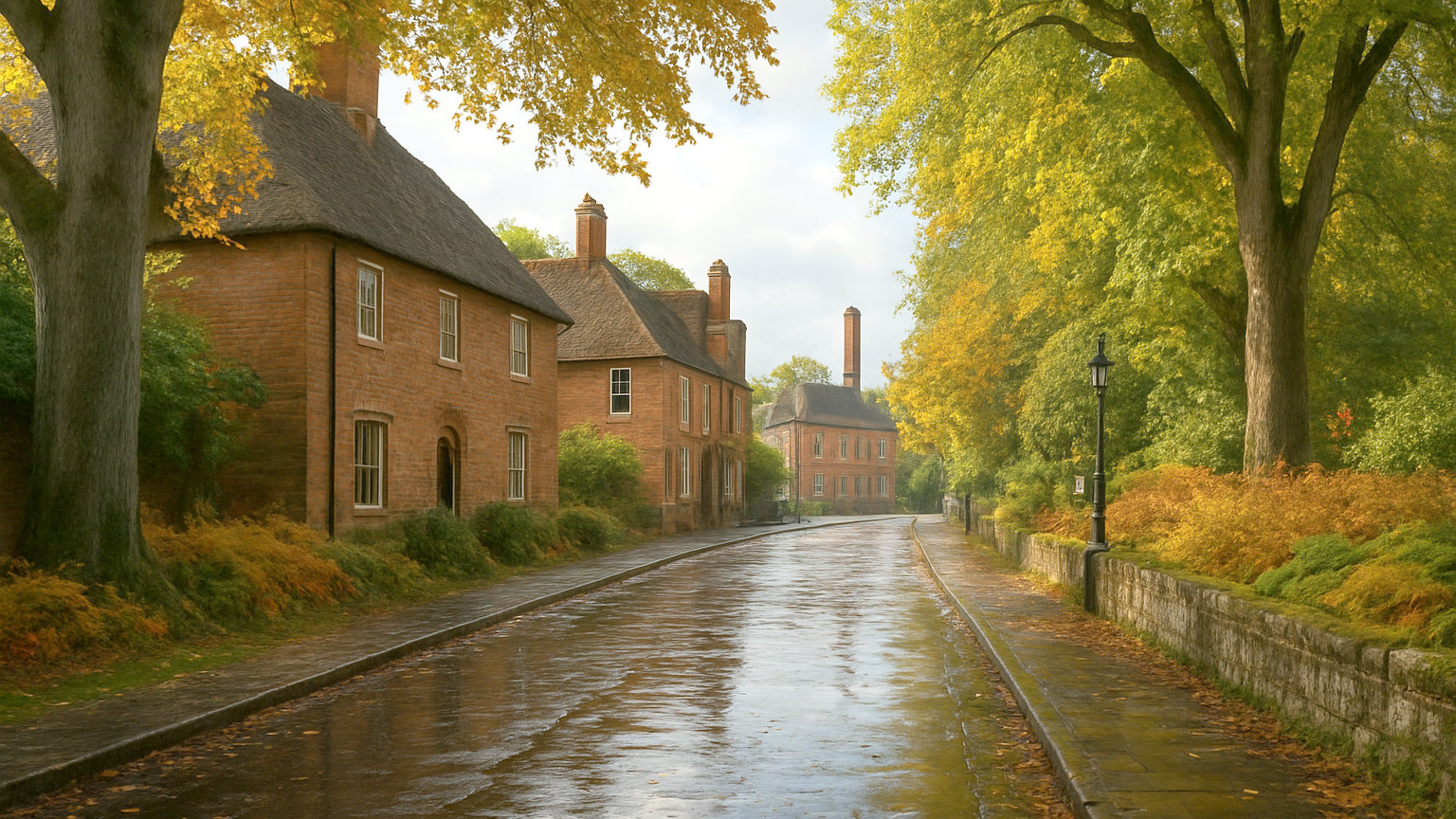
Reading is a large Thames Valley town best known nationally for a music festival held on the August bank holiday weekend, which is among the oldest continuously running popular music festivals in the world. The town itself has considerably more history than its reputation as a commuter centre suggests.
What is the music festival?
A rock and alternative festival held over three days on riverside meadows, running in various forms since the 1960s, and now paired with a simultaneous event in Leeds sharing the same line up.
It is heavily attended by younger audiences, particularly those who have just finished school examinations, which gives it a distinct character.
How do you get tickets?
They go on sale many months ahead and the weekend camping tickets sell fastest. Day tickets are released later and are easier to obtain.
The site is walkable from the town centre and the station, which is unusual for a festival of this size and makes day attendance practical.
What is the beer festival?
A large real ale festival held annually beside the Thames, with several hundred beers and ciders, run by volunteers and among the bigger regional events of its kind.
It is a considerably more sedate affair than the music festival and draws a different crowd entirely.
What is Reading Abbey?
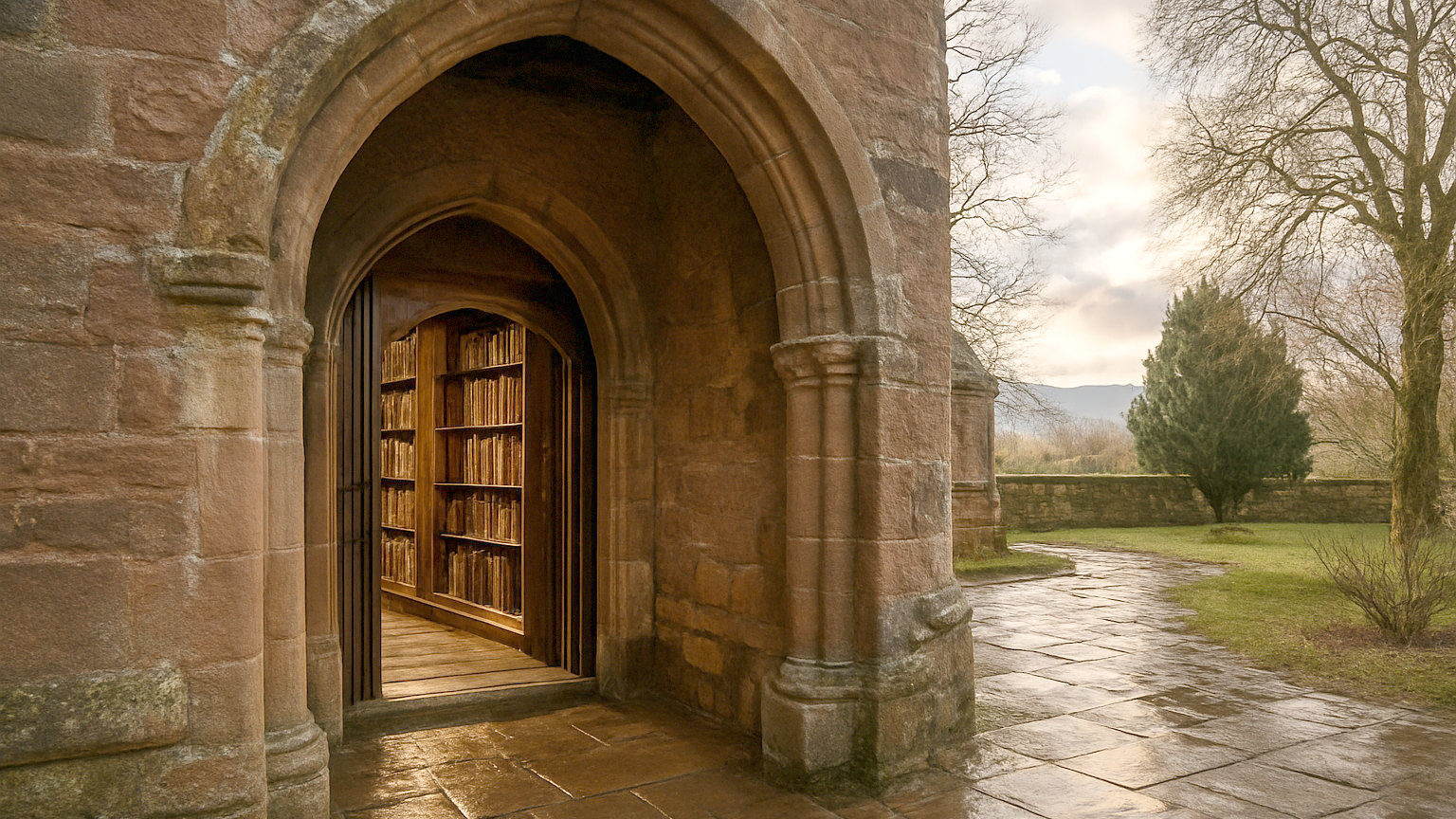
The ruins of a major Benedictine abbey founded in 1121 by Henry the First, who is buried somewhere on the site, though the exact location has never been established.
The ruins were consolidated and reopened to the public in 2018 after years closed for safety, and are free to walk through in the town centre.
What about the gaol?
The Victorian prison beside the abbey ruins held Oscar Wilde for two years from 1895, an imprisonment that produced a long poem and a substantial letter written inside.
The building closed in 2013 and its future has been the subject of a long public campaign. It is not currently open to visitors.
What is the Museum of English Rural Life?
A national collection covering farming and country life, held by the university, free to enter, with wagons, tools and a substantial archive.
It is far better than the description suggests and has become known for an unusually good social media presence.
What is Reading Museum?
The town museum, free, holding Roman material from nearby Silchester and a full size Victorian replica of the Bayeux Tapestry, embroidered by a group of women in the 1880s.
The replica is the only complete copy in Britain and is displayed in a purpose built gallery.
What about the rivers?
The Thames and the Kennet meet in the town, with towpaths, boat hire and a riverside walk, and Caversham on the far bank has a lock and meadows.
The Thames Path runs through, giving flat walking in both directions, and a regatta is held at Henley a few miles upstream each summer.
What is nearby?
The Chilterns to the north with beech woods and red kites, and the Berkshire Downs to the west. Henley on Thames and Windsor are both close.
Basildon Park and Mapledurham House lie along the river valley.
How do you get there?
By train from London Paddington in around twenty five minutes on a fast service, and from Bristol, Oxford and the south coast.
The station is central and the festival site is a walk from it, which is a substantial practical advantage.
Should you visit during the festival?
Only if you are attending. Accommodation across the area fills, prices rise and the town centre is extremely busy over the weekend.
Any other time of year the town is quiet and the abbey, the museums and the river are all easily seen in a day.
What is the town centre like?
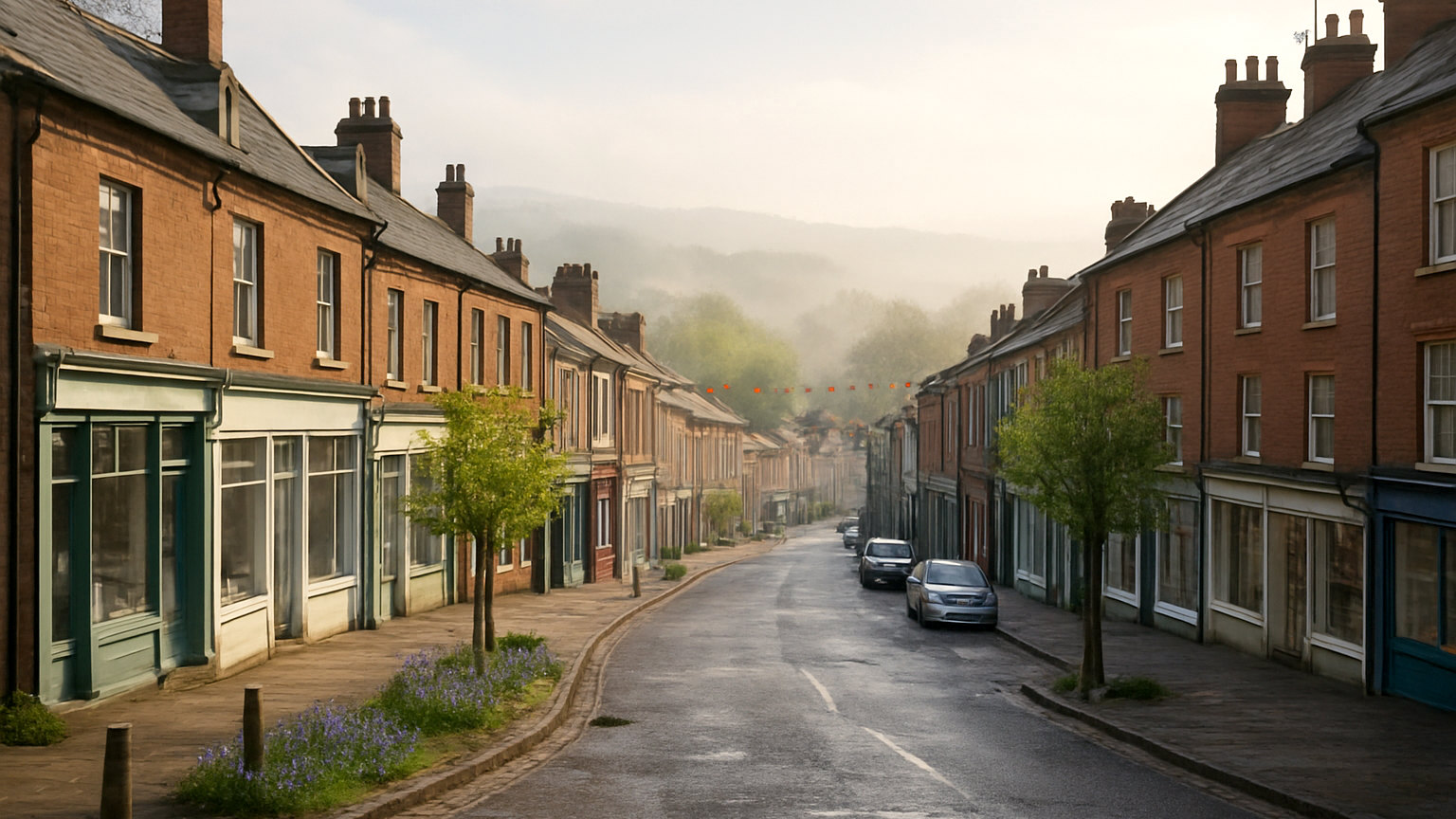
Largely modern, having been heavily rebuilt, with substantial shopping including a large centre in the former brewery site. The older parts around the abbey, the Minster church and the Kennet are pleasanter and are where the history is. It is a working commercial town rather than a destination, which visitors should expect.