Cheltenham is a Regency spa town that has built an unusual amount of its identity around festivals, running four major cultural events each year alongside the largest jump racing meeting in the world. For a town of its size, the programme is remarkable.
What is the literature festival?
Held in October and among the oldest literary festivals in the world, founded in 1949, with several hundred events across ten days and a substantial children's programme.
Tickets for the better known speakers sell within hours of release, so joining the mailing list and booking on the first day matters.
What about the jazz festival?
Held over several days around the early May bank holiday, with a mixture of ticketed concerts and free stages, covering a broad definition of jazz rather than a narrow one.
Much of it takes place in a marquee village in Montpellier Gardens, which gives it a more informal feel than the other festivals.
What is the science festival?
Held in June, with talks, demonstrations and debates aimed at general audiences as well as specialists, and a strong schools programme.
It is among the largest events of its kind in Europe and consistently attracts significant researchers and broadcasters.
What is the music festival?
A classical festival running since 1945, historically focused on contemporary British composition and now broader, held in early summer.
It uses the town hall and the Regency pump room, which is among the finest concert spaces of its date in England.
What happens at the races?
The Cheltenham Festival in March is the most important jump racing meeting in the world, culminating in the Gold Cup, and draws very large numbers including many from Ireland.
Accommodation across a wide area is booked out and priced accordingly, and the town is transformed for the week. Anyone visiting for other reasons should avoid those dates entirely.
What is the town itself like?
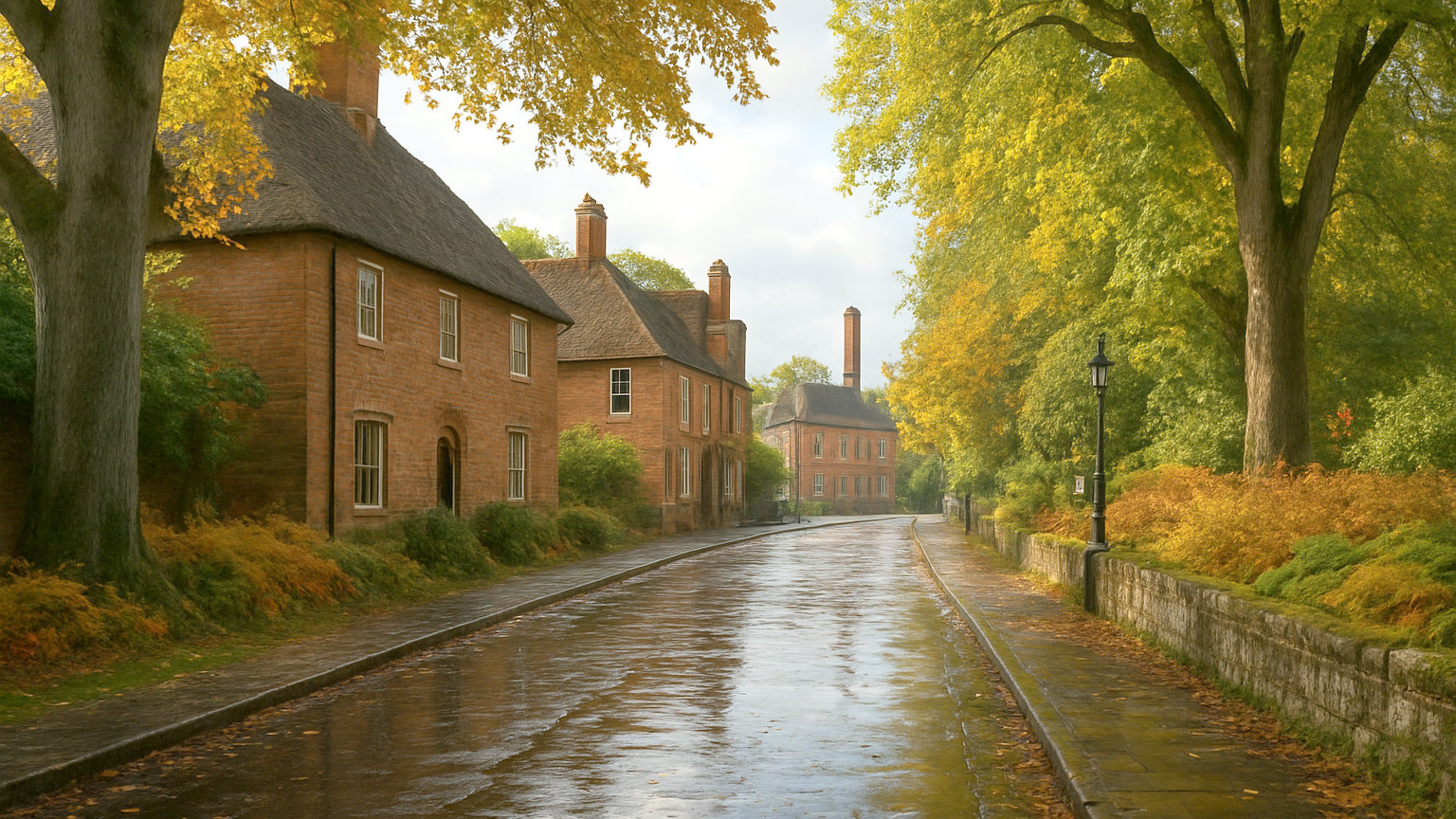
A Regency spa town of terraces, crescents and ironwork balconies, laid out when the mineral springs made it fashionable, and unusually complete.
The Promenade, Montpellier and Lansdown are the best areas, and the Pittville Pump Room stands in a park a short walk north.
Can you still take the waters?
At the Pittville Pump Room, where the original spa water is still available from a fountain when the building is open.
It is strongly mineral and generally described by first time drinkers as unpleasant, which was much the point.
What else is in the town?
The Wilson, a museum and art gallery with a strong arts and crafts collection and material relating to a local polar explorer who died on the return from the South Pole.
Good shopping, a substantial number of restaurants for the size, and parks throughout.
How should you book accommodation?
Early for any festival, and very early for race week. Prices rise sharply and minimum stays are imposed during the March meeting.
Gloucester is ten minutes away by train and is a much cheaper base if the town is full.
What is nearby?
The Cotswold escarpment rises directly behind the town, with Cleeve Hill the highest point in the range and walking straight from the edge of the built up area.
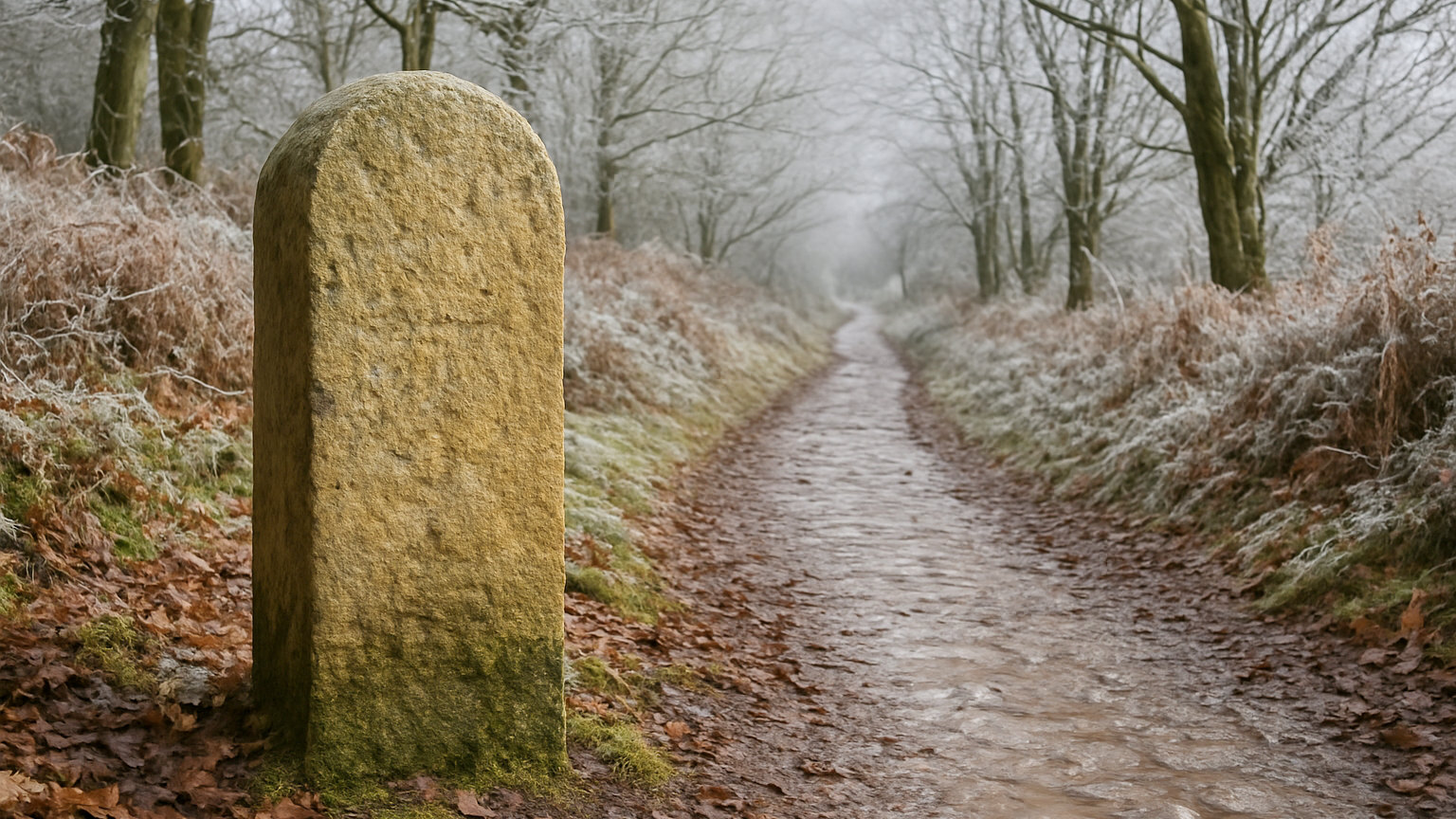
The Cotswold Way passes through, and Gloucester, Tewkesbury and the Malverns are all close.
How do you get there?
By train from London Paddington in around two and a quarter hours, and from Birmingham and Bristol in under an hour.
The station is a mile from the centre, with buses and taxis, and the town is walkable once you are in it.
What is the town like outside festival weeks?
Quiet, prosperous and pleasant, with the Regency architecture, the parks and the shopping making an easy day. Restaurants that need booking weeks ahead during a festival will take walk ins in February. For anyone who wants the town rather than the events, the gaps between festivals are much the better time to come.