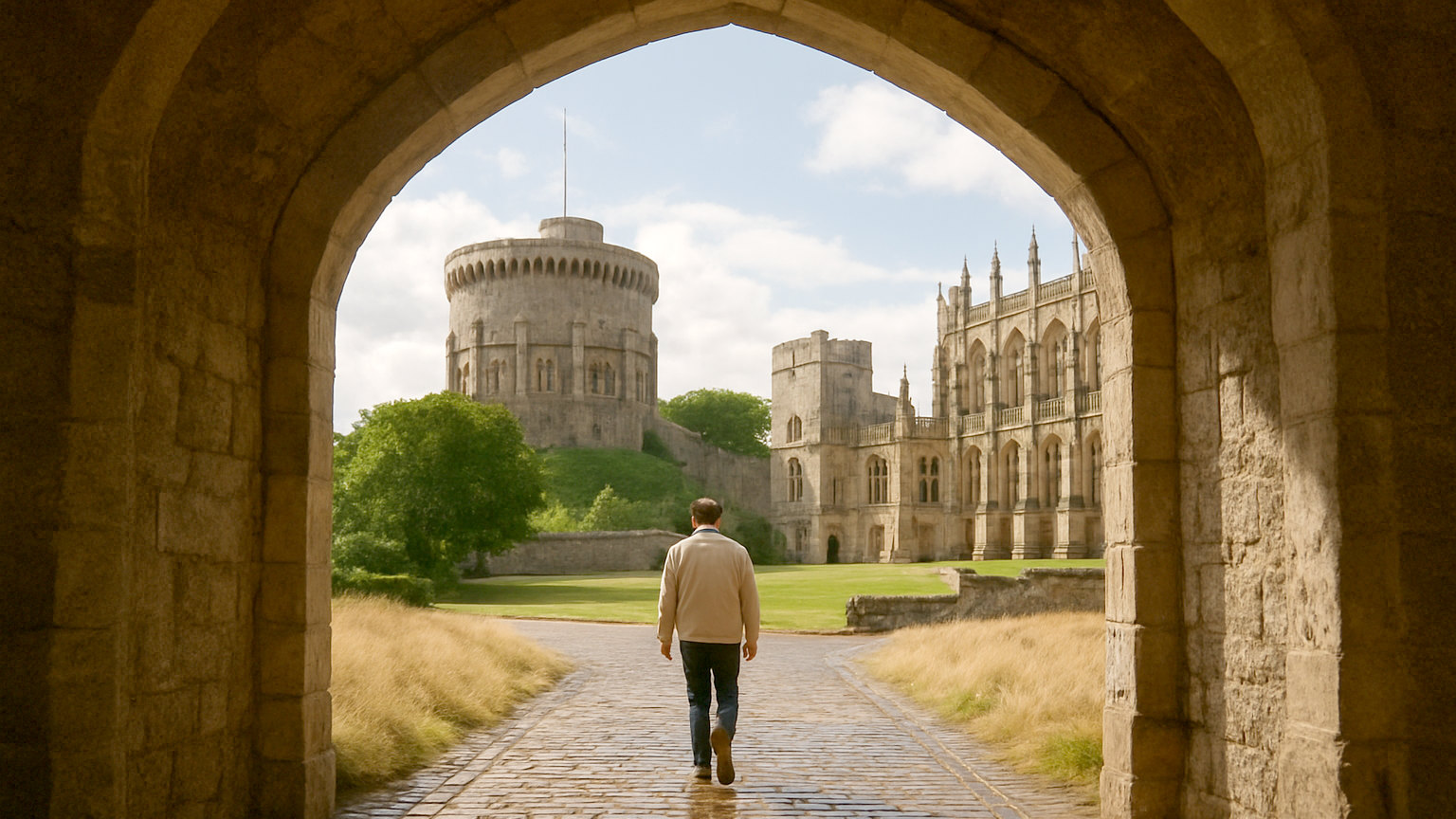
Windsor Castle has been a royal residence for over nine hundred years, which makes it the oldest and largest occupied castle in the world. The town exists because of it, sits on the Thames within half an hour of London, and holds rather more than the castle alone.
What is in the castle?
The State Apartments, used for official entertaining and hung with paintings from the Royal Collection, and a semi state suite decorated for George the Fourth.
A doll's house built for Queen Mary in the 1920s, at one twelfth scale, with working plumbing and lights and miniature books written by the authors of the day, is among the most popular things in the castle.
What is St George's Chapel?
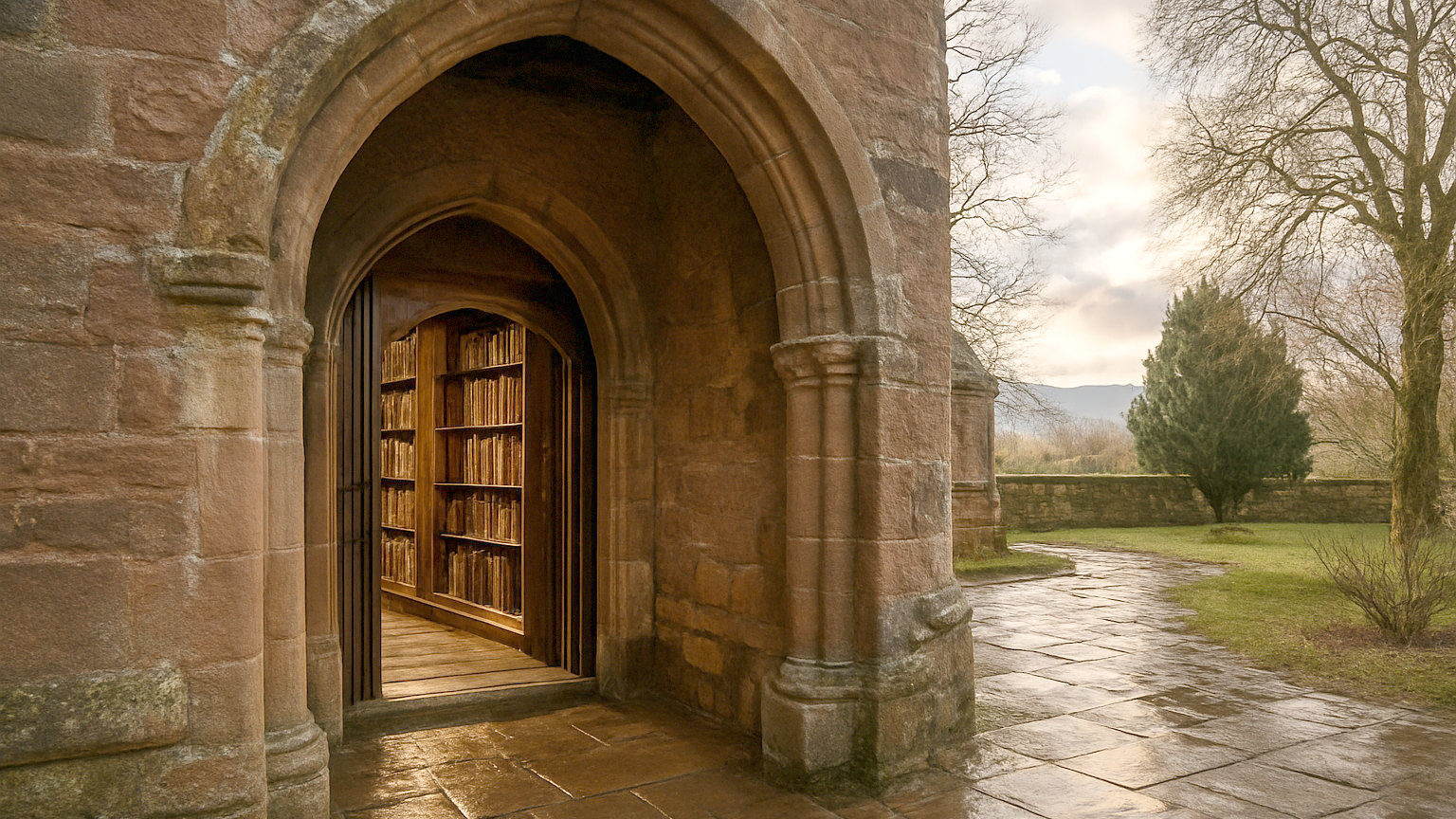
A late medieval chapel of the first rank, with fan vaulting and the stalls of the Order of the Garter, each carrying the banner and crest of a living knight.
Ten monarchs are buried here, including Henry the Eighth, Charles the First and, most recently, Queen Elizabeth the Second. The chapel closes to visitors on Sundays, when services take place.
Is there a changing of the guard?
Yes, on most days in summer and less frequently in winter, with the guard marching through the town from the barracks accompanied by a band.
It is free to watch from the street and considerably easier to see than the London equivalent. Times vary and are cancelled in bad weather, so check on the day.
What is the Long Walk?
A straight avenue running for around three miles from the castle gates into Windsor Great Park, ending at an equestrian statue on a hill known as the Copper Horse.
It is free, open to walkers and gives the classic view back to the castle. The full there and back takes around two hours.
What is in the Great Park?
Several thousand acres of parkland with ancient oaks, deer, a lake at Virginia Water with a cascade and a set of genuine Roman columns brought from Libya.
The Savill Garden and the Valley Gardens are formal plantings within the park, charged for and outstanding in spring and autumn.
What is across the river?
Eton, reached by a footbridge, with a long high street of antique shops and the college founded in 1440 by Henry the Sixth.
The college chapel and parts of the school open to visitors on a limited basis, so check before assuming access.
What is at Runnymede?
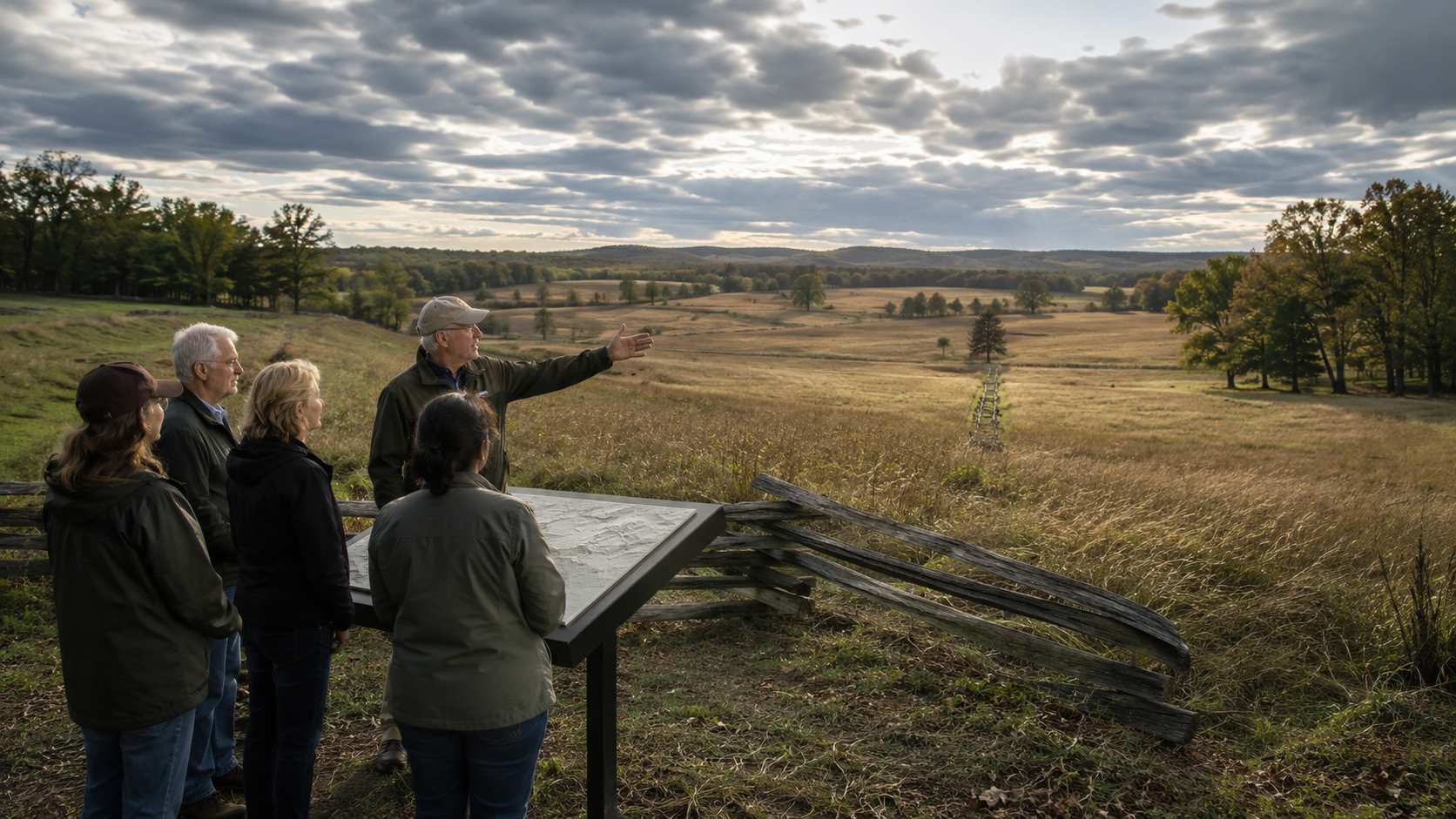
The meadow where Magna Carta was agreed in 1215, a few miles downstream, now open ground with memorials including one to the charter and one to John F. Kennedy on land given to the United States.
It is free, quiet and worth an hour, and the memorial to airmen with no known grave stands on the hill above.
When does the castle close?
For state occasions and official visits, sometimes at short notice, and parts close routinely when in use.
Check the day before travelling. Tickets are timed and sell out in season, and the castle is among the most visited paid attractions in Britain.
What else is in the town?
A compact centre below the castle walls, a Guildhall partly designed by Wren, the Theatre Royal and a good deal of shopping in converted railway station buildings.
Boat trips run on the Thames, and Legoland lies a couple of miles out and is a major draw for families.
How do you get there?
By train from London Waterloo direct, or from Paddington changing at Slough, both taking under an hour and arriving in the centre.
Heathrow is fifteen minutes away, which makes Windsor a practical first or last stop on a trip.
How long do you need?
A full day for the castle, chapel and town, or two nights to add the Great Park, Eton and Runnymede without hurrying.
The castle alone takes three hours and considerably longer if you use the audio guide properly.