Wells is the smallest city in England, with a population of around twelve thousand, and it holds one of the finest medieval cathedral groups anywhere. The cathedral, the bishop's palace and the vicars' housing survive together, which is rare, and the whole ensemble can be walked in half an hour.
What are the scissor arches?
Enormous inverted arches inserted beneath the crossing tower in the fourteenth century, when the tower began to sink and threatened to bring the building down.
They were an emergency engineering solution and they are extraordinary to look at, unlike anything else in English architecture, which is why the cathedral is famous among people who care about buildings.
What is on the west front?
One of the largest collections of medieval sculpture in Europe, with several hundred figures in tiers across the whole facade, much of it surviving the reformation.
It was originally painted. Standing back on the green and using binoculars is the way to see it properly.
What else is inside?
A worn flight of steps to the chapter house, hollowed by centuries of feet, which is among the most photographed staircases in Britain.
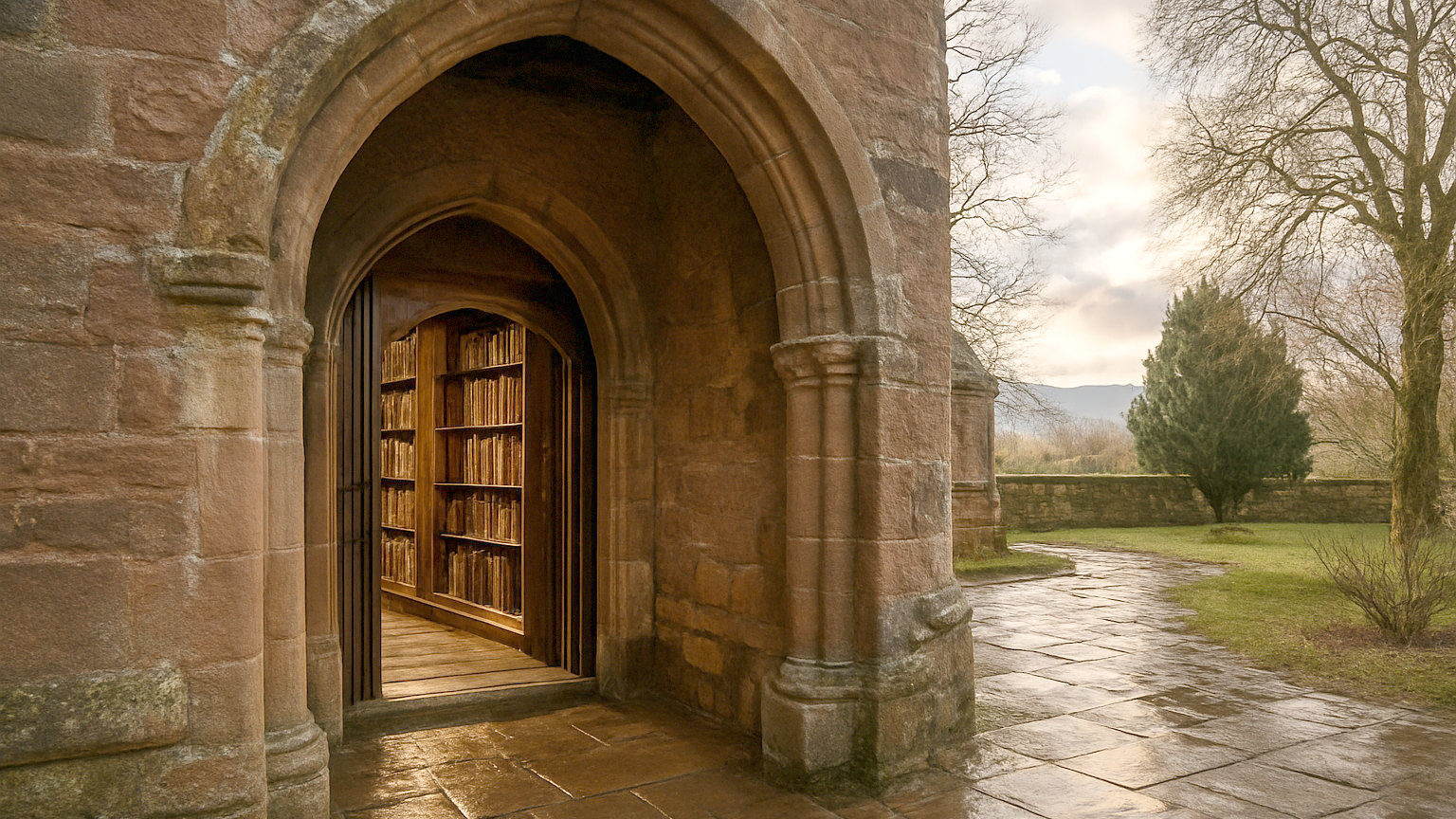
An astronomical clock from the fourteenth century with jousting knights that circle on the hour, and a chained library above the cloister.
What is Vicars' Close?
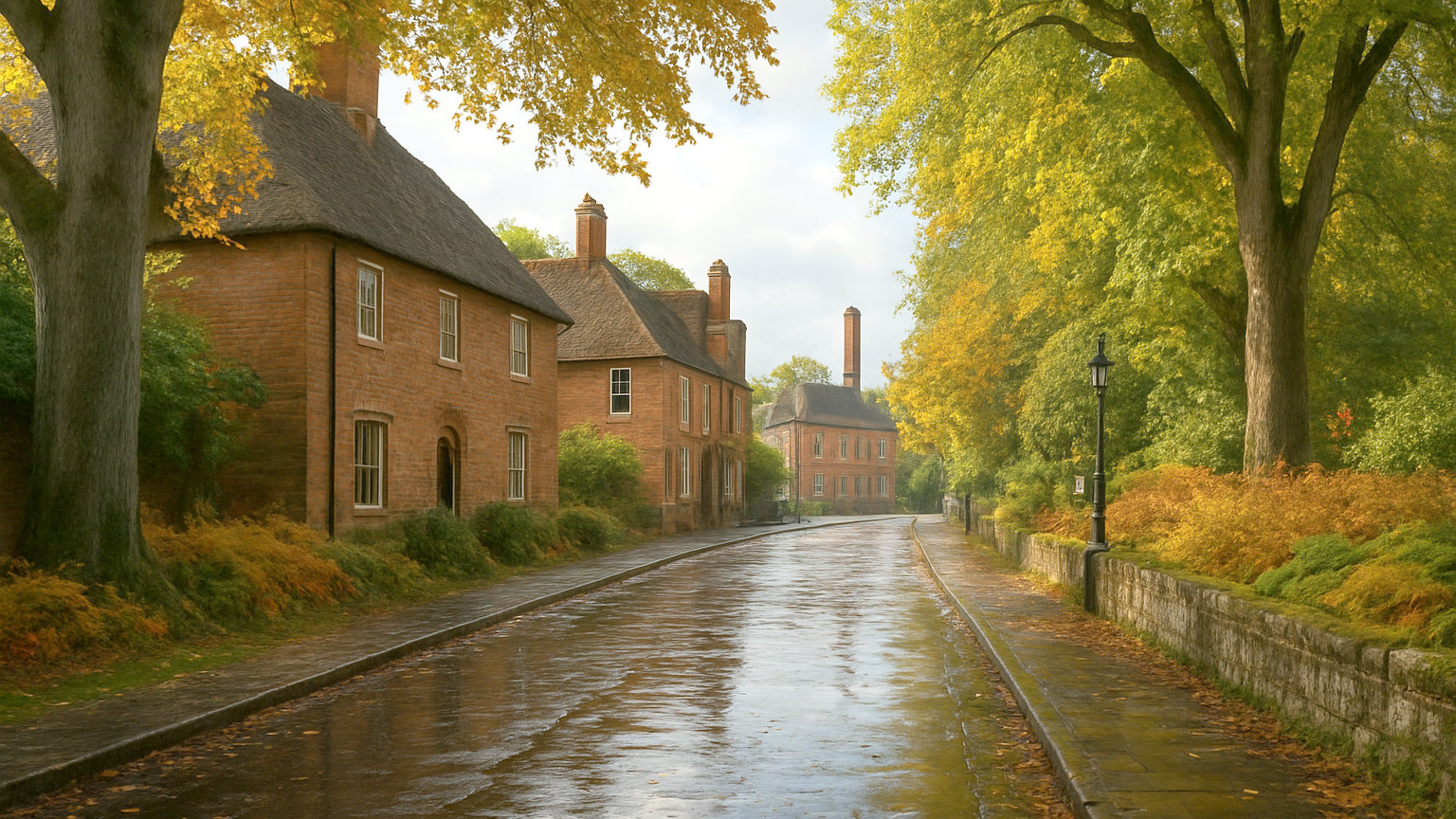
A street of houses built in the fourteenth century for the cathedral's vicars choral, still occupied by cathedral staff, and claimed as the oldest purely residential street in Europe with its original buildings intact.
It runs from the cathedral to a chapel at the far end and is free to walk down.
What is at the Bishop's Palace?
A moated and walled palace beside the cathedral, still the bishop's residence in part, with gardens and the springs that give the city its name rising in the grounds.
Swans on the moat have been trained for generations to ring a bell by the gatehouse when they want feeding, which they still do.
What is the city itself like?
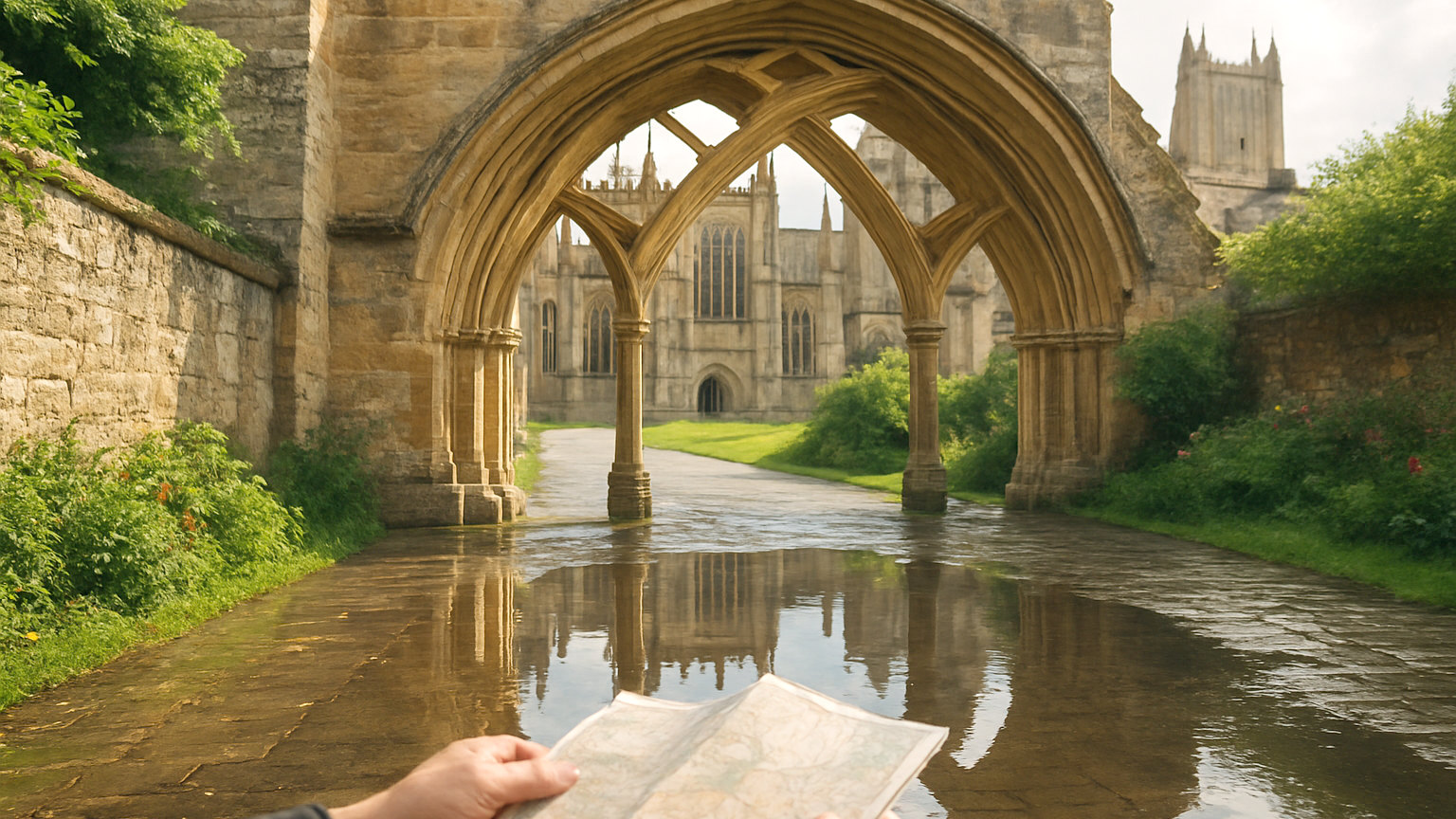
A market place with a Tuesday and Saturday market, two medieval gateways leading through to the cathedral green, and a small centre of independent shops.
It is genuinely small, which is the appeal, and it fills with day visitors in the middle of the day in summer.
What is at Wookey Hole?
A cave system in the Mendips two miles away, carved by an underground river, open as a show cave with a substantial attached family attraction.
The caves themselves are impressive and the surrounding entertainment is aimed squarely at children, which suits some visitors and not others.
What about Cheddar Gorge?
The deepest gorge in Britain, around ten minutes away, with limestone cliffs rising directly from the road, show caves and a clifftop walk.
Go early. The bottom of the gorge is congested by mid morning in season and the walk above it is far better than the shops below.
What else is nearby?
Glastonbury six miles away, with the tor, the abbey ruins and a town of a particular character. The Somerset Levels to the south west, flat, wet and full of birds in winter.
The Mendip Hills for walking, caves and old lead workings.
How do you get there?
By bus, since Wells has no railway station, with services from Bristol, Bath and Glastonbury. By car it is around an hour from Bristol or Bath.
That absence of a railway is part of why the city stays small and quiet.
How long do you need?
Half a day for the cathedral and city, or two nights using it as a base for the Mendips, Cheddar, Glastonbury and the Levels.
Evensong in the cathedral is free, sung during term and is the best way to experience the building.
What about Glastonbury?
Six miles away, with a ruined abbey traditionally associated with the earliest Christianity in Britain and with Arthurian legend, and a conical tor topped by a church tower and visible for miles. The town has a distinctive alternative character that visitors either enjoy or find baffling. The music festival is held several miles away at Pilton rather than in the town.