Wells was the first English cathedral built entirely in the Gothic style, begun around 1175, and it survives with its medieval precinct more complete than almost anywhere else. It stands in the smallest city in England, and the whole group can be walked in half an hour.
What are the scissor arches?
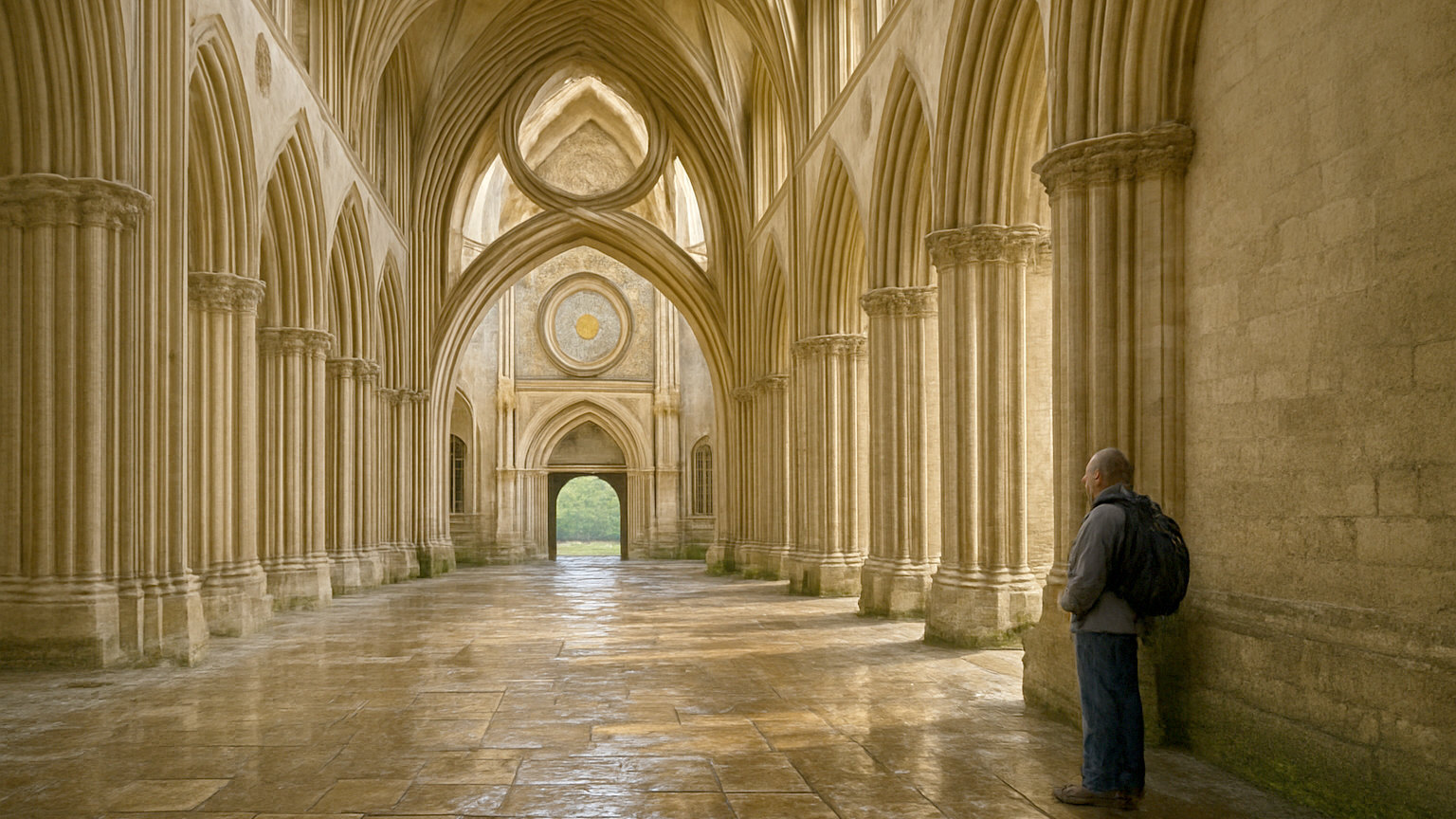
Enormous inverted arches inserted beneath the crossing in the 1330s, when the newly heightened central tower began to sink and threatened to bring the building down.
They were an emergency engineering solution and they are unlike anything else in English architecture. They also happen to be beautiful, which was not the point.
What is on the west front?
One of the largest collections of medieval sculpture in Europe, with around three hundred figures surviving in tiers across the whole facade.
It was originally painted in bright colour and gilded. Standing well back on the green with binoculars is the way to see it properly.
What is the clock?
An astronomical clock from around 1390 showing the sun, moon and phases, with jousting knights that circle and unseat one another when it strikes.
The original mechanism is in the Science Museum in London and a later movement drives it now. It performs on the hour and quarter hour.
What are the chapter house steps?
A worn flight of stone steps curving up to the chapter house, hollowed by centuries of feet, with a branch continuing over the chain gate bridge.
They are among the most photographed stairs in Britain and the wear is a genuine record of use rather than decay.
What is the chapter house like?
Octagonal, with a central column fanning into thirty two ribs, which is one of the finest interiors of its type in England.
It sits above an undercroft and is reached only by those steps.
What is Vicars' Close?
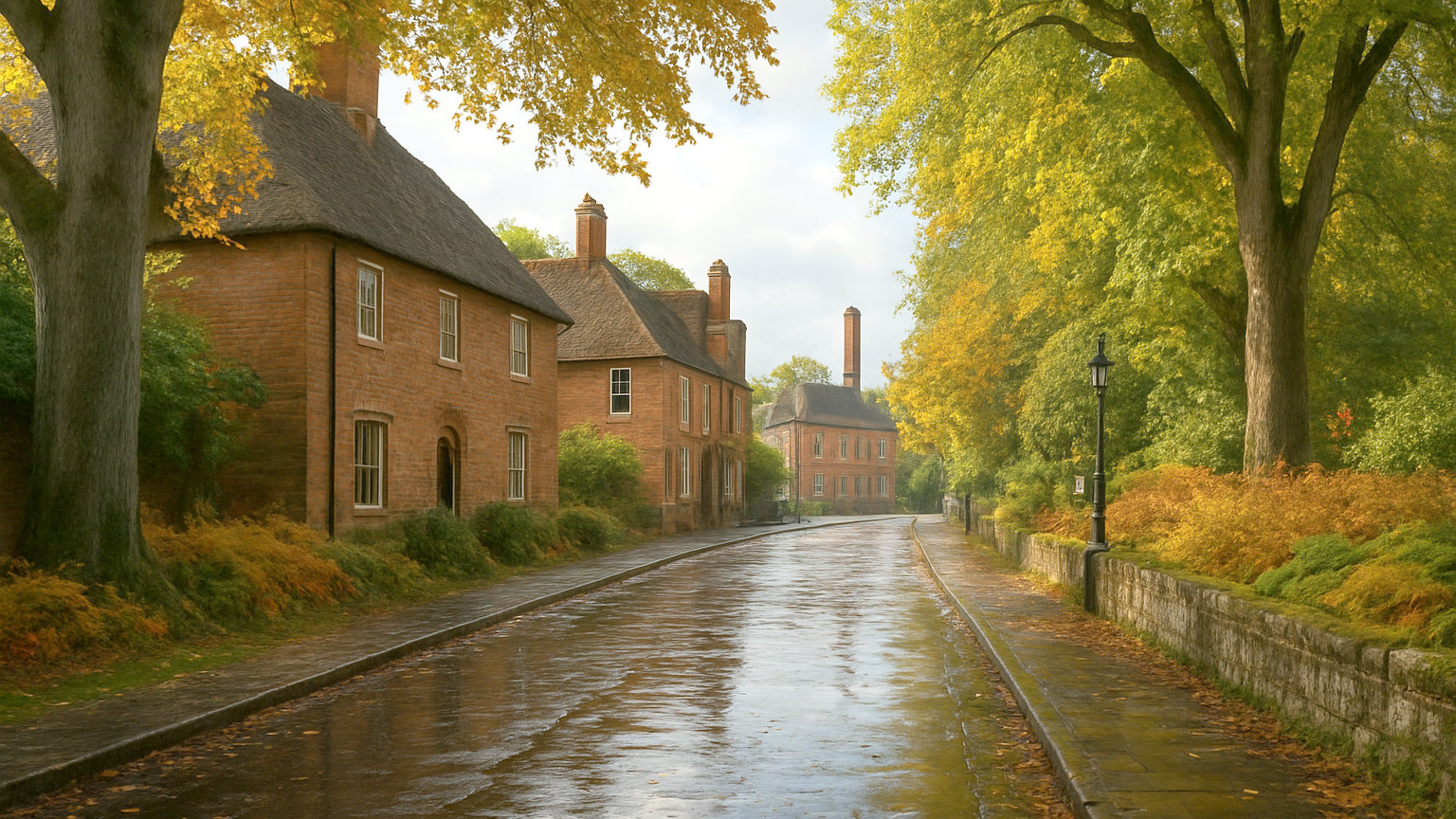
A street built in the fourteenth century to house the vicars choral, still occupied by cathedral staff, and claimed as the oldest purely residential street in Europe with its original buildings intact.
It runs from the cathedral to a chapel at the far end and is free to walk down. A covered bridge connects it directly to the church.
Is there a library?
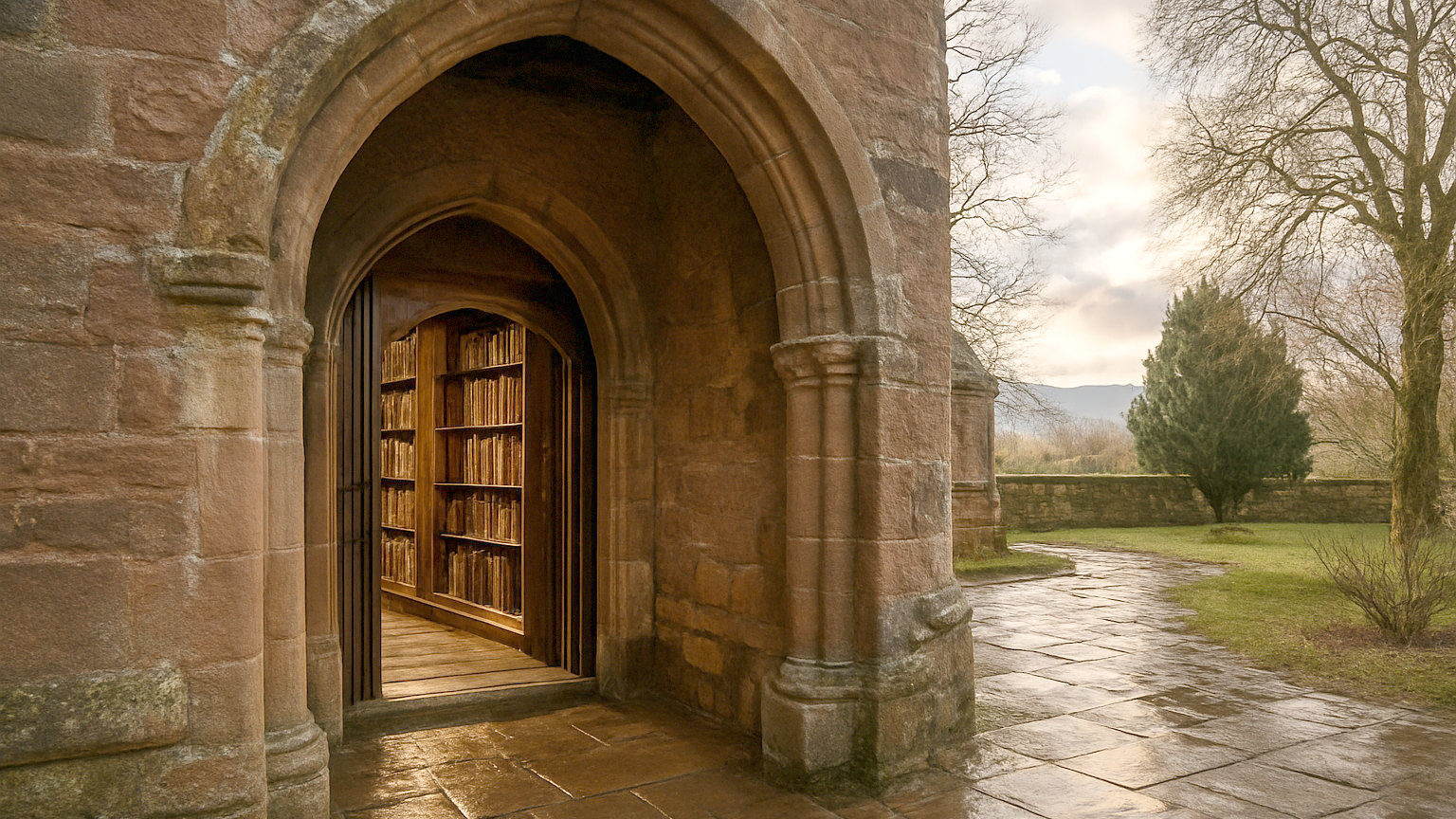
Yes, a chained library above the eastern cloister, holding books chained to the shelves in the original manner, open on limited days.
It is smaller than Hereford's but the room itself is very fine.
What is at the Bishop's Palace?
A moated and walled palace beside the cathedral, still partly the bishop's residence, with gardens and the springs that give the city its name rising in the grounds.
Swans on the moat have been trained for generations to ring a bell by the gatehouse when they want feeding, and they still do.
Does it charge?
A donation is requested rather than an admission charge, which is unusual among cathedrals of this quality. The palace is ticketed separately.
Tower tours run on set days and are booked in advance.
Can you attend a service?
Evensong is sung most days during term and is free. The cathedral has a long musical tradition and a choir school.
It is the best way to experience the quire and the scissor arches, which look quite different when the building is in use.
How do you get there?
By bus, since Wells has no railway station, with services from Bristol, Bath and Glastonbury. That absence is part of why the city stays small and quiet.
Cheddar Gorge and the Mendips are ten minutes away and Glastonbury six miles.
What about the green and the gates?
The cathedral stands on a large green entered from the market place through two medieval gateways, one called Penniless Porch where beggars gathered. The green gives the full view of the west front, which is the only way to take in the sculpture, and the whole precinct including the palace and the close is walkable in half an hour.