Britain and Ireland hold somewhere over a thousand castles depending on how you count them, and the range is enormous. Some are a mound in a field with an information board; others are furnished houses with timed entry and a two hour queue. Knowing which sort you are driving to is the difference between a good afternoon and a disappointing one.
How should you judge a castle before going?
Ask three questions. How much is standing, since a castle reduced to footings is an archaeological site rather than a building. What is the setting, which frequently matters more than the ruin itself. And is there anything else to do within reach, because most castles occupy ninety minutes rather than a day.
Photographs answer the first two quickly. Reviews answer the third better than the official website does.
Which are worth a long journey?
Caernarfon, Conwy, Harlech and Beaumaris in north Wales, built by Edward the First and collectively a World Heritage Site. They are the most complete group of medieval military architecture in these islands.
Edinburgh Castle for its position, Warwick for its completeness, Bamburgh for the setting above a beach, Dover for the tunnels beneath it, and Caerphilly in south Wales, which is enormous and much less visited than it deserves.
Which ruins are the most atmospheric?
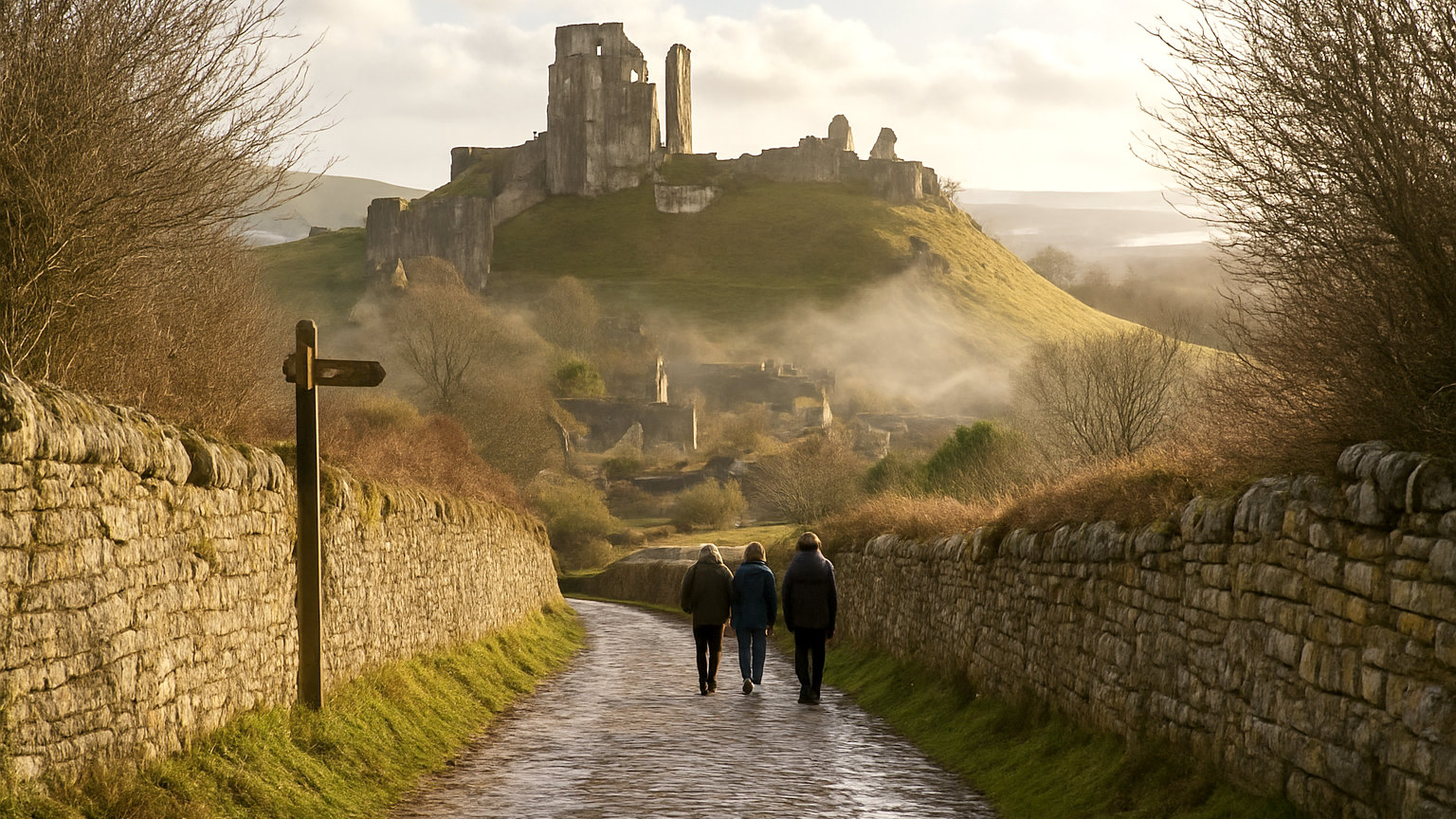
Dunstanburgh in Northumberland, reached only on foot along the coast, which removes half the visitors before you arrive. Corfe in Dorset, blown up in the civil war and left dramatically broken.
Dunnottar in Aberdeenshire, on a sea stack reached by a steep path. Tintagel in Cornwall, now linked by a footbridge. Kilchurn on Loch Awe. All reward the effort of reaching them.
Which are best if you want interiors?
Warwick, Arundel, Alnwick, Windsor and Cardiff, all of which are furnished and lived in or presented as such. Cardiff in particular has extraordinary Victorian interiors that surprise people expecting a medieval shell.
Castles with interiors take considerably longer to visit than ruins and are the ones worth booking a timed ticket for.
Which are overrated?
Any castle where the marketing outstrips the masonry. Some sites with famous names have very little left standing, and visitors arriving expecting battlements find grass and interpretation panels.
This is not a criticism of the sites, which are frequently important. It is a mismatch of expectation, and checking a photograph beforehand prevents it entirely.
Does the setting matter more than the building?
Often, yes. Bamburgh above its beach, Dunnottar on its stack, Harlech above the dunes and Urquhart on Loch Ness would all be less compelling inland.
Conversely, a well preserved castle on a ring road is a lesser experience. If you have to choose between two, choose the setting.
How long should you allow?
An hour to ninety minutes for a ruin, two to three hours for a furnished castle with rooms and grounds, and most of a day for the largest sites such as Warwick or the Tower of London.
Two castles in a day is comfortable if they are close. Three produces a distinct fatigue that regular visitors know well.
What makes a visit better?
Going early or late, which transforms the popular sites. Walking the perimeter from outside before going in, which shows you the scale and the position. And reading one paragraph about who built it and why before you arrive.
Context is what turns a pile of stone into something interesting, and the audio guides at the major sites are generally better than their reputation.
What is the practical approach?
Pick one substantial castle rather than three modest ones, check what is actually standing, and see whether a membership covers it. Then give it enough time to walk the walls rather than the shortest route to the exit.
The castles people remember are almost always the ones where they climbed something and looked out.
Which are best if you want the fewest people?
The unstaffed ruins in the care of the national heritage bodies, of which there are several hundred across Britain. They have no ticket office, no cafe and frequently no car park beyond a lay by, which is exactly why they stay empty. A substantial ruined castle entirely to yourself on a summer afternoon is available in almost every county, twenty miles from somewhere with a two hour queue, and it costs nothing at all.