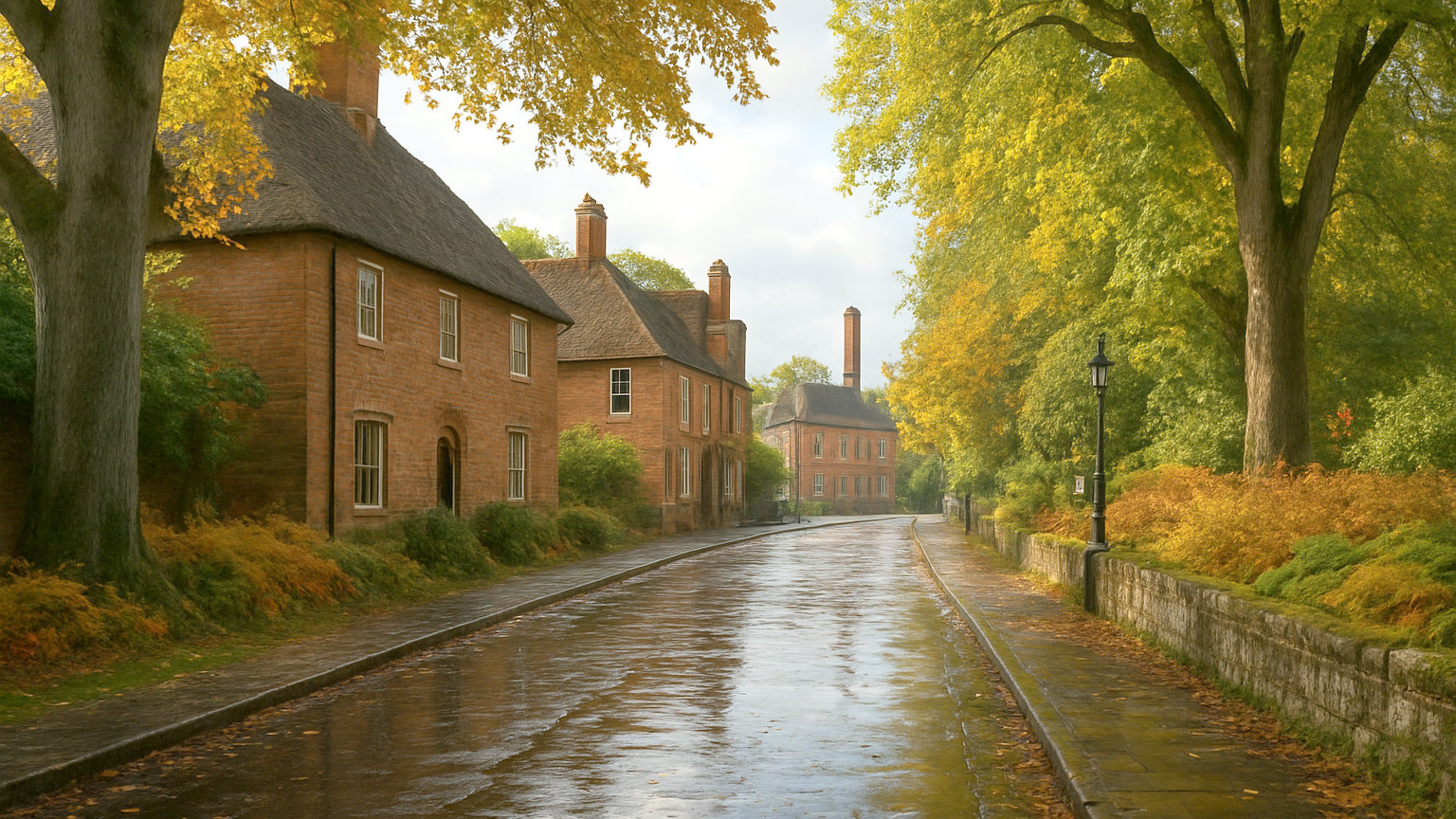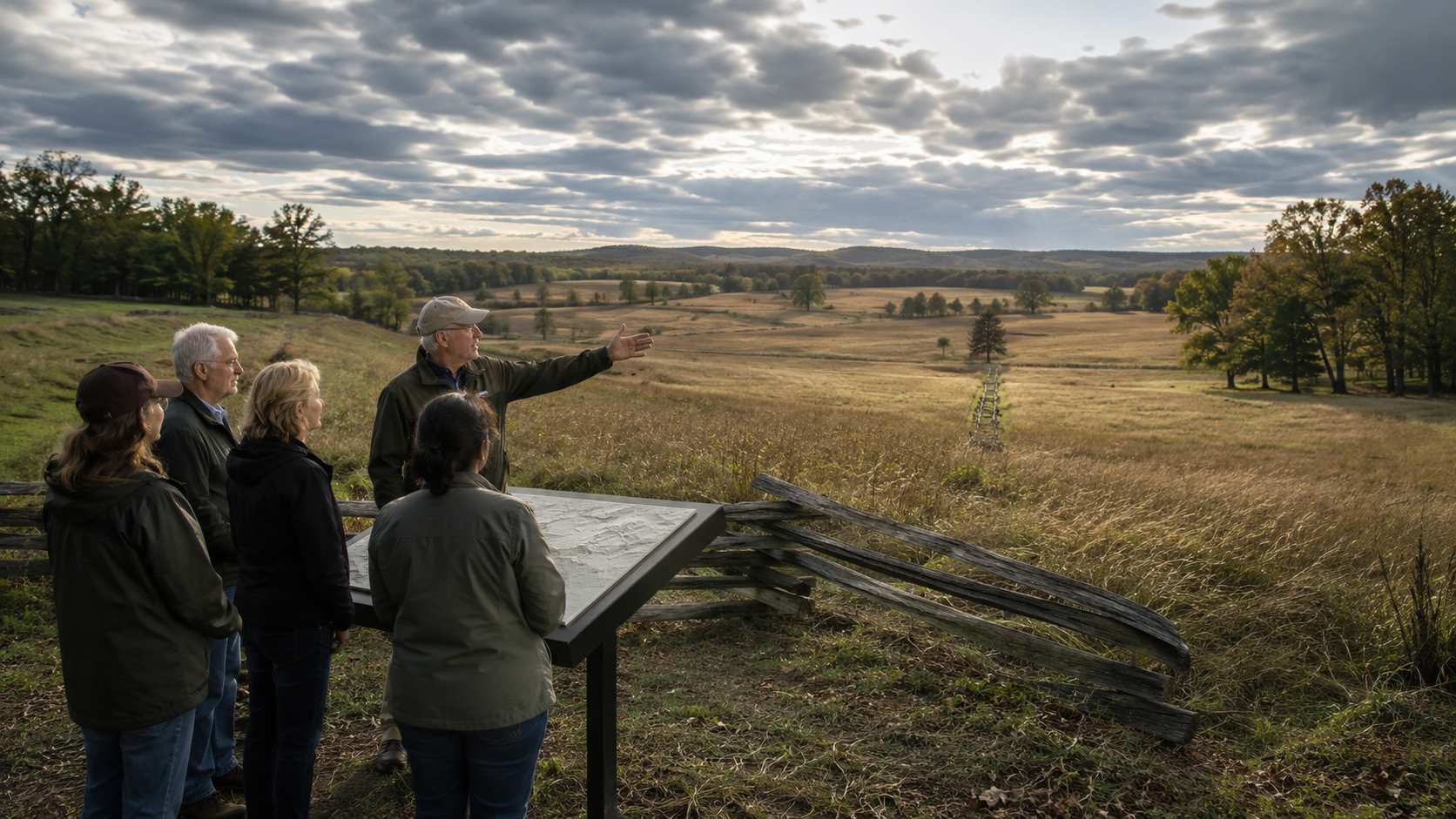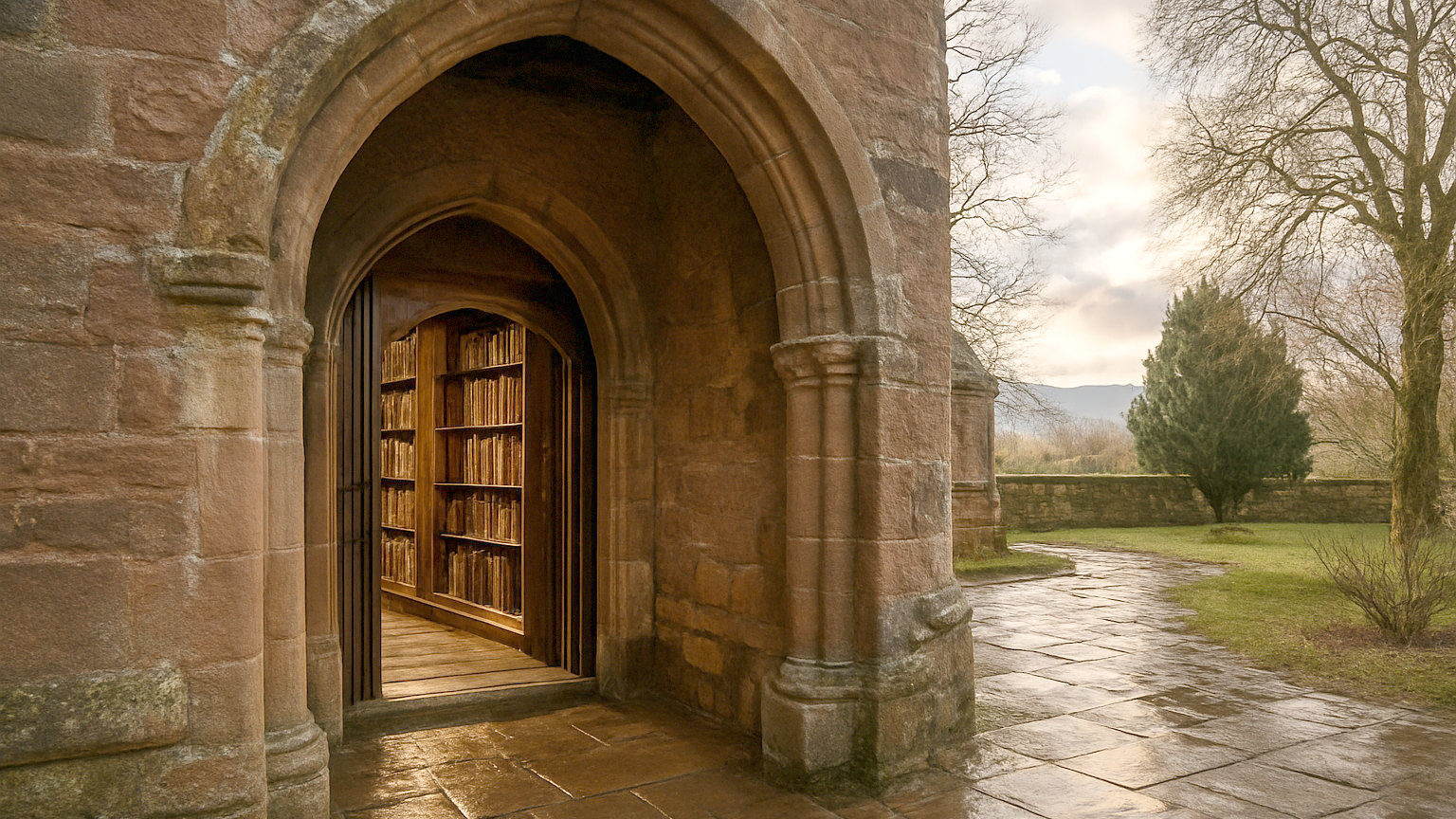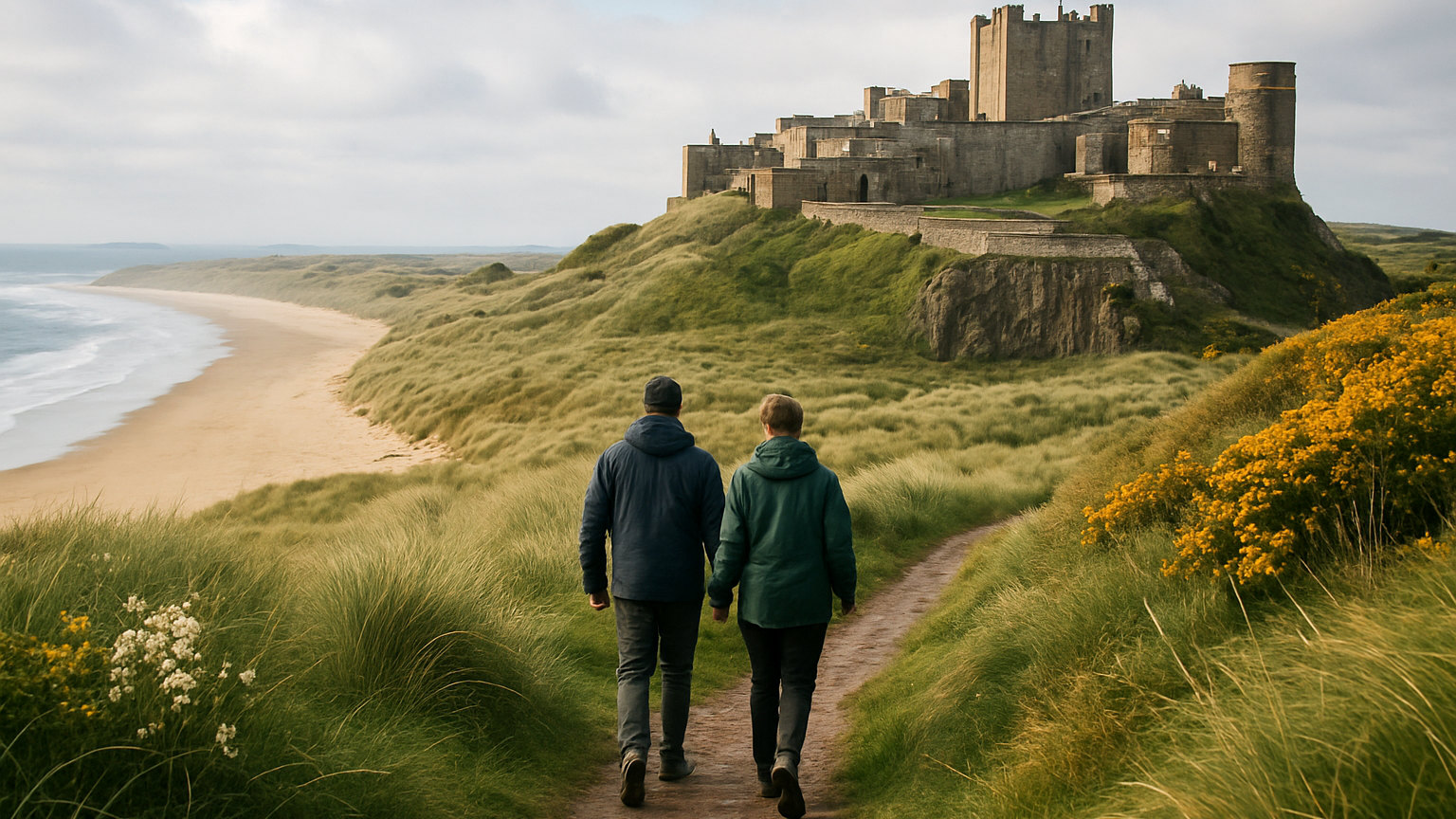
The British country house is a distinct kind of attraction, combining architecture, art collections, gardens and parkland in a single site. The best of them genuinely fill a day; a good many occupy ninety minutes and are best combined with something else nearby.
What makes a house worth a whole day?
Four things together: substantial interiors, a collection worth looking at, formal gardens, and parkland you can walk in. Houses with all four sustain a full visit; those with only the first do not.
A playground, a farm shop or a decent restaurant extends a family visit considerably, and most of the larger houses now have all three.
Which houses genuinely fill a day?
Chatsworth in Derbyshire, with a major art collection, a hundred acres of garden including a cascade and a maze, and a farmyard and playground for children.
Blenheim Palace in Oxfordshire, a baroque palace in a Capability Brown landscape and the birthplace of Winston Churchill. Castle Howard in Yorkshire, with a mausoleum, temples and a lake. Waddesdon Manor in Buckinghamshire, a French style chateau with an extraordinary collection.
Which are the best for gardens?
Stourhead in Wiltshire, a landscape garden around a lake with classical temples, at its finest in late October. Sissinghurst in Kent, a series of garden rooms.
Hidcote in Gloucestershire, Bodnant in north Wales, Levens Hall in Cumbria for its topiary, and Alnwick Garden in Northumberland, which is a modern creation on a large scale.
Which have the best collections?
Waddesdon, Chatsworth and Petworth in Sussex, which holds a remarkable group of paintings including a substantial number of Turners in a purpose built gallery.
Burghley in Lincolnshire, Holkham in Norfolk and Harewood in Yorkshire all hold serious collections. For anyone interested in paintings, several of these are effectively provincial galleries with a house attached.
What about houses that are still lived in?
Many are, and it makes a difference. Family occupied houses tend to feel like homes rather than museums, with photographs on the piano and rooms that are used.
Privately owned houses are frequently members of the Historic Houses association rather than the National Trust, which is a separate membership and covers several hundred properties that are otherwise easy to miss.
How should you plan the visit?
House first if it has timed entry, gardens afterwards, and parkland last if there is time. Reversing that risks missing your slot, and the house is the part that closes earliest.
Allow more time than the website suggests. Two hours for a substantial house with a collection is a brisk walk through rather than a visit.
What should you check before going?
Whether the house is open, since many open only on certain days or only in the afternoon, and gardens frequently open when the house does not.
Also whether rooms are closed for a wedding, filming or conservation work, which happens regularly and is usually announced on the day rather than in advance.
When is the best time?
Late spring for gardens and full opening, autumn for parkland colour, and December for houses that decorate for Christmas, which several do impressively and which needs booking.
Most houses close entirely from November to March, so the season is shorter than for castles and ruins.
Which offer the best value?
Those covered by a membership you already hold, obviously. Beyond that, the houses with extensive grounds give the most hours per pound, since you can walk for a whole afternoon after seeing the interiors.
Several also allow garden only tickets at a lower price, which is worth considering if the collection is not the draw.
What if the house is closed?
Go anyway, in many cases. Gardens and parkland at a great many properties open when the house does not, particularly in winter and early spring, and are frequently cheaper to enter. Several estates keep their grounds open year round with the house opening only from spring. A winter walk in a designed landscape with bare trees and long shadows is a genuine pleasure and one that almost nobody thinks to have.