Salisbury was founded in the thirteenth century when the bishop and clergy abandoned the exposed hilltop settlement at Old Sarum and built a new cathedral on the water meadows below. The result is a cathedral built almost entirely in one style within about forty years, which is very unusual in England.
What makes the cathedral notable?
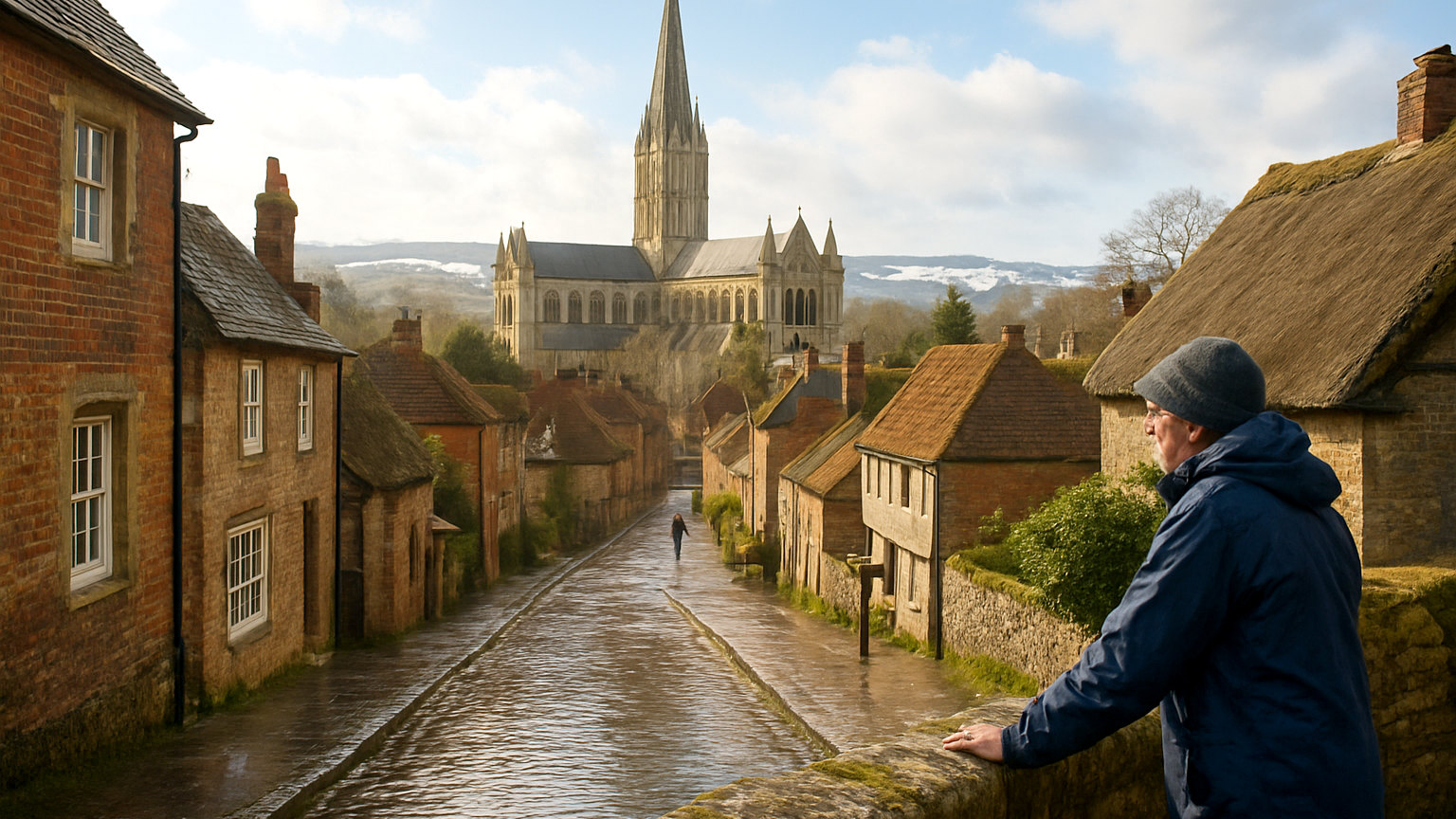
The spire, added a generation after the main building, rises to a hundred and twenty three metres and is the tallest in Britain. It weighs enough that the piers beneath it visibly bend.
Tower tours climb into the roof space and the base of the spire, where the medieval scaffolding is still in position, and the view over the city and the plain is exceptional.
What is in the chapter house?
One of only four surviving original copies of Magna Carta from 1215, and the best preserved of them, displayed in a purpose built case.
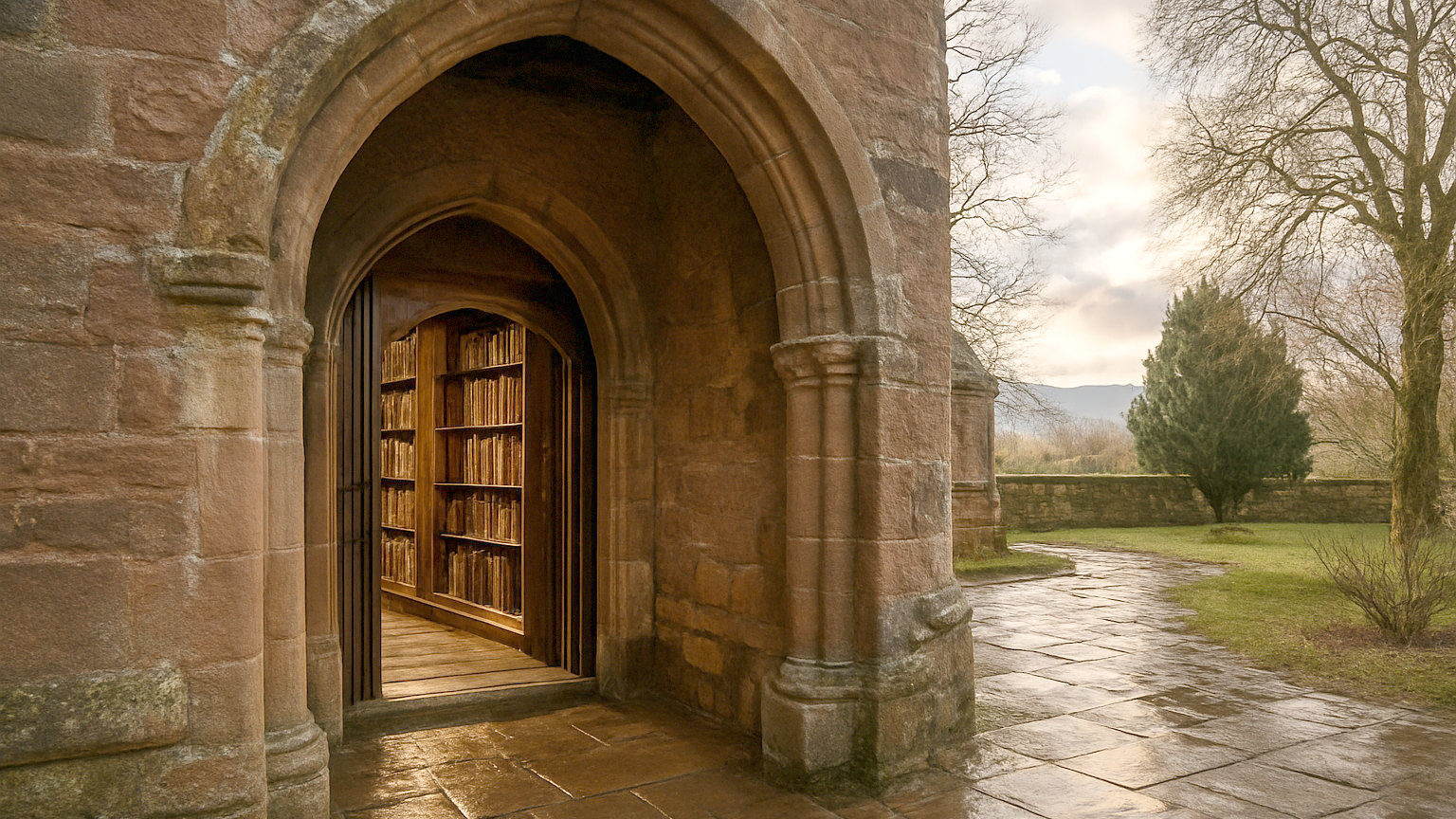
The chapter house itself has a medieval frieze running around the walls showing scenes from the book of Genesis. Entry is included with the cathedral donation.
What is the clock?
A mechanism in the nave dating from around 1386, with no face, which struck the hours on a bell. It is widely described as the oldest working clock in the world.
It runs on most days and is easy to walk past without noticing, which most visitors do.
What is the close?
The largest cathedral close in Britain, walled and gated, holding houses of the fourteenth to eighteenth centuries around a green.
Several are open, including Mompesson House with panelled interiors and the museum, which holds important prehistoric material from the surrounding landscape.
What is Old Sarum?
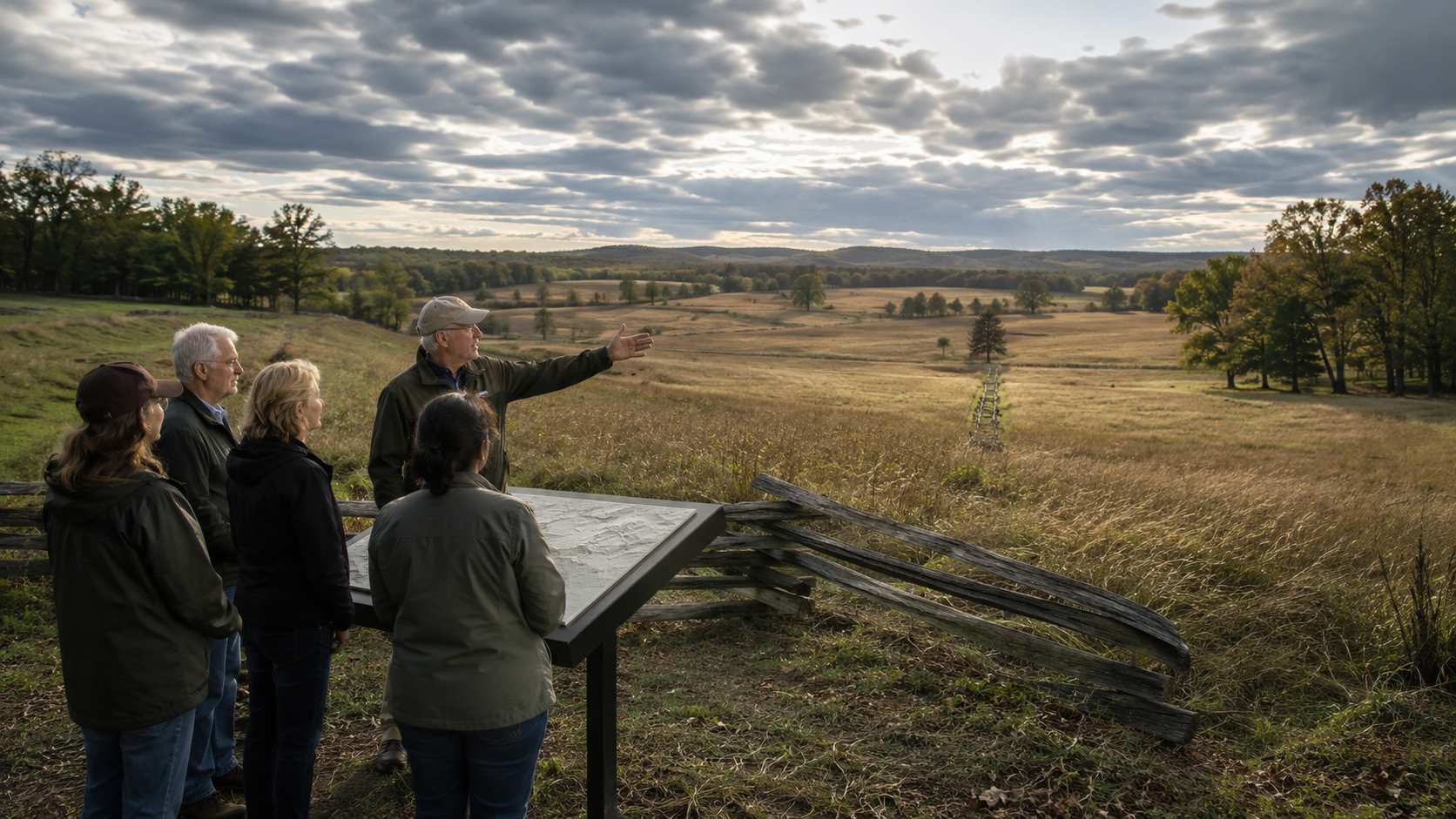
An Iron Age hillfort two miles north, reused by the Romans, then the Normans, who built a castle and the first cathedral inside the ramparts before the move to the valley.
The earthworks and foundations are open, free to walk around the outer ramparts, and the view over the modern city and its spire explains the whole story.
How close is Stonehenge?
Around eight miles north west, with a visitor centre, a shuttle to the stones and timed tickets that must be booked in advance.
Buses run from Salisbury station in season, which makes the city the obvious base for visiting without a car.
What else is on the plain?
Avebury, a much larger stone circle with a village inside it, free to walk among the stones, which many people prefer to Stonehenge.
Woodhenge, Durrington Walls, long barrows and Wilton House, a great house with state rooms and gardens a few miles west.
What is the city itself like?
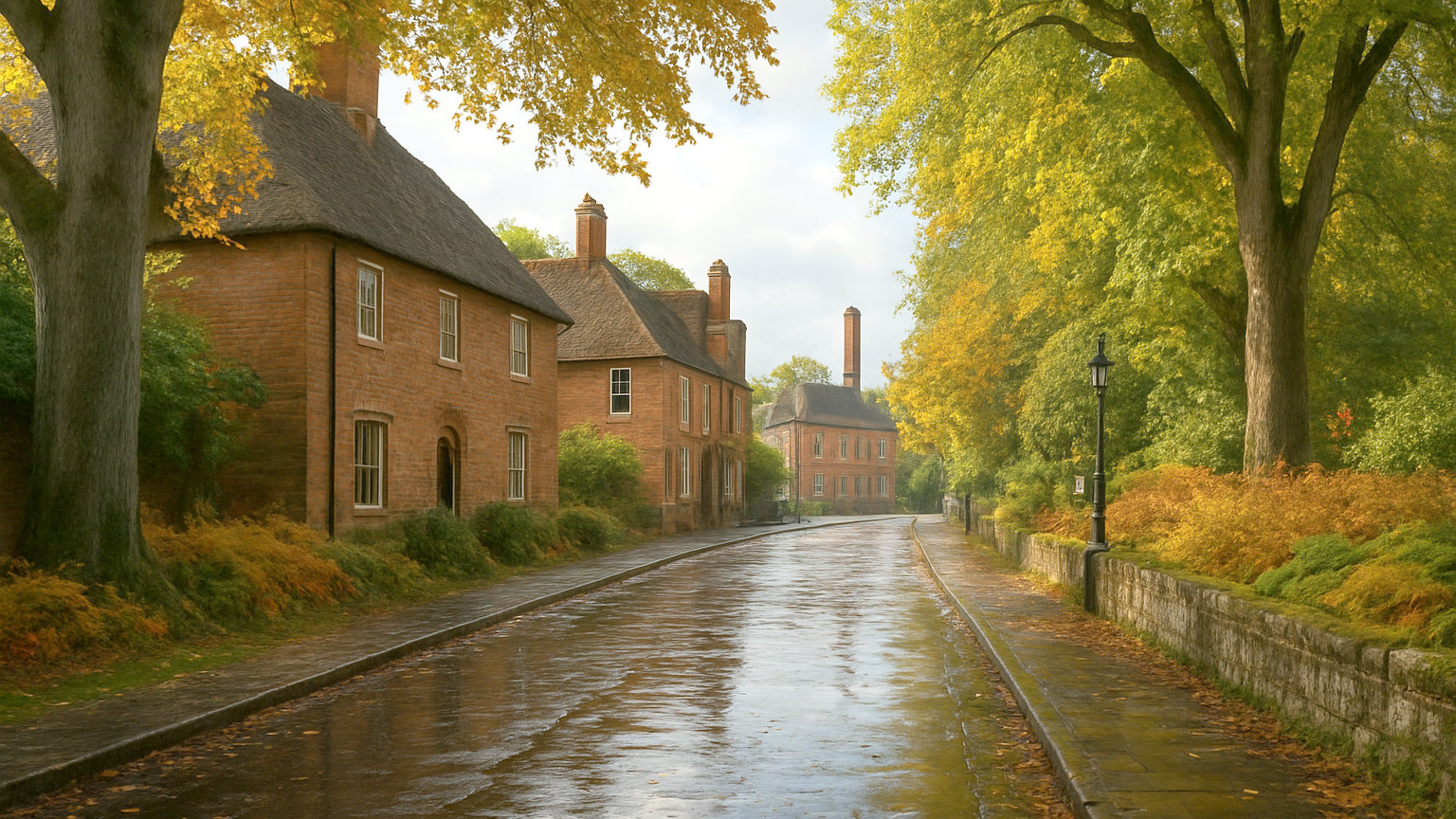
A compact medieval grid of streets with a large market square, timber framed buildings, a chequerboard street plan and a market on Tuesdays and Saturdays.
It is walkable in an hour and has a good range of independent shops and pubs.
What is the water meadow walk?
A path across the meadows south west of the city giving the view of the cathedral that a well known painter recorded repeatedly in the nineteenth century.
It takes around forty minutes and is at its best in early morning mist or late afternoon light.
How do you get there?
By train from London Waterloo in around ninety minutes, with connections to Bath, Bristol and the south coast.
The station is a short walk from the centre and the cathedral is visible from almost everywhere.
How long do you need?
Two nights, allowing a day for the cathedral and city and a day for Stonehenge, Avebury or Old Sarum.
Accommodation is cheaper than Bath and the city is a considerably better base for the prehistoric landscape.
What about the market and the chequers?
The medieval city was laid out on a grid of squares known as chequers, several of which still carry their names, and the market has been held since the thirteenth century. It runs on Tuesdays and Saturdays in the large square, which is among the biggest market places in southern England and is worth timing a visit for.