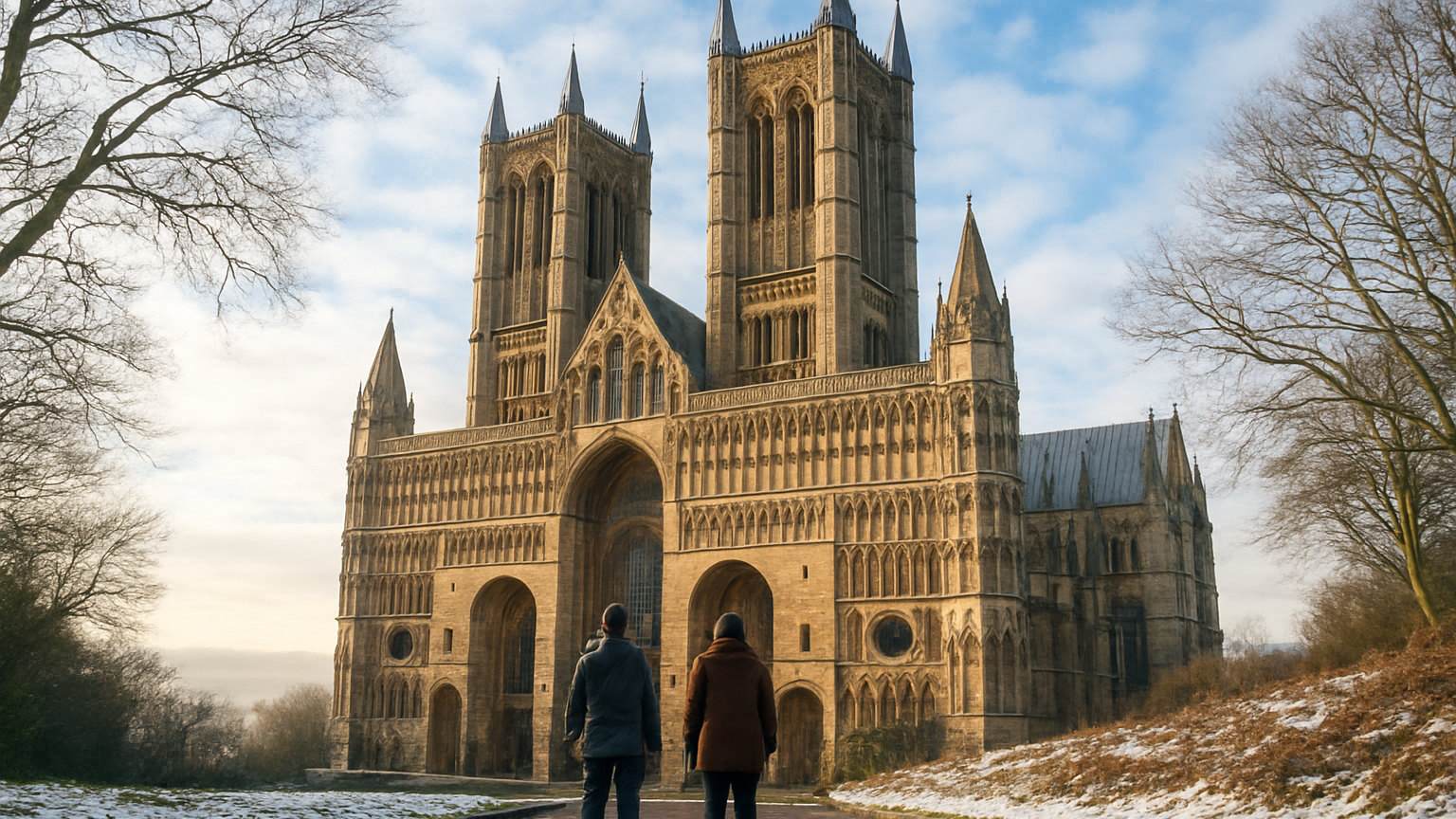
Lincoln Cathedral stands on a ridge above a flat county and is visible for thirty miles in several directions. For around two and a half centuries it was the tallest building in the world, and it remains among the finest Gothic churches in Europe.
What happened to the spire?
A spire added to the central tower in the fourteenth century took the cathedral to an estimated hundred and sixty metres, making it the first building to exceed the Great Pyramid.
It blew down in a storm in 1548 and was never replaced. The tower that remains is still the third tallest cathedral tower in England.
What is the crazy vault?
The vault over St Hugh's Choir, built around 1200, which is deliberately asymmetrical, with ribs that do not correspond across the centre line.
Nobody is certain whether it was experimental, a mistake, or a joke. It is the earliest rib vault of its type and architectural historians have been arguing about it for a century.
What is the Angel Choir?
An eastern extension built in the late thirteenth century to accommodate pilgrims to the shrine of St Hugh, with thirty carved angels in the spandrels of the triforium.
It is among the most beautiful interiors in England and the carving is of the highest quality.
Where is the Lincoln Imp?
High on a column in the Angel Choir, a small grotesque figure sitting cross legged, which has become the emblem of the city.
Legend has it turned to stone by an angel. Finding it without help is a genuine challenge and staff will point it out.
What are the rose windows?
Two, facing each other across the transepts. The Dean's Eye in the north retains substantial thirteenth century glass and was conserved in a major programme.
The Bishop's Eye in the south is fourteenth century, filled with medieval fragments reassembled after damage, and its flowing tracery is exceptional.
Why was it rebuilt?
An earthquake in 1185 severely damaged the Norman cathedral, leaving little more than the west front, which is why the building is largely Gothic behind a Romanesque frontage.
Earthquakes of that severity are extremely rare in Britain, which makes the event as unusual as the building.
What is the library?
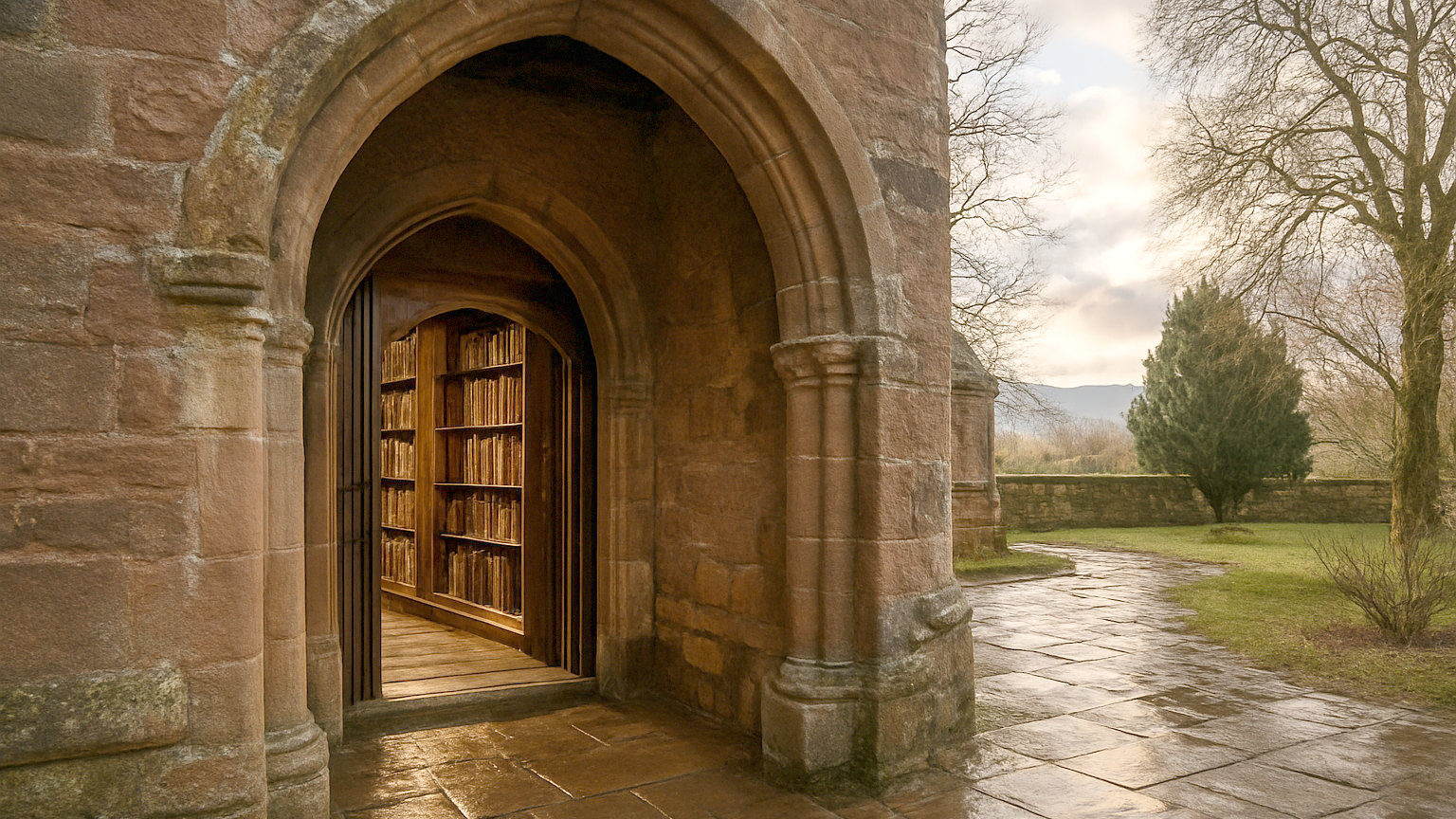
A library designed by Christopher Wren in the seventeenth century, built above part of the cloister, holding medieval manuscripts and early printed books.
The cloister below is thirteenth century with a fine timber vault, and the north walk was rebuilt to carry the library.
Where is Lincoln's Magna Carta?
One of the four surviving originals from 1215 belongs to the cathedral but is displayed in the castle across the square, in a purpose built vault.
The castle also holds a copy of the Charter of the Forest and has a walkable wall circuit.
What else should you look for?
The misericords in the choir stalls, which are of exceptional quality, and the medieval graffiti on the pillars.
The chapter house, ten sided with a central column, where parliaments were held in the reign of Edward the First.
Does it charge?
Yes, for sightseeing, with concessions and free entry for worship. Tower and roof tours are ticketed separately and book ahead.
Check the cathedral's own site, since charges and tour availability change.
When should you go?
Any time, though the Christmas market in early December fills the upper city entirely and is the busiest week of the year.
The cathedral is floodlit at night and the view from the castle walls at dusk is the best in the city.
What is the approach like?
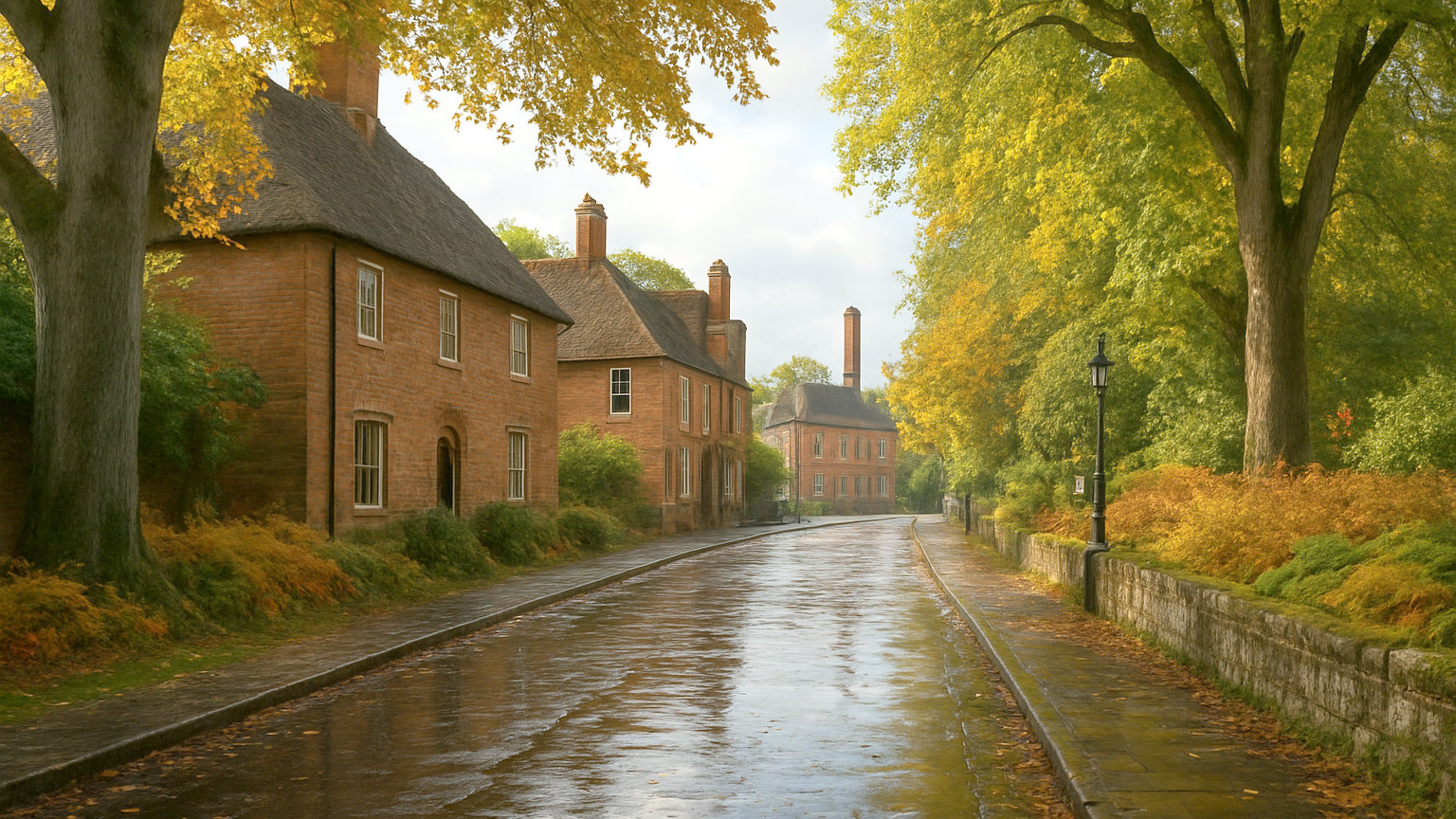
Steep. The cathedral sits at the top of the hill and the climb from the lower city is up a cobbled street with handrails, which is a genuine effort. Buses run up for anyone who would rather not walk it. The reward is arriving at the west front through a medieval gateway, which is the way it was meant to be approached.