A surprising proportion of British heritage costs nothing to visit. Hundreds of ruins are unstaffed and open at any reasonable hour, the national museums charge no admission, and several of the finest monuments in the country sit in fields with a lay by beside them.
Why are so many sites free?
Because staffing a small ruin is uneconomic. The heritage bodies operate a two tier system: major sites with visitor centres and admission charges, and a much larger number of unstaffed monuments left open with an information panel.
These are maintained to the same standard and are frequently as interesting as the ticketed ones, without the queue.
Which free castles are worth visiting?
A great many. In Wales, several Cadw sites are free including smaller castles and abbeys. In England, English Heritage maintains dozens of free sites including ruined castles, abbeys and Roman remains.
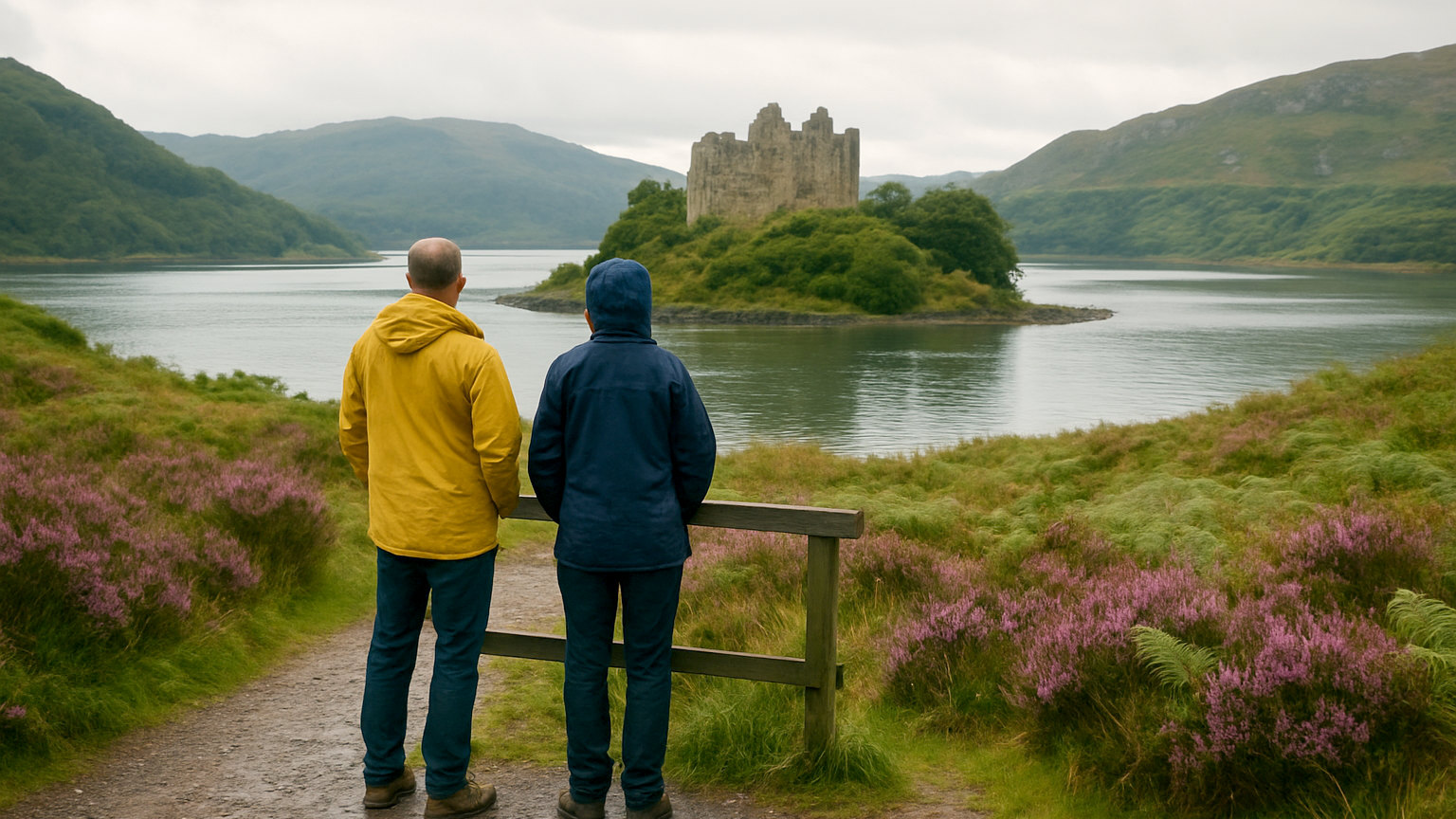
Scotland has numerous unstaffed sites in Historic Environment Scotland care. The pattern is the same everywhere: the famous name charges, the equally atmospheric ruin ten miles away does not.
What about city walls?
York's walls are free to walk, a circuit of about two miles giving the best introduction to the city. Chester's walls are also free and almost complete. Berwick upon Tweed has Elizabethan ramparts you can walk in full.
Derry's walls in Northern Ireland are free, complete and among the finest in these islands. Conwy's town walls in Wales are partly accessible without charge.
Are cathedrals free?
Most ask a donation rather than charging, though a number of the largest now have an admission fee, and several charge for tower climbs or specific areas.
Even where a fee applies, attending a service is free, and evensong in a great cathedral is among the finest free experiences in Britain. Most take place daily during term and are open to anyone.
Which museums cost nothing?
The nationally funded ones, which include some of the best in the world. In London the British Museum, the National Gallery, the Natural History Museum, the Science Museum, the Tates and the V and A.
Outside London, the national museums of Scotland and Wales, the Liverpool group, Kelvingrove and the Riverside in Glasgow, and the Great North Museum in Newcastle. Many local authority museums are also free.
What about prehistoric monuments?
Overwhelmingly free. Avebury, Castlerigg, Callanish, the Rollright Stones, most long barrows and the great majority of stone circles are open access at no charge.
Stonehenge is the conspicuous exception, and even there the monument can be seen from a public right of way nearby, though not closely.
Where can you find them?
The heritage organisations publish lists of their free sites, which is the most reliable source and the least used. Local authority websites list town walls, parks and municipal monuments.
Ordnance Survey mapping marks antiquities in a distinctive typeface, and browsing a map of any area turns up a great deal that no guidebook mentions.
What is the catch?
No facilities, usually. No lavatory, no cafe, no shop, often no car park beyond a verge, and interpretation limited to a single panel that may be weathered.
Also no shelter, which on an exposed site in bad weather matters. These are places to visit for an hour rather than a day.
Why are they so quiet?
Because they are not marketed. Nothing generates a visit like an admission price and a car park, and the free sites have neither.
The consequence is that you can have a substantial ruined castle or a stone circle entirely to yourself on a summer afternoon, twenty miles from somewhere with a two hour queue.
What about heritage open days?
Each September, buildings across the United Kingdom that are normally closed to the public, or that normally charge, open free of charge for a period. It includes private houses, working buildings, towers, tunnels and places that are otherwise never accessible. Programmes are published in advance and popular tours book quickly. For anyone interested in architecture it is the best free weekend of the year and remains surprisingly little known.