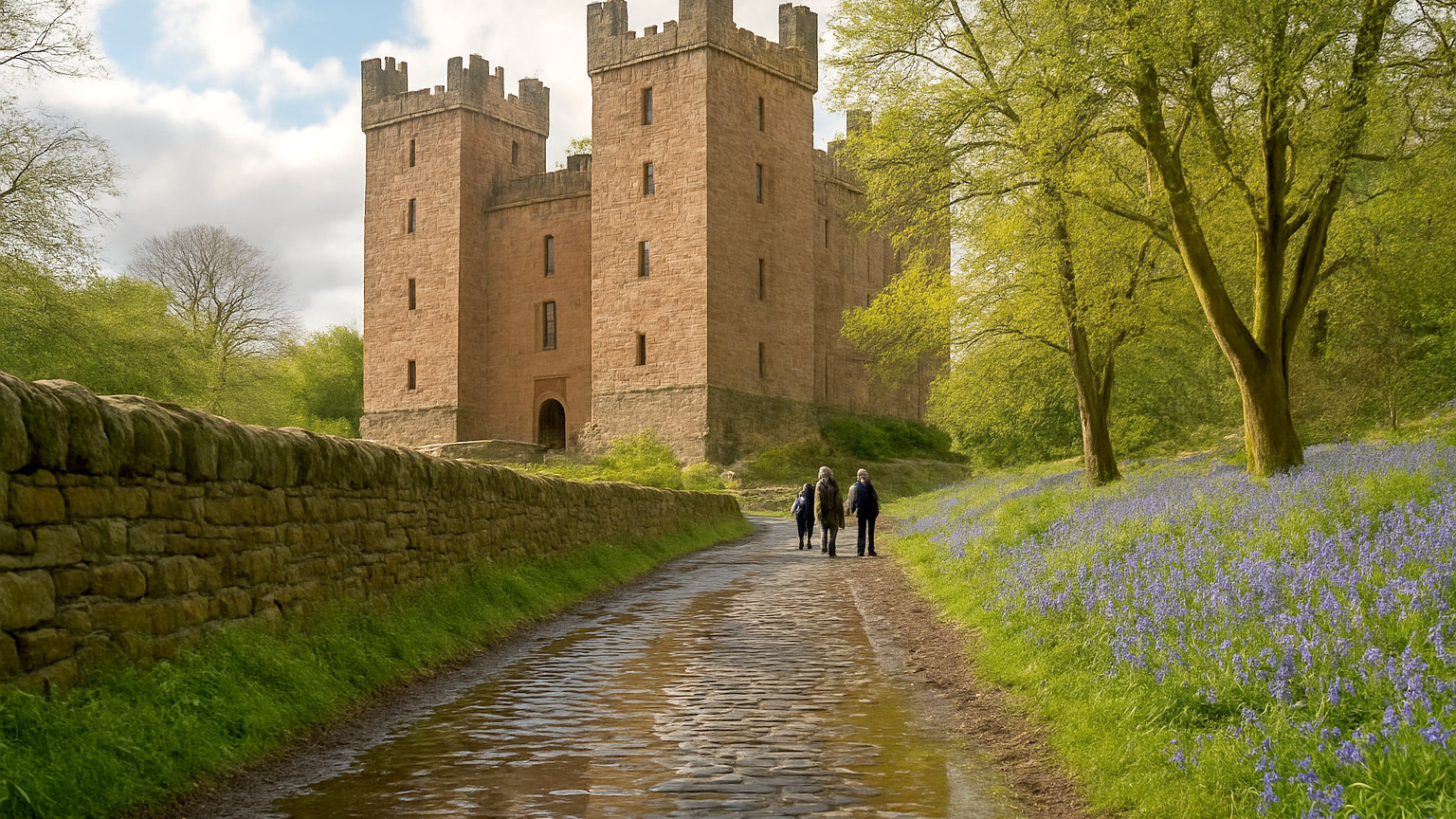
Sleeping in a castle is one of those ideas that sounds better than it sometimes is, and the range of what is offered under that description is wide. Some are genuine medieval fortresses; a good many are Victorian houses built to look like castles; a few are neither and simply have the word in the name.
What kinds are there?
Genuine historic castles converted to hotels, usually with the accommodation in later wings rather than the medieval core. Baronial and Victorian mock castles, built in the nineteenth century for wealthy owners and often more comfortable.
Tower houses in Scotland and Ireland let as whole properties. And conservation charity lettings in genuine historic buildings, which are self catering rather than hotels.
What is the experience actually like?
Grand public rooms, log fires, a great deal of tartan or oak panelling, and bedrooms that vary enormously within the same building. The best rooms are memorable; the cheapest are frequently small former servants' quarters at the top of a stair.
Expect thick walls, uneven floors, occasional draughts and plumbing that reflects the building's age. That is part of it rather than a fault.
Where are they concentrated?
Scotland above all, where the tower house tradition left hundreds of suitable buildings and a good number have become hotels. Perthshire, Aberdeenshire, the Borders and Argyll all have several.
In England, Northumberland, Cumbria and the Welsh Marches. In Wales, the north and the border. Northern Ireland has a small number on the Antrim coast and inland.
What should you check before booking?
Which room you are getting and where it is, since castle hotels have the widest room variation of any hotel type. Ask whether it is in the original building or a modern extension, and whether it has a view.
Also whether there is a lift, since a room up three flights of spiral stairs with luggage is a genuine consideration.
Are they noisy?
Can be, particularly at weekends. Many castle hotels host weddings, which is a substantial part of their business, and a wedding party in the great hall below your room changes the evening considerably.
Ask when booking whether an event is scheduled. Reputable places will tell you and offer a quieter room.
What do they cost?
Generally at the higher end, reflecting the maintenance burden of a listed building and the setting. Midweek and off season rates are substantially lower, and dinner inclusive packages usually represent better value than room only.
Winter is the natural season for them, when fires are lit and the building makes sense, and it is also the cheapest.
What about self catering castles?
An underrated option. Several conservation organisations let genuine historic buildings including towers, gatehouses and small castles, furnished simply and without hotel service.
For a group they are frequently better value per head than a hotel, and staying alone in a historic building overnight is a different experience from having staff downstairs.
Who do they suit?
Occasions rather than ordinary trips: anniversaries, birthdays, family gatherings and Christmas. Groups taking a whole property, where the shared space justifies the cost.
They suit poorly anyone who needs modern hotel consistency, anyone with mobility difficulties unless the property specifically caters for it, and anyone hoping for a quiet weekend during wedding season.
Is it worth it once?
For most people, yes. Walking into a hall with a fire and a stone stair, and waking up looking over a loch or a park, is genuinely different from a hotel room, and it is the kind of stay people remember for years.
Book off season, midweek, in a room you have asked about specifically, and the experience usually justifies the premium.
What should you do while you are there?
Use the grounds and the public rooms, which is what you are paying for and what guests most often ignore in favour of the bedroom. Many castle hotels have walled gardens, woodland and loch or river frontage included in the stay. Afternoon in the grounds, a drink by the fire before dinner and a walk in the morning is the shape that makes the premium worthwhile, rather than arriving late and leaving after breakfast.