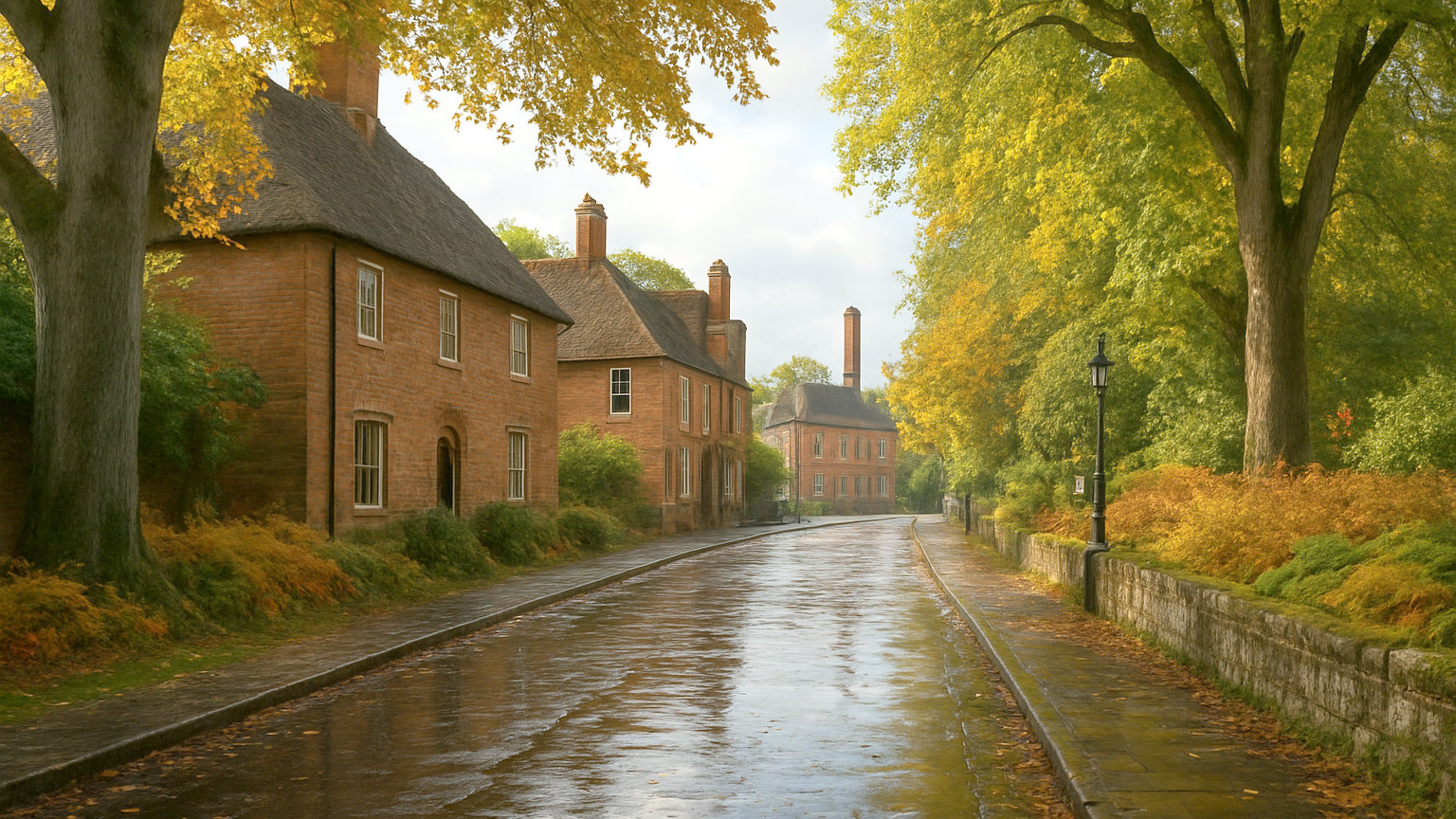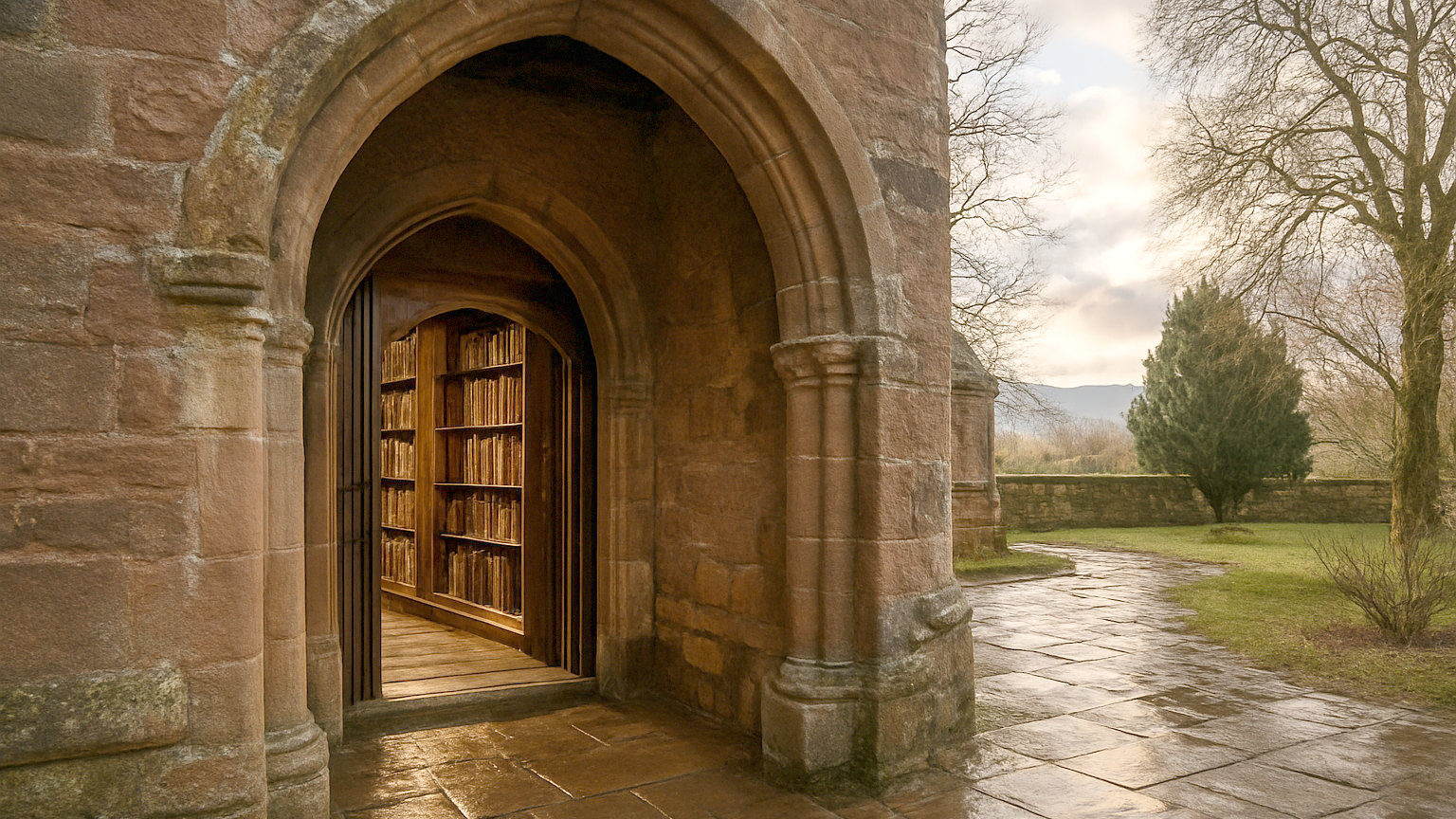
Britain has a number of towns where the medieval street pattern and a substantial proportion of the buildings survive largely intact. In almost every case the reason is economic: they were prosperous enough to build well and then poor enough afterwards that nobody knocked it down.
Which is the most complete?
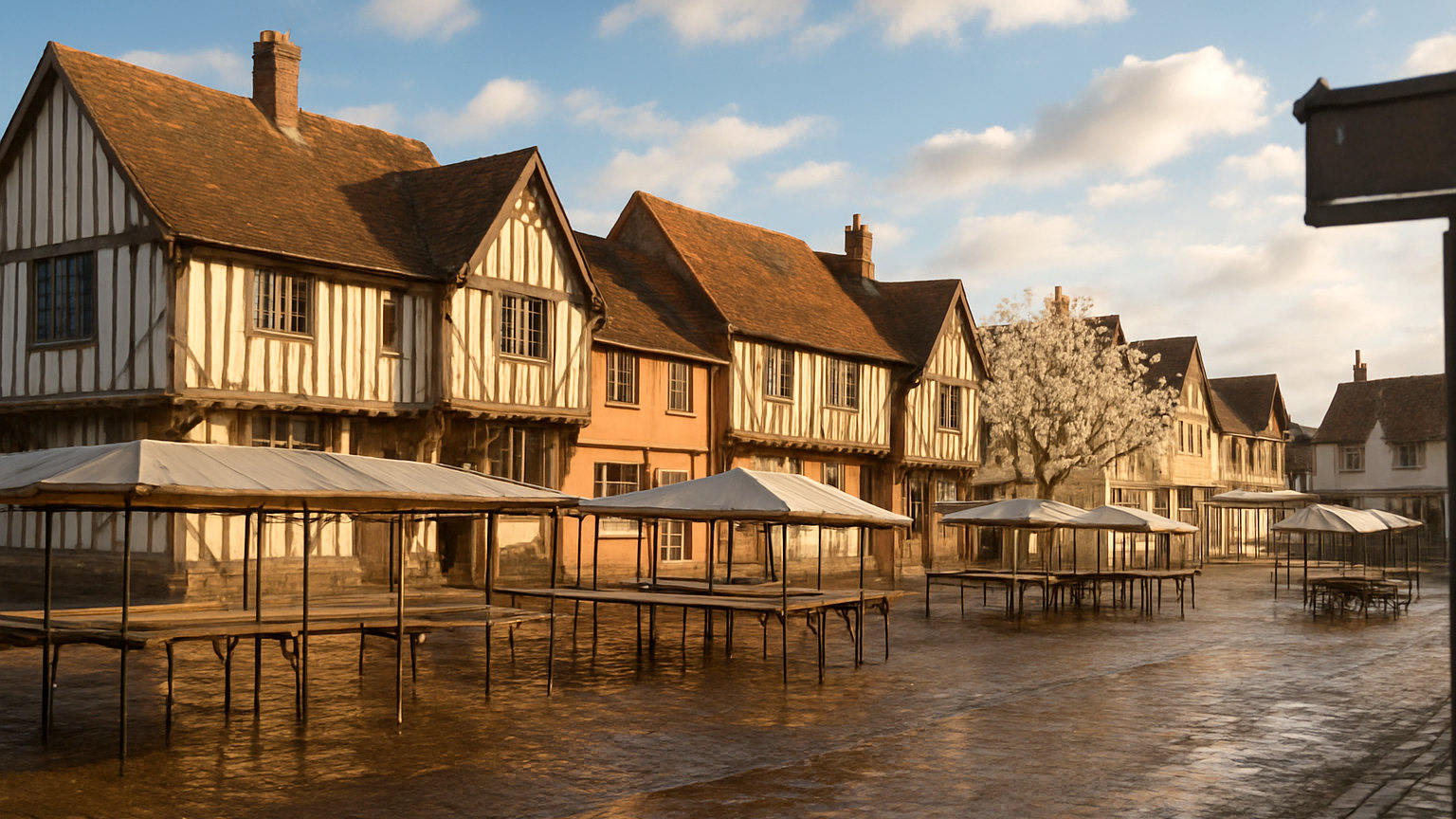
Lavenham in Suffolk, a wool town that was among the wealthiest places in England in the fifteenth century and then declined sharply. The result is a village of timber framed buildings, many visibly leaning, with an enormous church funded by cloth money.
It is small enough to walk in an hour and among the most complete medieval streetscapes in the country.
What about the larger towns?
York, where the medieval plan survives inside a near complete circuit of walls, with the Shambles as the best known street and a good many narrower ones behind it.
Chester, with its unique Rows, two levels of shopping galleries built into the buildings, plus complete walls and a Roman amphitheatre. Shrewsbury, inside a loop of the Severn, with several hundred listed buildings and narrow passages called shuts.
Which are the walled towns?
York and Chester have the most complete circuits in England. Berwick upon Tweed has Elizabethan artillery ramparts rather than medieval walls, walkable in full.
Conwy in Wales retains its town walls attached to the castle, forming a single defensive system, and Caernarfon likewise. Derry in Northern Ireland has the only completely intact walls in Ireland.
What are the Suffolk wool towns?
A group that grew rich on the cloth trade and stopped growing when it collapsed. Lavenham, Long Melford, Clare, Kersey and Bildeston all show the same pattern of oversized churches and timber buildings in modest settlements.
The churches are the giveaway. A village of a few hundred people with a church the size of a cathedral is a wool town, and the Cotswolds show the same effect in stone rather than timber.
Why did some survive and others not?
Poverty and bypassing. Towns that stayed prosperous rebuilt repeatedly, so their medieval fabric disappeared under Georgian and Victorian replacement. Towns that declined had no money to rebuild.
Wartime bombing removed a great deal in the larger cities, and post war redevelopment removed more. The survivors are frequently places the railway missed and the twentieth century largely ignored.
What should you look for?
Jettied upper floors overhanging the street, which gained space and shed rainwater. Timber framing patterns, which vary regionally: close studding in the east, square panels in the west midlands.
Burgage plots, the long narrow strips running back from the street frontage, still visible in property boundaries and alleyways. Market crosses, guildhalls and the position of the church relative to the market.
Which are best in Scotland and Wales?
Culross in Fife, a remarkably preserved burgh of the sixteenth and seventeenth centuries in the care of the National Trust for Scotland, and much used for filming.
Stirling's old town below the castle. In Wales, Conwy and Tenby, both walled, and Ruthin with its timber framed square.
When should you visit?
Early morning, which is the only reliable way to photograph the famous streets without crowds. The Shambles in York at eight is a different place from the Shambles at noon.
Winter suits them, with fewer visitors and low light on the timber. Several run Christmas markets, which fill the streets and are either the attraction or the reason to choose another date.
How should you see them?
On foot and slowly, looking upwards. The ground floors of medieval buildings are almost always modernised shopfronts, and everything of interest is above head height.
Guided walks in York, Chester and Shrewsbury are cheap and consistently good, and they take you into the passages and courtyards that visitors otherwise walk straight past.
Which are quietest?
The smaller ones. Lavenham, Clare and Kersey in Suffolk, Culross in Fife and Ruthin in north Wales all receive a fraction of the visitors that York and Chester absorb, and in several cases the fabric is more complete. A weekday morning in a Suffolk wool town is close to having the fifteenth century to yourself, which no amount of interpretation at a major site quite matches.