Visitor pressure at British heritage sites is concentrated in a remarkably narrow window. The same castle that queues at noon on a Saturday in August is close to empty at four on a Tuesday in October, and the difference costs nothing except a willingness to shift the plan.
When do the crowds actually arrive?
Between roughly half past ten and half past three, driven by coach tours and day visitors who leave in time to reach somewhere for the evening. Before and after that window, most sites are quiet.
This pattern holds almost everywhere and is the single most useful thing to know. Arriving at opening or in the final ninety minutes transforms a visit.
Which days are quietest?
Tuesdays, Wednesdays and Thursdays outside school holidays. Weekends are consistently busiest, and bank holiday Mondays are the peak of the year at most sites.
Mondays and Fridays sit in between, with Fridays busier as weekend visitors arrive.
Which months should you target?
Late September to early November, and March to early May. Everything is open, the weather is workable and the crowds are a fraction of summer.
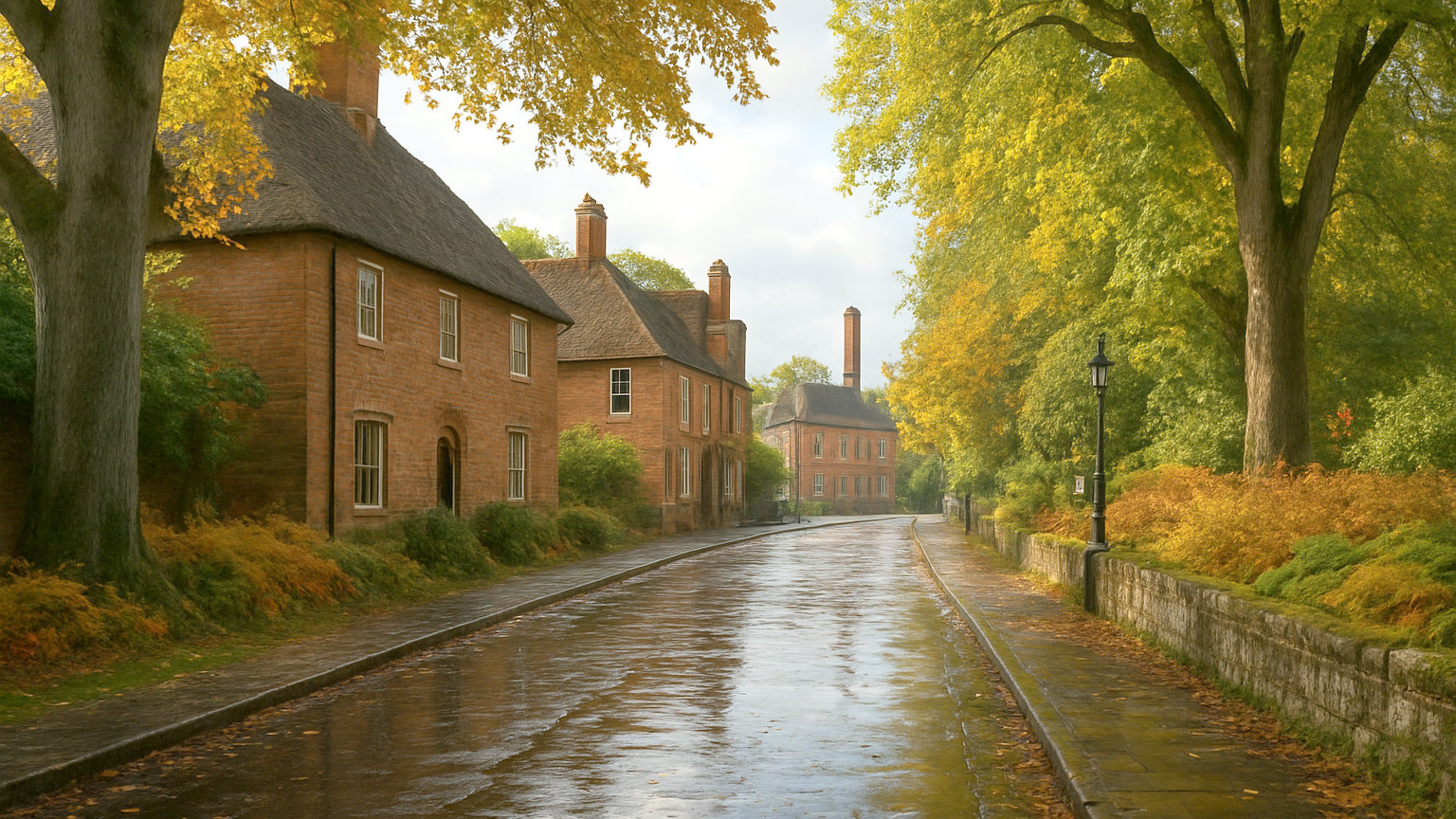
Winter is quieter still at sites that stay open, and ruins in particular are at their best under low sun with bare trees.
How much does weather change it?
Considerably, and in both directions. Outdoor sites empty in rain while indoor ones fill, so a wet day is the right time for a castle with substantial ruins and the wrong time for a country house.
A poor forecast published two days ahead suppresses visits even if the day turns out fine, which is worth exploiting.
Which famous sites have quiet alternatives?
Stonehenge has Avebury, which is larger, free and walkable among the stones. The Roman Baths in Bath queue while Chedworth Villa and Fishbourne Palace do not.
Bodiam and Leeds Castle are busy; Scotney, Saltwood and Pevensey are not. In Wales, Conwy and Caernarfon draw the crowds while Caerphilly, Kidwelly and Raglan are far quieter and equally substantial.
Does booking help or hinder?
Timed entry spreads arrivals and reduces queueing at the gate, but it also fixes your slot. Booking the earliest available slot on a weekday is the best of both.
Where booking is not required, the flexibility to arrive at eight in the evening at an unstaffed ruin is worth more than any managed system.
What about the free unstaffed sites?
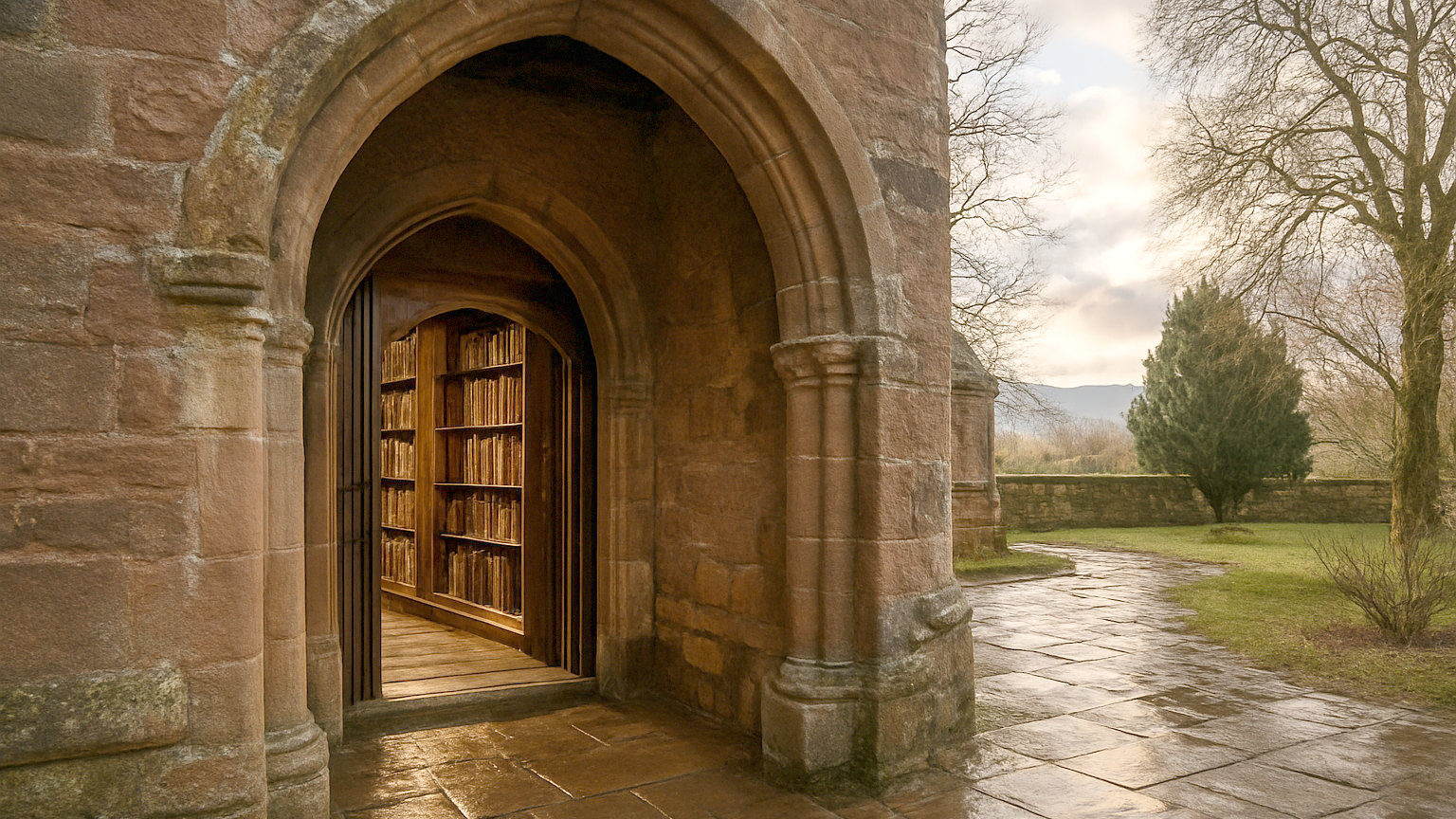
These are the answer for anyone who genuinely dislikes crowds. Hundreds of ruins across Britain are open at any reasonable hour with no ticket, no staff and frequently no other visitors at all.
They lack facilities and interpretation, which is exactly why they stay empty. For an hour with a ruin to yourself they are unmatched.
Does membership change the calculation?
Usefully, yes. Members can visit for an hour without feeling they must extract value from a ticket, which makes early morning and late afternoon visits far more appealing.
Several organisations also offer member only opening or early access at certain properties, which is worth checking.
What is the single best combination?
A weekday in October, arriving at opening, at a site twenty miles from the famous one. That produces a heritage visit almost nobody else is having, at a lower price and in better light.
The sites are not less good for being less visited. They are simply less signposted from the motorway.
Does it matter which entrance you use?
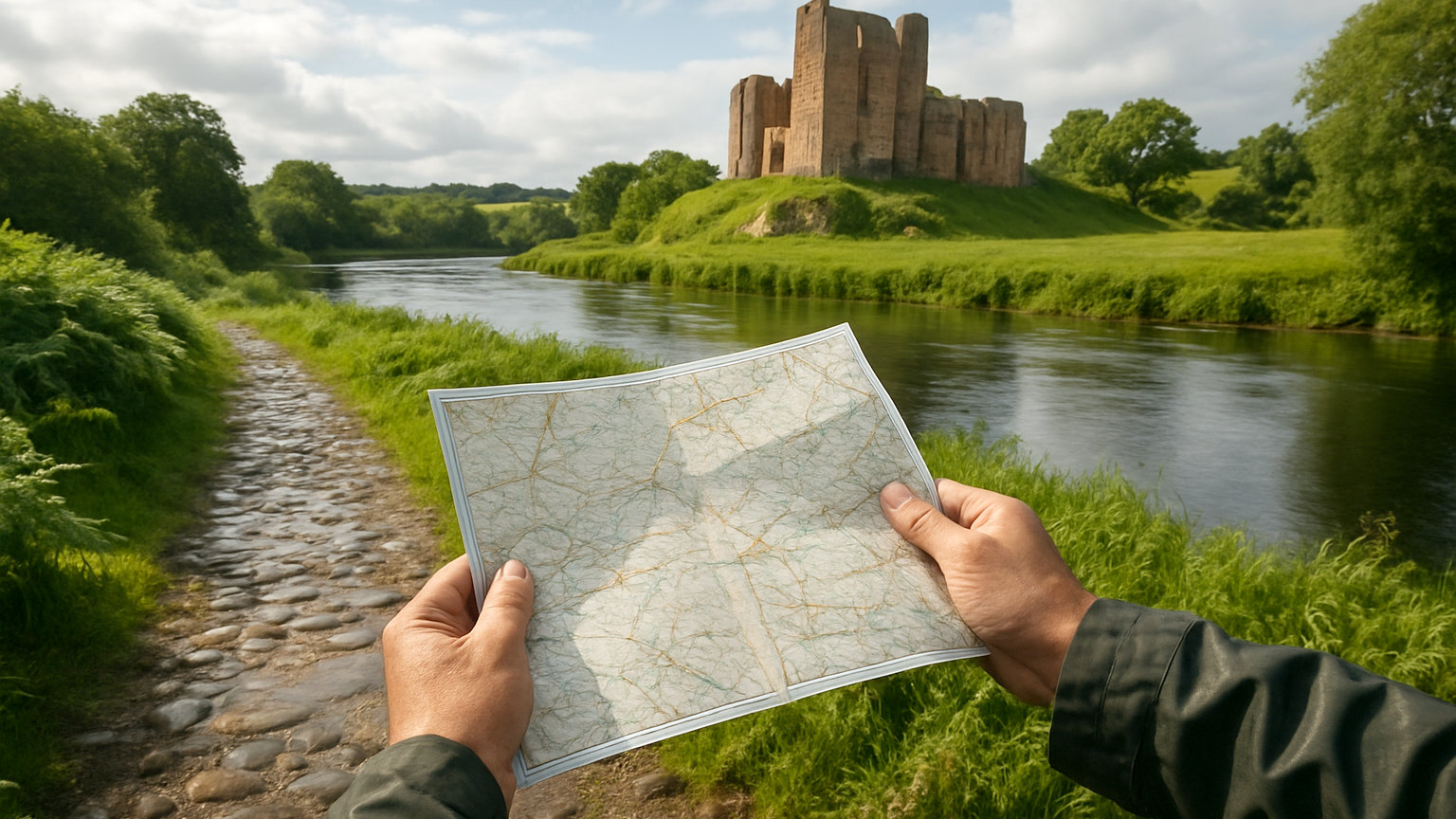
At larger sites, sometimes considerably. Several properties have more than one car park and entrance, and the one signposted from the main road fills first while a secondary entrance stays quiet. Sites with extensive grounds frequently have a pedestrian gate from a nearby village that visitors never use. Checking the site map before arriving occasionally saves a queue and almost always saves a walk.
One last thought: consider going twice rather than once. A short early visit followed by a return the next morning, which membership makes free, is often more rewarding than a single long visit fighting through the middle of the day, and it costs only the second journey.