Buckinghamshire runs from the edge of London up through the Chilterns to open country in the north, and holds an unusually varied set of things to see: a wartime codebreaking site, a French style chateau, one of the great landscape gardens and a planned city from the 1960s.
What is Bletchley Park?
The country house and huts where German ciphers were broken during the Second World War, work that remained secret for decades and is now recognised as decisive.
The huts are preserved and interpreted, the machines are explained clearly, and the site takes most of a day. A separate computing museum next door holds a rebuilt Colossus.
What is Waddesdon Manor?
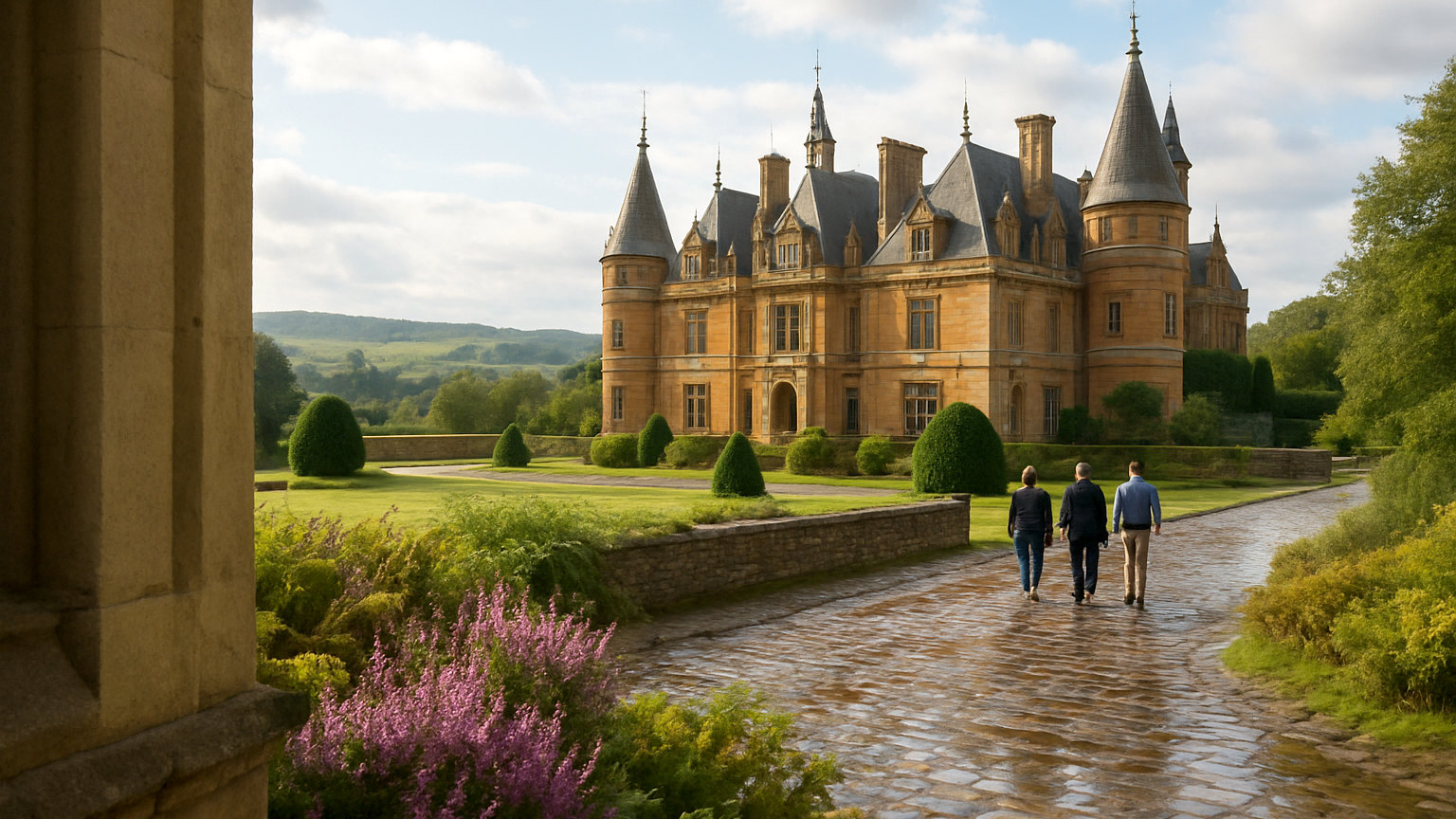
A house built in the 1870s in the style of a French chateau by a member of the Rothschild family, to display an enormous collection of French decorative art.
The gardens, aviary and a substantial wine cellar are part of the visit, and the whole thing is startling in the middle of Buckinghamshire farmland.
What is at Stowe?
One of the most important landscape gardens in Europe, laid out in the eighteenth century with temples, monuments and carefully composed views, now cared for by a conservation charity.
The house is a school and opens on a limited basis. The gardens are the reason to go and need several hours.
Where are the Chilterns?
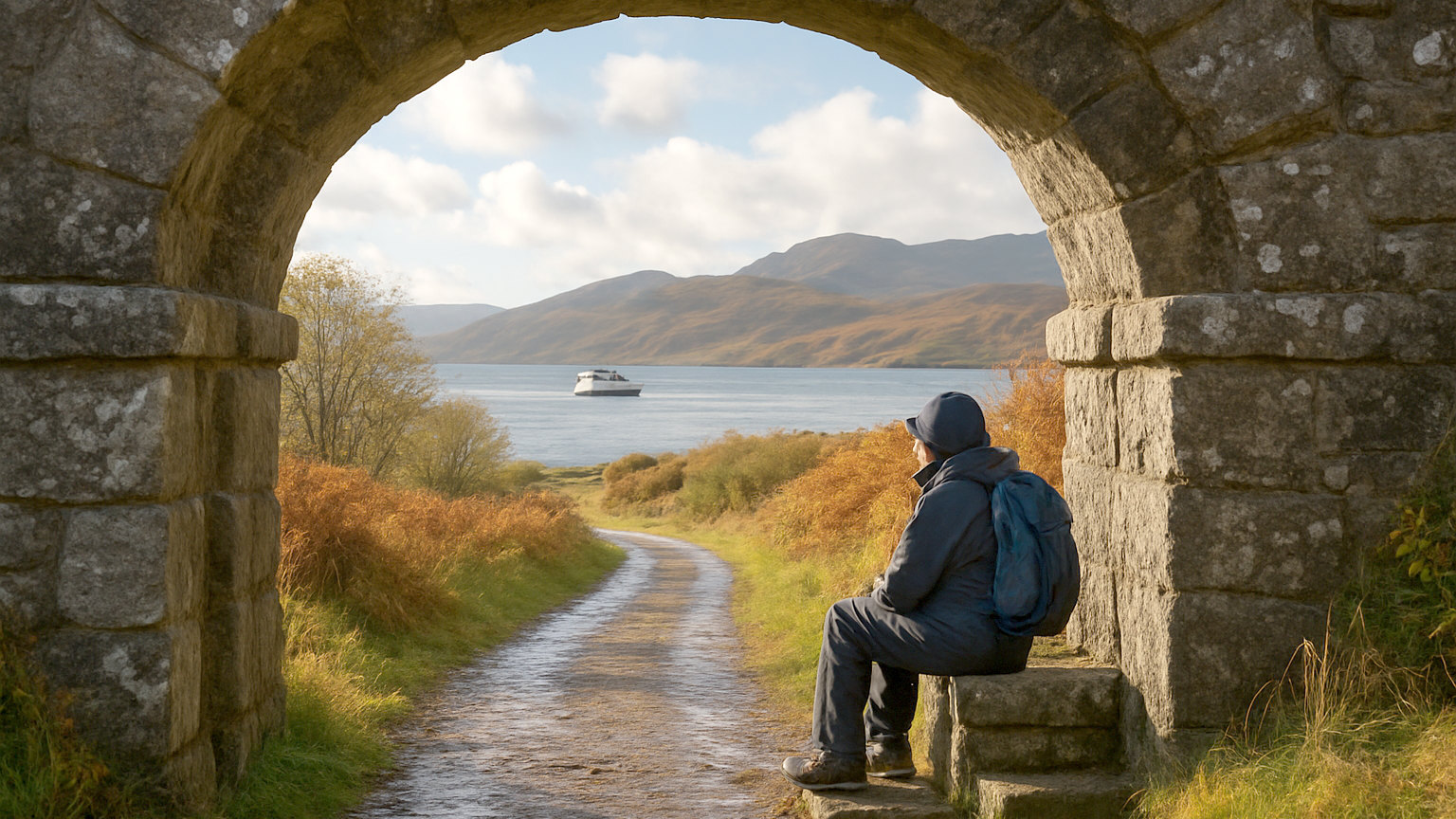
Along the southern half of the county, with beech woods, dry valleys and brick and flint villages, and the escarpment giving views across the vale.
Turville, Fingest, Hambleden and West Wycombe are the villages to aim for, and the Ridgeway runs along the top.
Where should you stay for the Chilterns?
Marlow or Great Missenden for towns with services, or one of the villages if you want a pub in walking distance.
Marlow sits on the Thames with a suspension bridge, a weir and a good number of restaurants, and is the most appealing base in the county.
What is Milton Keynes?
A city designed from scratch in the 1960s on a grid of roads, with more trees and green space than its reputation suggests and an unusual amount of public art.
It is a serious piece of planning history rather than a joke, and the concrete cows in a field there are a genuine local landmark.
What is at Hughenden?
The country house of Benjamin Disraeli, prime minister and novelist, preserved with his library and possessions, and used during the war for secret map making.
Both stories are told, and the estate has woodland walks around it.
Is it a good base for London?
Yes. The Metropolitan line reaches Amersham and Chesham, Chiltern Railways run to Marylebone from several towns, and Milton Keynes is half an hour from Euston.
The Chiltern line stations in particular give walking country and a fast train from the same platform.
What else is worth seeing?
Cliveden, a house above the Thames with formal gardens and a substantial history, and the Chiltern Open Air Museum with rescued buildings re erected.
Olney in the north, where a pancake race has been run since the fifteenth century, and Claydon House.
What should you check?
Bletchley Park and Waddesdon both need most of a day and both benefit from booking, particularly in school holidays.
Stowe closes parts of the garden for events and the house has limited opening tied to the school calendar.
When should you go?
Late April and May for bluebells in the beech woods, and late October for the beech turning, which is the best in England.
The main attractions are indoors or all weather, which makes the county a sound choice in poor conditions.
What about the north of the county?
Beyond the Chilterns the land flattens into farming country with small towns at Buckingham, Winslow and Olney, and considerably lower prices than the south. Stowe and Claydon are both here, and the Grand Union canal runs through. It is quiet, cheap and almost entirely ignored by visitors, who stop at the hills.