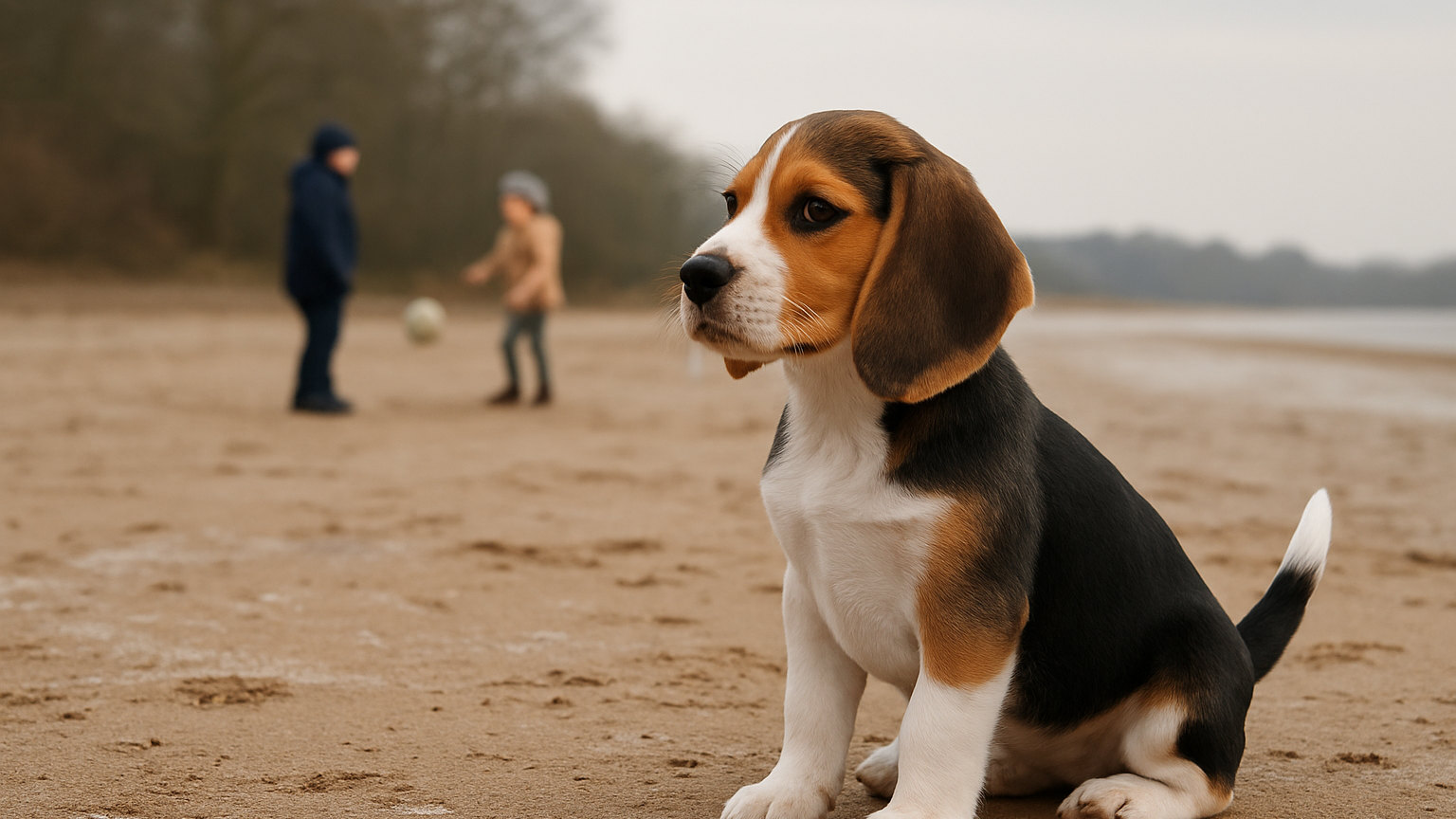
Britain is among the better countries in which to travel with a dog, with a large proportion of self catering properties, inns and pubs accepting them. The term dog friendly, however, covers everything from complete freedom of the house to one small dog confined to the kitchen.
What does dog friendly actually mean?
It varies so widely that it needs checking every time. At the generous end, dogs are welcome throughout the property, in the garden and in the bar. At the restrictive end, one dog is permitted in one room and must not be left alone.
Ask what the specific rules are rather than relying on the label.
What should you check first?
Whether the dog may be left unattended in the property, which determines whether you can eat out in the evening or visit anywhere that does not admit dogs.
A great many properties prohibit this entirely, and discovering it on arrival substantially constrains the week.
What else matters?
Whether the garden is enclosed and how securely, which is the most common gap between description and reality. Ask about the height of fences and whether gates latch.
Whether livestock graze adjacent, since a dog in a field of sheep is a serious matter. What the surface is between the door and the parking, since a muddy track means a permanently wet dog.
What do the charges look like?
Usually a fee per dog per stay, sometimes per night, and occasionally a limit on numbers or size. Some properties charge nothing.
Check whether it appears in the quoted total or is added later, and confirm the number of dogs permitted rather than assuming two is acceptable.
Which accommodation types are best?
Self catering, overwhelmingly, since you have the property to yourself. Inns and pubs with rooms, which are frequently the most welcoming of all and often allow dogs in the bar.
Hotels are the most restrictive, with a limited number of designated rooms if any. Hostels and bunkhouses vary and several accept dogs on sole use bookings.
What about the surrounding area?
Worth checking as carefully as the property. Beaches with seasonal dog restrictions, typically from spring to early autumn, catch people out. Farmland with livestock requires leads.
Look for somewhere with a walk from the door that does not cross grazing land, which makes the first and last walk of the day considerably easier.
Which pubs and attractions accept dogs?
Most pubs, in the bar at least, and a growing number of cafes. Outdoor attractions, country parks, castle grounds and many heritage estates.
Almost no museums, galleries, cathedrals or historic interiors, which admit assistance dogs only. This is the main constraint on a day out and worth planning around.
What should you take?
A bed or blanket the dog already uses, which settles them in an unfamiliar room. Towels for drying. Enough food, since rural shops may not stock a particular brand.
A long lead, waste bags, and the details of a vet near where you are staying, which takes a minute to look up and matters if it is needed.
What is expected of you?
Not allowing dogs on beds or furniture unless permitted, cleaning up thoroughly, and not leaving a dog to bark in an unfamiliar property. Most restrictions exist because of guests who did these things.
Telling the owner honestly about the dog's size and temperament is also worth doing, since a property that would not suit is better known in advance.
Where is best for a dog holiday?
Northumberland, Galloway, mid Wales, the Yorkshire Dales and much of Scotland, where beaches are largely unrestricted, footpaths are plentiful and accommodation is used to dogs.
Autumn to spring is the best season, since beach restrictions lift, cooler weather suits dogs better and accommodation is cheaper.
What about travelling to get there?
Dogs travel free on all national rail services in Britain, up to two per passenger, on a lead or in a carrier, which is unusually generous by international standards. Coaches are more restrictive and generally accept assistance dogs only. In a car, dogs must be suitably restrained, and on a long journey plan stops, water and shade, since a parked car heats dangerously fast.