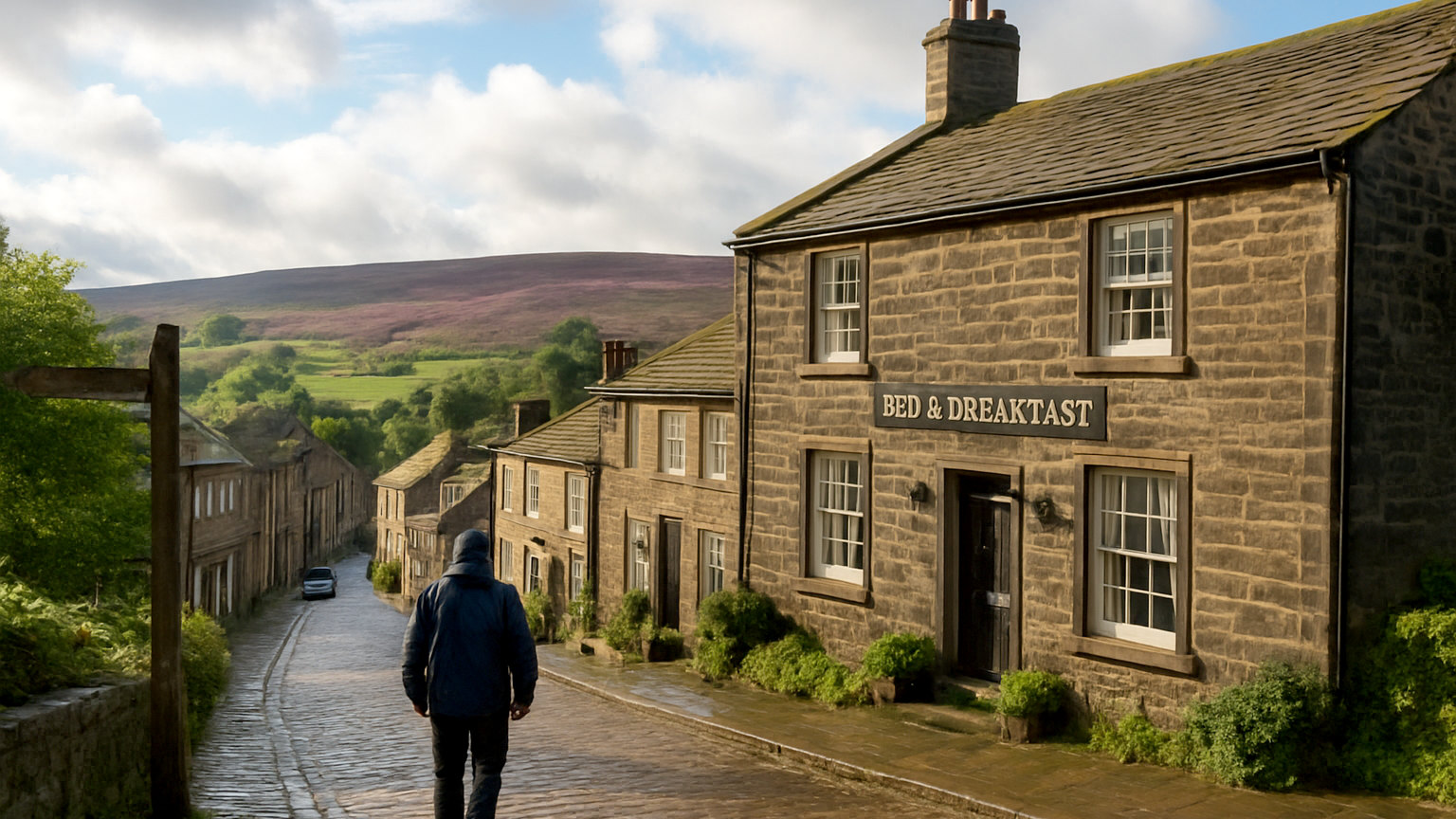
The bed and breakfast is a distinctively British form of accommodation and one that visitors from countries where it does not exist frequently find puzzling. It is somebody's house, with a few rooms let out and breakfast cooked in the morning, and at its best it is considerably better than a hotel at the same price.
What are the rooms like?
Ordinary bedrooms in a house, almost always with a private bathroom now, though a small number still offer shared facilities and should say so clearly.
Expect a kettle with tea and coffee, a hairdryer and, in older properties, uneven floors and low ceilings. Rooms are generally larger than a budget hotel and less standardised.
What is breakfast actually like?
Cooked to order and substantial. A full breakfast typically includes bacon, sausage, egg, tomato, mushroom, beans and toast, with regional additions such as black pudding in the north or a tattie scone in Scotland.
Continental options, porridge, kippers and vegetarian versions are standard. You are usually asked the night before what you want and what time you would like it.
What is the etiquette?
You are in someone's home, which shapes everything. Tell them roughly what time you will arrive, since somebody has to be there to let you in. Say if your plans change.
Breakfast is at a set time or within a window rather than whenever you appear. Boots come off at the door, particularly at walker friendly places, and most have a rack for them.
How much interaction is there?
Variable and worth judging from reviews. Some hosts are sociable and will talk at length about the area, which is frequently the best local information available. Others leave you alone entirely.
Neither is wrong. If you want anonymity, a guest house or a small hotel suits better than a family home with three rooms.
What about arrival and keys?
Check in is usually late afternoon and by arrangement rather than at a desk. Many give you a key to the front door so you can come and go; some ask you to be in by a certain hour, which is worth clarifying.
Very few have anyone available in the middle of the day, so luggage storage before check in should be asked about rather than assumed.
Are they good value?
Frequently the best in rural Britain. A room and a substantial cooked breakfast for the price of a bare hotel room is the usual comparison, and the breakfast removes the need for lunch on a walking day.
They are also flexible about single nights, which self catering is not.
What about single travellers?
Better catered for than at hotels, since many have single rooms and several waive or reduce the single occupancy supplement. Solo guests are entirely normal.
Breakfast alone at a shared table is a common British experience and, depending on temperament, either sociable or the reason to eat quickly.
Are they suitable for families?
Some are and some quietly prefer not. Family rooms exist, though many properties have limited space and thin walls, and some do not accept children below a certain age.
Check specifically rather than assuming, and mention children when booking.
How do you find a good one?
Recent reviews mentioning the breakfast and the hosts, which are what actually distinguish them. Membership of a quality scheme or a walker friendly accreditation.
Booking direct is usually cheaper, since commission matters more to a three room business than to a chain, and it puts you in touch with the person who will be cooking your breakfast.
How do they differ around Britain?
Scottish breakfasts add square sausage, tattie scones and sometimes haggis. Welsh ones may include laverbread and cockles. Northern Irish breakfasts include soda and potato farls. The rooms and the hospitality are broadly similar throughout, but the plate in front of you tells you which country you woke up in, which is one of the pleasures of touring.