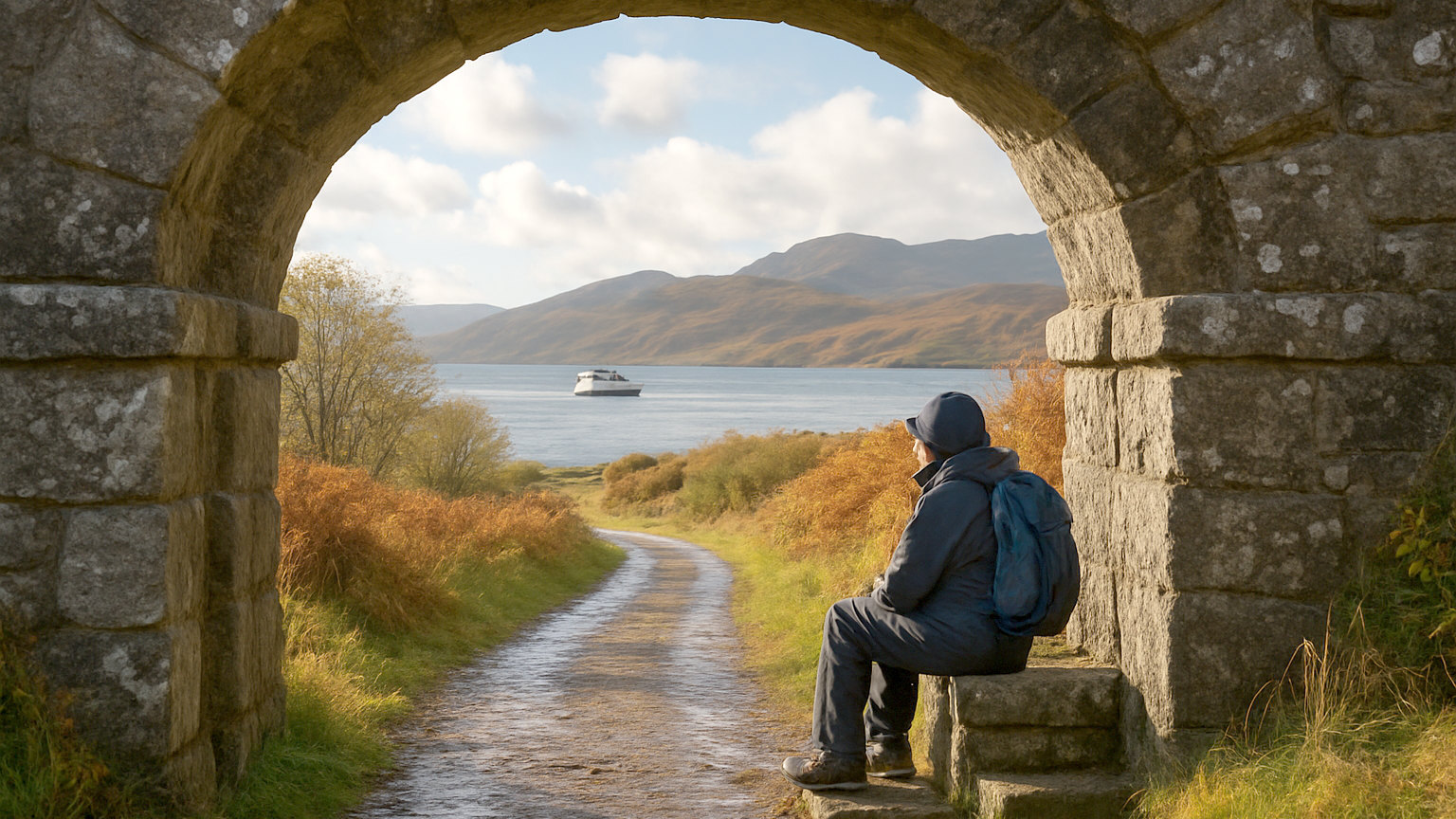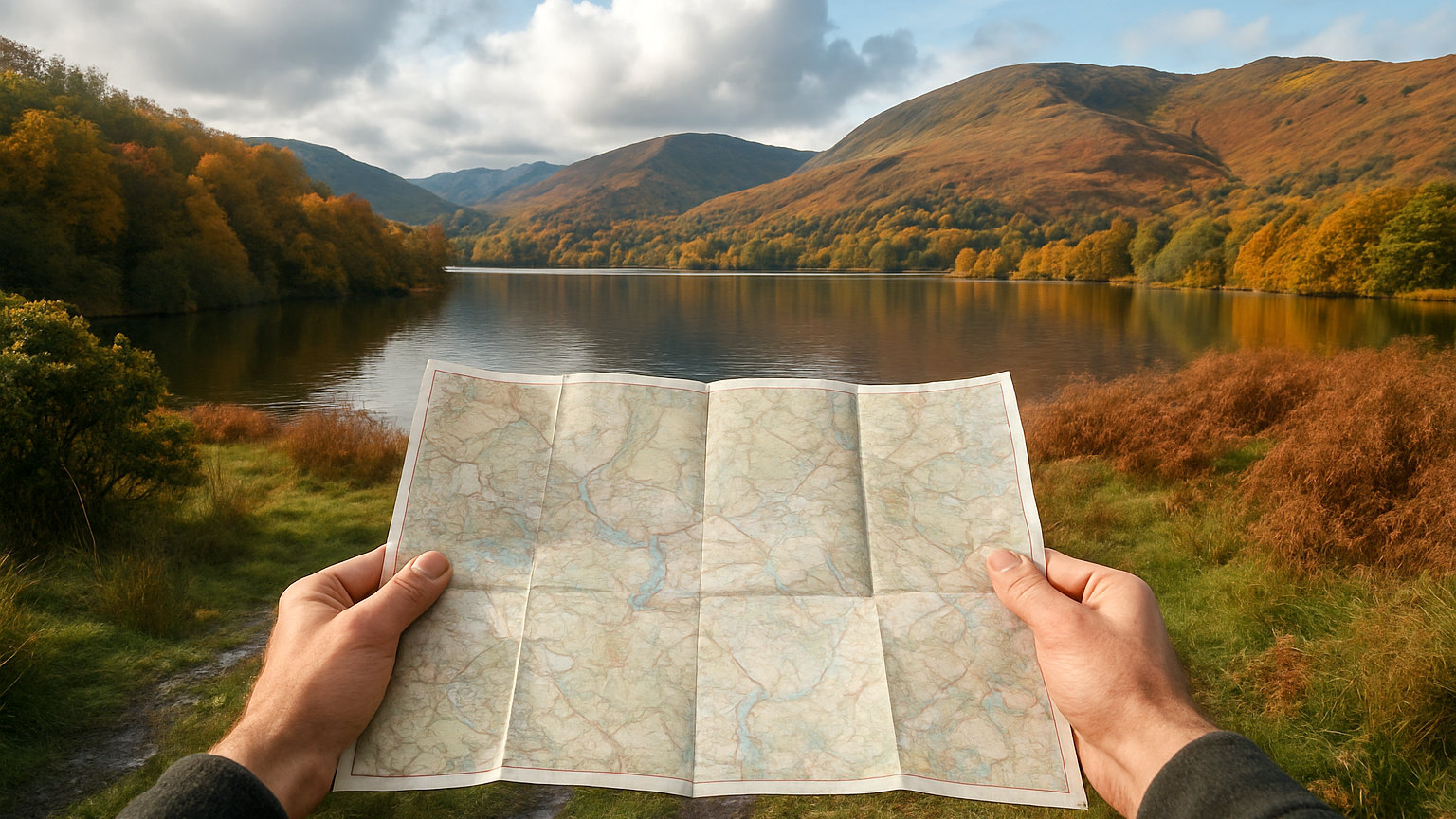
British weather changes several times within a day, which makes a single warm garment the wrong approach and layers the right one. Beyond that, the country has remarkably little in the way of dress code, which surprises visitors expecting formality.
What is the layering principle?
Three layers, each doing one job. A base layer against the skin to move moisture away, a mid layer for insulation, and an outer shell to keep wind and rain out.
You add and remove layers as conditions change rather than committing to one level of warmth. This is more effective than a single heavy coat and considerably more adaptable.
Why avoid cotton for anything active?
Because it absorbs water, holds it, and chills you as it evaporates. A cotton shirt or jeans soaked by rain or sweat stays wet for hours and actively removes heat.
Wool and synthetic fabrics both retain warmth when damp and dry far faster. This matters little for a city walk and enormously on a hill.
What should the outer layer be?
Genuinely waterproof with taped seams and an adjustable hood, rather than showerproof. Windproof matters almost as much, since wind is what makes British temperatures feel considerably colder than they are.
Waterproof trousers are worth carrying for anything outdoors beyond a town, and are the item people most often leave behind and most often regret.
What footwear works?
Comfortable shoes you can walk in for hours, which for city travel is the main requirement. Something with grip and preferably waterproof for anywhere rural, since paths are wet for most of the year.
Wellingtons are genuinely useful for muddy lowland walks and poor on rough ground. Walking boots for hills, trail shoes for firm paths.
How much dress code is there?
Very little. Pubs, restaurants, theatres and almost all attractions have no requirements at all. Smart casual at the upper end of hotels and restaurants means no sportswear and, occasionally, no jeans.
A small number of country house hotels and formal dining rooms still expect a jacket at dinner. Anywhere with such a rule states it, and nowhere else cares.
What do you need in each season?
Winter needs a warm mid layer, hat, gloves and a waterproof. Spring and autumn need the same, minus the heaviest layer. Summer still needs a jacket and a warm layer for evenings, which cool sharply.
Sun protection is needed in every month with sunshine, including overcast breezy days when nobody feels hot and people burn regardless.
What about the wind?
It is the defining feature of British weather more than rain, particularly on coasts and high ground. A windproof layer changes comfort more than an extra fleece.
Hoods that stay up in wind, and something to keep hair and hats attached, are worth more than they sound.
How should you dress for a city?
Comfortable walking shoes, layers you can shed indoors, and a compact umbrella, which works in towns where it does not on open ground.
Museums, pubs and shops are heated, so you will be carrying your coat for a good part of the day, which argues for something packable.
What about hot weather?
Increasingly relevant. Buildings here are designed to retain heat and very few have air conditioning, so a hot spell is uncomfortable indoors as well as out.
Light clothing, a hat, water and shade in the middle of the day. Heat arrives suddenly and passes quickly, so it is rarely worth packing for specifically.
What is the practical wardrobe?
A waterproof shell, one warm mid layer, base layers that are not cotton, comfortable walking shoes and something slightly smarter for an evening. That covers almost any British trip in any month.
Everything else is preference, and the country has no expectations beyond that you are dressed for the weather rather than the forecast you hoped for.
What about clothing for the hills?
The same principles apply with less tolerance for error. Cotton is genuinely unsafe on a mountain in bad weather, since wet cotton actively removes heat. A spare warm layer carried rather than worn, a hat and gloves in any month, and full waterproofs are the baseline. Conditions on a summit bear no relation to the valley, which is the single most common misjudgement.