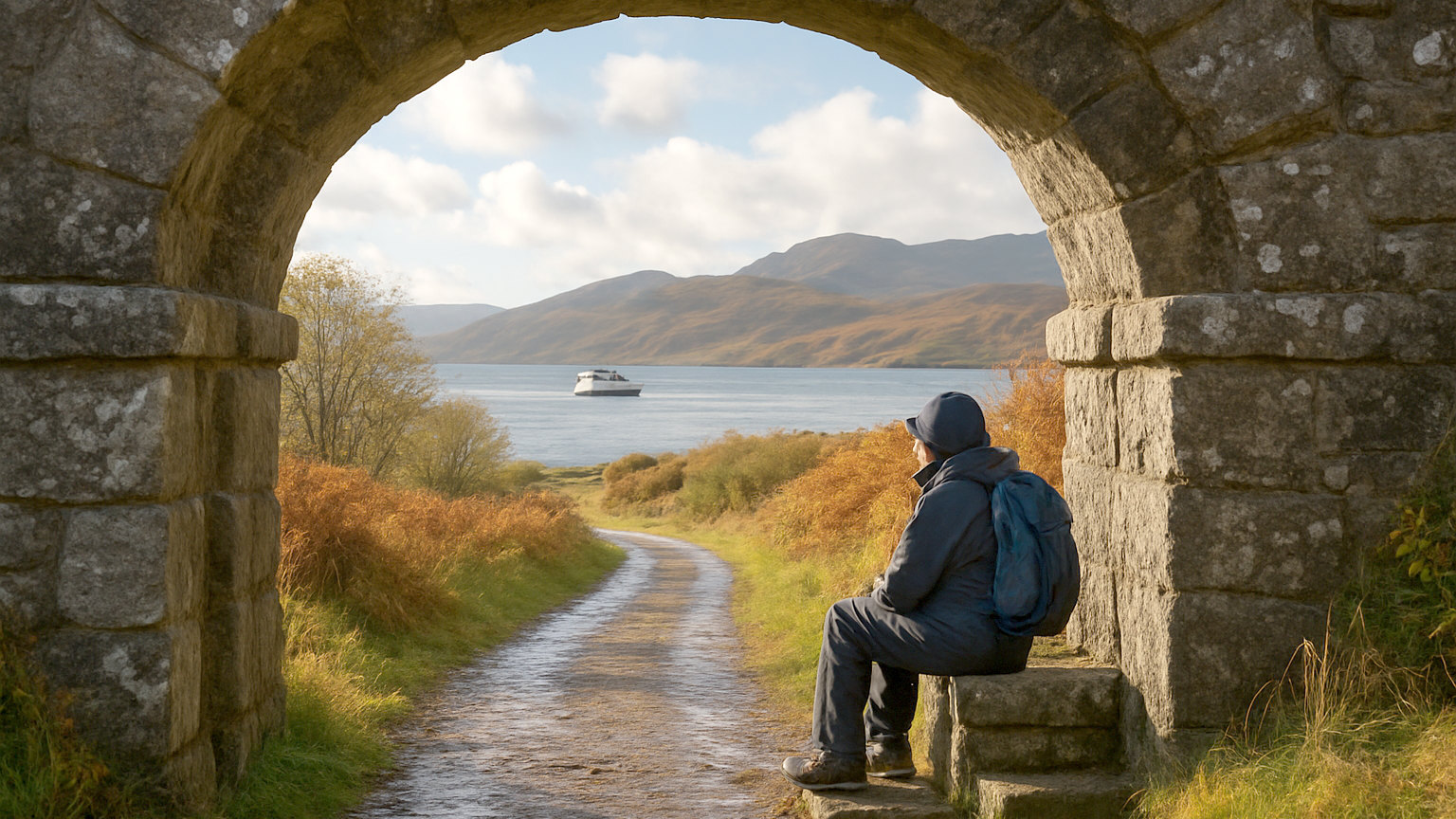
A fortnight requires almost the same luggage as a week, because the difference is entirely a matter of washing. Once you accept that clothes will be laundered midway, the packing problem becomes about coping with variable weather rather than counting days.
What actually takes up the space?
Shoes and outerwear, overwhelmingly. Two pairs of shoes and a bulky coat occupy more of a bag than a week of clothing, and reducing either has a disproportionate effect.
Wear the bulkiest items on the journey rather than packing them. That single decision typically halves the size of the bag.
How many clothes do you need?
Roughly four to six days of underwear and base layers, two or three tops that work together, two pairs of trousers, one warm layer, one waterproof shell and something slightly smarter for an evening.
That covers two weeks with one wash in the middle, and it covers most British weather because the layering does the adapting rather than additional garments.
What is a capsule approach?
Choosing items that all work with each other, in a limited palette, so any top goes with any trousers. It sounds fussy and it means every combination is usable, which reduces how much you need.
Avoid packing anything that only works with one other item, which is how single use garments accumulate.
Which fabrics help?
Wool, particularly merino, which resists odour, insulates when damp and can be worn several days between washes. Synthetics, which dry quickly.
Avoid cotton for anything you might sweat in or get wet, since it stays wet, weighs more and dries slowly, which on a long trip is a real disadvantage.
How do you do laundry?
Launderettes exist in most towns and are inexpensive. Self catering properties almost always have a washing machine, which is worth checking when booking a long trip.
Hostels have laundry facilities. Hotels charge heavily for laundry, and hand washing base layers in a sink is entirely practical for anyone travelling light, particularly with quick drying fabrics.
What should you not compromise on?
The waterproof shell and the footwear, which are the two things that determine whether the trip works in British conditions. Both are bulky and both earn their space.
Also anything medical, which cannot be improvised, and a charger for everything you carry.
What can you buy there rather than carry?
Toiletries, sun cream, painkillers, an umbrella and almost anything you forget. Britain has shops everywhere and nothing you need is unobtainable.
The exception is remote areas, where the nearest chemist may be a long drive, so anything essential should travel with you.
Do packing aids help?
Compression sacks and packing cubes do not reduce weight but make a bag considerably easier to live out of over a fortnight, since you can find things without unpacking.
A dry bag for anything that must stay dry is more useful in Britain than in most places.
One bag or two?
One that you can carry, plus a daypack. On a rail based trip you lift luggage onto racks, up station stairs and along platforms, and the practical limit is what you can manage yourself.
Wheeled cases are fine on pavements and awkward on cobbles, gravel and older stations, which describes a good deal of Britain.
What is the test?
Carry the packed bag up and down a flight of stairs at home. If that is unpleasant, it will be considerably worse at the end of a travel day, and something should come out.
Almost nobody returns from a trip wishing they had brought more, and almost everybody returns with something they never wore.
Does it differ by trip type?
Considerably. A city trip needs one pair of comfortable shoes and something for an evening. A walking trip needs boots, waterproofs and spare socks, which is heavier but no more numerous. A trip combining both needs the boots and one smarter option, which is the hardest to pack light for and where most people overpack by bringing a third set of everything.