Devon is the third largest county in England and holds two entirely separate coastlines and two national parks. The most common mistake is trying to cover all of it in a week, which produces a driving holiday rather than a Devon one.
What are the four parts?
The north coast, high and dramatic with big surf beaches. The south coast, gentler, with wooded estuaries and sheltered towns. Dartmoor in the middle, high and wild. Exmoor in the north east, greener and quieter.
They are genuinely different places, and moving between them takes longer than the map suggests.
How long does it take to cross?
North coast to south coast is around ninety minutes to two hours on ordinary roads, more in summer, and there is no fast route across the middle.
Plan on that being half a day once you have packed, moved and settled in.
What is the sensible structure?
Two bases for a week, three at most. Four nights in one and three in the other, chosen from opposite halves of the county.
South coast plus Dartmoor, or north coast plus Exmoor, are the two natural pairings and each works well.
What is on the south coast?
The South Hams, with Salcombe, Dartmouth, Totnes and a series of wooded estuaries, plus Torbay's resorts and the Jurassic Coast beginning at Seaton.
Exeter sits at the top of it and is the transport hub for the whole county.
What is on the north coast?
Big Atlantic beaches at Woolacombe, Croyde and Saunton, the harbour towns of Ilfracombe and Lynmouth, and the highest sea cliffs in England on the Exmoor stretch.
It is more exposed, better for surfing and considerably less developed than the south.
How do you fit in Dartmoor?
As a day or two from a south coast or Exeter base, since the eastern edge is half an hour from the city and the interior an hour.
Alternatively stay in a moor village such as Chagford or Widecombe for two nights, which gives evenings on the moor and is a different experience entirely.
When should you go?
May, June or September. July and August bring the worst congestion, with the main roads into the county queuing for hours on Saturdays.
September has the warmest sea, the schools back and prices dropped, which makes it the best week of the year.
What should you avoid?
Travelling in or out on a summer Saturday, when self catering changeovers put everyone on the road together.
Moving base more than twice, and assuming that a thirty mile journey takes thirty minutes, which on Devon lanes it does not.
Can you do it without a car?
Partly. The main line runs to Exeter, Plymouth and Newton Abbot with branches to Barnstaple, Exmouth, Paignton and Torquay.
Buses reach the moors and the coast in summer, and a car free week based in Exeter or Dartmouth is entirely feasible if slower.
What should you book ahead?
Accommodation for anything in summer, months in advance for the popular coastal towns. Restaurants in the smaller places, where the choice is finite.
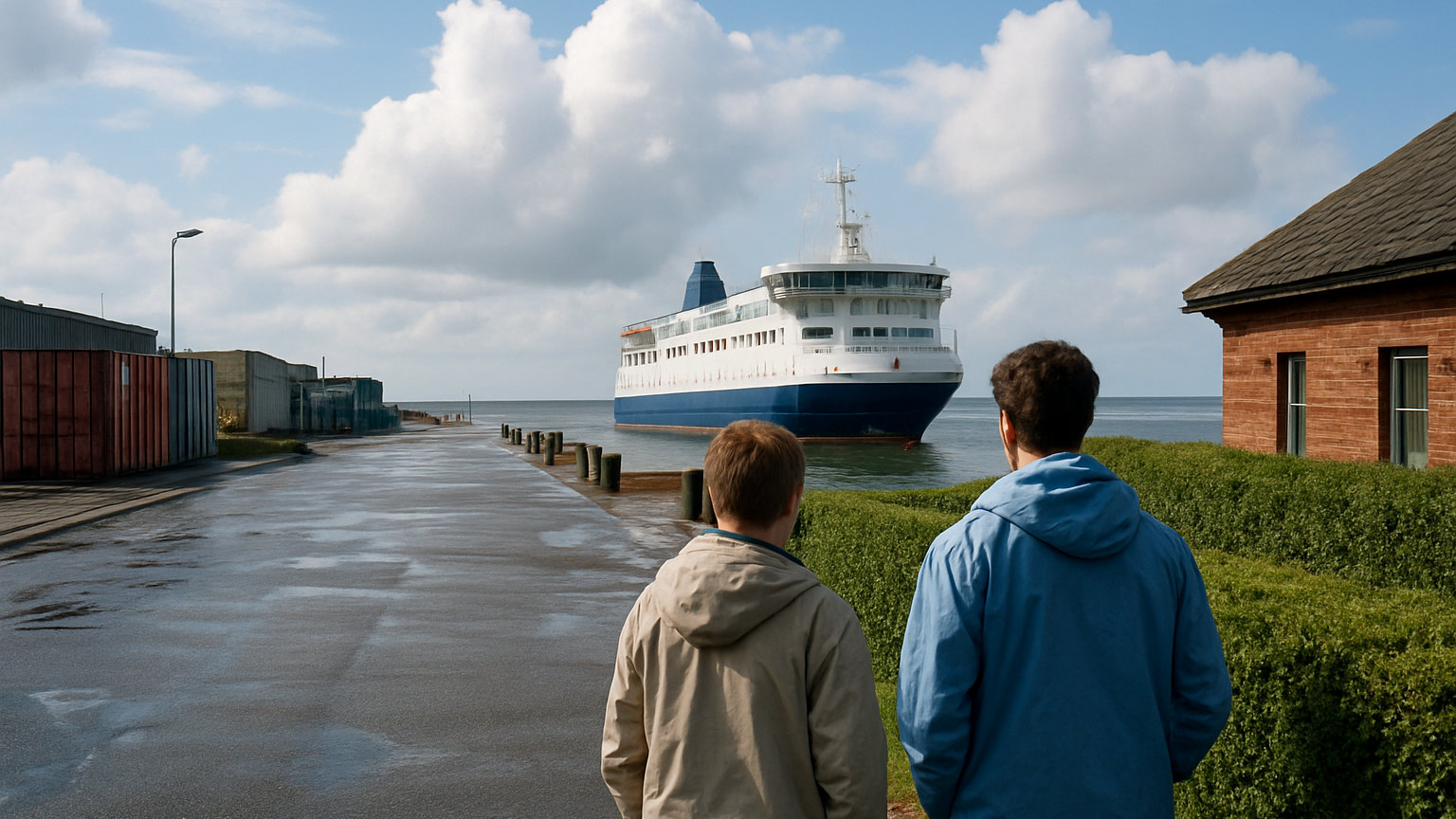
Ferries across the estuaries run frequently and need no booking, and are far better than driving round.
What is the best week?
Four nights in the South Hams and three on Dartmoor, in late September, with no more than one drive of over an hour.
That covers estuaries, beaches, moor and two or three towns without spending the week behind a windscreen.
What about the food?
Devon does cream teas, cider, seafood on both coasts and a substantial cheese industry. The order of jam and cream on a scone is a matter of genuine local feeling, with Devon putting cream first and Cornwall jam first, and both sides consider the other wrong. Farm shops and markets are the best source for produce.
One final note: the two coasts have very different sea conditions, with Atlantic surf and rip currents on the north and calmer sheltered water on the south, which is worth knowing if swimming with children.
One last thought: pick the coast that suits what you want. The north is for surf, cliffs and space; the south is for estuaries, sheltered water and towns. Trying to do justice to both in a week is the mistake almost everyone makes.