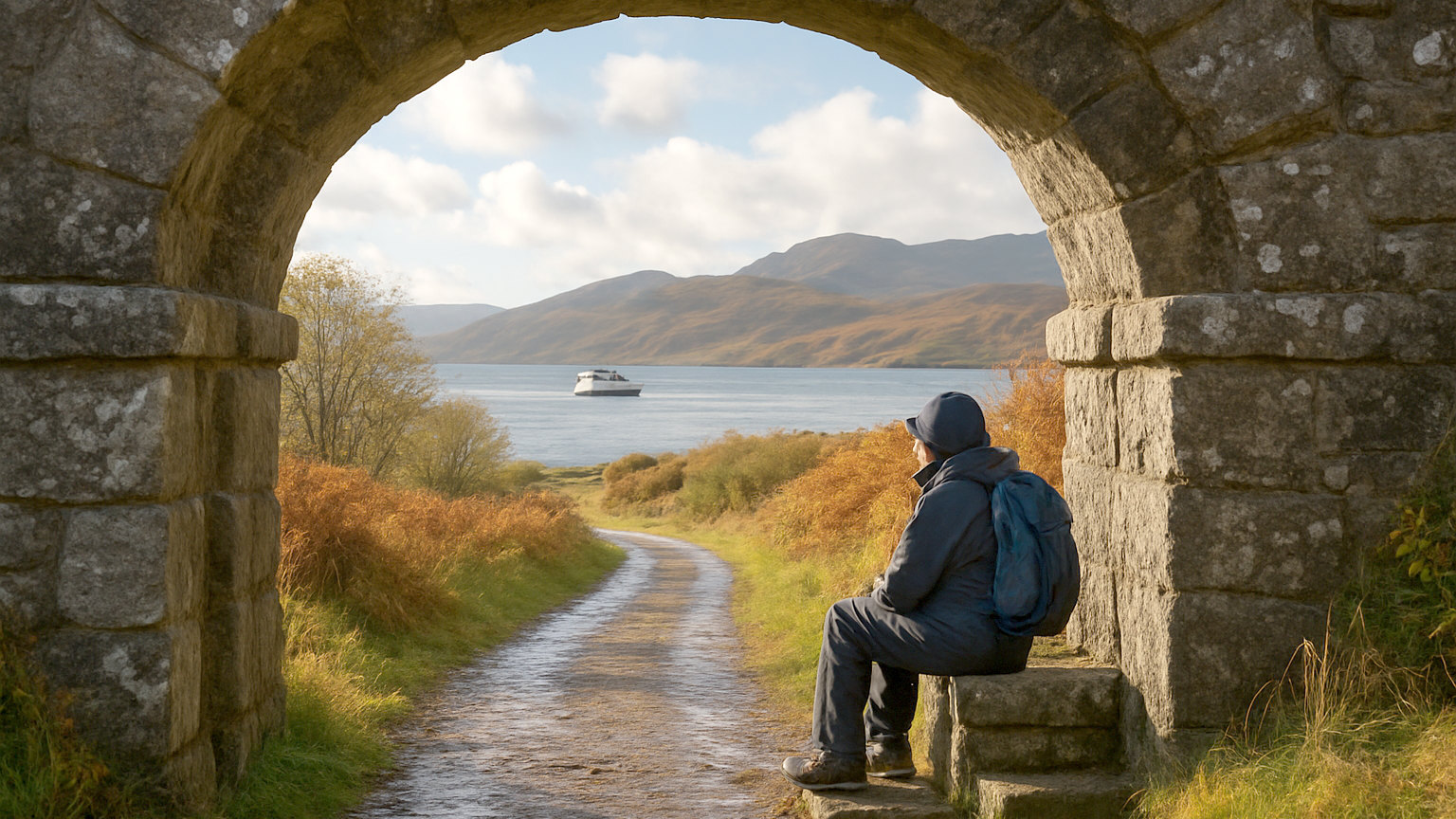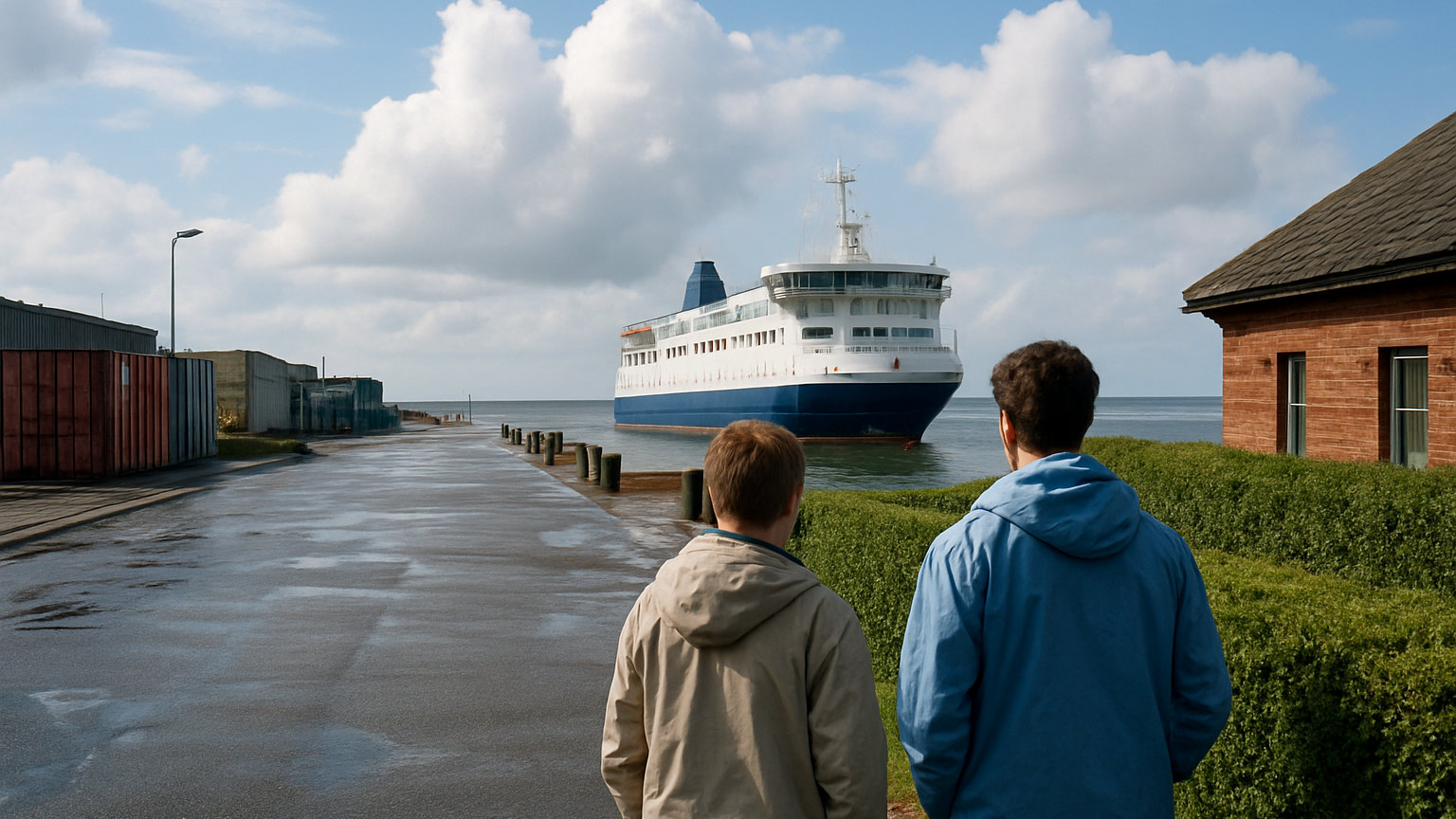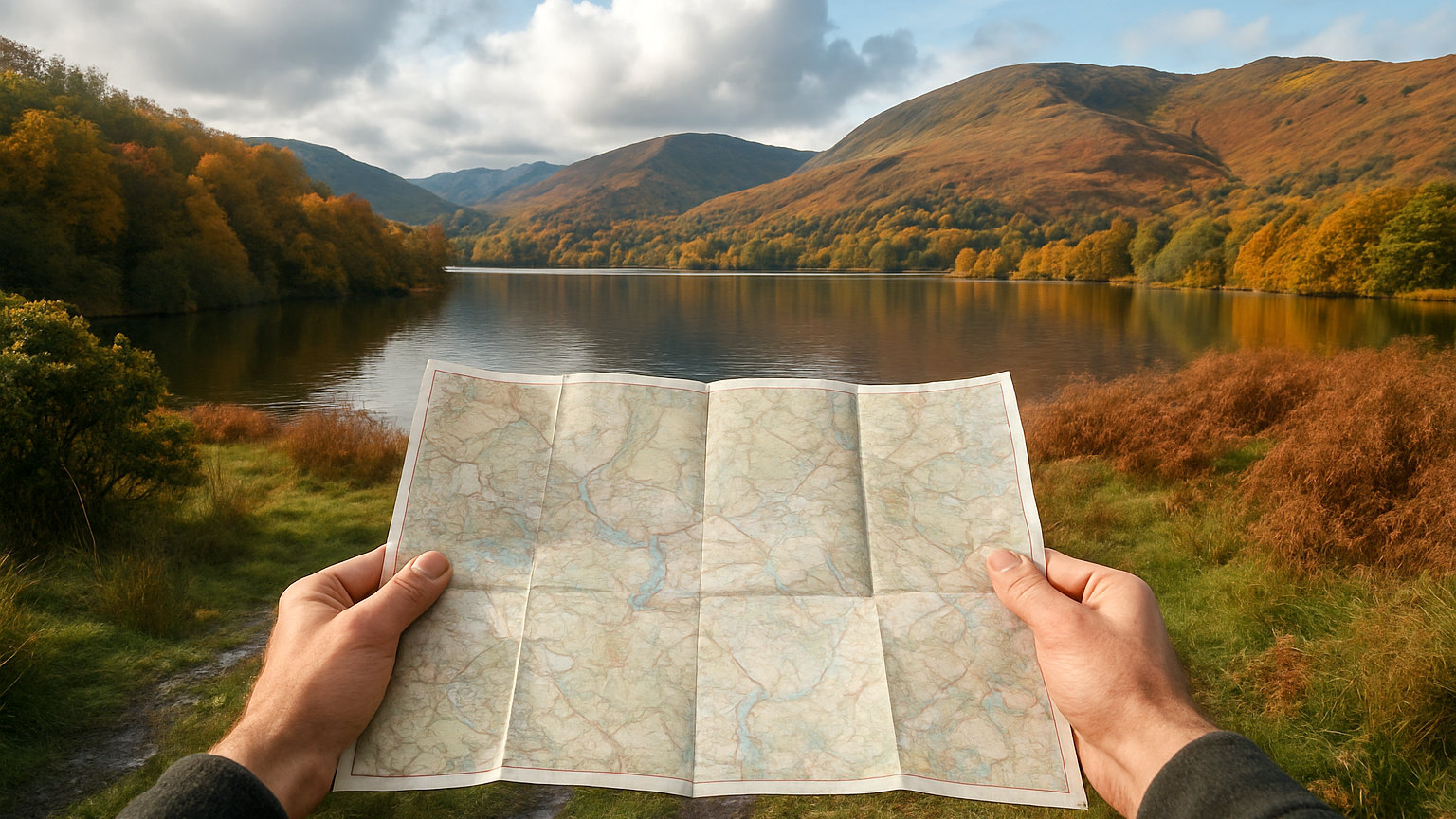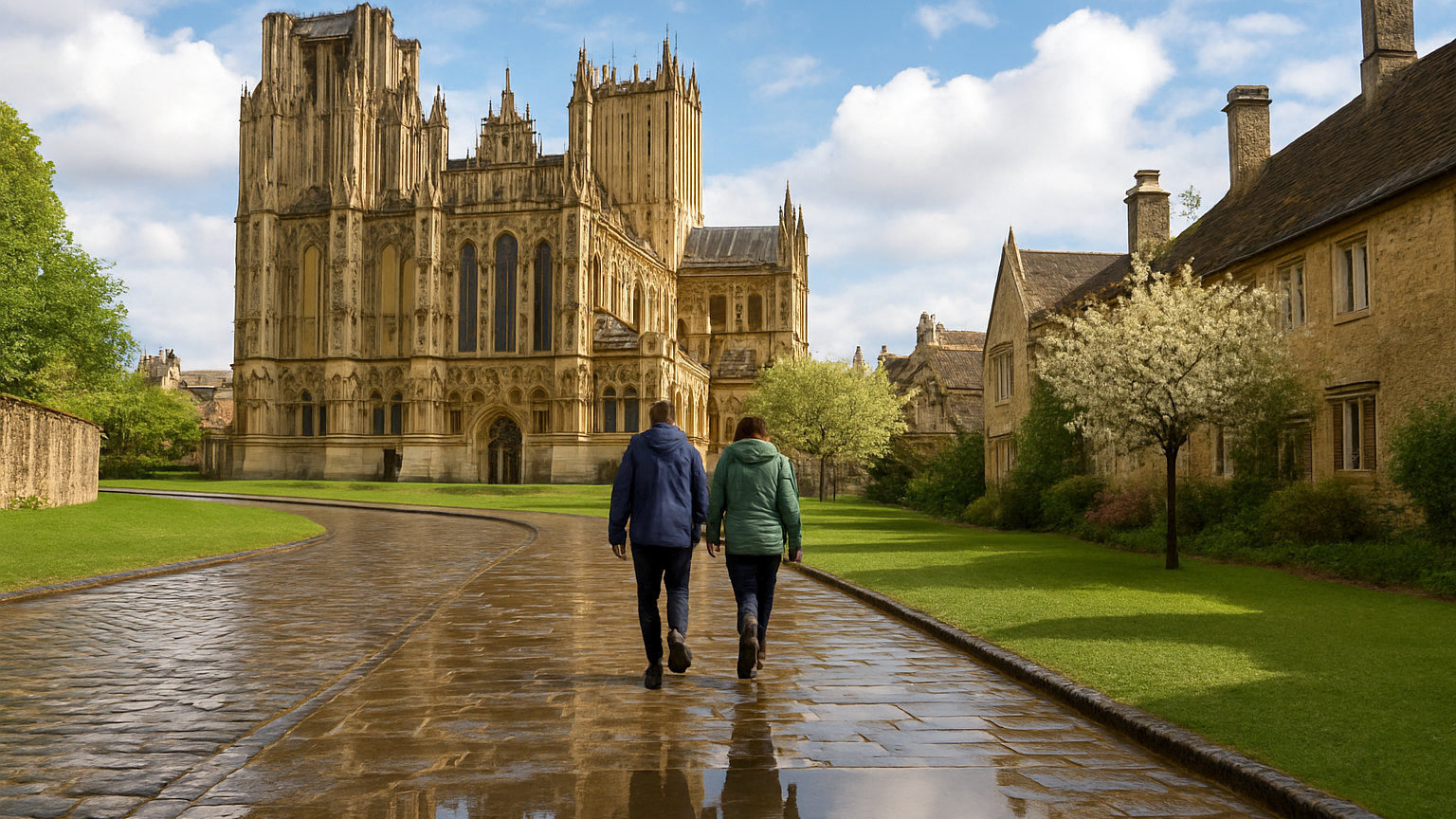
British weather cannot be forecast usefully more than a few days ahead, which means planning around it is a matter of structure rather than prediction. The trips that survive a poor week are the ones built with alternatives, not the ones that guessed correctly in January.
What can you actually predict?
Daylight hours, which are fixed and matter enormously. Seasonal averages, which tell you that the west is wetter than the east and that May and June are statistically driest.
Tides, which are published years ahead. Everything else beyond about three days is indicative rather than reliable.
How does the weather vary across the country?
Substantially. Prevailing weather arrives from the Atlantic and drops most of its rain on the western hills, so Cumbria, west Wales and the west Highlands are far wetter than Norfolk, Aberdeenshire or the Moray coast.
A poor forecast for one side of the country frequently does not apply to the other, which is the single most useful fact for planning.
How do you build flexibility in?
By choosing a base with both outdoor and indoor options within reach, and by leaving the daily plan open. Decide in the morning which the weather suits rather than committing weeks ahead.
Book accommodation and travel firmly; leave activities loose. That is the correct division.
What should you avoid booking far ahead?
Anything outdoors, weather dependent and non refundable. Boat trips, guided walks, outdoor activities and mountain days all fall into this category.
Where you must book ahead, choose an operator with a flexible cancellation policy or one that reschedules for weather, which most reputable ones do.
What are the reliable wet weather options?
Cities, which are built for it and hold free museums, covered markets, arcades and pubs. Heritage properties with indoor rooms rather than ruins.
Also coastal walking, which is dramatic in poor weather with the right clothing, and forest trails, which are sheltered by the canopy.
Which activities are genuinely weather dependent?
Mountain days, where poor visibility is a safety matter rather than an inconvenience. Cliff paths in high wind. Boat trips, which are cancelled outright. Anything requiring a view.
Everything else is a clothing problem. Britain has no bad weather for a walk in a valley, only inadequate waterproofs.
Which forecast should you use?
A location specific one rather than a regional one, checked on the morning rather than days ahead. For any mountain plan, a mountain specific forecast giving freezing level, cloud base and summit wind speed.
Wind speed is the figure that most often decides whether an exposed plan is sensible, and it appears nowhere in a general forecast.
Does the season change the approach?
Yes. In summer, long daylight means a wet morning can be waited out and the day still used. In winter, with seven or eight hours of light, a wet morning removes most of the day.
Winter trips therefore need firmer indoor plans and shorter outdoor ambitions.
Should you change the destination for the forecast?
Occasionally, and it is worth building a trip that allows it. If you are touring rather than staying put, moving east when a front comes in from the Atlantic genuinely works.
For a booked cottage, no. Plan the week around the property instead and accept whatever arrives.
What is the right attitude?
Assume at least one wet day per week and plan for it rather than hoping. Groups who arrive with an identified alternative take it in their stride; those who assumed sunshine spend the morning arguing.
British holidays are not ruined by rain. They are ruined by having made no provision for it.
What should you pack regardless?
A genuinely waterproof jacket rather than a showerproof one, waterproof trousers if you intend to walk, footwear that stays dry, and a warm layer in every month. Sun cream, which is needed on overcast breezy days when nobody feels hot. That short list converts most wet days from lost ones into ordinary ones and costs less than a single cancelled activity.