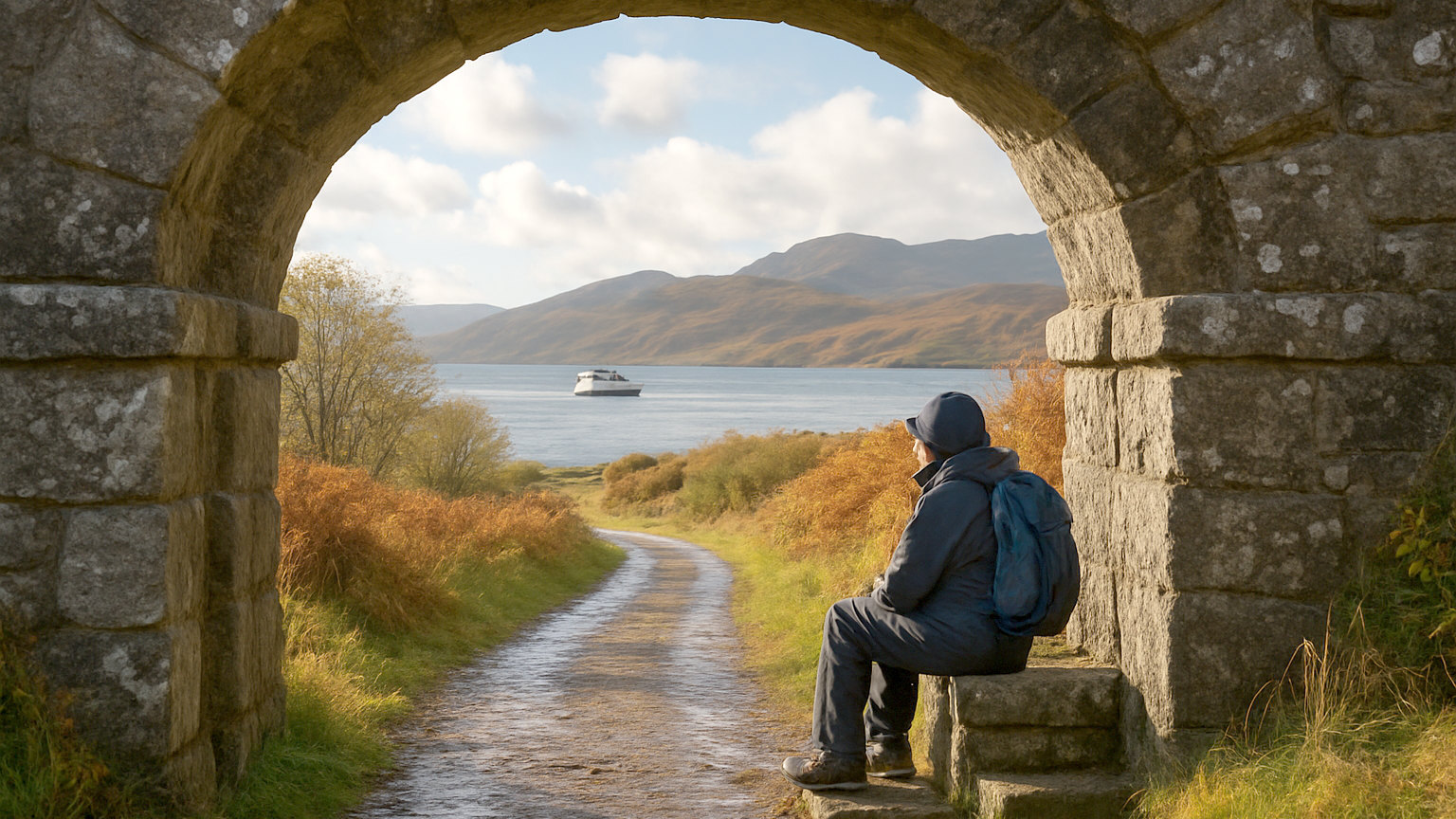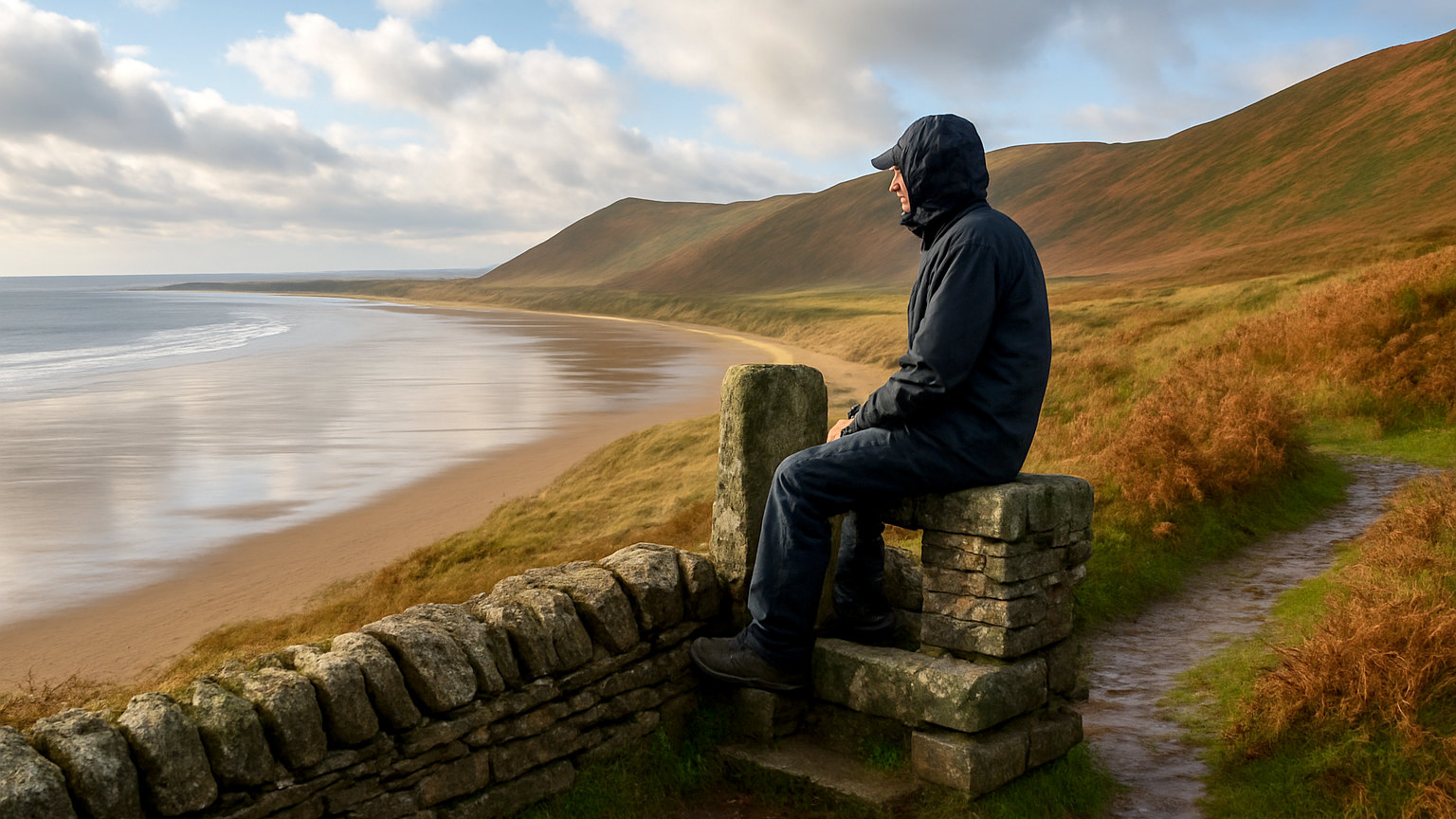
Retracing a route is the least productive part of any itinerary. A trip that returns along the road it came out on spends a day seeing nothing new, and with a little planning that day can almost always be recovered.
What is an open jaw trip?
Arriving at one point and departing from another rather than returning to the start. For flights it means booking two one way legs into different airports, which frequently costs no more than a return.
The same principle applies to rail, where two singles are increasingly priced the same as a return, and to car hire, though one way drop off fees can be substantial.
Which natural loops work in England?
The north, running from Manchester through the Peak District to York, the North York Moors and the coast, then back across the Pennines via the Dales or the Lakes.
The south west, taking the north Devon and Cornish coast one way and the south coast back, which is a genuine circuit with entirely different scenery each way.
What loops work in Scotland?
The Highlands from Inverness north and west through Sutherland and Assynt, down the west coast to Torridon and Skye, then back east through Glen Shiel and Loch Ness.
Alternatively Glasgow, Loch Lomond, Glencoe, Fort William, the Great Glen to Inverness and back south through the Cairngorms, which covers west and east without repetition.
What about Wales?
A north Wales loop taking in Eryri, the Llyn Peninsula and Anglesey, returning along the coast. A southern loop through the Brecon Beacons, Pembrokeshire and Carmarthenshire.
A full circuit of Wales is possible in ten days and involves the mid Wales coast, which most visitors never see and which is among the emptiest country in Britain.
Can you make a loop by rail?
Yes, and several work well. Edinburgh to Inverness on the Highland Main Line, west to Kyle of Lochalsh, south by bus and ferry to Mallaig, then the West Highland Line to Glasgow.
In England, London to Bristol, north through Wales or the Marches to Chester, across to York and back down the east coast.
What about coastal circuits?
Several regions allow a coastal loop with an inland return, including the Pembrokeshire coast with the Preseli Hills inland, and the Northumberland coast with the wall and the national park behind it.
These give sea and hills in one trip without covering the same ground twice.
What are the drawbacks?
One way car hire fees, which vary from modest to substantial and should be checked before planning a route around them. Flights into and out of different airports may not both suit your connections.
Loops also mean carrying luggage throughout rather than leaving a base, which for some travellers outweighs the saving.
When is a hub better than a loop?
When travelling by rail without a car, when travelling with children, and when the region is small enough that day trips reach everything.
Hub and spoke removes daily packing entirely, which over a week is worth more than the variety a loop provides.
How do you plan one?
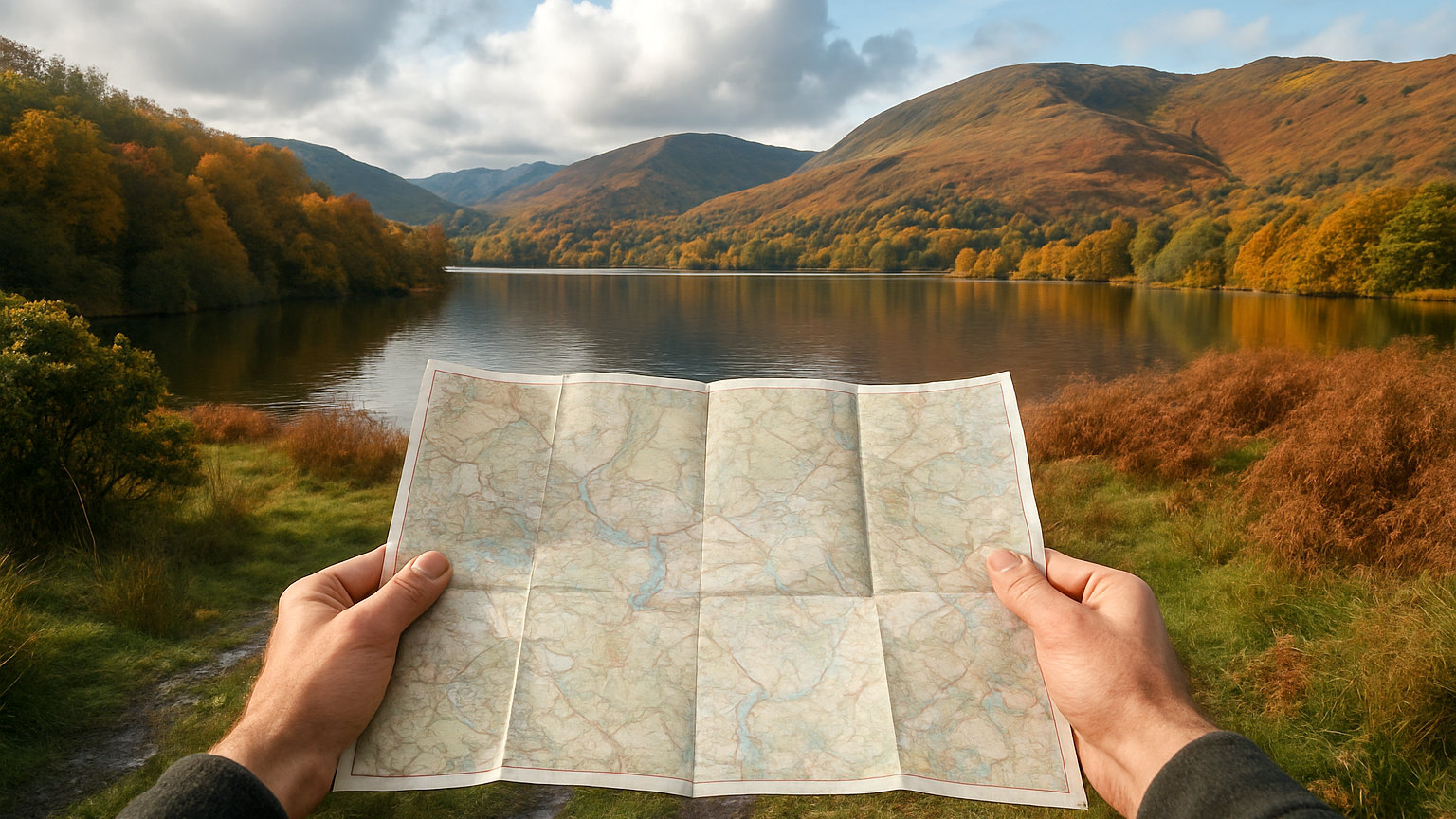
Draw the route before booking anything and check whether it crosses itself. If it does, either accept the repetition or reorder the stops.
Then check journey times between consecutive stops rather than total distance, since a loop with one enormous leg is worse than a there and back trip with two short ones.
What is the practical advantage?
A day. On a week's trip, a loop rather than an out and back typically recovers a full day of new country for no additional cost, which is the cheapest improvement available to any itinerary.
What about ferries within a loop?
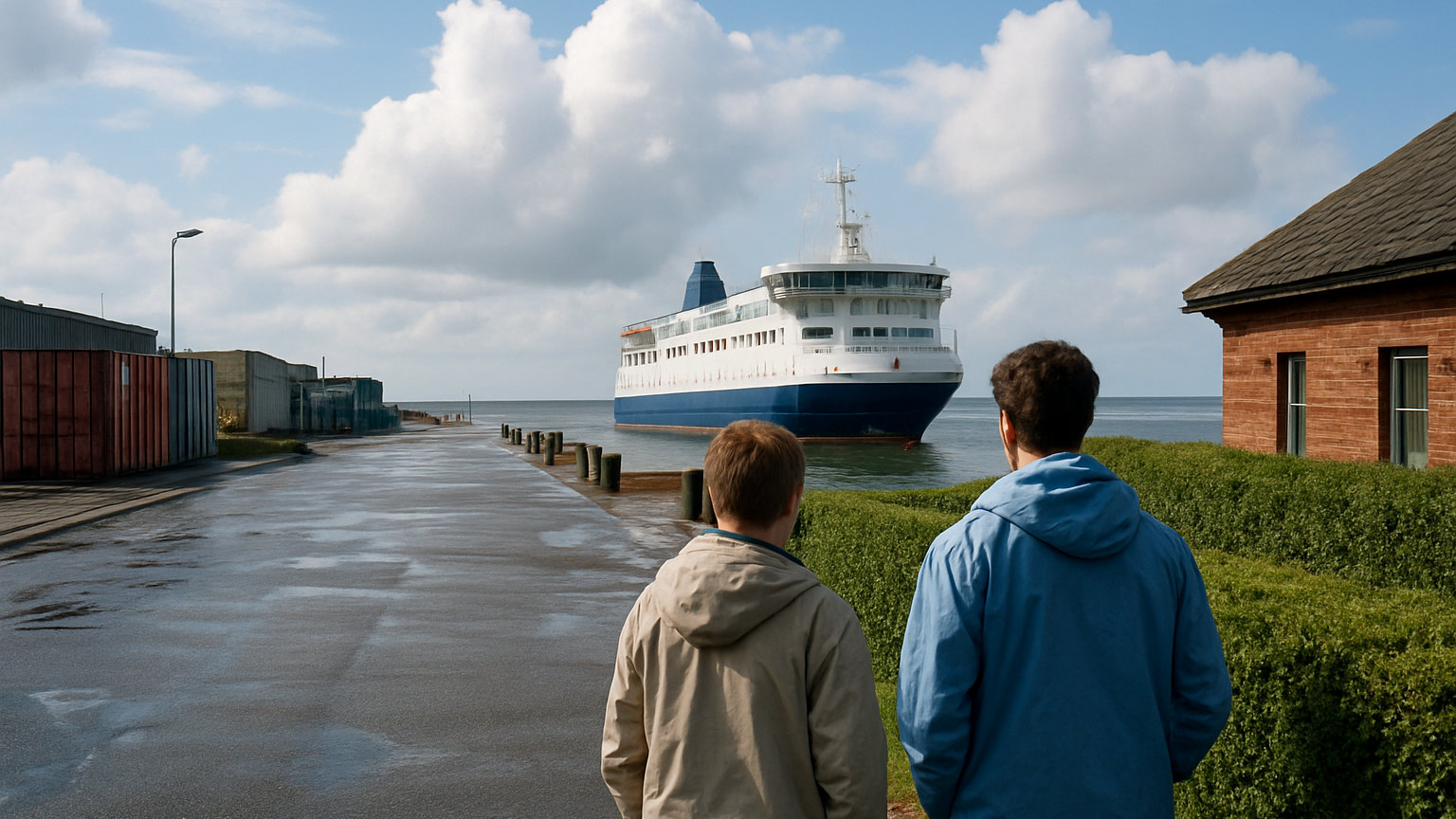
They open up routes that are otherwise impossible, particularly in Scotland where island crossings turn a there and back trip into a circuit. A Hebridean route entering at one island and leaving from another avoids retracing the whole chain. Vehicle spaces must be booked well ahead, and a cancelled sailing on a loop leaves fewer alternatives than on a road route.