Britain retains two overnight sleeper services, one running between London and Scotland and one between London and Cornwall. Both solve a real problem, turning a long journey into a night's accommodation, and both have a devoted following.
What are the two services?
The Scottish sleeper runs nightly except Saturdays, splitting into portions serving Edinburgh and Glasgow on one route, and Inverness, Aberdeen and Fort William on another, with the train dividing en route.
The Cornish service runs between London and Penzance, calling at stations across Devon and Cornwall, and is a single train throughout.
What accommodation is available?
Berths in cabins, usually one or two beds, with a washbasin and in the higher grades a private shower and lavatory. Cabins can be booked for sole occupancy or shared with a stranger of the same sex at a lower price.
Reclining seats are also sold on both services at a considerably lower fare, which is much cheaper and a long night.
What is included?
Bedding, toiletries, and access to a lounge car on the Scottish service where food and drink are served, including regional produce and whisky. Breakfast is generally included in the higher cabin grades.
Lounge access is restricted to cabin passengers on some services, which is worth checking if you are booking a seat.
What is it actually like?
Comfortable rather than luxurious, and noisier than a hotel. Trains stop, shunt and divide during the night, and light sleepers frequently wake. Earplugs and an eye mask are worth taking.
The compensation is arriving in the Highlands at breakfast time having left London the previous evening, which no other form of transport achieves.
What time do they run?
Departures are in the late evening and arrivals in the early morning. On the Scottish service you can usually board an hour or so before departure and stay aboard for a period after arrival, which is a substantial practical benefit.
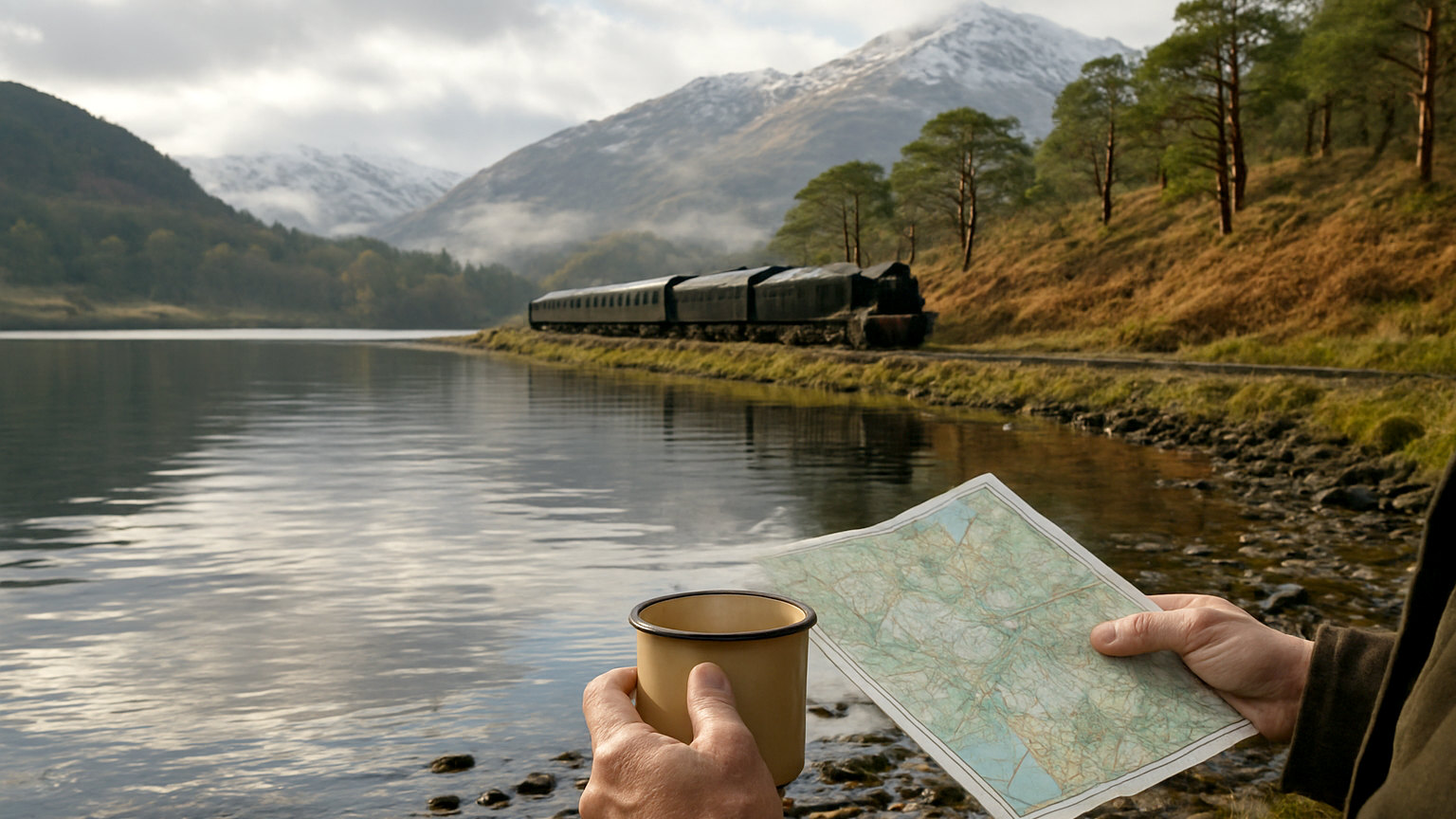
The Fort William portion arrives after a slow run along the West Highland Line in daylight, which is one of the finest railway journeys in Britain and comes free with the ticket.
What does it cost?
Seats are inexpensive and comparable with a daytime advance fare. Cabins cost considerably more, with sole occupancy the most expensive option and shared cabins in between.
Compared against a hotel night plus a daytime fare, a shared cabin frequently works out reasonably. Sole occupancy of an en suite cabin is priced as a premium product.
How far ahead should you book?
As early as possible. Capacity is very limited compared with a daytime train, cheaper fares sell first, and summer and festival periods sell out months ahead.
Tickets typically go on sale around twelve months in advance for the Scottish service, which is unusually far and worth knowing.
Who does it suit?
Anyone travelling from southern England to Scotland who would otherwise lose a day to the journey or fly. Walkers heading for the Highlands, since you arrive ready to start.
It suits poorly anyone who sleeps badly on trains, anyone needing a guaranteed rest before an important commitment, or anyone travelling as a family, since cabins are small.
What should you take?
Earplugs, an eye mask, a small bag you can keep in the cabin, and anything you need overnight in it rather than in a case in the luggage rack.
Warm clothing for arrival, since stepping off at Inverness at half past eight in March is colder than London was the previous evening.
Is it worth doing once?
Yes, and a good proportion of people who try it become regular users. It is one of the few remaining ways to travel in Britain that feels like an occasion rather than a transaction.
Book a cabin rather than a seat for a first attempt, since the seated experience is a very different and considerably less romantic proposition.
What are the alternatives?
Flying, which is faster and cheaper but costs you a hotel night at one end and involves airports at both. Daytime rail, which on the London to Scotland route takes four to five hours and lets you see the country. Or driving overnight, which is cheap, tiring and inadvisable. The sleeper competes on none of these individually and wins on the combination of arriving rested at breakfast time in the Highlands.