Britain has a number of railway lines that survive largely because of their scenery, and several of them are among the finest rail journeys in Europe. They are ordinary scheduled services rather than tourist trains, which means an ordinary ticket buys the whole experience.
Which is the best?
The West Highland Line from Glasgow to Fort William and Mallaig, crossing Rannoch Moor, where the track is floated on brushwood over deep peat, and the Glenfinnan Viaduct, which curves above a loch.
The Mallaig extension in particular is spectacular, with views to the Small Isles and Skye. A steam service also runs the western section in summer.
What about the Settle to Carlisle?
Built as a main line through some of the most difficult terrain in England, crossing the Ribblehead Viaduct on twenty four arches and running through the Pennines at height.
It was nearly closed in the nineteen eighties and saved after a public campaign. It remains a working line serving Dales communities as well as carrying visitors.
Which Scottish lines are worth taking?
The Kyle of Lochalsh line from Inverness, running west through Achnasheen to the Skye bridge, with the last section along the coast. The Far North Line to Thurso and Wick, which is long, slow and remote.
The Highland Main Line through the Cairngorms, and the Borders Railway from Edinburgh, reopened after decades of closure.
What are the best Welsh lines?
The Cambrian Coast Line from Machynlleth to Pwllheli, which runs along the shore of Cardigan Bay and crosses the Mawddach estuary on a wooden viaduct with a footpath alongside.
The Heart of Wales Line from Shrewsbury to Swansea, crossing empty country on a line that survives largely because it passes through so many constituencies. The Conwy Valley Line inland to Blaenau Ffestiniog.
Which English lines are underrated?
The Esk Valley Line from Middlesbrough to Whitby, the Tarka Line in Devon, the Cumbrian Coast Line with views to the Lakeland fells and the sea, and the branch to St Ives in Cornwall, which is short and runs directly above the beach.
The Bittern Line in Norfolk and the Looe Valley Line are both modest and lovely.
What about Northern Ireland?
The line from Belfast to Derry, which runs along the coast at Downhill and then up the Foyle estuary, is among the most scenic in these islands and is a normal commuter service.
Where should you sit?
It varies by line and is worth checking, since one side is frequently much better. On the West Highland to Mallaig, the left going west for the coast. On the Cambrian Coast, the seaward side.
Reserve a seat where reservations are available, and on unreserved services board at the originating station to have a choice.
When should you go?
Late spring and autumn for light and colour, and clear winter days for visibility, which is frequently better than in summer haze. Some lines have reduced winter services.
Avoid the middle of the day in high summer if photographing, since the light is flat and the trains are busiest.
Are heritage railways worth adding?
Several connect with the national network and make a good pairing, including lines in north Wales, north Yorkshire, Devon and the Isle of Man.
They are separate operations with their own tickets and seasonal timetables, so check running days before planning a connection.
How should you plan a rail trip?
Use a regional rover or explorer pass covering several days of unlimited travel, which suits journeys taken for their own sake rather than to get anywhere.
Break the journey rather than riding end to end. Most of these lines pass through places worth a night, and the pass allows getting off wherever looks interesting.
What should you take?
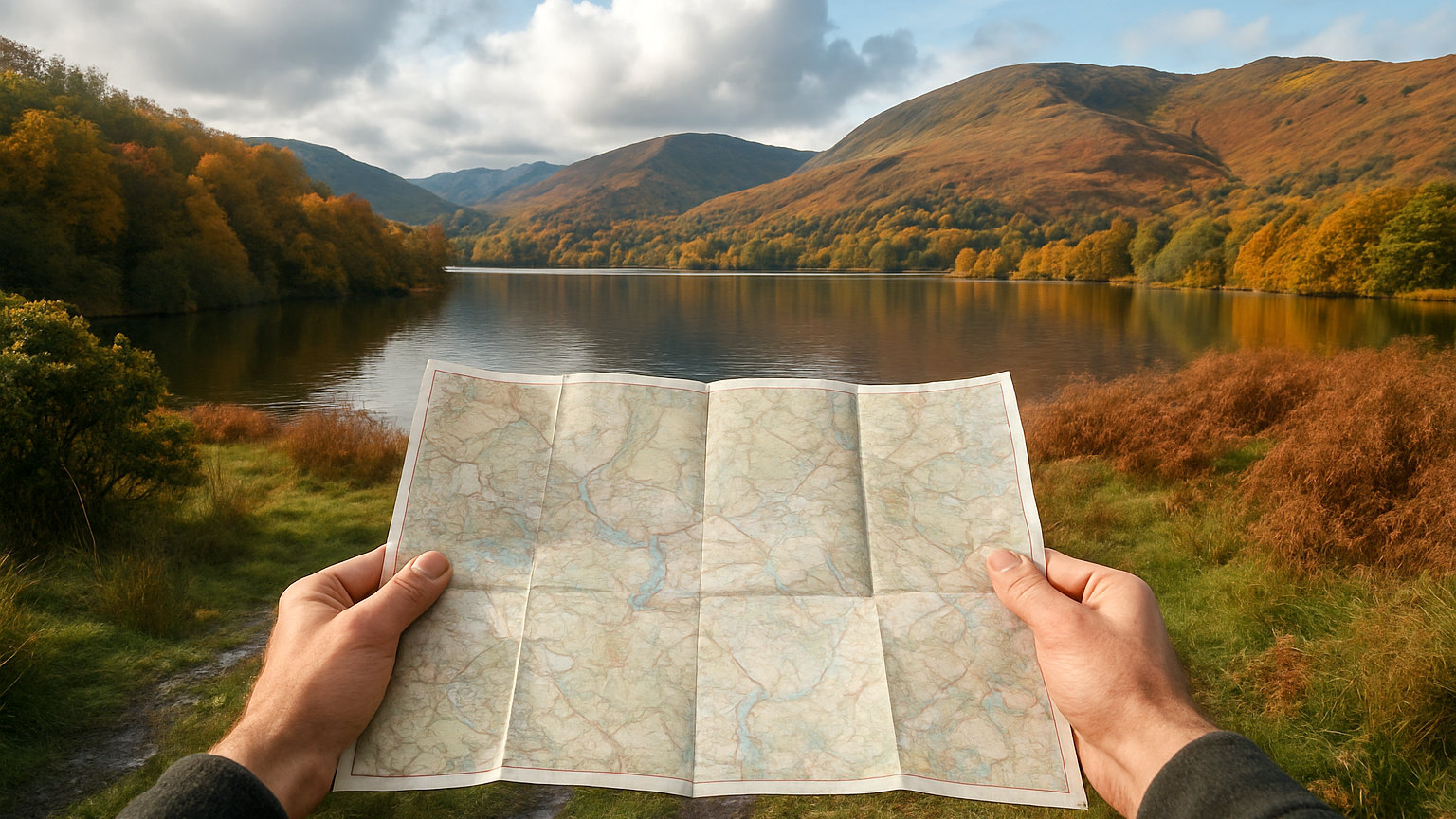
A window seat, ideally reserved, and a cloth to wipe it, since train windows on rural lines are frequently filthy and ruin photographs. Food and drink, because catering on scenic branch lines is usually nonexistent. And a paper map or an app that works offline, since much of the best scenery coincides with the worst mobile coverage in the country.