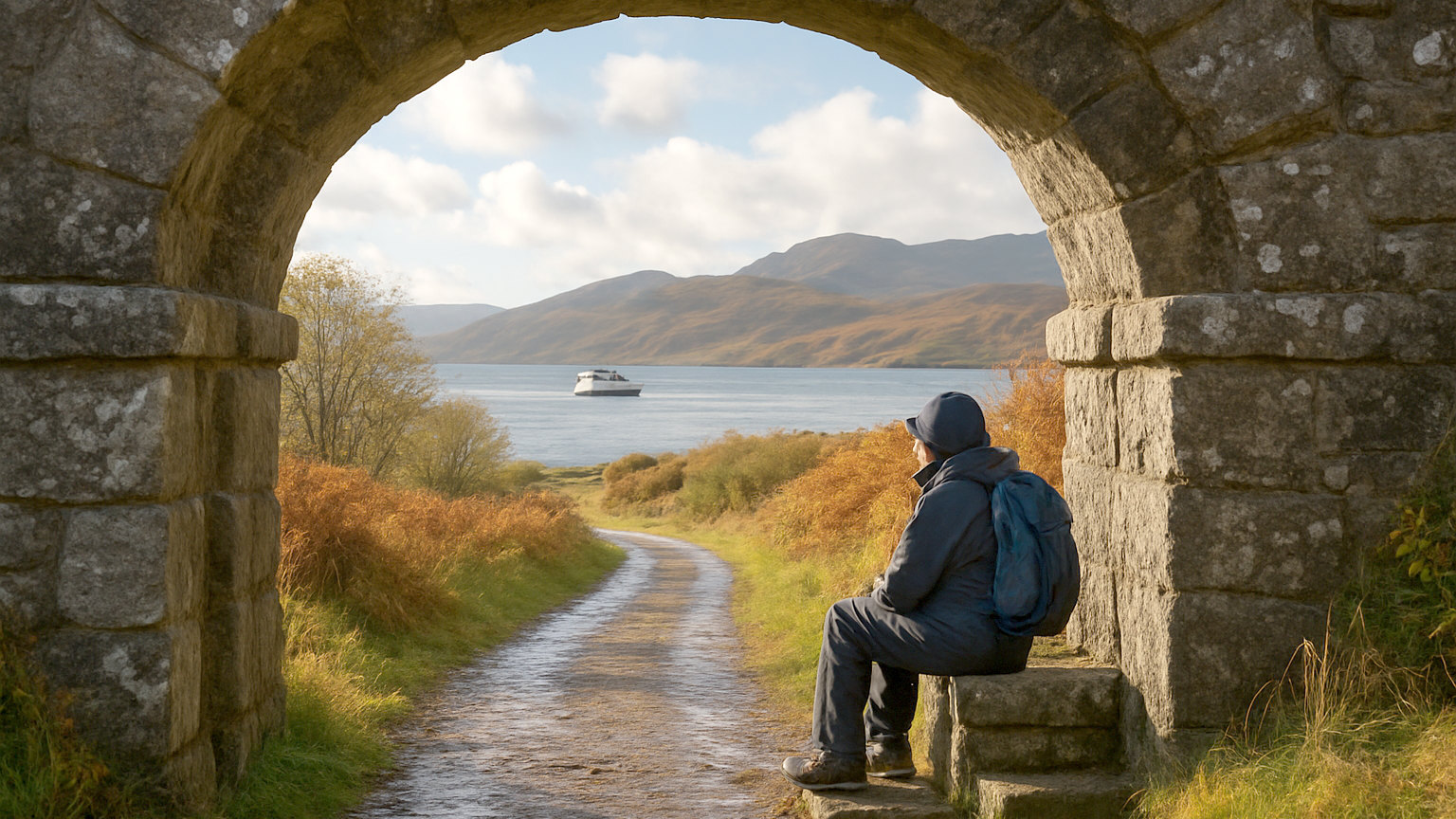
Accommodation is the largest single line in most British travel budgets, which means it is also where saving effort produces the largest return. A handful of decisions change the figure substantially and most of them cost nothing but flexibility.
What is the biggest saving available?
Timing. The same property outside school holidays and at a weekend rather than a peak Saturday can differ by half or more, and the change costs nothing except moving the dates.
Midweek rates at leisure properties are consistently lower, and Sunday nights are frequently the cheapest of the week.
How much does location matter?
A great deal within a short distance. A property a mile inland from a seafront, or in the town next to the national park village, frequently costs a third less for a walk or a short drive.
In cities, one stop out from the centre on a direct transport line usually cuts the rate noticeably for fifteen minutes of travel.
Does booking direct help?
Frequently. Many owners and small hotels list on large platforms and also take direct bookings, and the direct price avoids the commission, which is a meaningful percentage.
Searching the property name after finding it on a platform takes a minute. Direct booking also gives you a relationship with the owner if anything needs changing.
What alternative types are worth considering?
Hostels, which in Britain are widespread, frequently well located and no longer restricted to young travellers, with private rooms available at many. Several occupy buildings no hotel could afford to be in.
Bunkhouses and camping barns for walkers. University accommodation let during vacations in several cities. Camping and campsites, which are cheapest of all.
How does sharing change the maths?
Decisively. Cost per head falls sharply with property size, so a large house split between two or three households is usually the cheapest option per person available anywhere.
Large properties are also easier to book late, since fewer groups can fill them, which occasionally produces genuine bargains outside peak weeks.
When should you book?
Early for peak weeks and popular areas, where the cheaper properties go first and what remains is expensive. Late for quiet periods, when owners discount to fill capacity.
The strategy differs by season, which is why blanket advice to book early or wait is unhelpful.
What should you compare?
Total cost at checkout rather than the headline rate, since cleaning fees, booking fees, dog charges and parking vary considerably between properties.
Also what is included: breakfast, parking, heating and linen all appear as separate charges somewhere.
Are non refundable rates worth taking?
They save perhaps ten to twenty per cent and lose everything if plans change. For a fixed commitment such as an event weekend, reasonable. For a family booking months ahead, usually not.
Consider whether your travel insurance covers domestic cancellation, since many policies exclude it by default.
What about staying longer?
Weekly rates are frequently better value per night than short breaks, since the fixed changeover cost is spread further. Some properties charge almost as much for three nights as for seven.
If the difference is small, taking the longer stay is better value even if you only use part of it.
What is the false economy?
Somewhere too small, too far out or too basic for the group, which produces a poor week and saves relatively little. In bad weather the accommodation is where you spend the time.
Cut the dates or the region before cutting the quality, since a cheaper week somewhere else usually beats a cramped week where you wanted to be.
What about last minute deals?
Real outside school holidays and largely illusory within them. Owners with unsold capacity in October will discount; nobody discounts the first week of August because they do not need to. If your dates are flexible and your standards are not fixed, watching for late availability in quiet periods works. For a family tied to school dates, it is not a strategy.