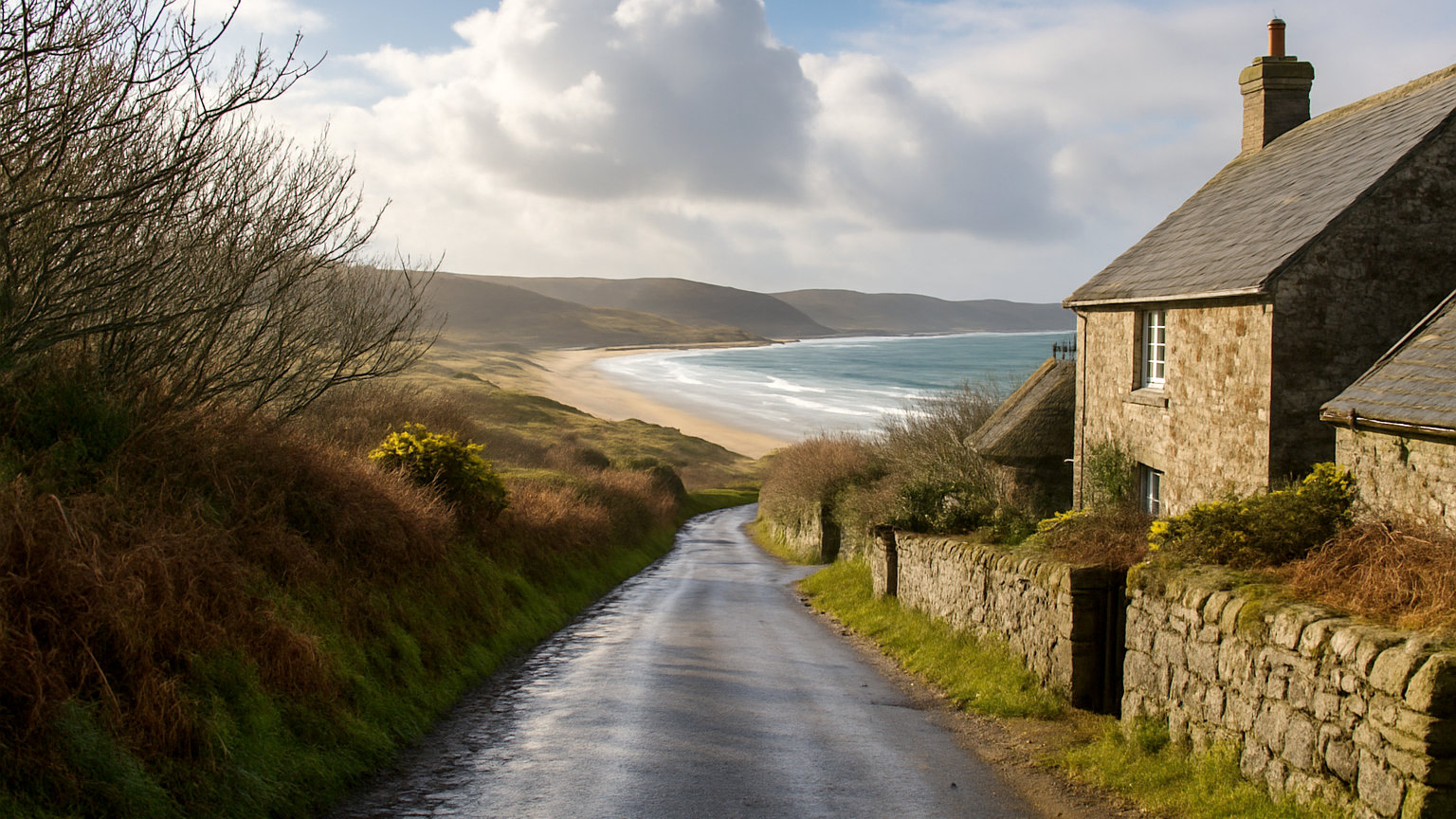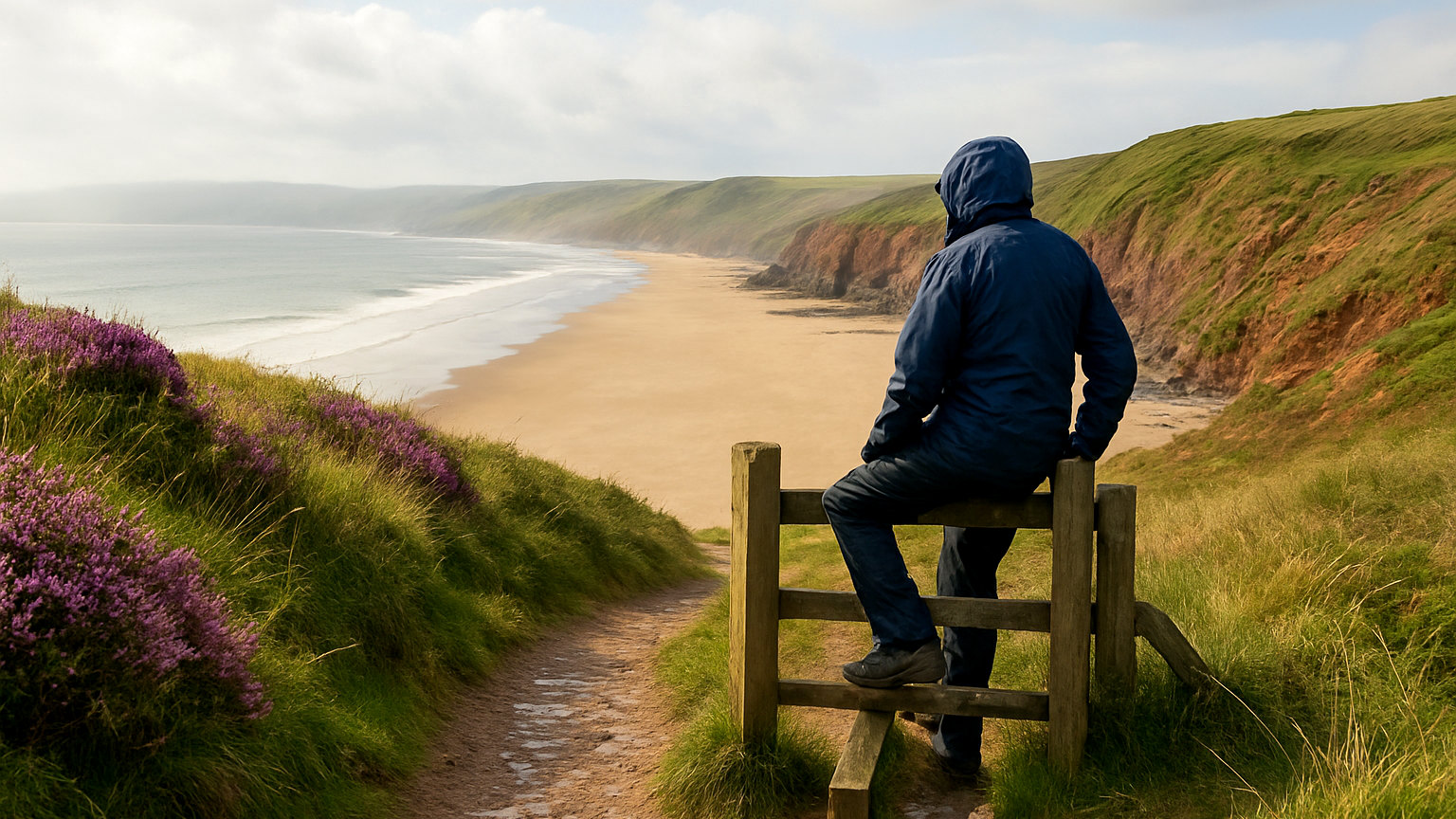
London is unusually well connected for short trips, with a great deal of southern England reachable in under two hours by train. For anyone living in or visiting the capital, a weekend elsewhere requires no car and very little planning.
Which coastal towns are closest?
Whitstable and Margate in Kent, both around ninety minutes, one for oysters and a working harbour, the other for a gallery, a restored pleasure park and a revived old town.
Brighton in an hour, Hastings and Rye in Sussex, Deal and Folkestone in Kent, all with a train to the seafront and a walkable centre.
Which historic cities work?
Oxford and Cambridge, both around an hour, both compact and both effectively museums you can walk through. Canterbury for the cathedral and the medieval streets.
Winchester, Salisbury, Bath and Bristol, all within two hours, all walkable from the station.
What about the countryside?
The South Downs, reachable at several points by train, with the ridge walkable in sections and stations at either end. The Chilterns, forty minutes out, with beech woods and villages.
The North Downs, the Surrey hills and the Kent Weald, all within an hour and all with footpath networks reached directly from stations.
Can you walk between stations?
Yes, and it is one of the best uses of the network. Numerous walks run from one station to another across the Downs, the Chilterns and the Weald, requiring no car and no return route.
Several published guides cover these specifically, and the routes are among the most practical day walks in Britain.
What is worth the two hour mark?
Norfolk, for the north coast, big skies and seals. The Cotswolds via Oxford or Moreton in Marsh. The Isle of Wight, via Portsmouth and a short ferry.
Bath and Bristol, both reachable in around ninety minutes and both worth three nights rather than two.
How should you book the trains?
Advance singles as early as possible for anything beyond commuter distance, which is dramatically cheaper than turning up. A railcard if you qualify.
Check engineering works, which affect weekend services regularly, particularly on Sundays.
When should you travel?
Out on Friday morning if you can rather than the evening, which adds an afternoon for the same accommodation cost. Back on Monday morning rather than Sunday evening.
Off peak restrictions apply to cheaper tickets, so check whether your intended train is permitted before buying.
Which are best out of season?
The Kent and Sussex coastal towns, which have a resident population and stay open, and are considerably better in autumn and winter than crowded in August.
The cities, obviously, which work in any weather. Avoid the small seaside places that close between November and Easter.
What is the underrated option?
The Essex and Suffolk coast, reached from Liverpool Street, which is quieter than Kent and Sussex and largely ignored by Londoners heading south.
Also the North Kent marshes and the Thames estuary, which are strange, empty and half an hour from the city.
What is the reliable choice?
Two or three nights in a walkable coastal town or a small city, reached by train, with one walk and one good dinner booked.
That takes ninety minutes to reach, costs a fraction of a longer trip and delivers a genuine break, which is the entire point of a weekend.
What about getting out of the city?
The termini matter. Trains south and south east leave from Victoria, London Bridge, Charing Cross and St Pancras; west from Paddington; east from Liverpool Street; north from King's Cross and Euston. Choosing a destination served by whichever is nearest to you removes a cross city journey at each end, which on a two night trip is worth an hour.
What about day trips instead?
Several of these destinations work as a long day rather than an overnight, which costs only the fare. Brighton, Oxford, Cambridge, Canterbury and Whitstable are all comfortable day trips with an early start and a late return. For anyone testing whether they like a place before committing to a weekend, that is a sensible and inexpensive first step.