A solo weekend is among the easiest trips to take in Britain and among the least taken. The country is small, the transport works, English is spoken and nobody finds a person travelling alone remarkable, which removes most of the friction.
Which destinations suit it best?
Compact walkable cities, where everything is within reach on foot and there is enough happening that you are never at a loose end. York, Bath, Edinburgh, Chester and Durham all work.
Small coastal towns for something quieter, and any walking area if the point is to be outdoors.
Does it need structure?
Some people want none and others find an entirely open weekend uncomfortable. If you are unsure, book one fixed thing per day, such as a tour, a treatment or a meal.
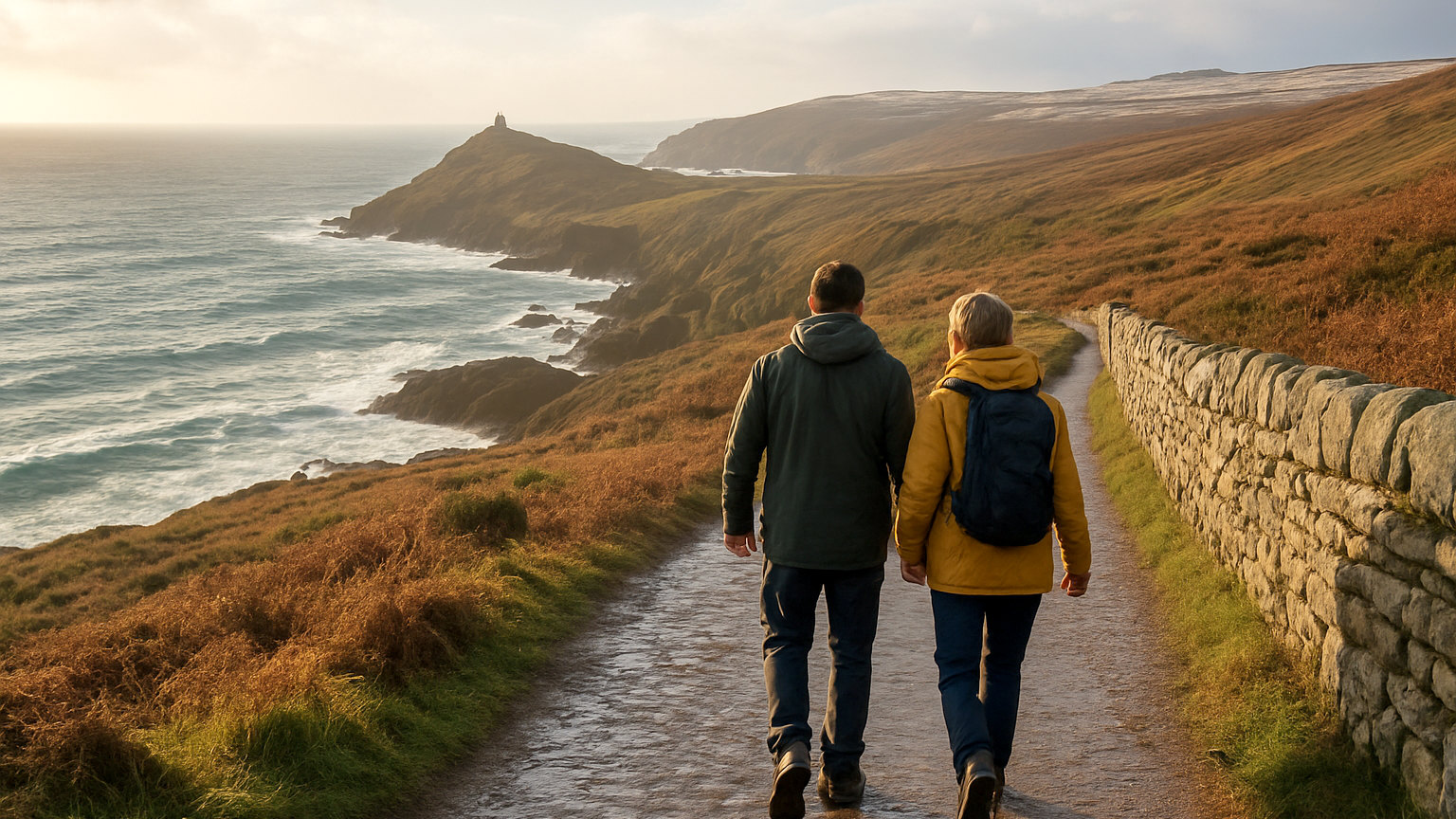
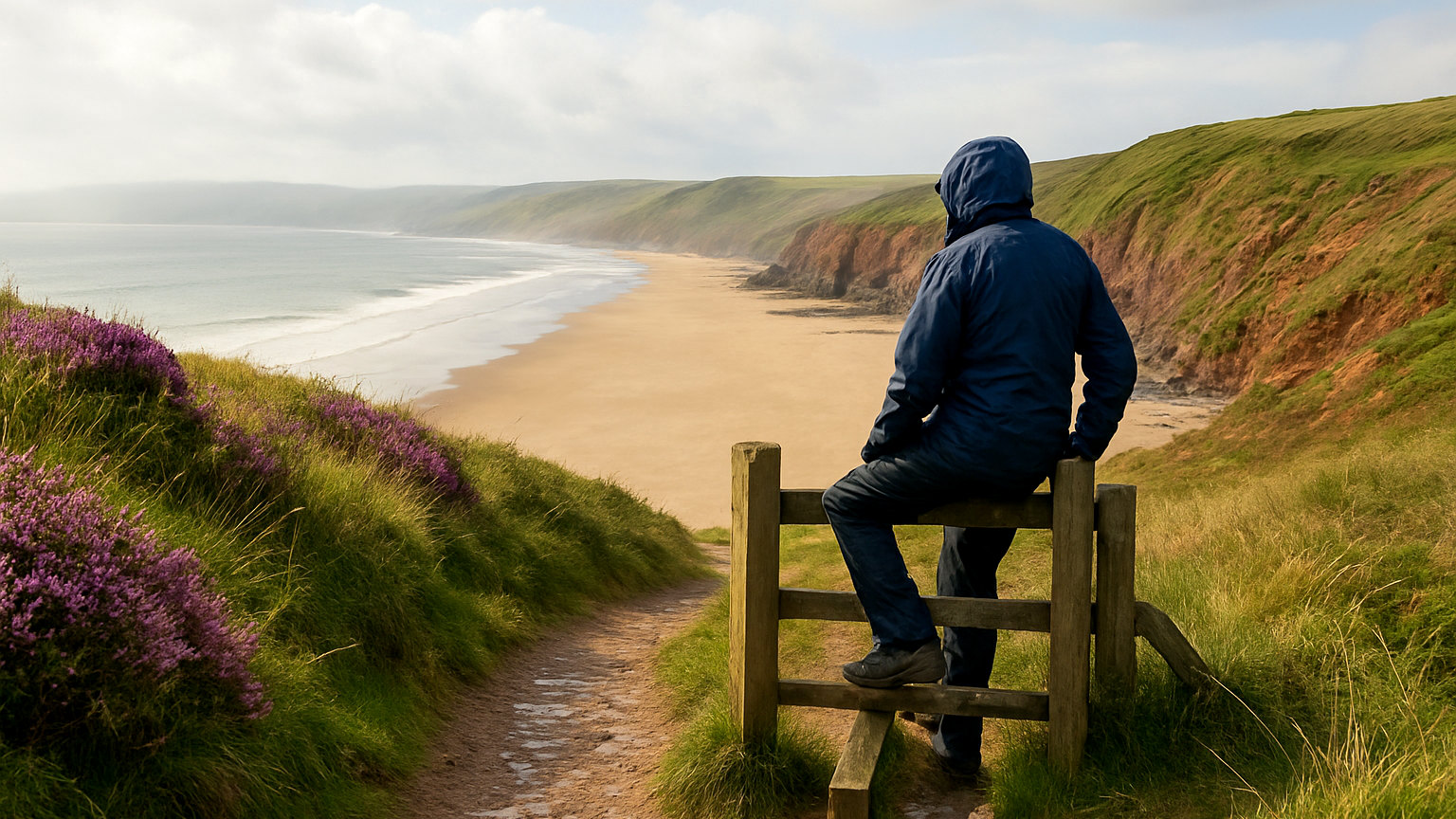
Walking provides its own structure, which is why a solo walking weekend is frequently the easiest first attempt.
Where should you stay?
Somewhere with communal space if you want company: a hostel, an inn with a busy bar or a bed and breakfast where the host talks.
A hotel room if you want none. Both are entirely reasonable and the choice matters more than the destination.
What about the single supplement?
Real, and the main financial disadvantage. Rooms are priced per room rather than per person, so a solo traveller pays close to what two would.
Hostels, bunkhouses and camping avoid it by charging per bed. Some bed and breakfasts have genuine single rooms at a lower rate.
Is eating alone awkward?
Less than people fear. Pubs are the easiest option, where eating alone at a table or at the bar is unremarkable. Restaurants are used to solo diners.
Staying at an inn removes the decision entirely, since dinner is downstairs. Taking a book is normal rather than a signal of anything.
What structured options exist?
Guided walking weekends, cookery and craft courses, wildlife trips and photography workshops all put you with a group without requiring you to arrange anything socially.
These are the most reliable format for anyone who wants company on a solo trip, and several operators have a good proportion of solo participants.
Is it safe?
Generally, with the ordinary precautions that apply anywhere. Solo travellers of all kinds move around Britain routinely without difficulty.
In rural areas the practical risks are terrain and weather rather than people. Tell someone your route if walking, and be aware that large areas have no mobile signal.
How do you meet people if you want to?
Hostels, walking trails where you encounter the same people over several days, courses, and pubs, particularly at the bar rather than at a table.
Guided tours and gallery talks are low commitment ways to be among people without having to sustain a conversation.
What is the main advantage?
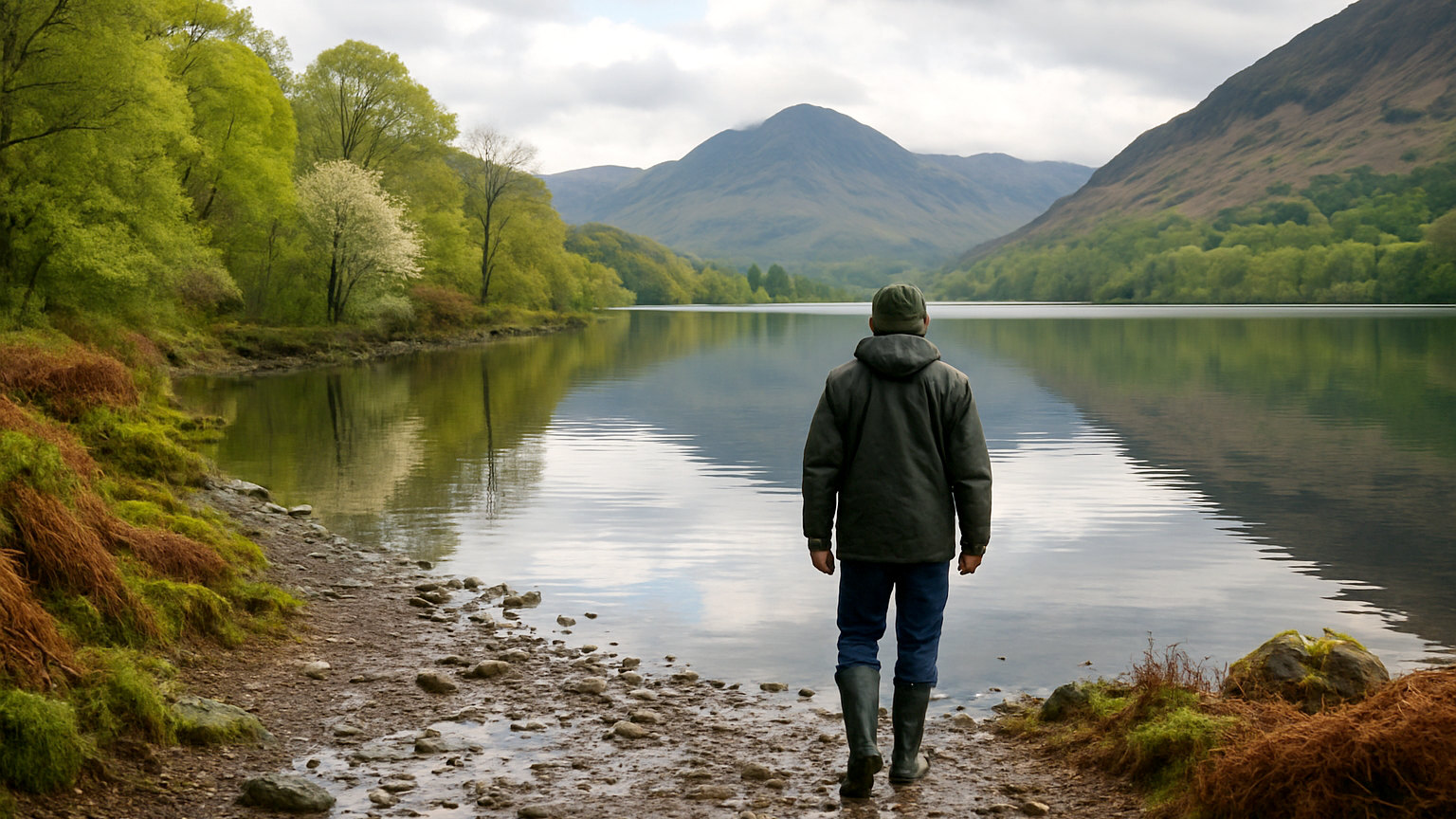
Doing exactly what you want at exactly your own pace, with no negotiation. Solo travellers consistently report seeing more, walking further and lingering longer.
You also talk to strangers more, since a person alone is approachable in a way a group is not.
What is a good first solo weekend?
Two or three nights in a compact city, staying centrally, with one booked thing per day and the rest open. Or a walking weekend on a marked trail with accommodation arranged.
Both give enough structure to be comfortable and enough freedom to be worth doing.
What about the practicalities?
Tell someone where you are going, particularly if walking, and check in at some point. Carry a second card kept separately from the first. Book the first night before travelling rather than arriving somewhere unfamiliar and looking, which is unpleasant in the dark. None of this is peculiar to solo travel; it simply matters more when there is nobody else to fall back on.
One last thought: solo weekends improve with practice. The first is frequently slightly uncomfortable and the third rarely is, which is an argument for starting somewhere easy and close.