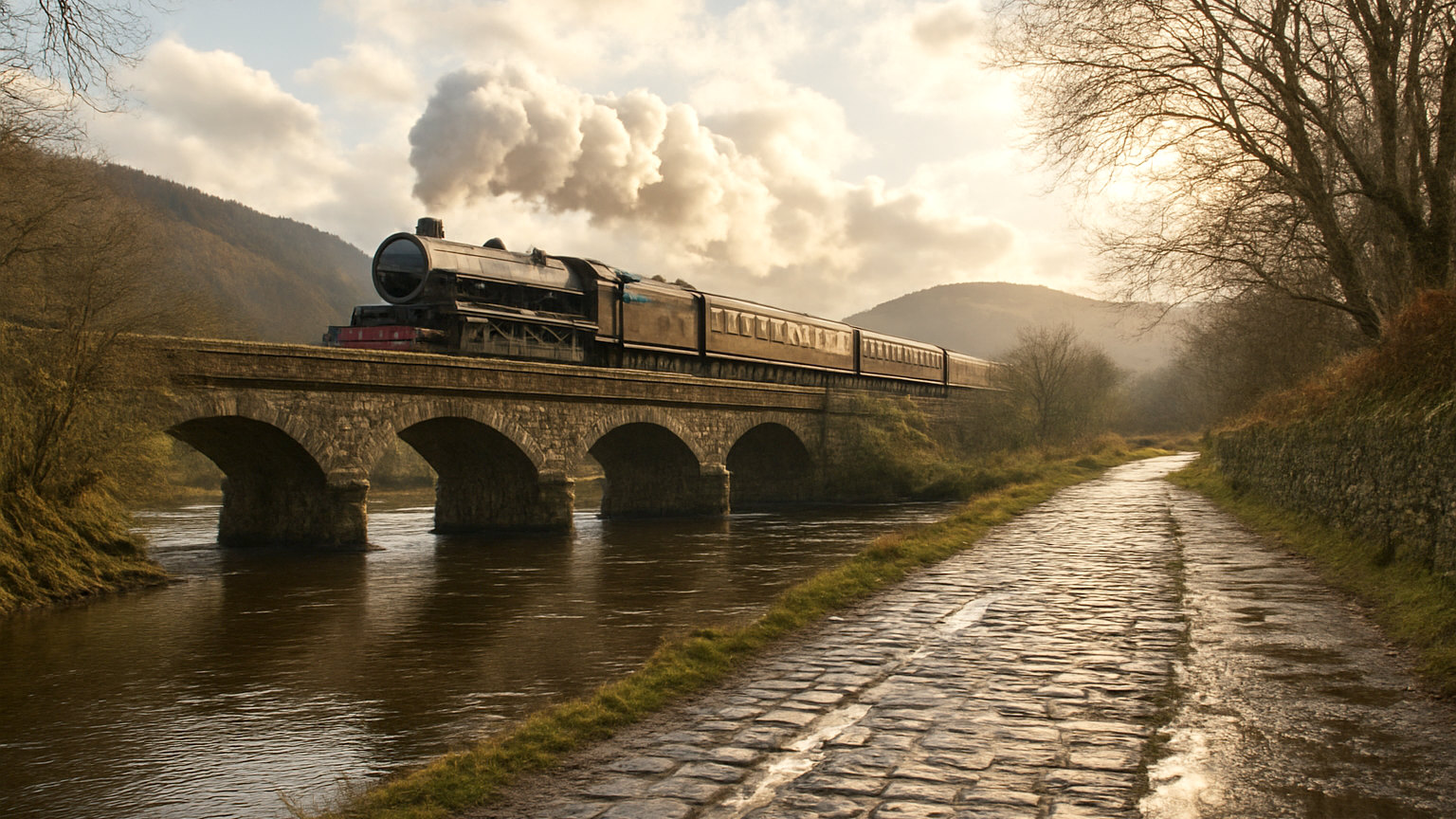
Britain has around a hundred and fifty preserved railways, more than any other country, almost all of them run substantially by volunteers. Several are long enough and well enough sited to justify a weekend rather than an afternoon.
Which are the longest?
The North Yorkshire Moors Railway, running across the moors from Pickering with services continuing to Whitby on the coast, which makes it a practical way to travel as well as a heritage line.
The Severn Valley Railway in Shropshire and Worcestershire, the West Somerset Railway, and the Great Central in Leicestershire, which is the only preserved double track main line in Britain.
What about the narrow gauge lines?
Wales holds the finest collection, including the Ffestiniog Railway from Porthmadog into the mountains at Blaenau Ffestiniog and the Welsh Highland Railway through the pass beneath Yr Wyddfa.
The Talyllyn was the first railway in the world preserved by volunteers, and several others run through spectacular country in mid and north Wales.
Which lines link to the national network?
Several, which makes a car free weekend possible. The North Yorkshire Moors connects at Whitby and Grosmont, the Severn Valley at Kidderminster, the Bluebell at East Grinstead.
The Ffestiniog connects at Blaenau Ffestiniog and Porthmadog, allowing a circular journey combining preserved and main line railways.
What about main line scenic routes?
The Settle to Carlisle line is not a heritage railway but an operating main line through the Pennines, crossing the Ribblehead Viaduct, and it is among the finest railway journeys in England.
Steam charters run on the national network at intervals, including scheduled summer services on some routes.
When do they run?
Mostly from spring to autumn, with reduced winter operation and special services at Christmas. Some run daily in summer and only at weekends in the shoulder months.
Check the timetable for your specific dates, since operating days vary considerably by month and by line.
What are galas?
Intensive event weekends with visiting locomotives, more frequent services and a full timetable, which are the best time to visit for anyone seriously interested.
They are also the busiest, and accommodation near the line fills. Dates are published a year ahead.
Can you eat on board?
Several lines run dining trains, from afternoon tea to full evening meals, hauled by steam and booked well in advance.
They are considerably more expensive than a normal ticket and are among the more distinctive dinners available in Britain.
How do you combine them with walking?
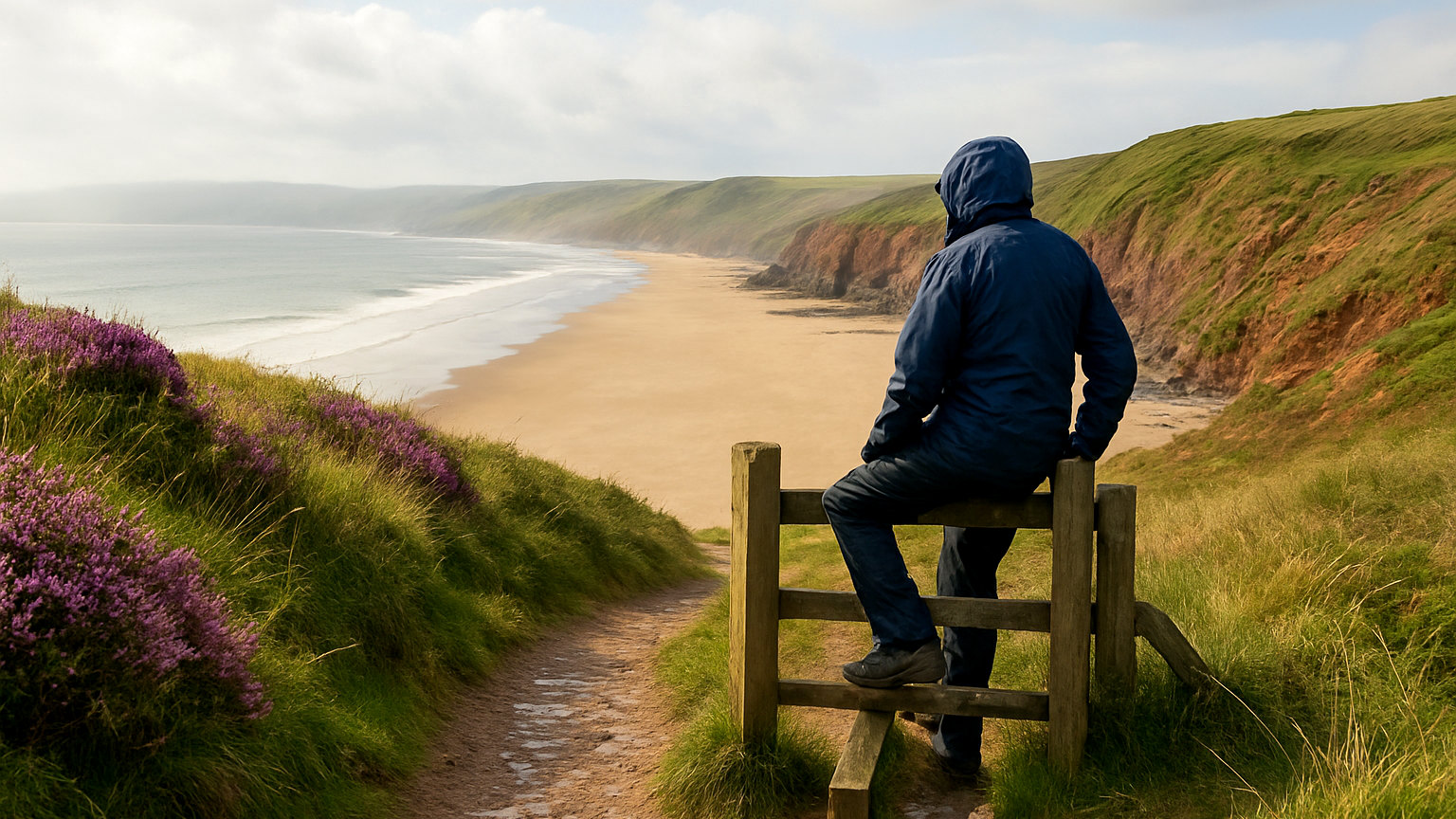
Take the train out and walk back, which is the best use of a preserved line and works on several. The North Yorkshire Moors, the Severn Valley and the Welsh lines all have paths between stations.
Some lines issue walkers' tickets allowing travel in one direction, and station to station walks are published by the railways themselves.
Who runs them?
Volunteers, overwhelmingly, with small paid staffs. The lines exist because enthusiasts bought and restored track, buildings and locomotives over decades.
Most welcome new volunteers and several run working holidays, which is an unusual way to spend a weekend and costs very little.
Which should you choose?
The North Yorkshire Moors for length, scenery and the connection to Whitby. The Ffestiniog and Welsh Highland for mountains. The Severn Valley for river country and a long run.
All three support a weekend built around the line, with walking, a town at each end and enough services to travel rather than simply ride.
What should you know before going?
Trains are unheated on some stock, stations are open to the weather and steam produces smuts, so old clothes are sensible. Check whether services are steam or diesel on your date, since lines alternate. Rover tickets allowing unlimited travel for a day are usually better value than single journeys, and several lines offer joint tickets with nearby attractions.
One last suggestion: travel in the guard's brake or an open carriage if the line offers one. The view and the sound of a steam locomotive working hard are the point, and both are considerably better outside a sealed compartment.