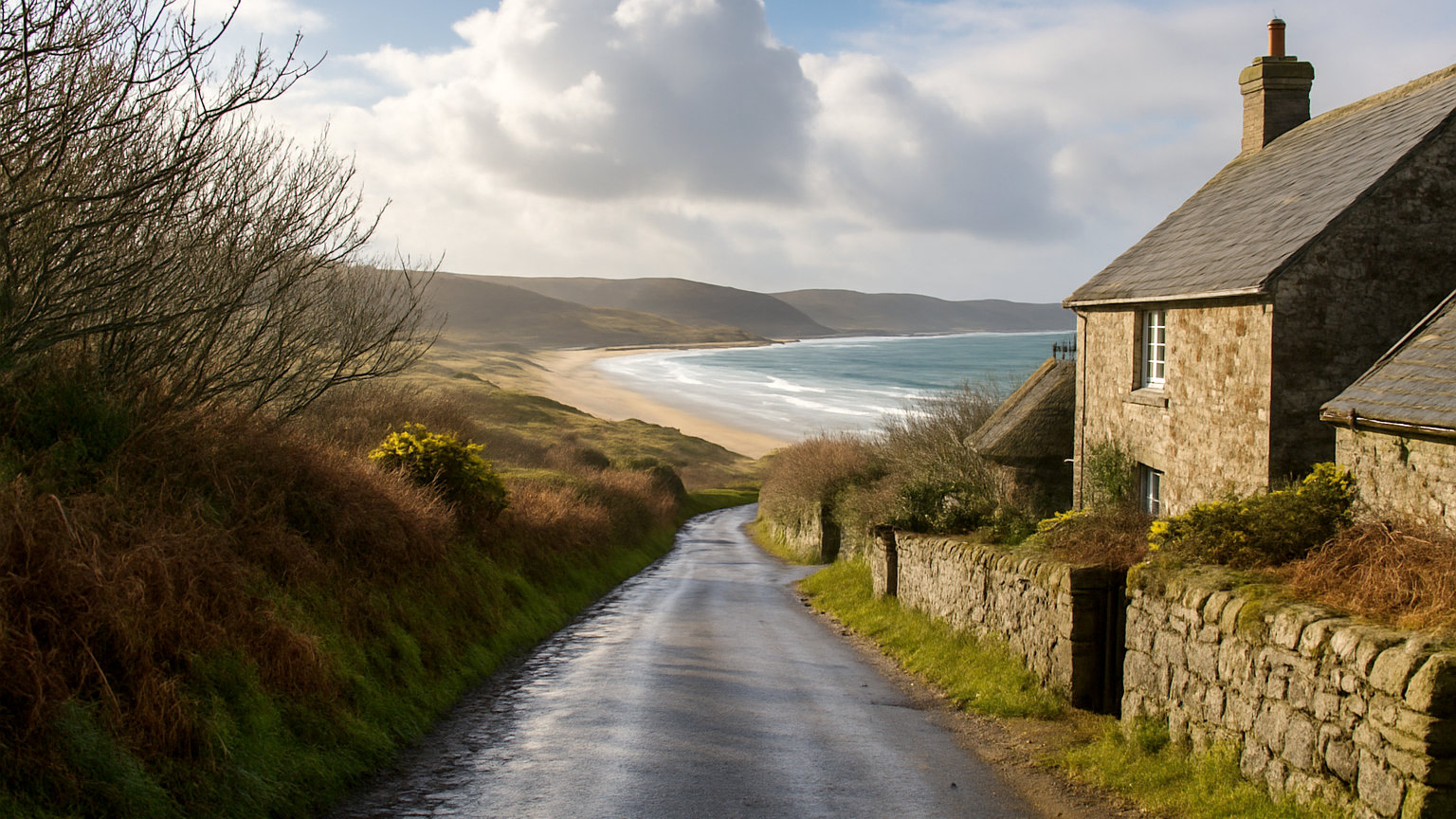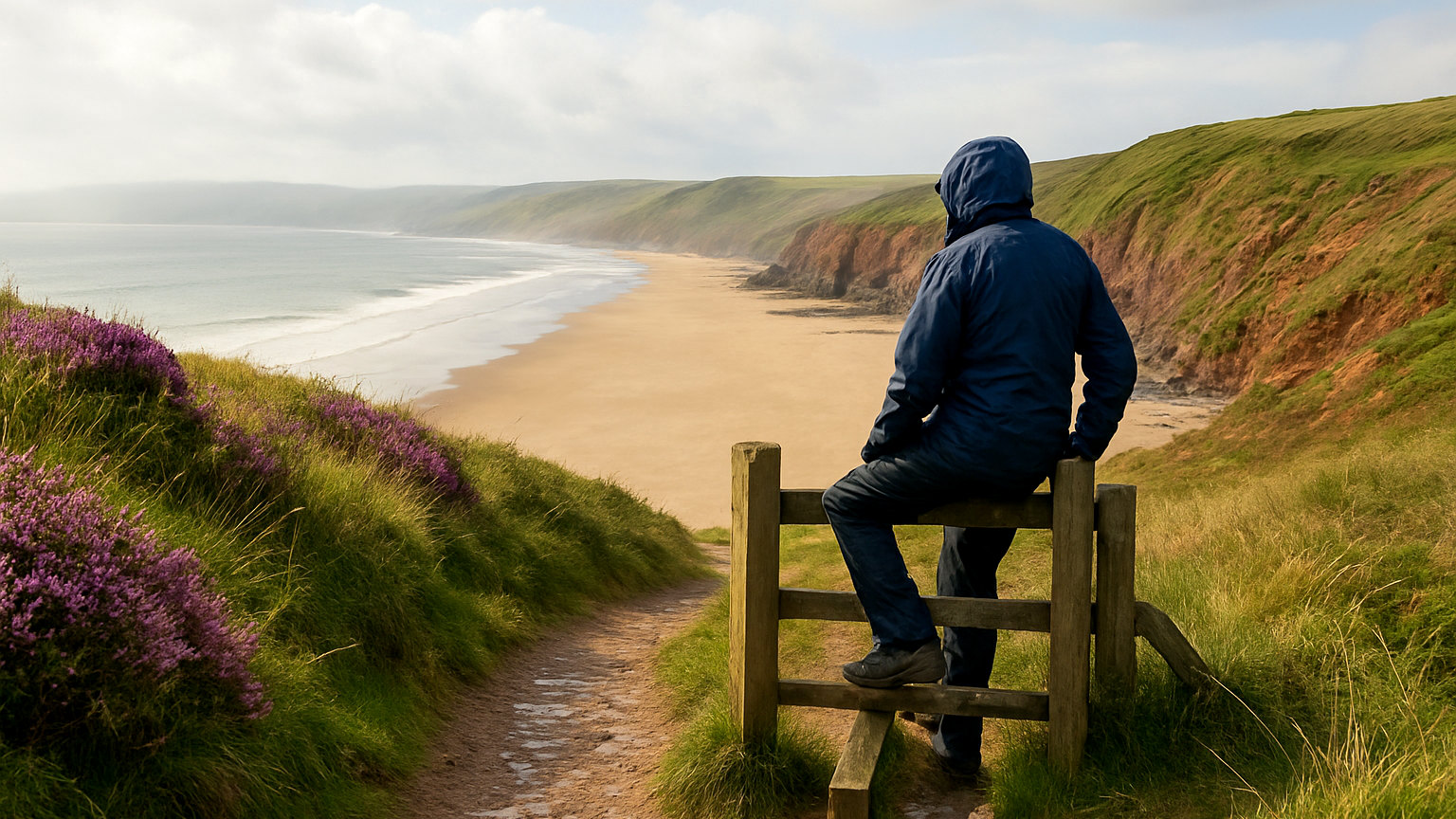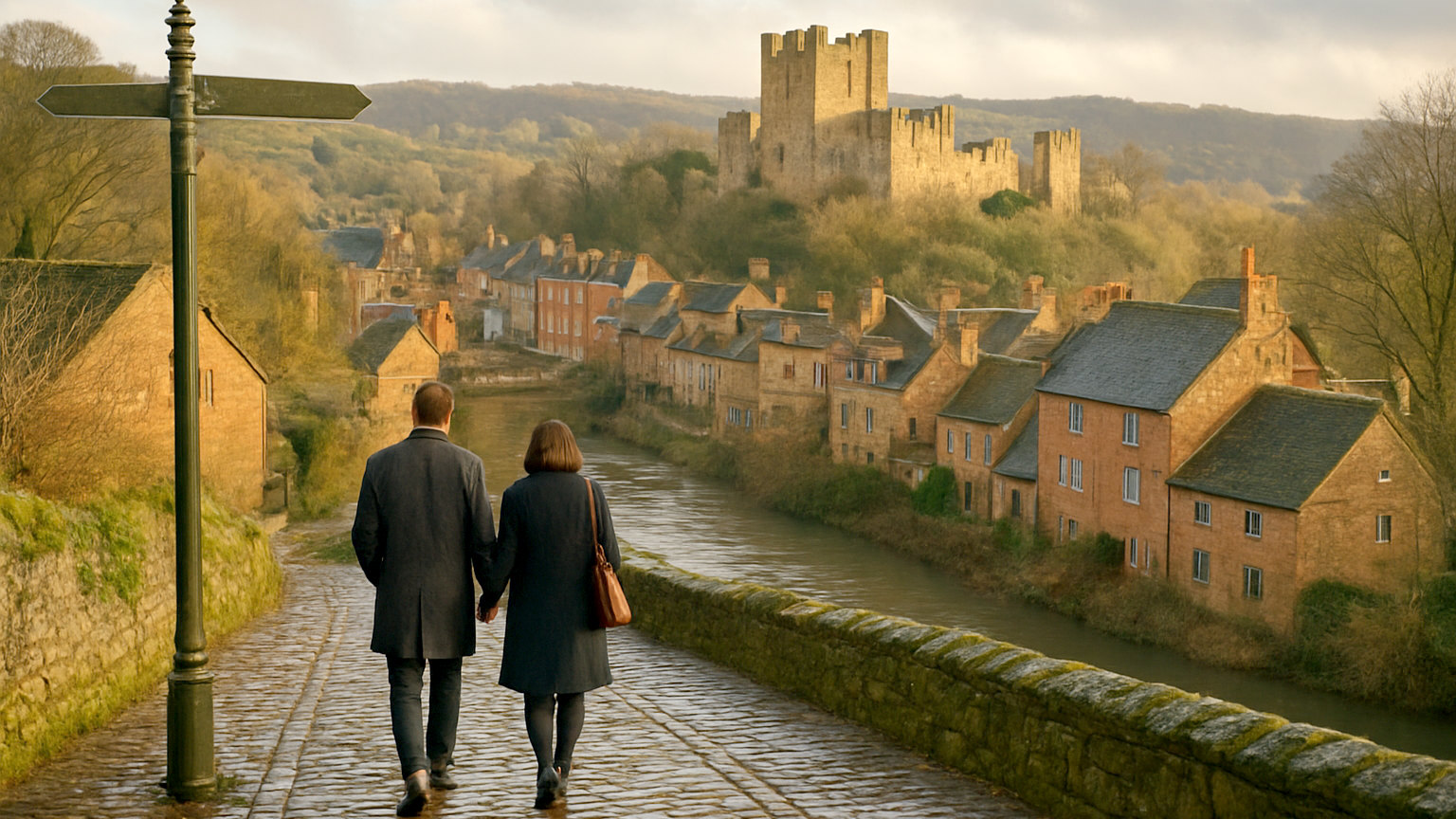
A food weekend needs more than one good restaurant. What makes a place worth travelling for is a concentration of producers, markets and independents within walking distance, so that eating well is the shape of the weekend rather than a booking within it.
Which market towns deliver?
Ludlow in Shropshire, which has a castle, a food festival and a long standing reputation, with butchers, bakers and delis on the same streets.
Abergavenny in Monmouthshire, home to one of the best food festivals in Britain and a strong producer base. Malton in Yorkshire, which markets itself explicitly as a food town.
Where should you go for seafood?
Whitstable in Kent for oysters, Padstow and Newlyn in Cornwall, and the East Neuk of Fife, where Anstruther and Pittenweem combine harbours with very good fish.
The Welsh coast for mussels and cockles, and the west coast of Scotland, where harbour shacks serve langoustines and scallops landed that morning.
Which regions suit a drinks weekend?
Speyside for whisky, with a signed trail linking distilleries and a cooperage within a small area, though a driver or a tour is essential.
Herefordshire and Somerset for cider, with farm visits and orchards. Kent and Sussex for English sparkling wine, with several vineyards offering tours and restaurants.
What about cities?
Bristol, Manchester, Glasgow and Leeds all have strong independent scenes, covered markets and food halls, and are considerably cheaper than London for comparable quality.
Margate, Folkestone and Hastings on the Kent and Sussex coast have developed serious food alongside their wider revival.
What should you book?
Dinner for the first evening at minimum, and any restaurant that is the reason for the trip, which in small towns may need weeks of notice.
Distillery and vineyard tours, which have limited capacity. Leave lunches open, since markets and delis work better spontaneously.
How do you find the good places?
Independent shops, which know their neighbours. A queue of local people at lunchtime. Short menus that change. Restaurants naming their suppliers.
Guides are useful and local recommendation is better, particularly from anyone working in food in the town.
What about festivals?
Worth building a weekend around, since the best are producer led rather than catering led and the town is at its liveliest.
They also fill accommodation for miles, so book early or choose a weekend either side, which gives the same producers without the crowd.
How should you handle the driving?
Avoid it if drink is part of the weekend. Choose a town where everything is walkable, or use a tour operator for distilleries and vineyards.
Several food towns are reachable by train, which removes the problem entirely and is the single best decision on this kind of trip.
What should you bring home?
A cool bag, which is the most useful item on a food weekend and the one people forget. Cheese, meat, preserves and drink all travel if kept cool.
Buy at the source rather than the airport or the motorway services, where the same products cost considerably more.
What is the best format?
Three nights in a small town with two or three good places to eat, a market on one of the days, and a producer visit within half an hour.
That fills a weekend properly without requiring a booking every few hours, which is what turns a food trip into a schedule.
What about markets and shops?
Frequently better value than the restaurants and a better sense of a region. Farmers markets, covered markets and farm shops let you assemble a lunch for very little and talk to the people who made the food. Check market days before booking, since many run weekly or monthly and a food town on the wrong day is simply a town.
One final suggestion: eat one meal at lunchtime rather than in the evening. Set lunch menus at serious restaurants cost a fraction of dinner for very similar food, which is the single best value decision on any food weekend.