Eastbourne is a planned Victorian resort developed by a single landowner, which gave it a coherent seafront of hotels and gardens with no amusement arcades along the front. It regularly records among the highest sunshine totals in Britain and the South Downs end immediately to the west.
What is the seafront like?
Three miles of promenade backed by hotels and formal bedding, with a pier, a bandstand and a shingle beach, and deliberately no commercial amusements along the main stretch.
That restraint was written into the estate's development terms and it still shapes the town's character.
What happens at the bandstand?
A concert programme running through the summer with a genuine variety of music, in a domed structure on the promenade that seats several hundred.
It is among the few working seaside bandstands in Britain still used as intended.
What is the Towner?
A contemporary art gallery, free to enter, in a modern building beside the theatres, holding a substantial collection including a major group of works by Eric Ravilious.
Ravilious painted the Sussex downland repeatedly and seeing the work in the town below those hills makes considerably more sense of it.
What about the Seven Sisters?
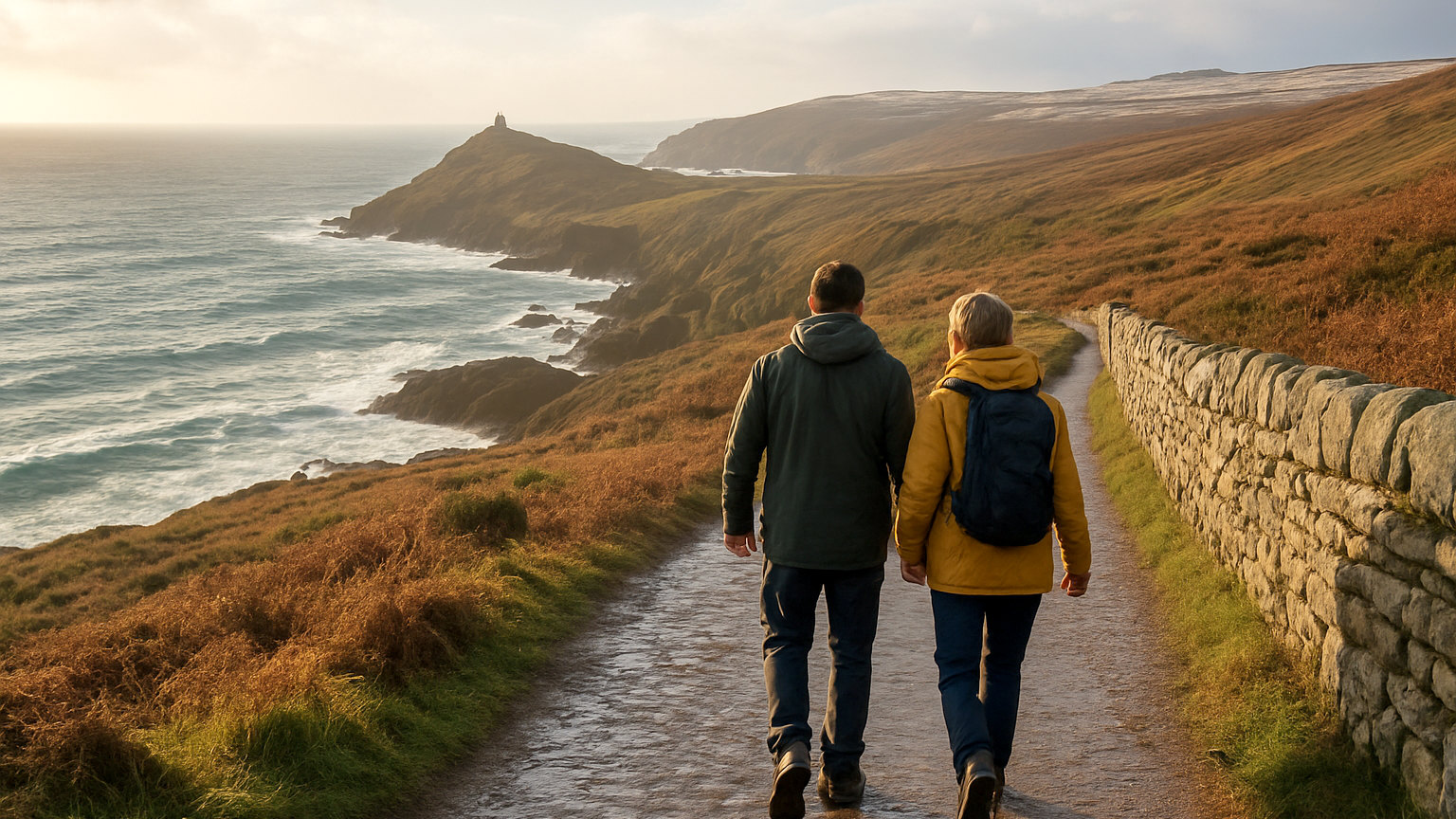
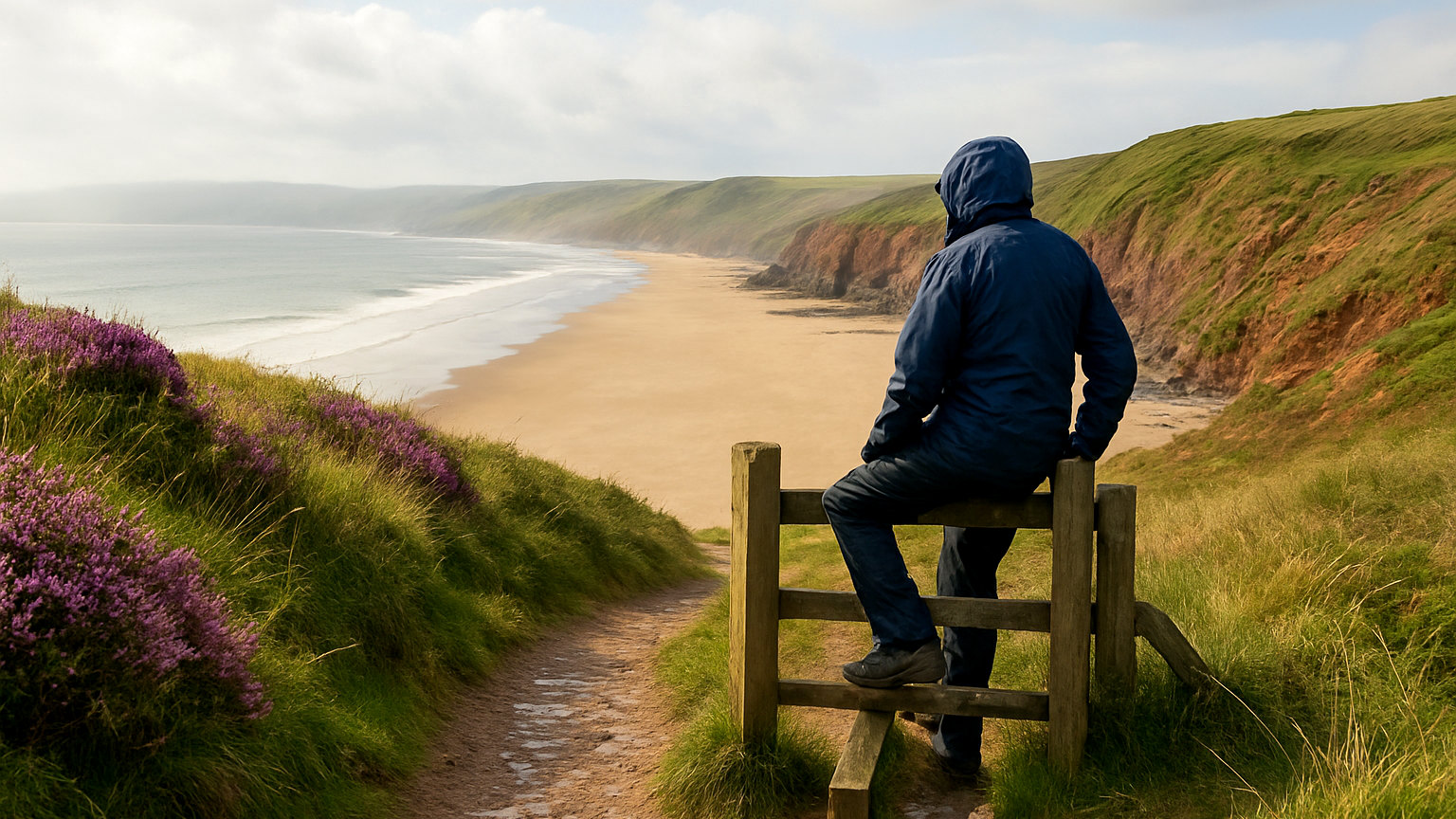
A sequence of chalk cliffs running west from the town, undulating steeply, reached on foot along the clifftop or by bus to the Cuckmere valley.
Stay well back from the edge throughout. The chalk is unstable, falls occur without warning and the overhanging turf gives no sign of where solid ground ends.
Where does the South Downs Way end?
Here. The hundred mile national trail from Winchester finishes at Eastbourne, and the final section over the cliffs is the most spectacular of the whole route.
Day walkers can take a bus out and walk back, which is the sensible way to do the best part.
What is Beachy Head?
The highest chalk sea cliff in Britain, rising over a hundred and sixty metres, immediately west of the town with a lighthouse below it.
There is a visitor centre, downland walking and enormous views. The cliff edge is unfenced and genuinely dangerous, and visitors should keep a substantial distance from it.
What else is in the town?
A Victorian pier, a redoubt fortress from the Napoleonic period, Sovereign Harbour with a marina and restaurants, and substantial parks and gardens.
The town has an unusually large retired population, which shapes its atmosphere and its pace.
What about the tennis?
A major grass court tournament is held each June in a park in the town, immediately before Wimbledon, drawing leading players.
Tickets are far easier to obtain than for Wimbledon and the setting is considerably more relaxed.
Is there an airshow?
Yes, over several days in August, held along the seafront and free to watch from the promenade, drawing very large crowds.
Accommodation is booked out for it, so check the dates either way.
How do you get there?
By train from London Victoria in around ninety minutes, and along the coast from Brighton and Hastings.
The station is a few minutes from the seafront and buses serve the cliffs and the Cuckmere valley.
Does it work as a weekend?
Yes, particularly for walkers. Two nights covers the gallery, the seafront and a full day on the cliffs, which is the main event.
It is quieter and more sedate than Brighton along the coast, which suits some visitors exactly and others not at all.
What about Alfriston and the Cuckmere?
Alfriston is a village a few miles west with a medieval clergy house that was the first building bought by the National Trust, a fifteenth century inn and a market cross. The Cuckmere valley beyond it has a meandering river, a nature reserve at Seven Sisters Country Park and a walk down to the sea between the cliffs.
One final point: the town has an unusually long season by south coast standards, with the tennis in June, the airshow in August and a concert programme running through the summer, so there is generally something on whenever you visit.