Britain accommodates dogs better than most countries, with a large proportion of self catering properties, inns and pubs accepting them and an enormous network of footpaths. The variables are the season, the beaches and how much walking is available from the door.
Which regions are best?
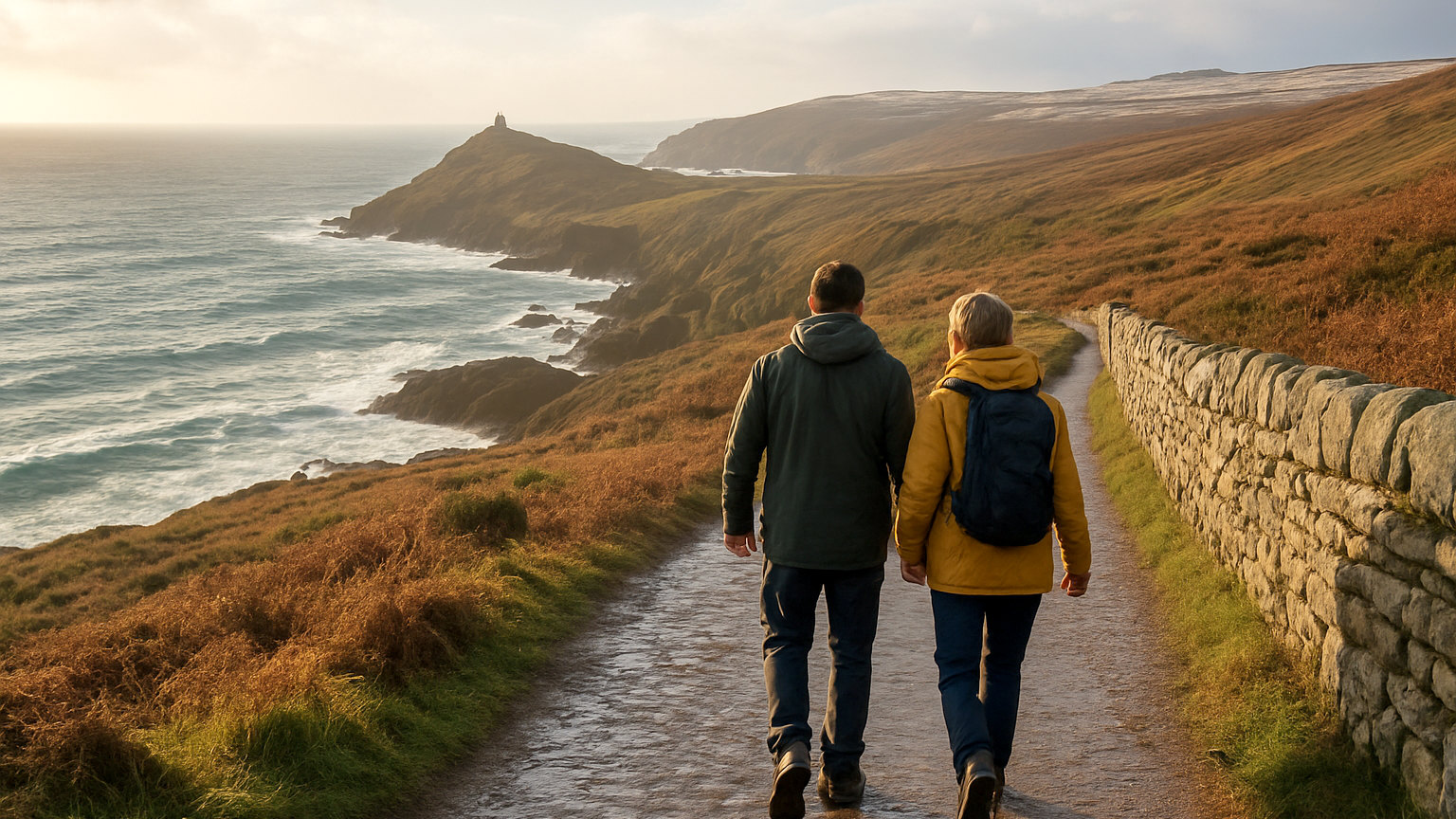
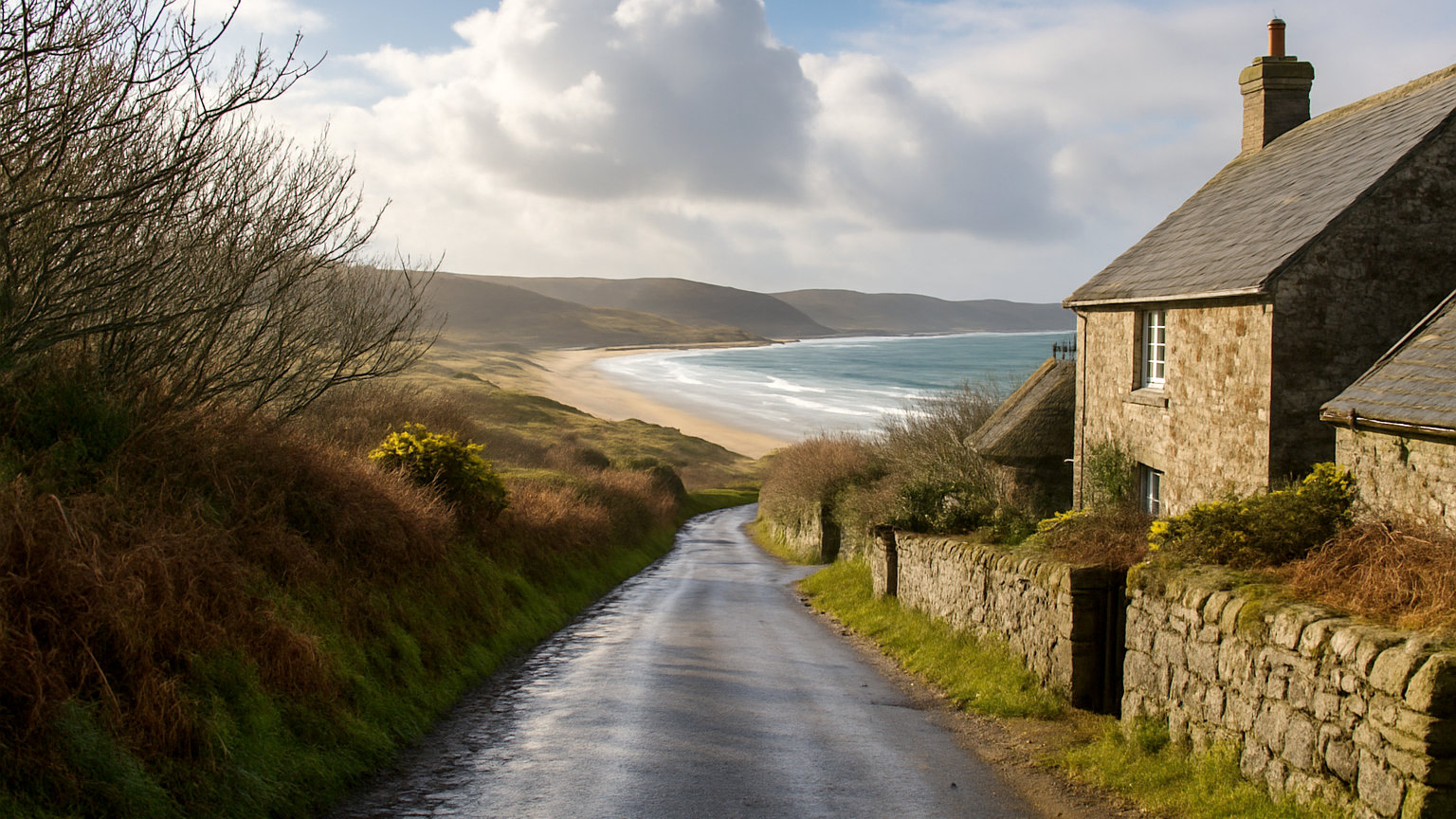
Northumberland, with miles of largely unrestricted beach, empty coast paths and a strong supply of dog friendly accommodation. Galloway for forest and shore together.
Mid Wales, the Yorkshire Dales, the Cumbrian coast and much of Scotland, where beach restrictions are rare and footpaths are everywhere.
What about the New Forest?
Popular for dogs and requiring care, since ponies, cattle and pigs roam freely and ground nesting birds breed on the heath in spring and summer.
Leads are required in several areas at certain times, and a dog chasing livestock is a serious matter with legal consequences.
When should you go?
Autumn to spring, comfortably. Most beach dog restrictions run from around May to September, cooler weather suits dogs far better than August sand, and accommodation is cheaper.
October to April is the best dog holiday window in Britain by a wide margin.
What should you check about accommodation?
Whether the dog may be left unattended, which many properties prohibit entirely and which determines whether you can eat out or visit anywhere that excludes dogs.
Whether the garden is genuinely enclosed, how many dogs are permitted, what the charge is and whether livestock graze next door.
Which accommodation types work best?
Self catering, since you have the property to yourself, and inns with rooms, which are frequently the most welcoming and often allow dogs in the bar.
Hotels are the most restrictive. Some hostels and bunkhouses accept dogs on sole use bookings.
Where can dogs go?
Most pubs, at least in the bar. Outdoor attractions, country parks, castle grounds and many heritage estates. Beaches outside the restricted season.
Almost no museums, galleries, cathedrals or historic interiors, which admit assistance dogs only, so a day built around indoor attractions will not work.
What about the countryside code?
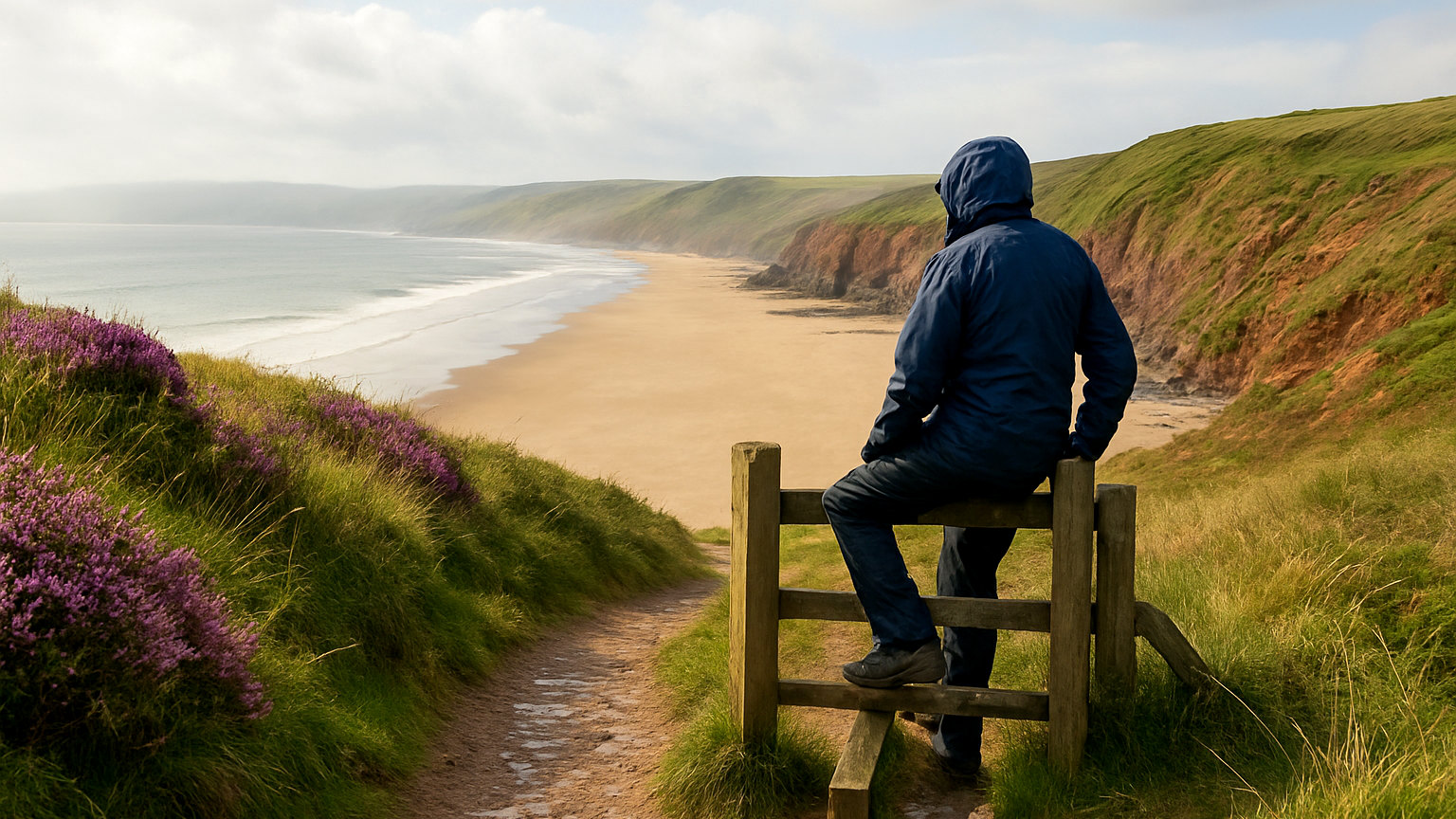
Dogs on leads around livestock and during the bird nesting season from March to July, and under close control at all times. Clifftop paths need particular care.
If cattle approach and you feel threatened, the standard advice is to let the dog off the lead so it can run rather than holding on to it.
How do dogs travel?
Free on national rail services, up to two per passenger, on a lead or in a carrier, which is unusually generous. Coaches generally accept assistance dogs only.
In a car, suitably restrained, with stops, water and shade. A parked car heats dangerously fast even on a mild day.
What should you take?
A bed or blanket the dog already uses, towels, enough food, a long lead, waste bags and the details of a vet near where you are staying.
Fresh water for walks, since dogs drinking from stagnant water or the sea become ill.
What is the ideal dog weekend?
Three nights in a cottage or inn with a walk from the door that does not cross grazing land, an unrestricted beach within reach and a pub that takes dogs.
Northumberland, Galloway or mid Wales in October delivers all four and costs considerably less than the same trip in August.
What about the dog's experience?
Worth considering rather than assuming. Long car journeys, unfamiliar rooms, other dogs and disrupted routine are stressful for some animals, and a weekend that suits you may not suit them. Older dogs, anxious dogs and those unused to travel frequently do better with a familiar sitter at home, which is a reasonable decision rather than a failure.
How do you check beach rules?
Through the local council rather than the beach itself, since restrictions are made as public spaces protection orders by the authority. Dates vary between councils and some run from Easter rather than May. Signs at the access points are definitive, and dog friendly beach directories are useful but occasionally out of date, so a quick check of the council website before travelling is worthwhile.