Dartmouth sits on a steep sided wooded estuary in the South Hams, a deep natural harbour that has been a naval port since the middle ages. It is small, unusually well preserved and almost entirely oriented towards the water.
What is at the castle?
A fortress at the narrow mouth of the estuary, built from the 1380s, one of the first in England designed for artillery, with a chain that could be raised across the river to a matching fort opposite.
It sits directly on the water with a church beside it and is reached by a coastal walk or a small ferry from the town.
What is the naval college?
Britannia Royal Naval College, an enormous Edwardian building on the hill above the town, where every Royal Navy officer is trained.
It is a working establishment and can be visited on booked guided tours only, with identification required.
What is Bayard's Cove?
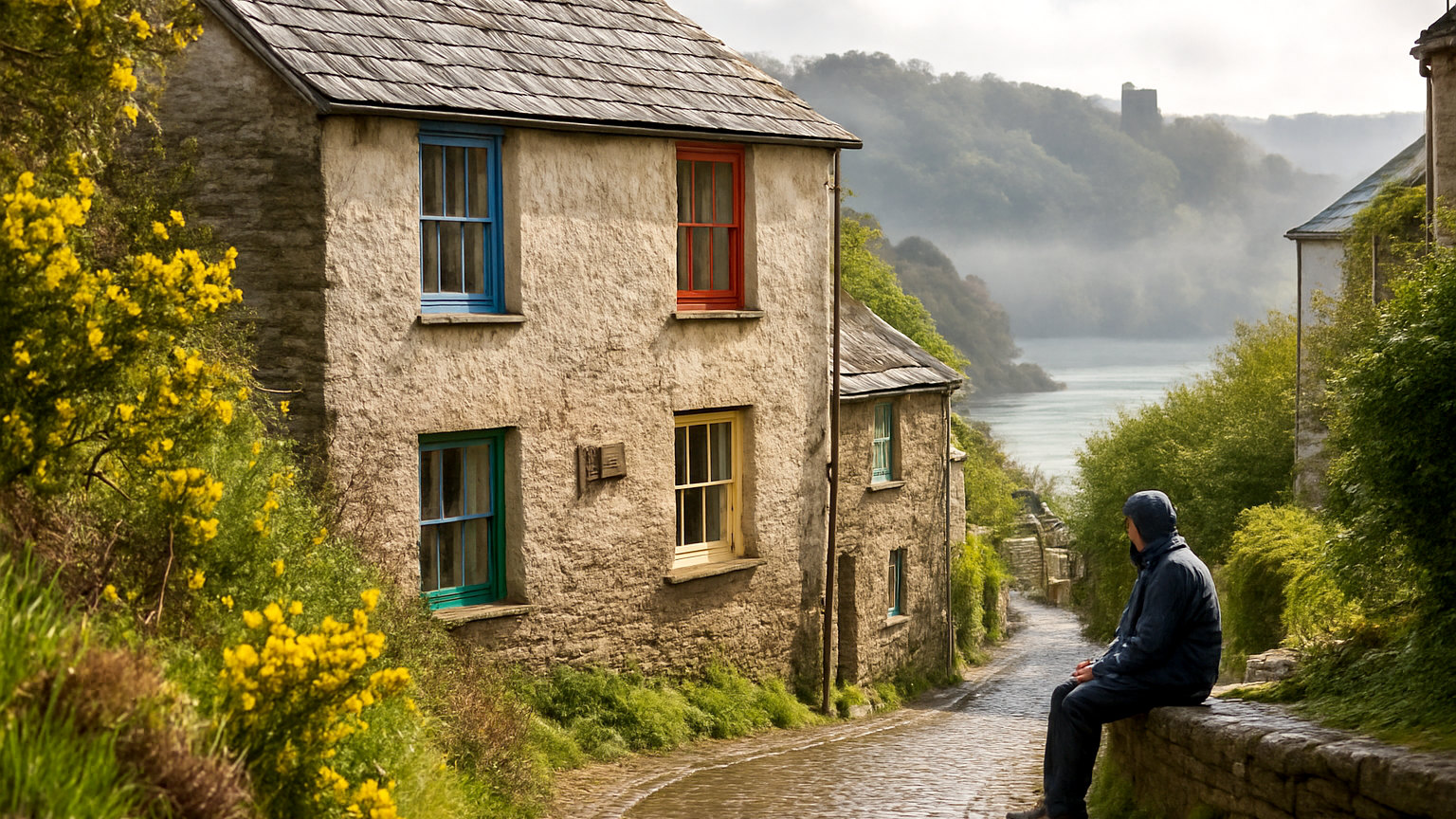
A cobbled quay below the town with a small artillery fort at the end, lined with houses, where the Pilgrim Fathers' ships put in for repairs before continuing.
It is a few minutes from the centre and is the most attractive corner of the town.
What is the Butterwalk?
A row of seventeenth century timber framed buildings on granite pillars, overhanging the pavement, which survived wartime bombing and now house shops and a museum.
The carving on the frontages is elaborate and worth stopping for.
How do the ferries work?
Three cross the river to Kingswear: a lower ferry, a higher ferry and a passenger ferry, all running frequently and all part of ordinary local transport.
Taking the passenger ferry across and back costs very little and gives the best view of the town rising from the water.
What is the steam railway?
A preserved line running from Kingswear along the estuary and the coast to Paignton, with steam services through much of the year.
Combined tickets link the train, a river cruise and a bus, which makes a full and enjoyable day without a car.
What is Greenway?
Agatha Christie's holiday home upstream, a Georgian house above the river with woodland gardens, presented as the family left it.
It is best reached by boat from Dartmouth, which is how she arrived, and parking there is very limited and must be booked.
What are the beaches?
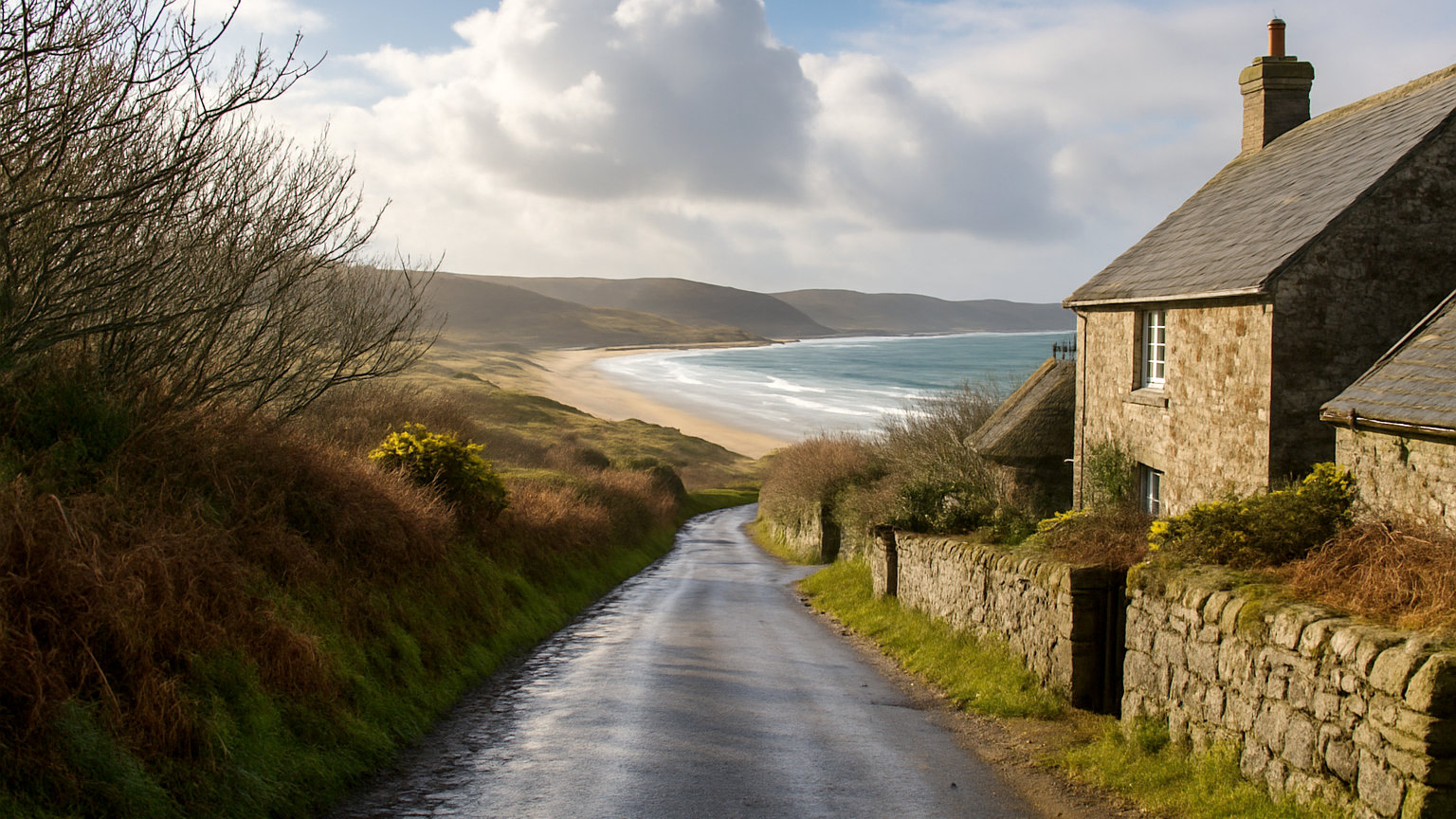
Blackpool Sands a few miles south, a sheltered shingle beach in a wooded cove with a cafe, which is the best swimming near the town.
Slapton Sands further on is a long shingle bar with a freshwater lagoon behind it and a memorial to an American training exercise in 1944 in which many lives were lost.
What about the regatta?
A royal regatta held over several days each August, with racing, a fair and air displays, which fills the town completely.
Accommodation books out well ahead, so check the dates whichever way you want it.
Where should you eat?
The town has a strong food reputation for its size, with several serious restaurants and good pubs, and seafood landed locally.
Booking is essential in summer, since the places are small and the town fills.
How do you get there?
There is no railway to Dartmouth itself. The nearest stations are Totnes and Paignton, with a bus, the steam railway or a river boat completing the journey.
The river trip from Totnes on the tide is much the most enjoyable approach and takes around ninety minutes.
What is the walking like?
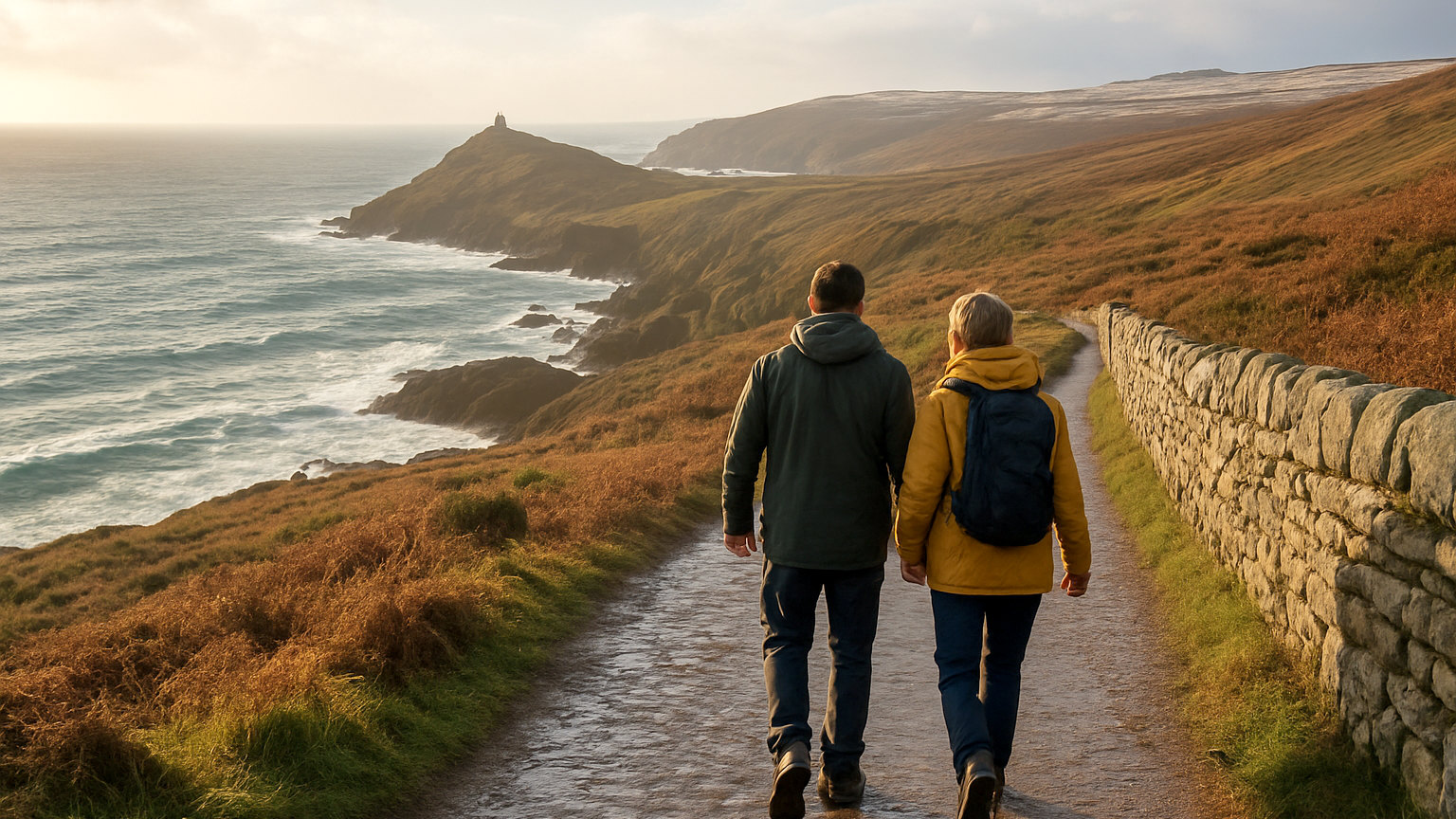
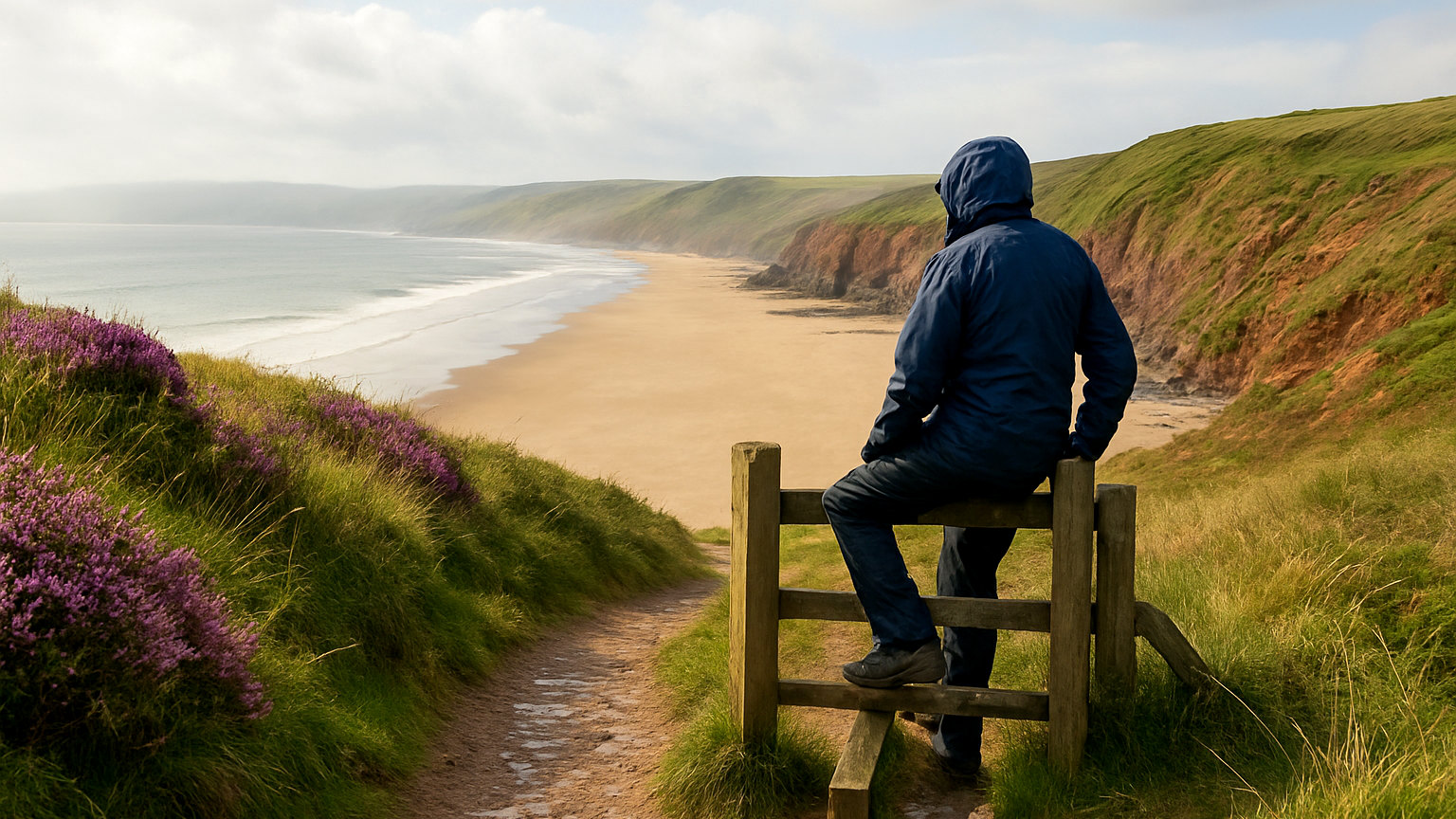
The south west coast path runs in both directions from the castle, giving cliff walking towards Blackpool Sands one way and along to Kingswear and the Mew Stone the other. The Dart Valley Trail follows the estuary inland through woods to Dittisham and Greenway. All of it is steep, wooded and well waymarked.
One final note: the town is built on a steep hillside and the streets above the waterfront climb sharply, so anyone with mobility difficulties should choose accommodation at the lower level rather than assuming the walk back is easy.