The difference between a weekend spoiled by rain and one barely affected by it is entirely in the choice of destination. Some places have nothing to do indoors and some are built for it, and since a British weekend has a substantial chance of poor weather, choosing accordingly is sensible rather than pessimistic.
Which destinations cope best?
Cities, obviously, where free museums, covered markets, galleries, arcades and pubs mean a wet day changes the plan rather than ruining it.
Compact historic cities are best of all, since everything is walkable and you are never more than a few minutes from shelter. York, Bath, Chester, Durham and Edinburgh all qualify.
What about the countryside?
It works if the accommodation does. A cottage with a wood burner, a good kitchen and space to sit out a morning is a different proposition from a small cottage with a television.
A base within walking distance of a pub matters more in bad weather than anything else, since it converts a wet evening into the point of the trip.
What can you do underground?
Show caves in the Mendips, the Yorkshire Dales, the Peak District, south Wales and Fermanagh, all of which are entirely unaffected by weather and maintain the same temperature year round.
Mine tours at preserved collieries and slate caverns, several with underground boat trips or zip lines. These are the most weatherproof attractions in Britain.
Where is storm watching worthwhile?
The Atlantic coasts in autumn and winter, where a big swell against a harbour wall is genuinely spectacular. Porthleven in Cornwall is known for it.
Watch from high ground and well back. People are swept off harbour walls and promenades in Britain every winter, several of them fatally, and no photograph is worth it.
What about spa and swimming?
A spa weekend is improved rather than damaged by rain, and outdoor thermal pools in poor weather are better than in sunshine.
Lidos and swimming pools, and for the hardy, sea swimming, which is unaffected by rain since you are already wet.
Which attractions are indoor by nature?
Museums and galleries, distilleries and breweries, aquariums, cathedrals, historic house interiors, indoor climbing walls and cinema.
Several of the best British attractions are entirely indoors, and a wet weekend is the right time to use them rather than saving them for a day you would rather be outside.
What still works outdoors in rain?
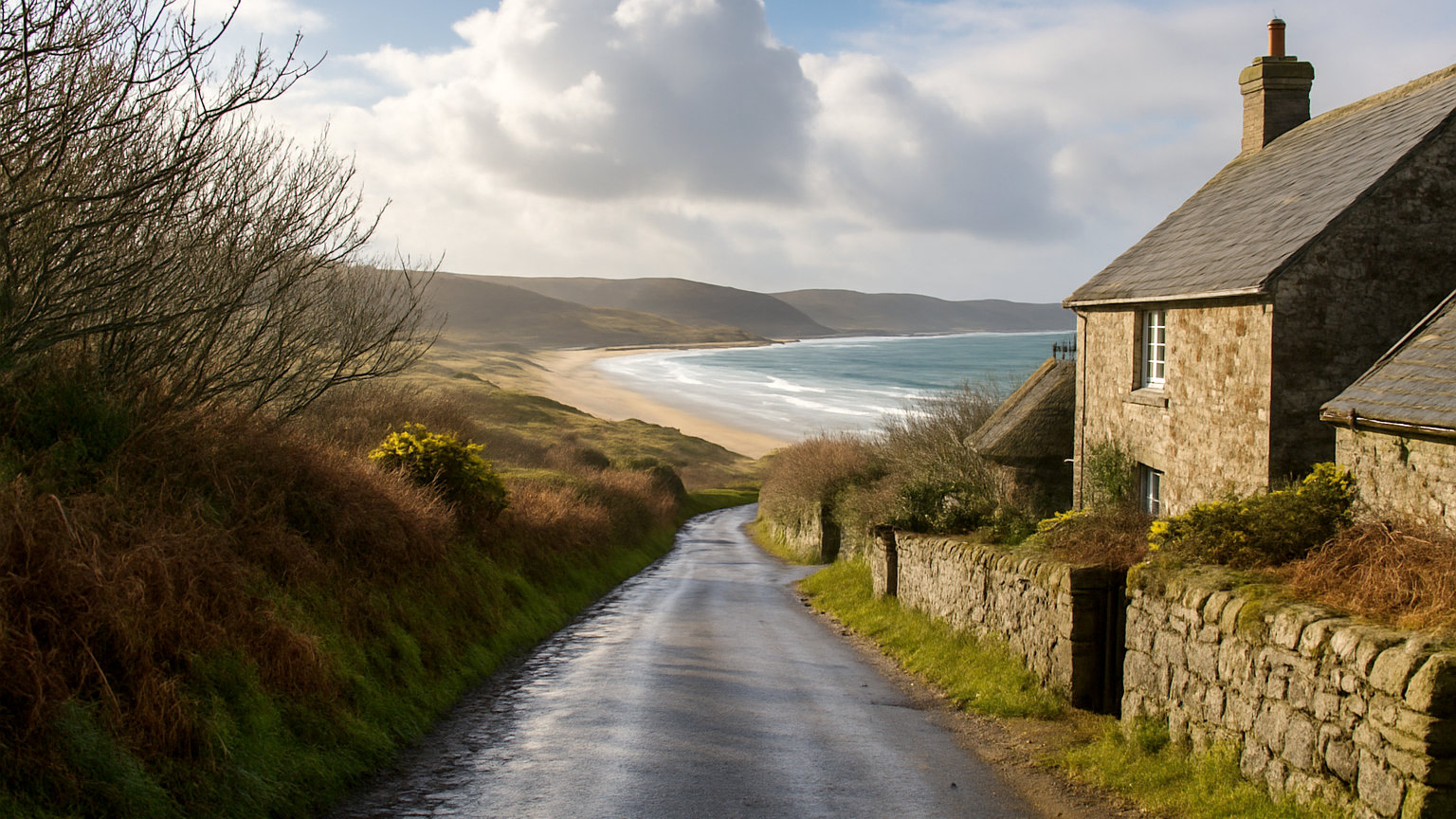
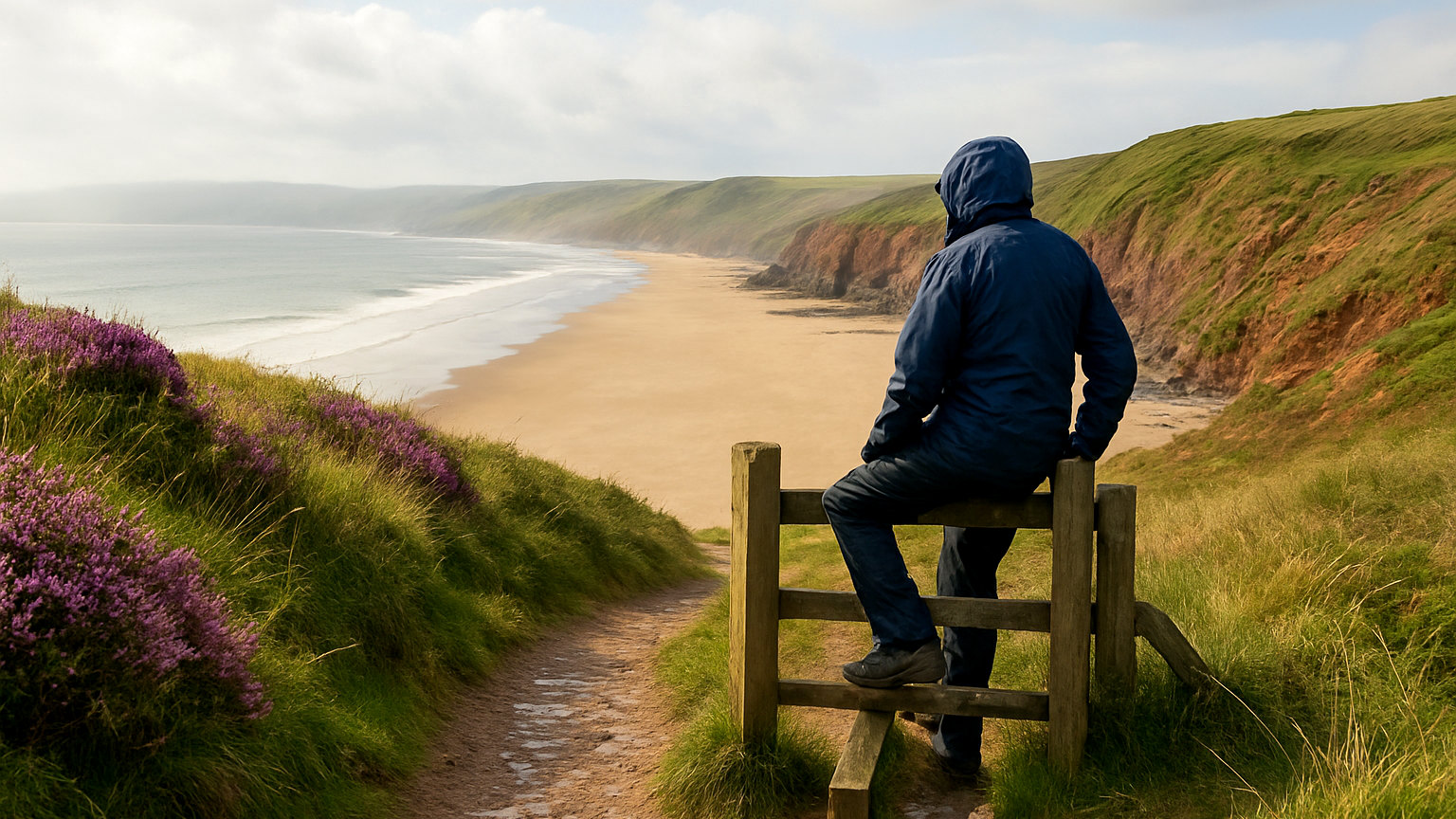
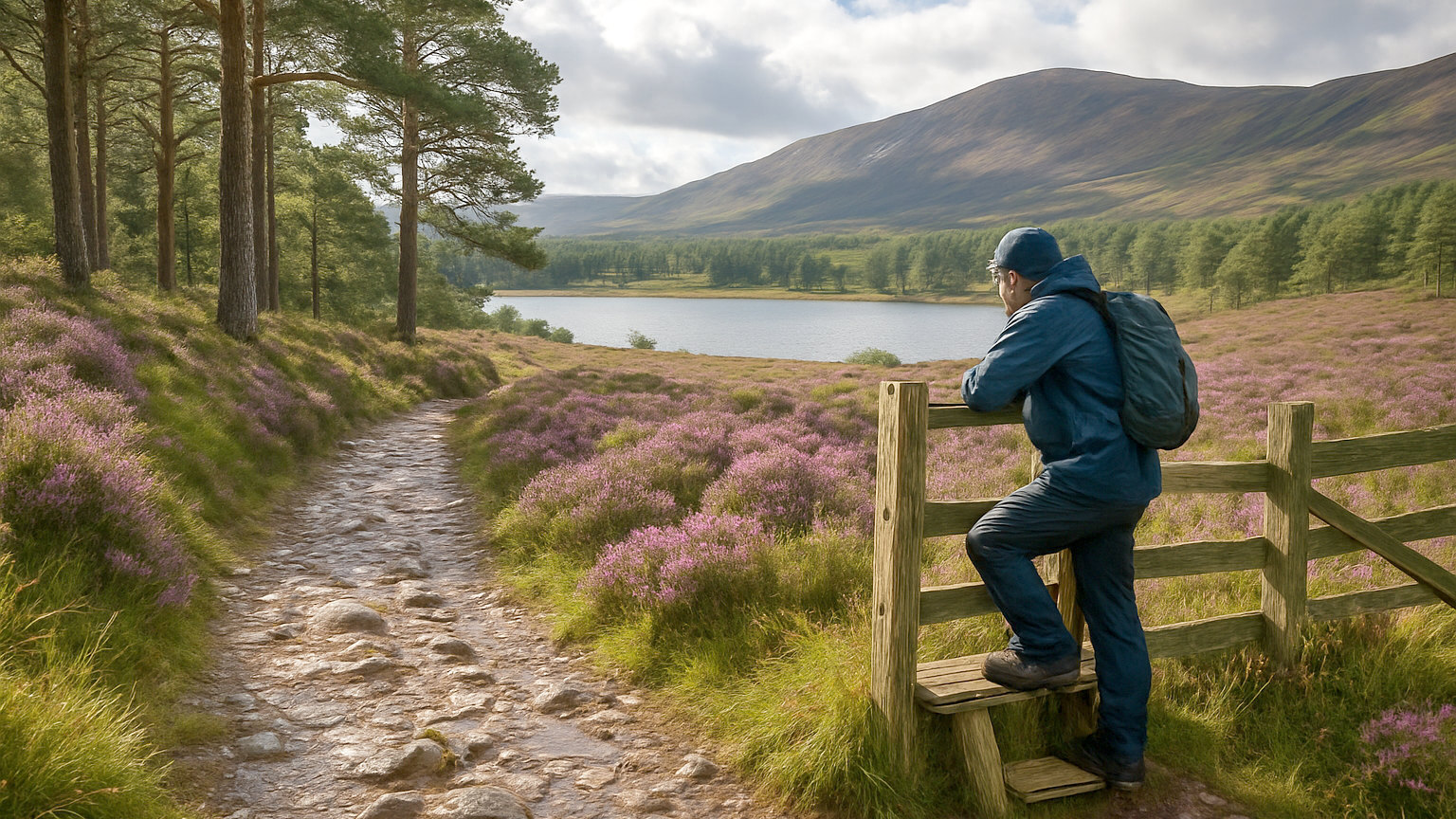
Forest and woodland walking, which is sheltered by the canopy. Low level valley walks. Coastal paths with proper clothing, which are dramatic in weather.
What does not work is anything requiring a view, exposed ridges in wind, and boat trips, which are cancelled.
How should you plan for it?
Identify one indoor option per day before you travel rather than searching for one in a car park in the rain. That single act of preparation is what separates a good wet weekend from a frustrating one.
Keep the walking days flexible and the indoor days in reserve, then decide each morning.
What should you take?
Genuinely waterproof clothing rather than showerproof, including trousers, and footwear that stays dry. A change of clothes and something to dry things on.
Board games, books and something to cook properly, which turns an enforced indoor evening into a pleasant one.
What is the reliable choice?
A compact city with free museums, or a rural base with a fire, a pub within walking distance and a cave or mine within half an hour.
Both work in any weather, which means the forecast stops mattering and the weekend can be booked without anxiety.
What about the accommodation itself?
It becomes the destination rather than the base, which changes what matters. Space to sit apart from each other, a proper kitchen, a fire, a bath and enough rooms that a group is not confined to one. A property chosen for its location and nothing else will disappoint on a wet weekend, while one chosen for comfort will carry the trip regardless of what the sky does.
One final point: British weather changes within hours, so a wet morning frequently becomes a usable afternoon. Abandoning a whole day at nine o'clock is almost always premature.