Winter in Britain is cheap, empty and dark. The daylight is the binding constraint rather than the weather, which is mild by continental standards, and a winter trip works well provided it is built around what the season actually offers rather than a summer itinerary in worse conditions.
What is genuinely better in winter?
Wildlife. Wintering wildfowl and waders arrive in enormous numbers on the estuaries, starling murmurations gather at dusk from October, and grey seals pup on the beaches from late autumn.
Dark skies, since astronomical darkness returns and the nights are long. Ruins and coastlines under low sun. Cities, which are built for indoor weather.
Which places suit it?
Cities above all, where free museums, galleries, markets and pubs mean short days are no constraint. York, Edinburgh, Bath, Manchester and Glasgow all work in any weather.
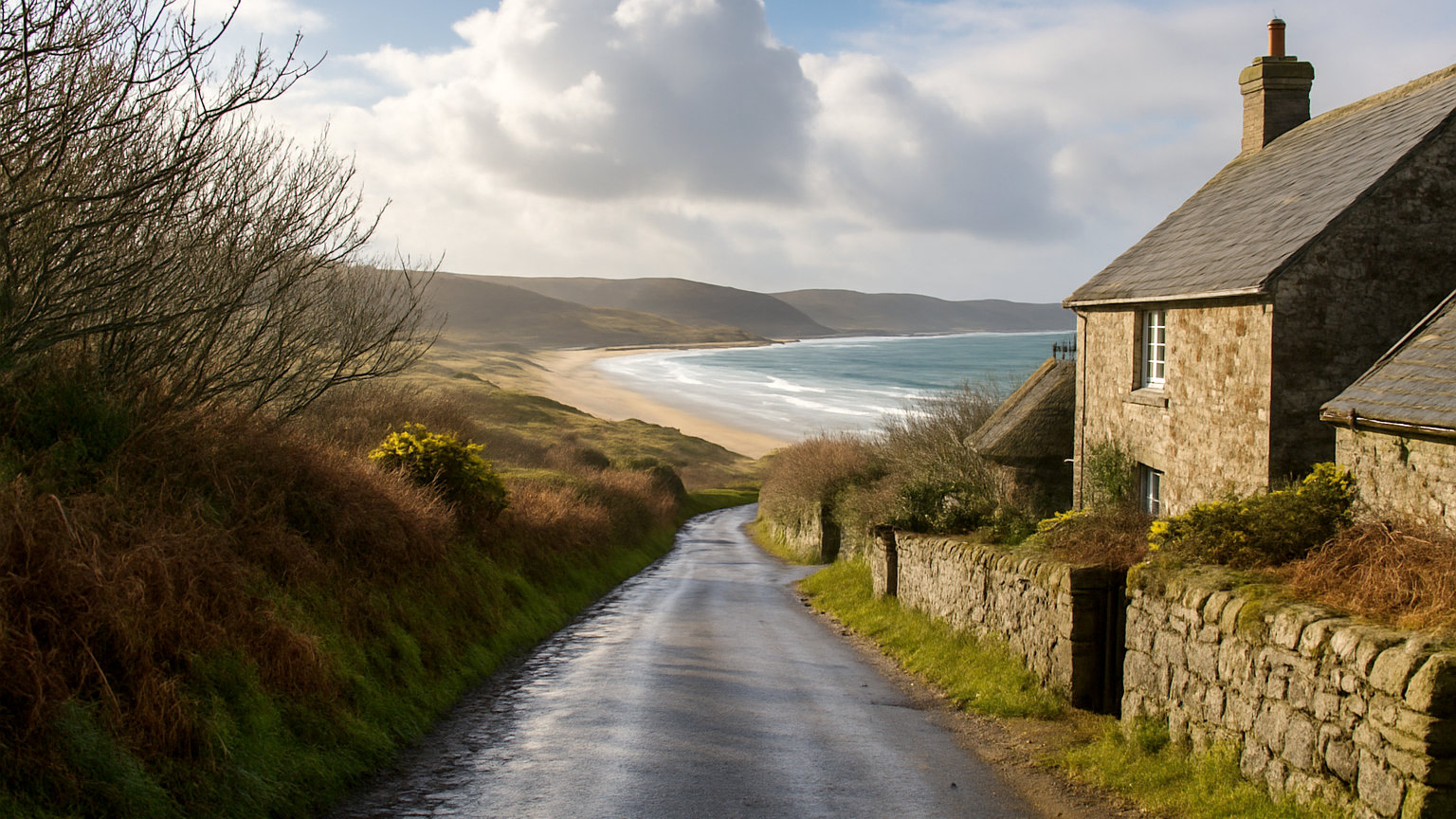
Coastal towns with a resident population, which stay open and are dramatic in winter. Rural bases with a fire, a pub within walking distance and something to do indoors.
What closes?
A great deal. Many country houses and gardens shut entirely from November to March, smaller museums open only at weekends, and rural pubs frequently close early in the week.
Some coastal towns close almost completely. Check before booking, since a village chosen for its pub is a poor choice if that pub shuts for six weeks in January.
How short are the days?
Around eight hours in southern England and under seven in Edinburgh, with sunset before four in late December and earlier further north.
That means one substantial activity per day, started early, and long evenings, which makes the quality of the accommodation matter more than in any other season.
What about snow?
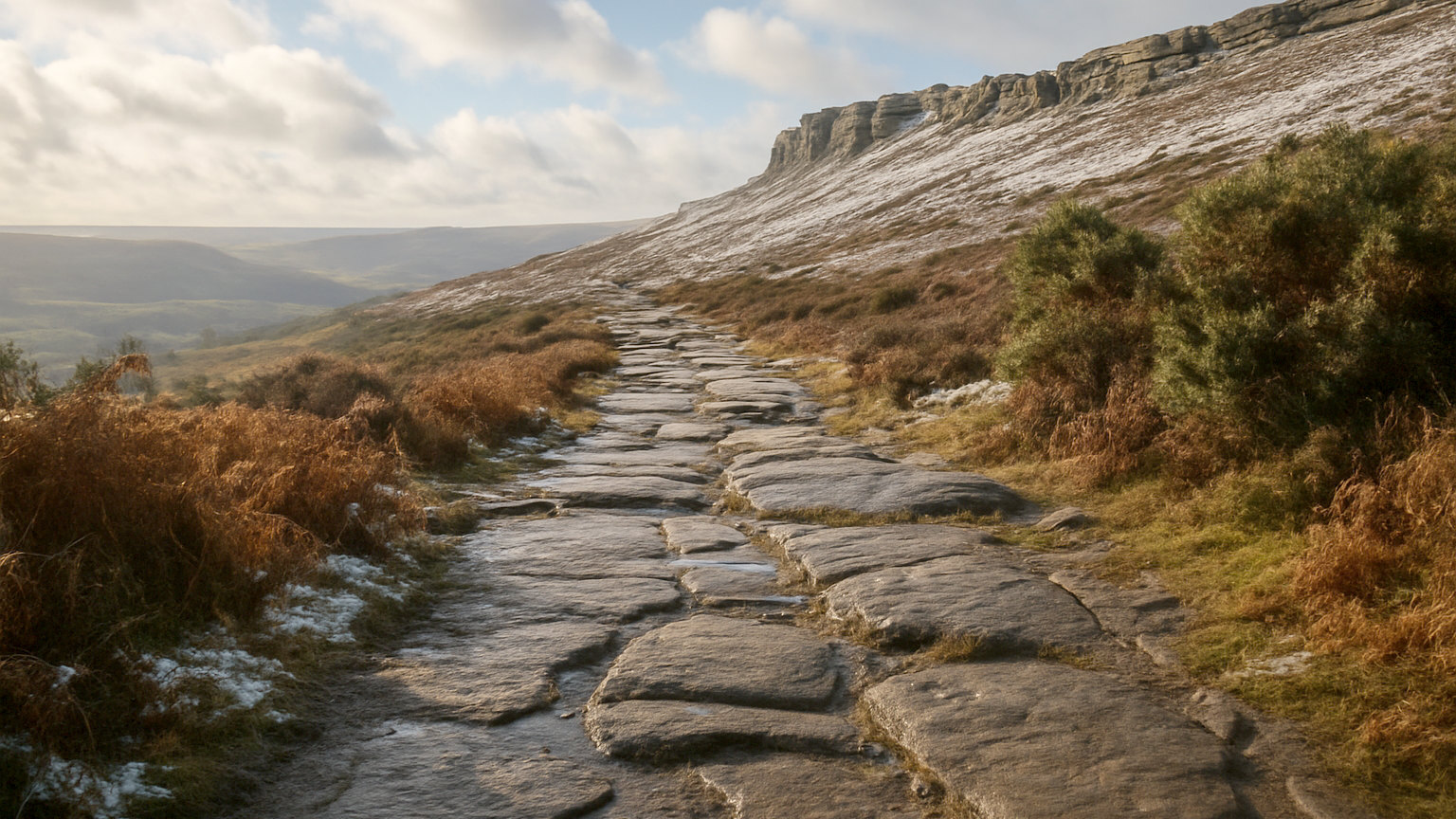
Reliable on the Scottish mountains and the higher Pennines, occasional and disruptive in the lowlands. Britain handles it badly precisely because it gets so little.
Upland roads close first. Ice is a more common hazard than snow across most of the country, particularly on untreated rural roads at dawn.
Is storm watching worth it?
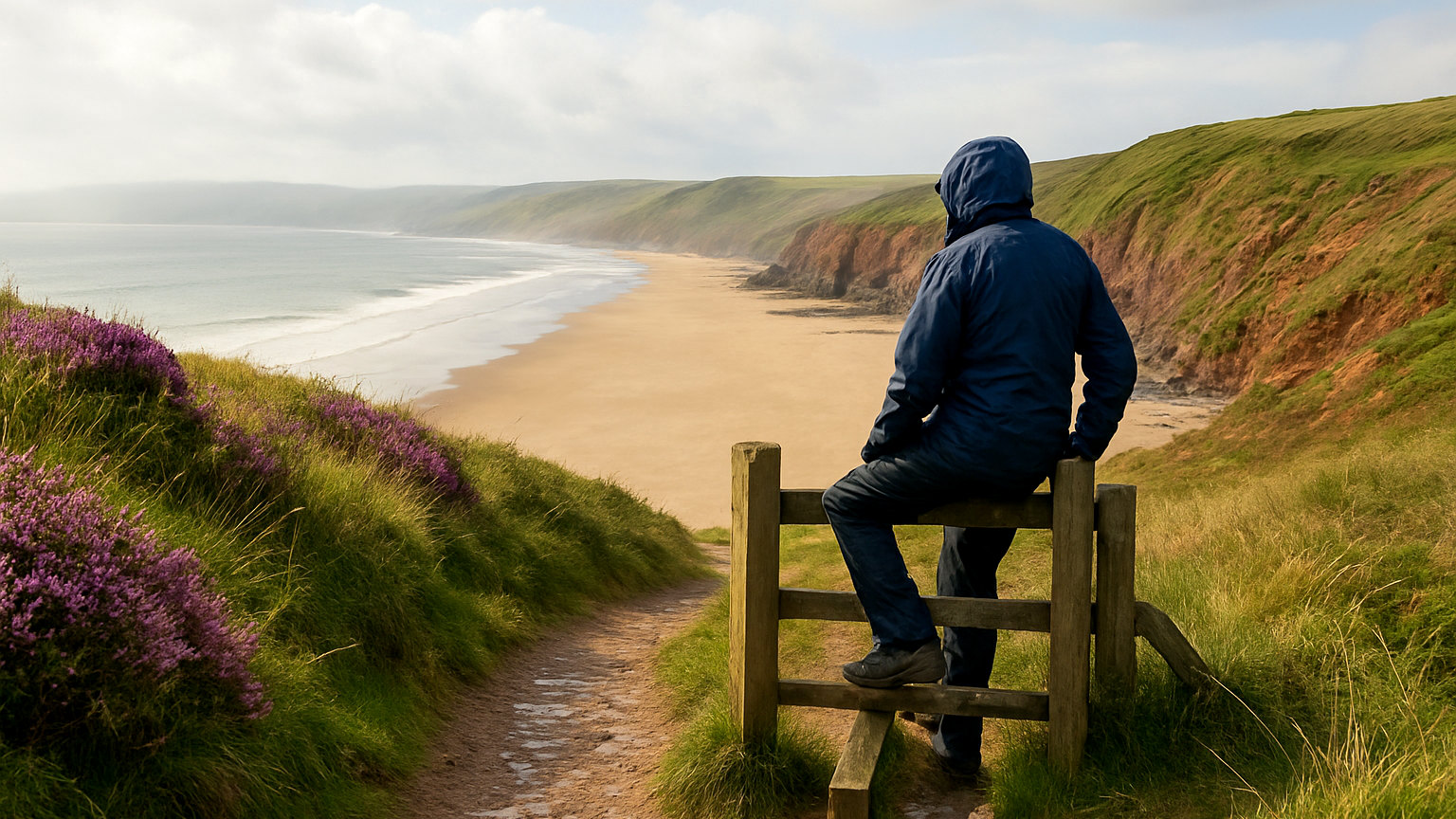
Yes, and it draws people specifically to the Atlantic coasts. A big swell against a harbour wall is genuinely impressive.
Watch from high ground and well back. People are swept off harbour walls, promenades and rocks in Britain every winter, several fatally, and no photograph justifies the risk.
What does it cost?
Substantially less. Accommodation outside the Christmas fortnight drops sharply, short breaks become available where summer requires a week, and restaurants that need booking in August take walk ins.
January and February are the cheapest months of the year to travel in Britain.
What should you take?
Genuinely windproof and waterproof clothing, warm layers, a hat and boots with grip. British winter is damp rather than severely cold, which chills more than the temperature suggests.
A head torch, since anything outdoors will finish near dark, and a power bank, as cold reduces battery capacity substantially.
What about Christmas and New Year?
A distinct period with its own rules. Almost nothing runs on Christmas Day, including most public transport, and the railway undertakes major engineering work between Christmas and the new year.
Hogmanay in Scotland is a substantial event with its own ticketing and accommodation pressure.
What is the best winter trip?
Three nights in a city with free museums and a good restaurant, or a rural cottage with a fire near an estuary full of birds.
Both are cheap, both work regardless of weather, and both give something a summer trip cannot.
What is the light like?
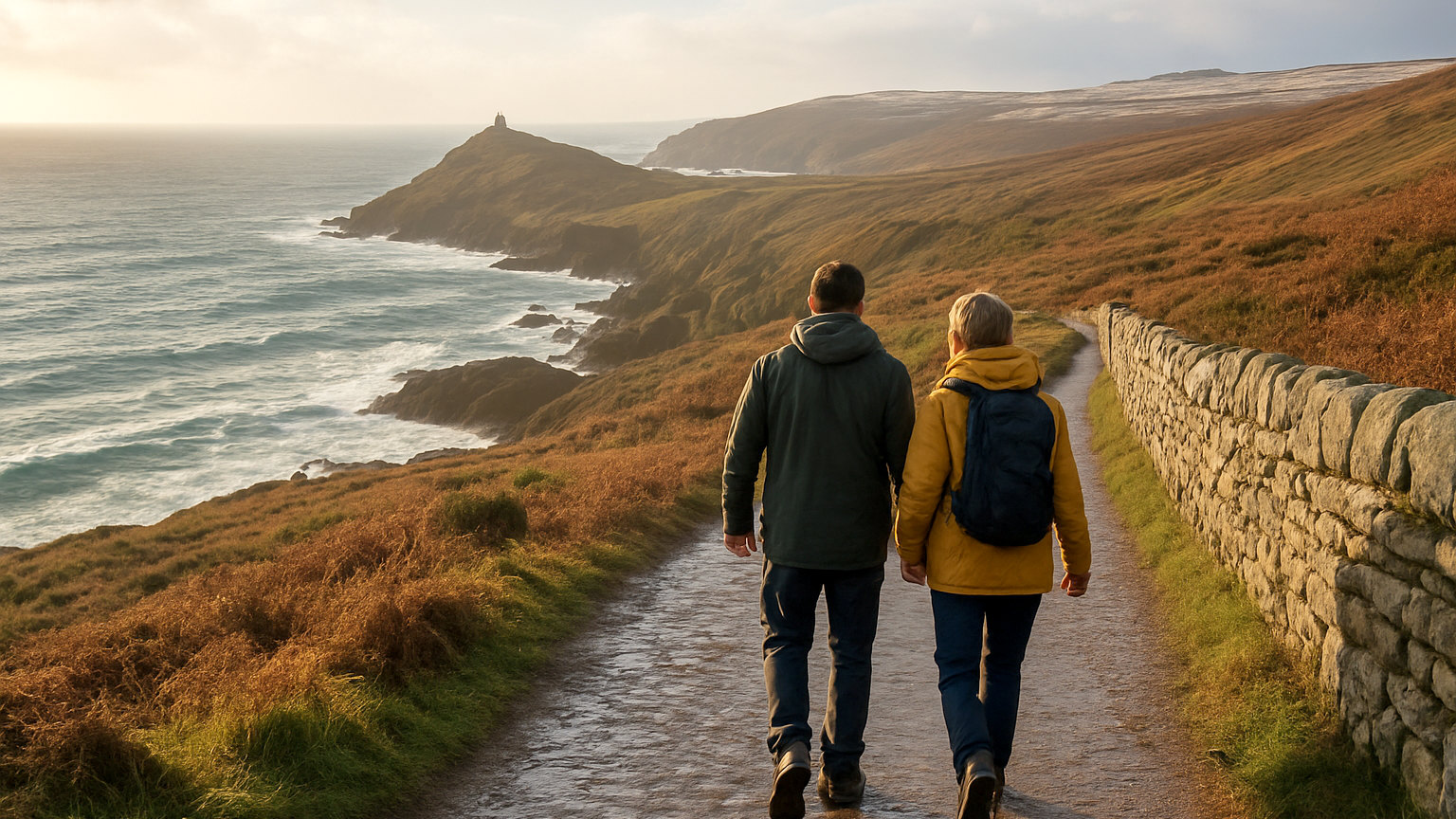
The best of the year, which compensates for how little of it there is. The sun stays low all day, producing long shadows and warm colour from mid morning to mid afternoon rather than only at dawn and dusk. For photography, winter is the strongest season in Britain, and the short day means the good light arrives at civilised hours.
One final point: winter rewards a shorter trip. Two or three nights with one good walk, one long dinner and a fire is a complete winter break, where the same length in summer would feel rushed.