Spring is the most underrated season for travelling in Britain. April, May and June are statistically the driest months, daylight lengthens rapidly, everything reopens after winter and the crowds have not yet arrived. It is the closest thing the country has to an obvious answer.
Where does spring arrive first?
The far south west, where Cornwall and the Isles of Scilly are several weeks ahead of the rest of the country. Daffodils flower there in February while the north is still frozen.
Spring then moves north and uphill at roughly two miles an hour, which means the same flowers appear in northern Scotland three or four weeks later than in Devon.
Which gardens are best?
The Cornish gardens in March and April, several of them sub tropical valleys running down to the sea, planted by Victorian collectors and outstanding for magnolias and camellias.
Rhododendron and azalea gardens peak from late April into May, with major displays in north Wales, Northumberland, Surrey and the Scottish west coast.
When are the bluebells?
Mid April to mid May in most of England and Wales, later further north, with the peak in any given wood lasting around two weeks.
Britain holds a substantial share of the world population, and an ancient wood in full bloom is among the finest sights in the country. Stay on the paths, since trampled bulbs take years to recover.
What about the coast?
Seabird colonies fill from April, with cliffs at Bempton, the Farnes, Skomer and Sumburgh at their noisiest through May and June.
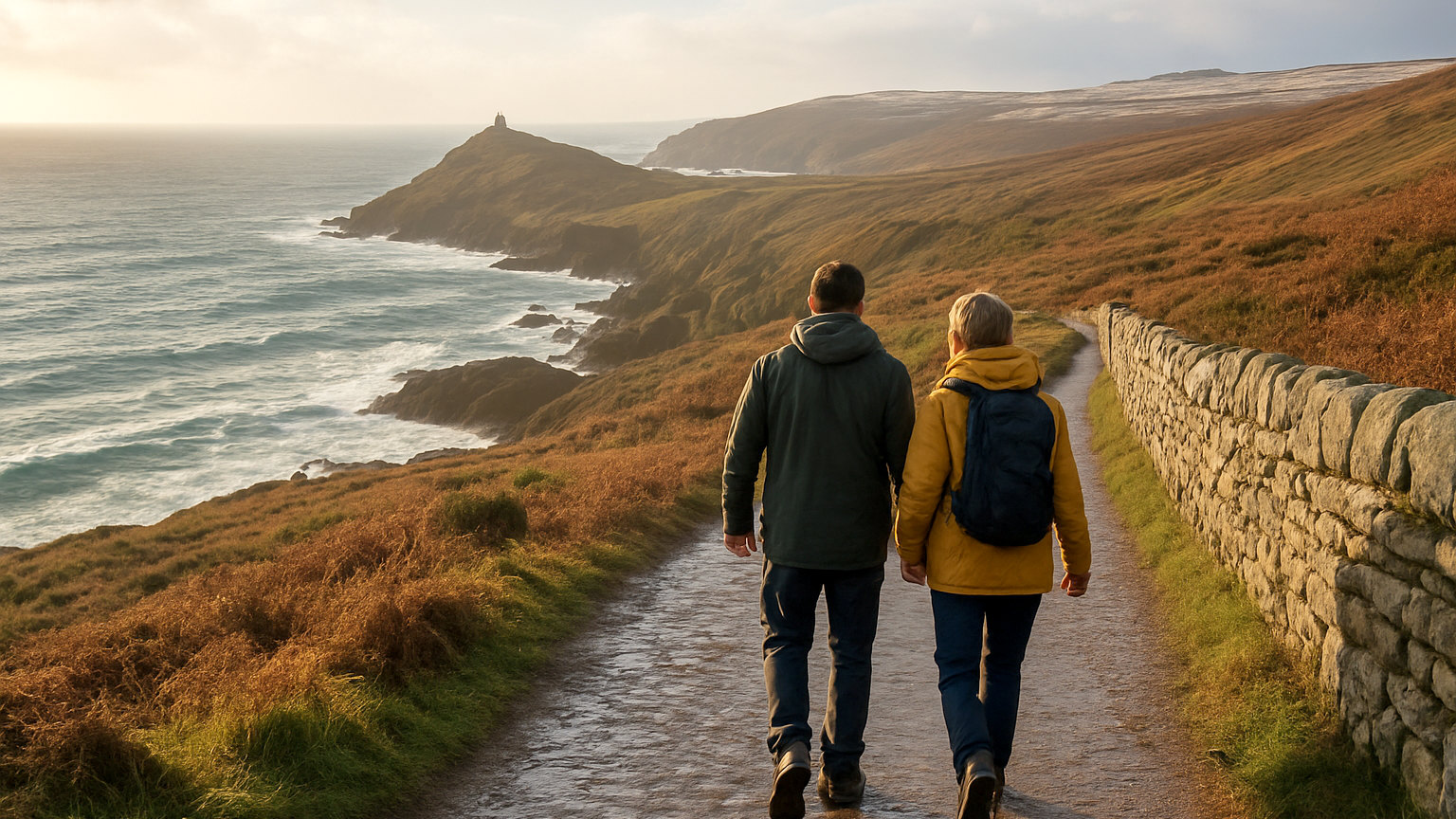
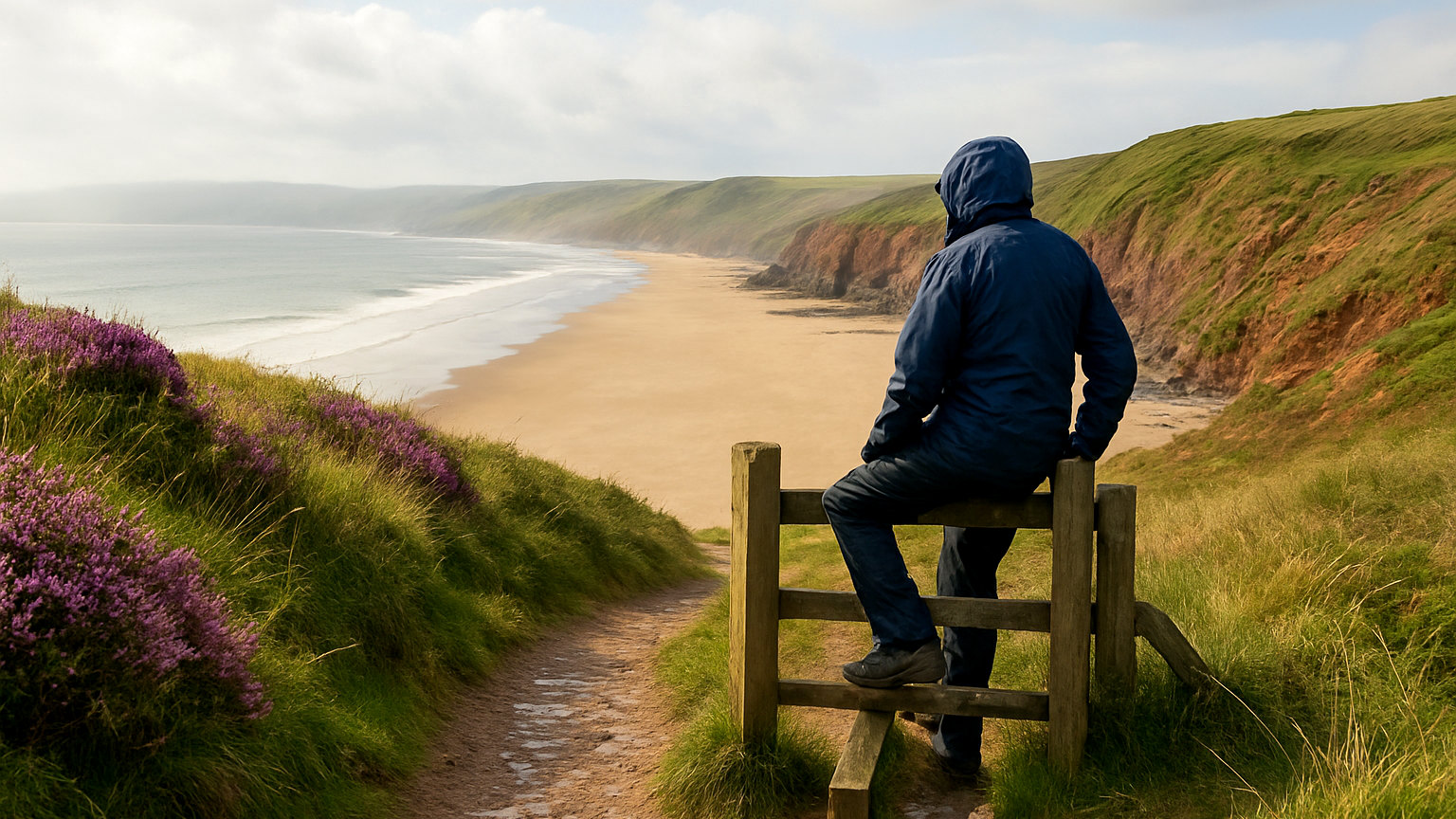
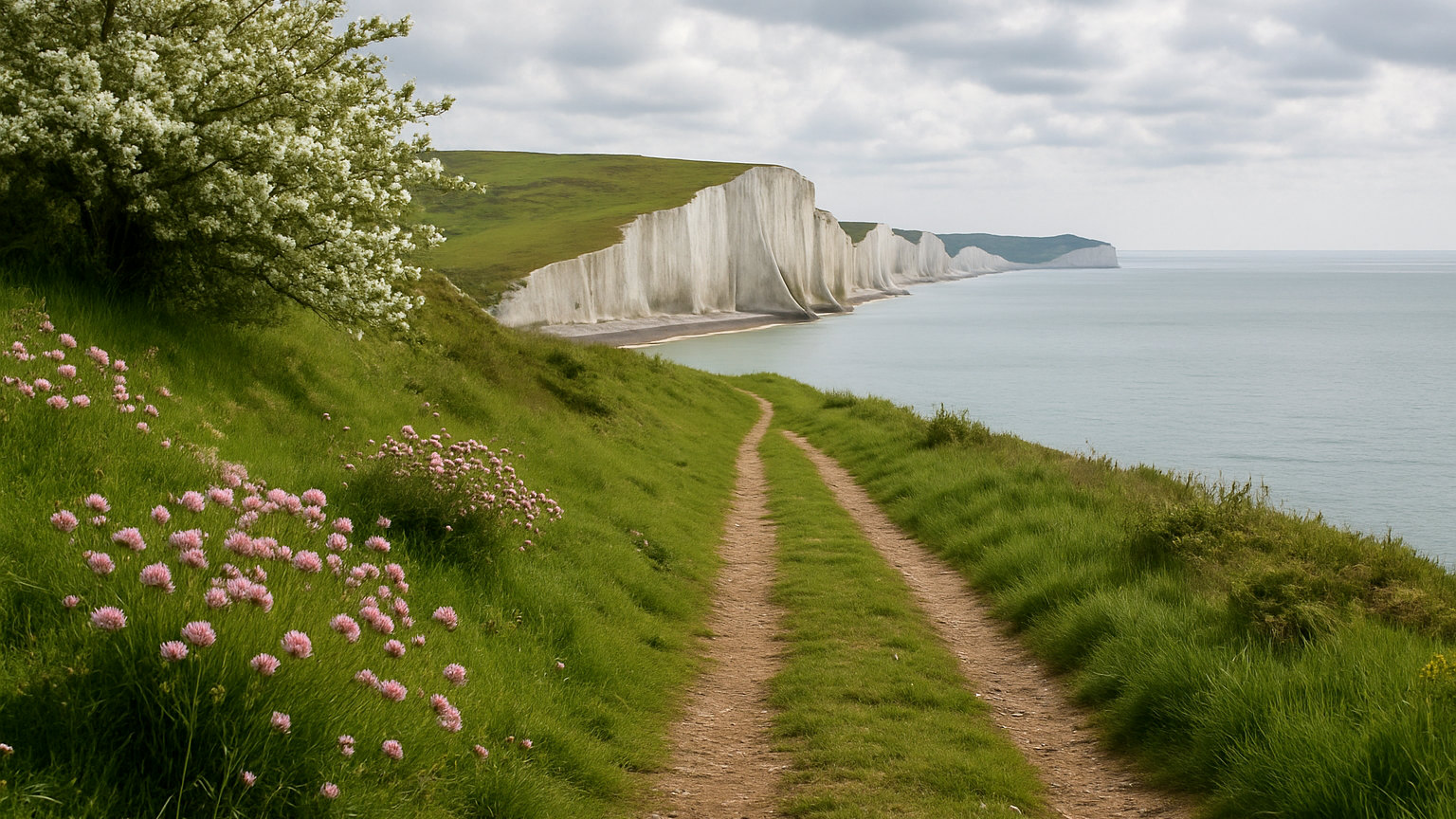
Coastal paths are at their best, with sea pinks and campion on the cliffs, long days and none of the summer congestion.
What happens on farms?
Lambing, from February in the lowlands to April and May on the hills, with many farms opening to visitors for lambing days. Blossom in the orchard counties from late April.
Fields of oilseed rape turn large parts of eastern England bright yellow in May, which is either striking or an eyesore depending on your view.
What is the dawn chorus?
The concentrated burst of birdsong before sunrise, peaking from late April into early June, and best experienced in woodland forty minutes before the sun comes up.
Organised dawn chorus walks run at reserves nationwide during May, and it is free, requiring only an alarm clock.
Where is quietest?
Almost everywhere, since spring falls outside the main holiday season apart from Easter and the two bank holiday weekends in May.
Term time weeks in late April, early May and June are among the quietest travelling weeks of the year in Britain with everything open.
What should you be careful of?
Ground nesting birds, which nest from March to July on moors, dunes and shingle and are extremely vulnerable to disturbance. Keep dogs on leads and stay on paths.
Weather, which in spring changes fast and can produce frost, hail and sunshine in a day. Hills in April still hold snow.
Which regions suit spring particularly?
Cornwall and Devon for gardens and early warmth. The Wye Valley and the Chilterns for bluebells. Pembrokeshire and Northumberland for seabirds and coast.
The Scottish Highlands in late May and June, when the days are enormously long and the midges have not yet reached their peak.
What is the single best week?
The first week of May in an ancient woodland, which gives bluebells at their peak, the dawn chorus at full volume and newly arrived migrants, all at once.
It costs nothing, requires no booking and is over by the middle of the month.
What about Easter?
The one busy period in an otherwise quiet season, and its date moves by up to a month between years, which shifts where the crowds fall. An early Easter in March lands before most gardens peak; a late one in April coincides with the bluebells. Checking the date before assuming April is quiet is worth doing, since accommodation prices in popular areas rise around it.
One final point: spring arrives roughly three weeks later in northern Scotland than in Cornwall, and later again with altitude. Anyone travelling can effectively follow the season northwards and see the same displays twice in one year.