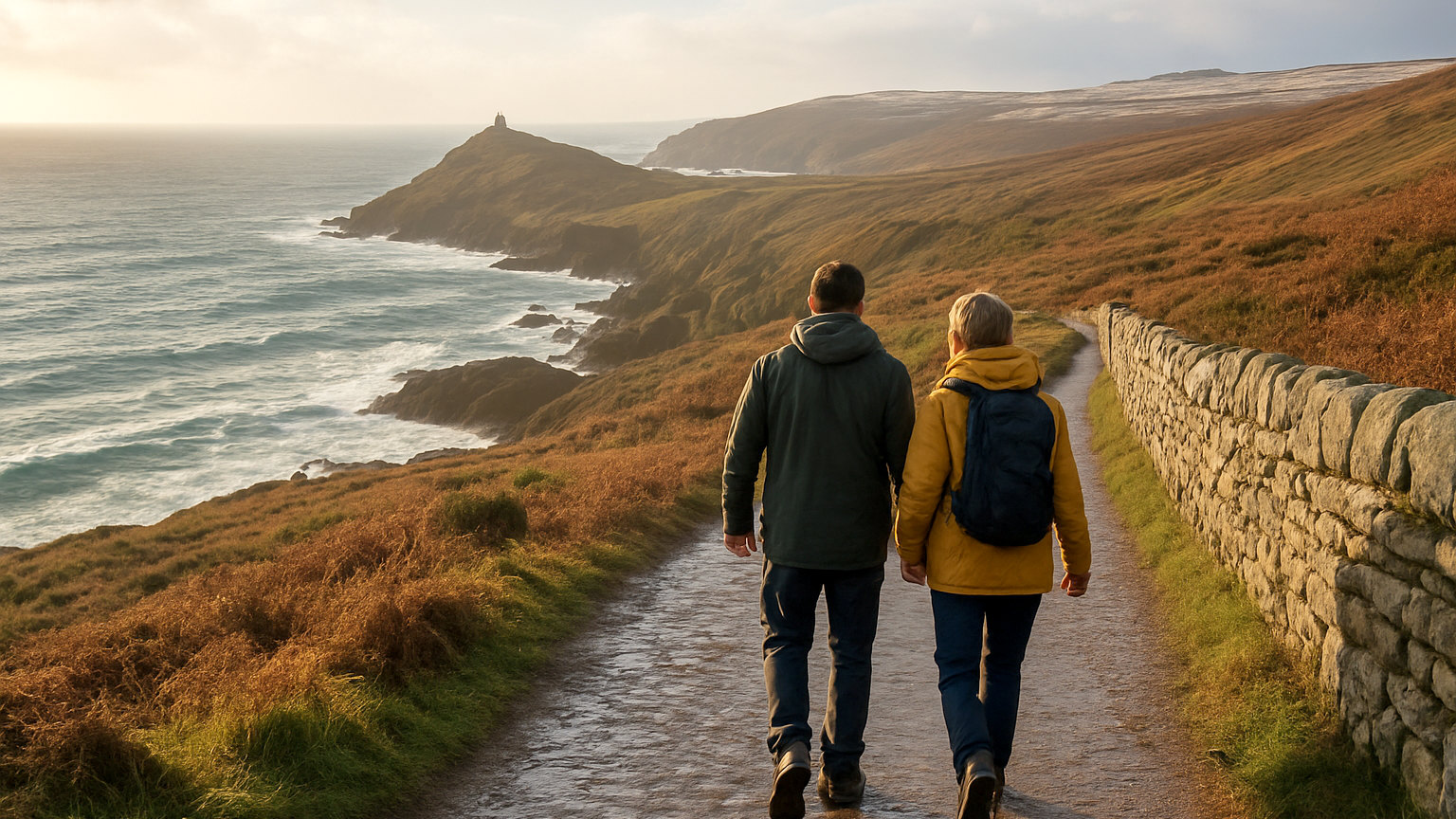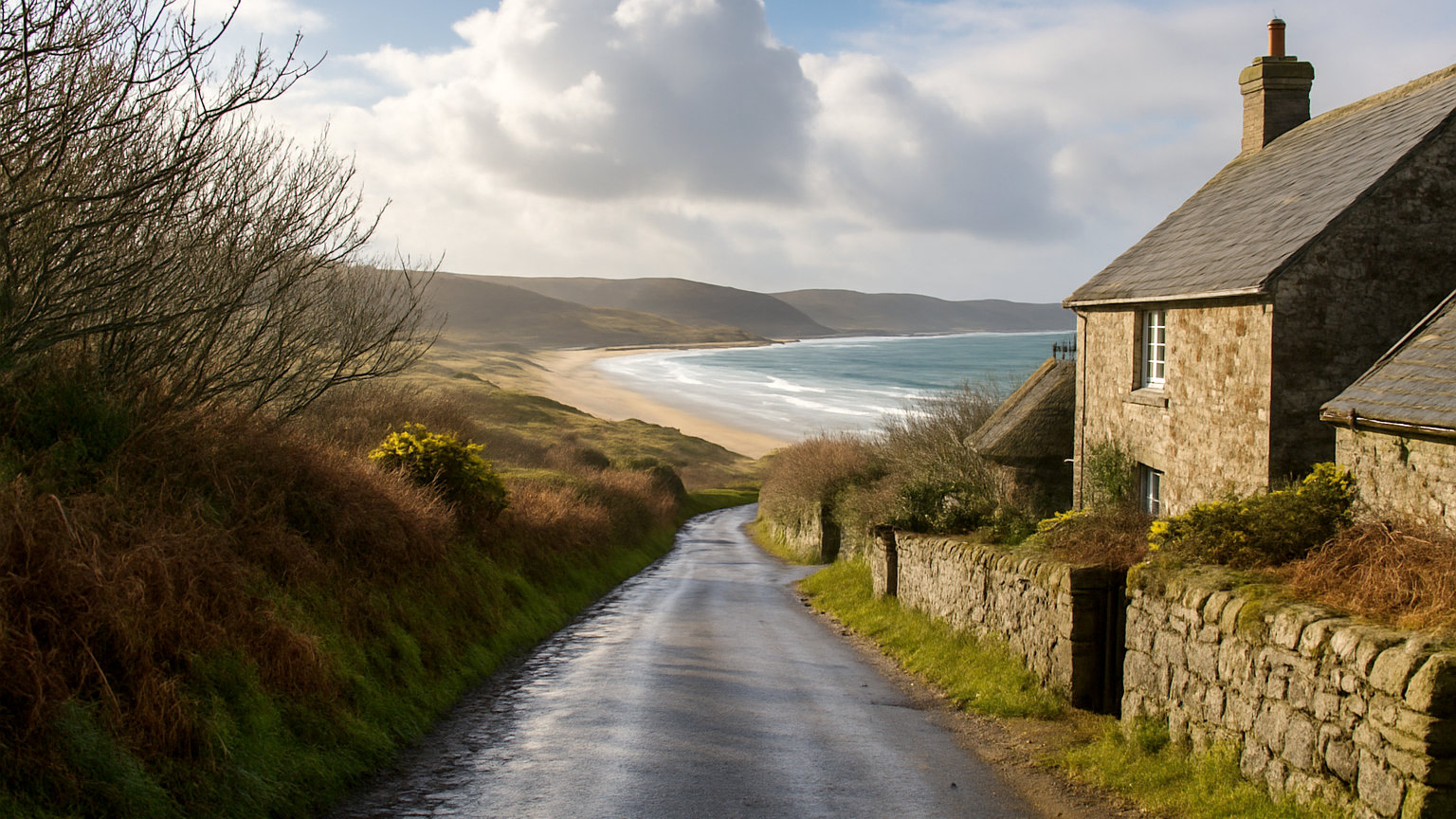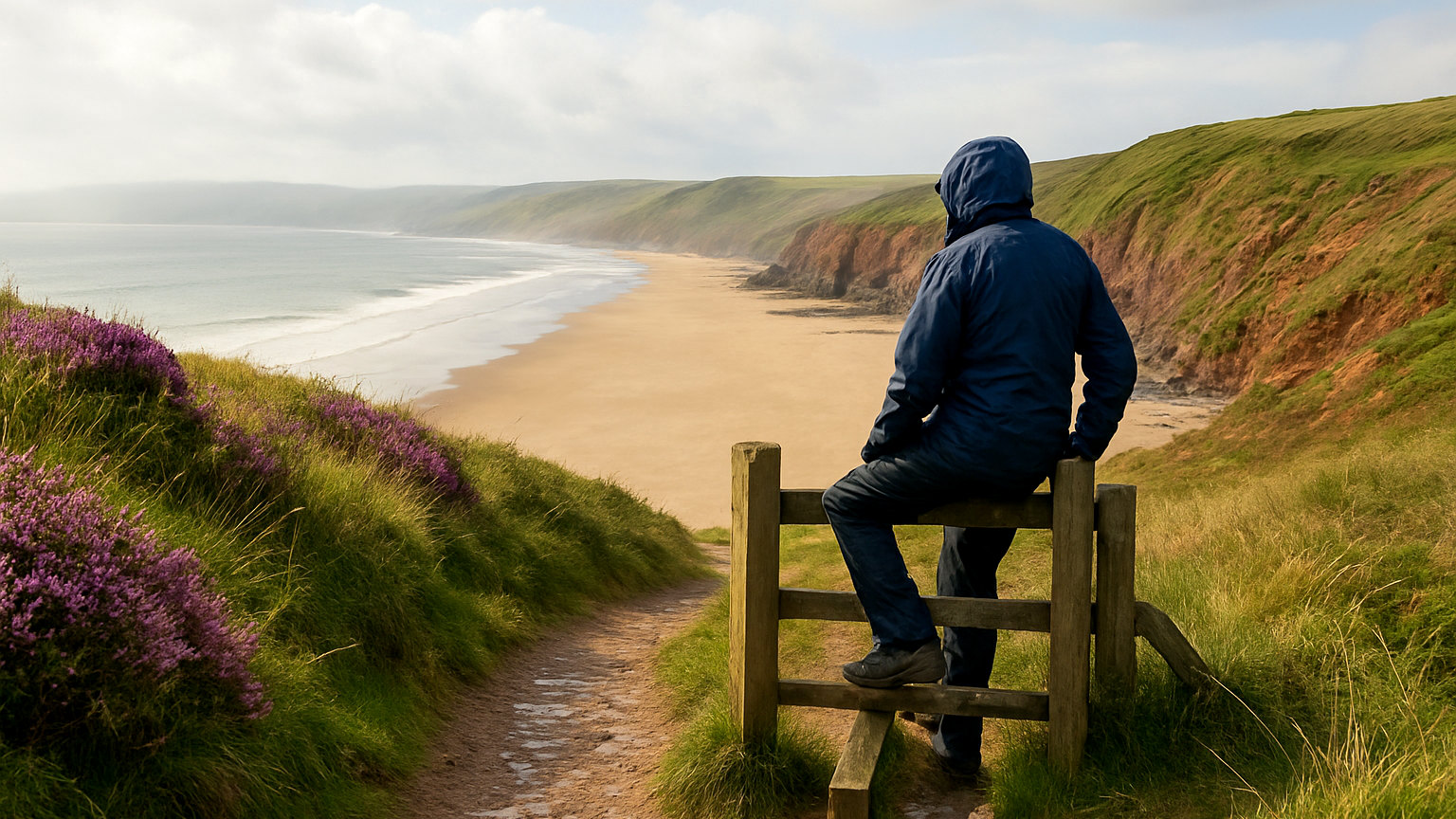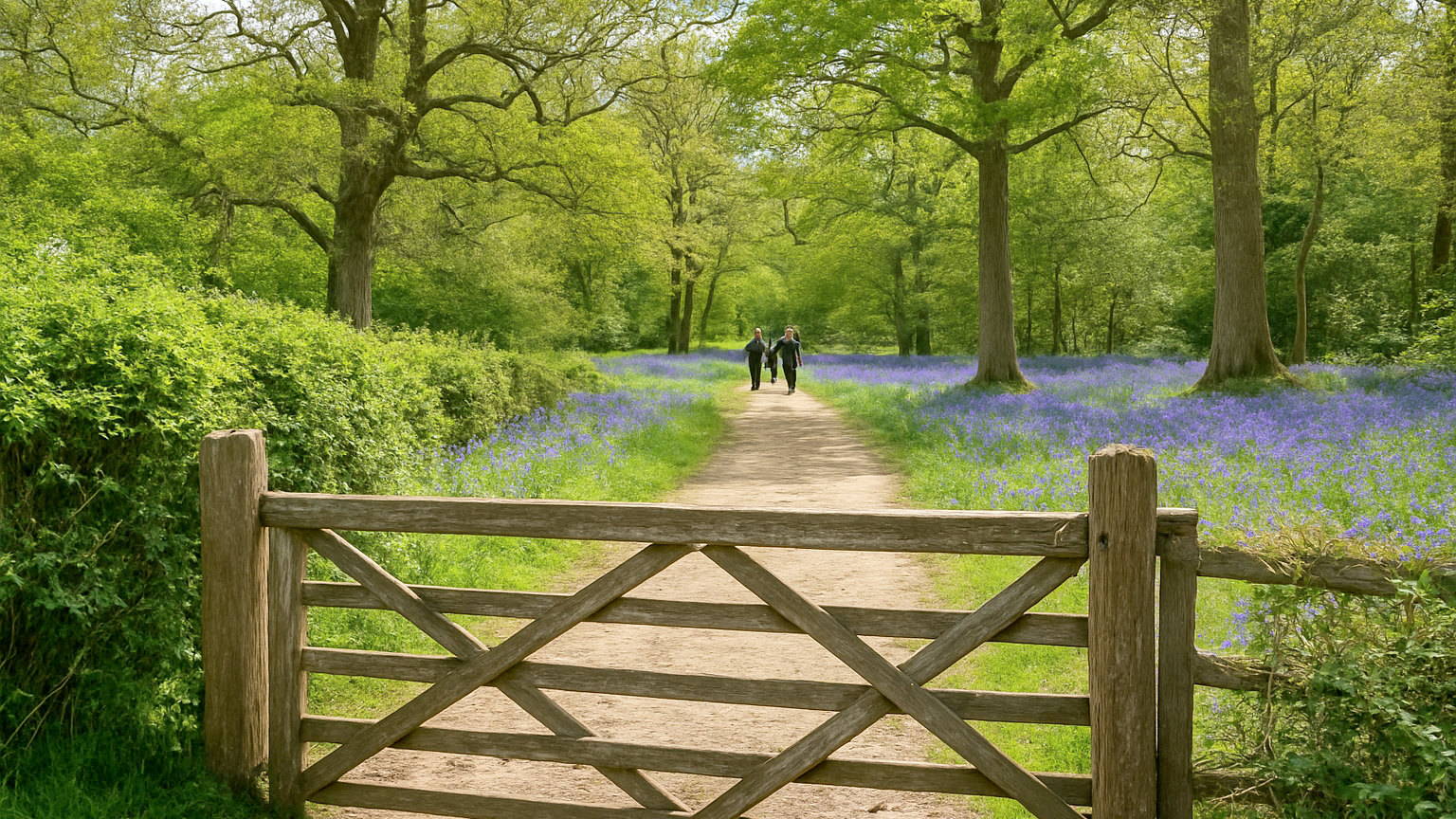
Norfolk is one of the few English counties with a genuine argument for visiting in winter. The wildlife is at its most spectacular between November and February, the beaches are enormous enough never to feel crowded, and the light on a clear cold day is the best the county produces.
When do the seals pup?
Grey seals give birth on the Norfolk coast from late October through December, with the largest colonies at Blakeney Point and Horsey holding thousands of animals.
Horsey is viewed from marked paths and cordons managed by volunteers; Blakeney is reached by boat from Morston, which is the better trip. Keep well back and never come between a pup and the sea.
What about the geese?
Pink footed geese arrive from Iceland in October and stay until February, in numbers running into the tens of thousands, roosting on the marshes and flying inland at dawn to feed.
Watching them leave the roost at first light is among the great wildlife spectacles in Britain and costs nothing.
What is spring like?
Quiet, with breeding birds arriving on the reserves along the north coast and marsh harriers displaying over the reedbeds.
The Broads come alive from April, and the swallowtail butterfly flies in late May and June, found nowhere else in Britain.
When is the crab season?
Cromer crab is landed from around April to September, at its best in early summer, caught by a small fleet working from the beach.
It is sold dressed from shops in Cromer and Sheringham and is genuinely different from crab landed elsewhere.
What is samphire?
A salt marsh plant picked in July and August along the north coast, sold in shops and at roadside stalls, eaten as a vegetable with fish.
Picking it yourself requires care about tides and about not damaging the marsh, and some areas prohibit it.
How busy is summer?
Busy on the north coast, where the villages between Wells and Cley have limited parking and fill by mid morning in August.
The beaches themselves are so large that they never feel crowded. Holkham in particular runs for miles and absorbs any number of people.
What happens in autumn?
Bird migration, which on this coast is exceptional. Easterly winds in September and October bring scarce and rare species and fill the reserves with birdwatchers.
Cley and Blakeney are the focus, and the atmosphere during a good arrival is unlike anything else in British wildlife watching.
Is winter genuinely worth it?
Yes. Seals, geese, enormous skies, empty beaches and considerably lower prices, with the coastal towns still open because they have resident populations.
Take far more warm clothing than you think, since the wind comes off the North Sea with nothing in the way.
What about the Broads?
Best from late spring to early autumn for boating, since hire yards reduce operations in winter and the weather makes it uncomfortable.
Winter on the Broads is excellent for birds and very quiet indeed.
What is the weather like?
Among the driest counties in Britain, since Norfolk sits in the rain shadow of the whole country, with high sunshine totals and cold easterly winds.
It is a drier holiday than the west country in most months, which people consistently fail to expect.
What is the best week?
Late November for seals and geese together, which is the county at its most spectacular and its cheapest.
Failing that, late May for the Broads and the breeding birds, or early September for the coast without the crowds.
Where should you base yourself?
The north coast between Hunstanton and Cromer for wildlife and beaches, with Wells, Blakeney and Cley the classic choices. Norwich for a city base with everything within an hour. The Broads for boating. All three are quite different holidays and the county is small enough that none is far from the others.
What about the beaches?
Enormous. Holkham runs for miles behind pine woods and never feels crowded whatever the season. Brancaster, Wells and Waxham are similarly large. The tide goes out a long way on this coast, which means long walks to the water and, at a few points, a genuine risk of being cut off on sandbanks, so check locally.