Blossom in Britain runs from March to late May in a fairly predictable sequence, and each stage lasts a week or two. It is one of the more accessible seasonal spectacles, since a great deal of it happens in hedgerows and orchards rather than requiring a journey.
What flowers first?
Blackthorn in March, producing white flowers on bare black twigs before any leaves appear, which is why it is so conspicuous in hedgerows.
A cold snap during blackthorn flowering is traditionally called a blackthorn winter, which is a genuinely useful piece of folk observation.
When are the orchards at their best?
Late April into early May, with cider apple varieties slightly later than dessert. Pears and plums flower earlier, cherries in between.
Herefordshire, Worcestershire, Somerset, Gloucestershire and Kent hold the largest concentrations, and several counties publish blossom trails for the fortnight when it peaks.
Which orchards can you visit?
Traditional standard orchards, with widely spaced full sized trees and grazing beneath, are a declining habitat of considerable wildlife value and are the most beautiful to walk in.
Several cider farms, conservation charities and community orchards open during blossom, and a number hold events. Modern bush orchards are more productive and less picturesque.
What about cherry blossom?
April, in gardens, streets and parks across the country. Several cities have avenues planted with Japanese varieties that draw substantial crowds for a fortnight.
Wild cherry flowers in woodland at the same time and is taller and less showy. One garden in Northumberland holds a large collection of a particular white flowered variety and is spectacular in spring.
What flowers in May?
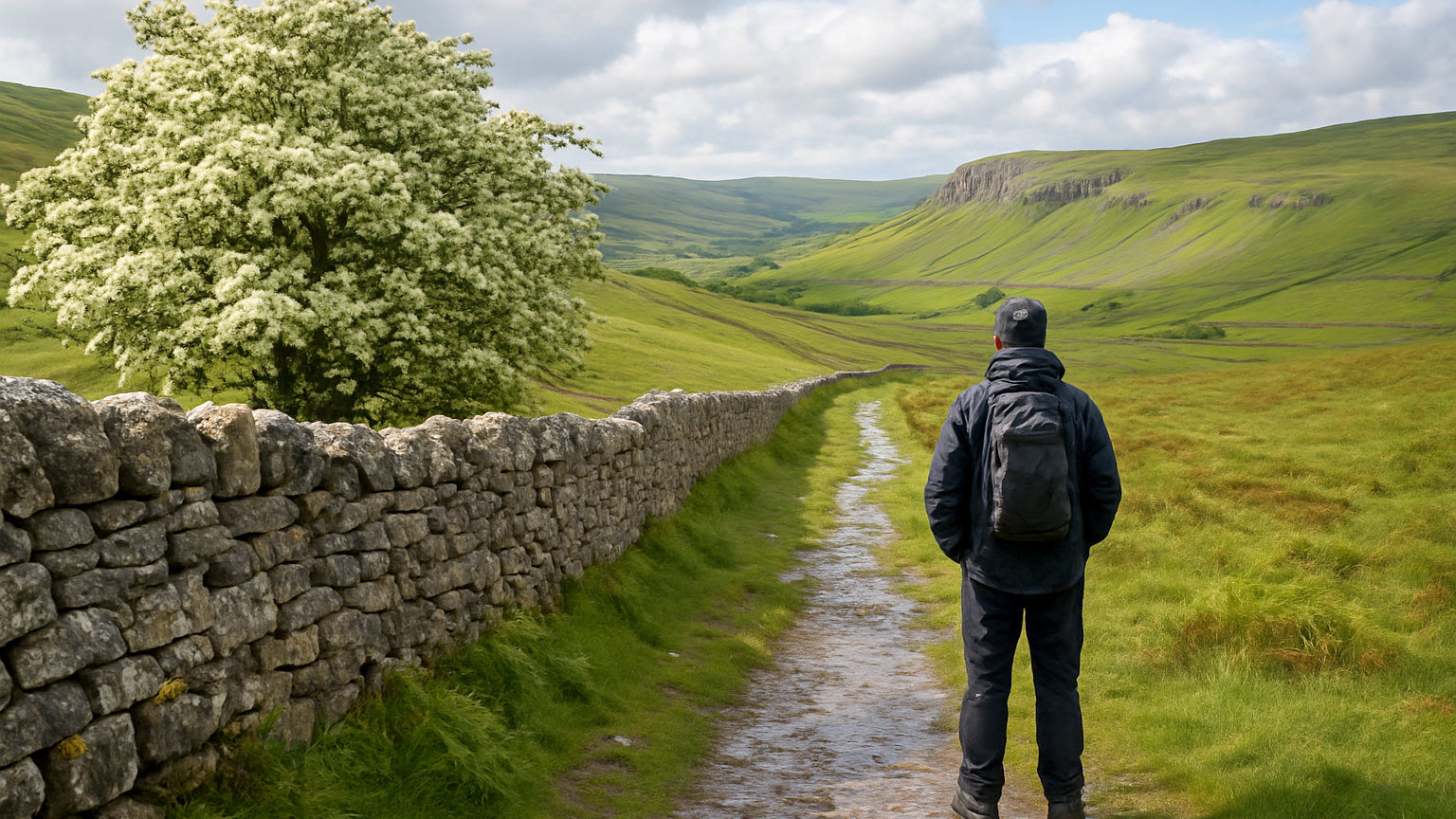
Hawthorn, which fills the hedgerows and is the reason May is sometimes called after it. Rowan, elder later in the month, and horse chestnut candles.
Hawthorn flowering is the traditional marker of the start of summer, and the older calendar it belongs to explains a good deal of British folk custom.
What about the yellow fields?
Oilseed rape, which turns large parts of eastern and central England bright yellow through May. It is a modern crop rather than a traditional sight and divides opinion sharply.
Linseed follows later in blue, and fields of poppies appear on disturbed ground in June.
How do you time a visit?
Blossom is weather dependent and moves by up to a fortnight between years. Orchard trusts and blossom trails publish updates through April.
A cold spring delays it and a warm one brings it forward, and a windy week can strip a display in days.
Why does it matter beyond appearance?
Because orchards are important habitat, supporting mistletoe, rare beetles and a range of birds, and traditional orchards have declined substantially in area over the past century.
Visiting during blossom, buying the resulting juice and cider, and supporting community orchards all contribute to keeping them.
Where should you go?
Herefordshire or Somerset in late April for cider orchards, Kent for fruit and hops in the same window, and any local hedgerow in March and May, which costs nothing.
Community orchards exist in a great many towns and are usually open to walk in.
What is the best blossom trip?
Three nights in a cider county in the last week of April, combining orchards in flower, a farm visit and countryside that is at its greenest before the summer growth.
It is a short season, entirely free to enjoy and almost never planned for.
How long does it last?
A week or two for any individual species in any one place, which is why blossom is so easily missed. Wind and heavy rain shorten it further. The compensation is that the sequence runs from March to late May, so something is in flower for around ten weeks even though no single display lasts more than a fortnight.
One final suggestion: look at hedgerows rather than only orchards. Blackthorn in March and hawthorn in May turn ordinary lanes across the whole country white for a fortnight each, and it costs nothing and requires no journey at all.