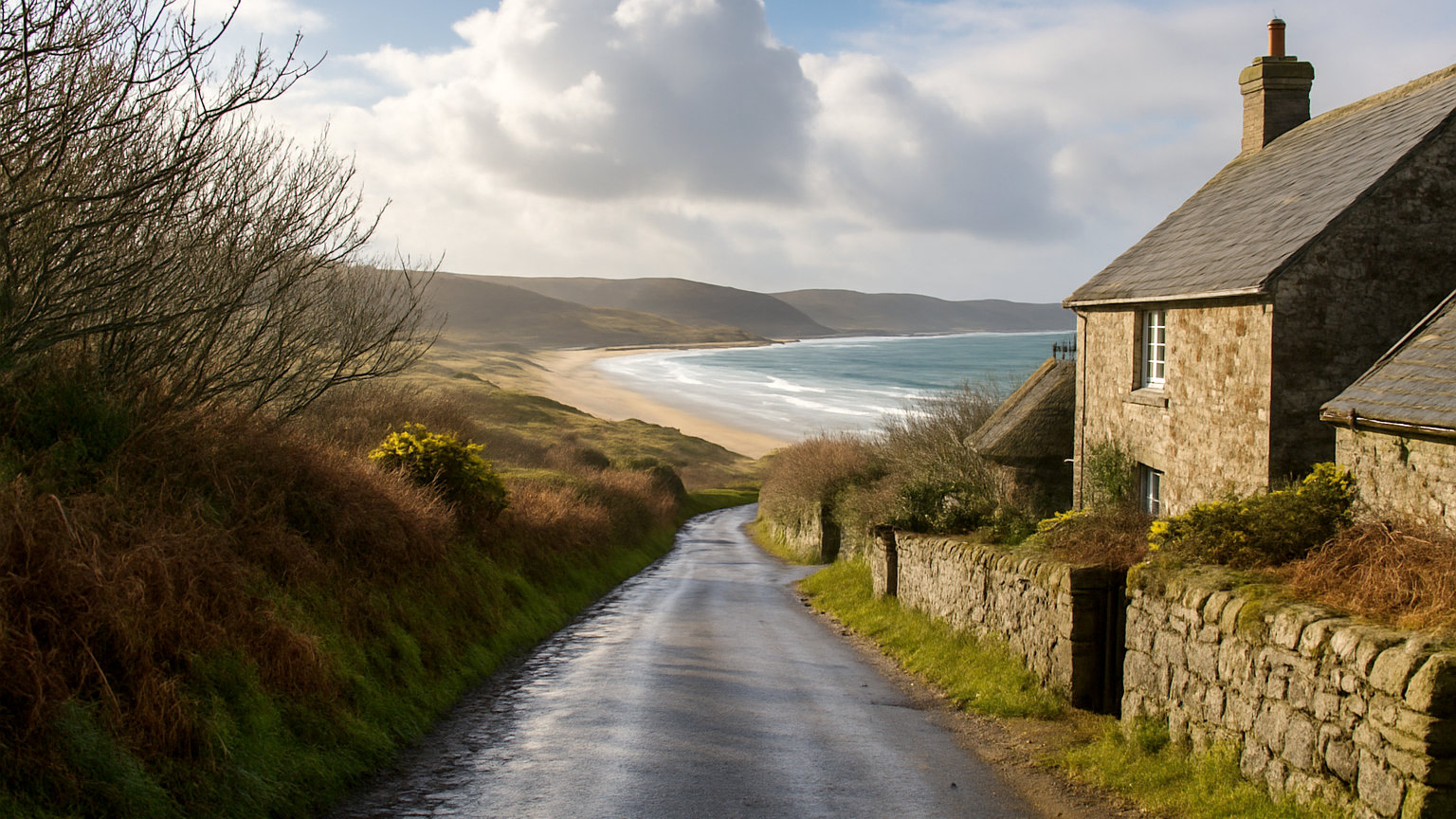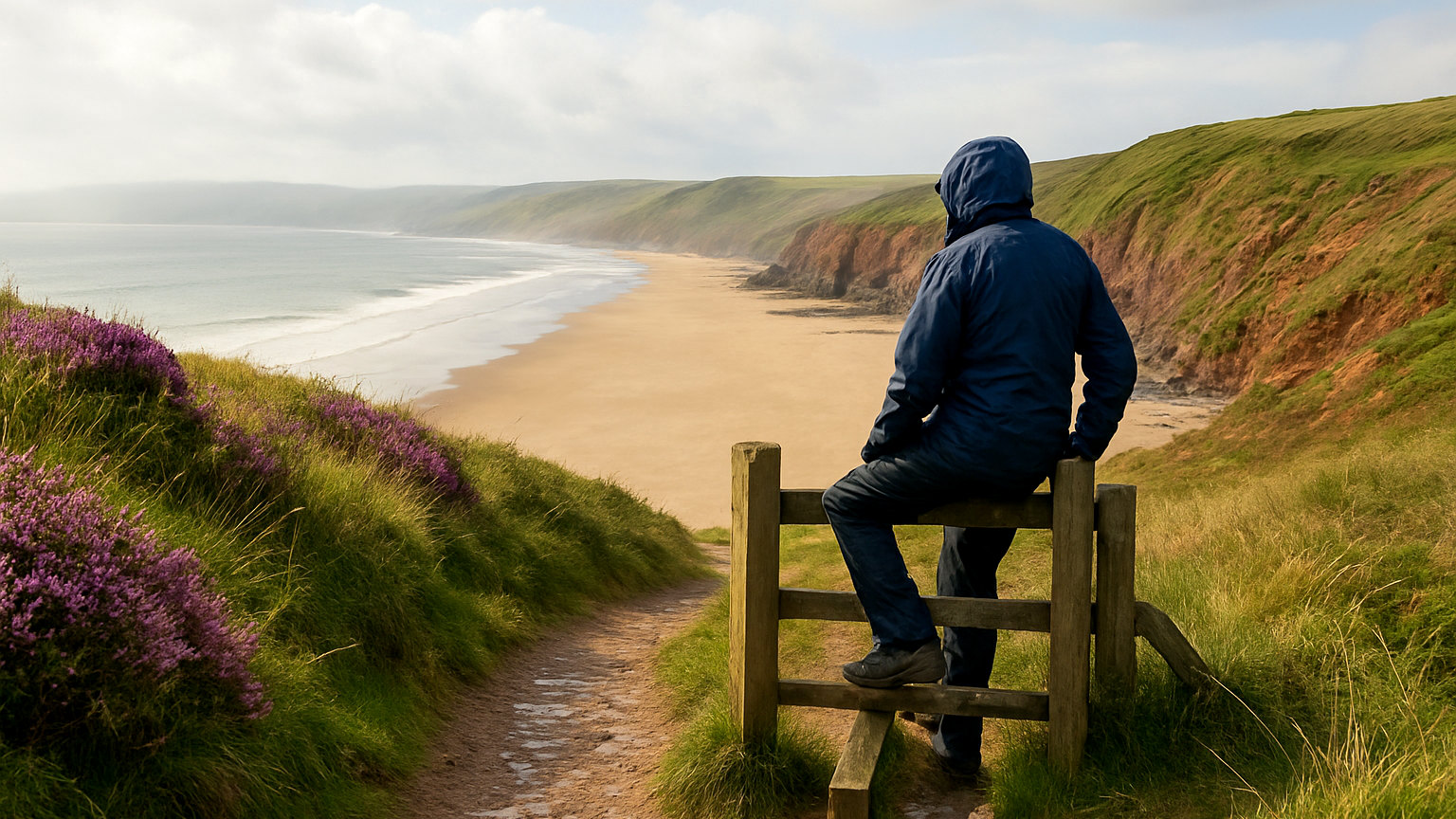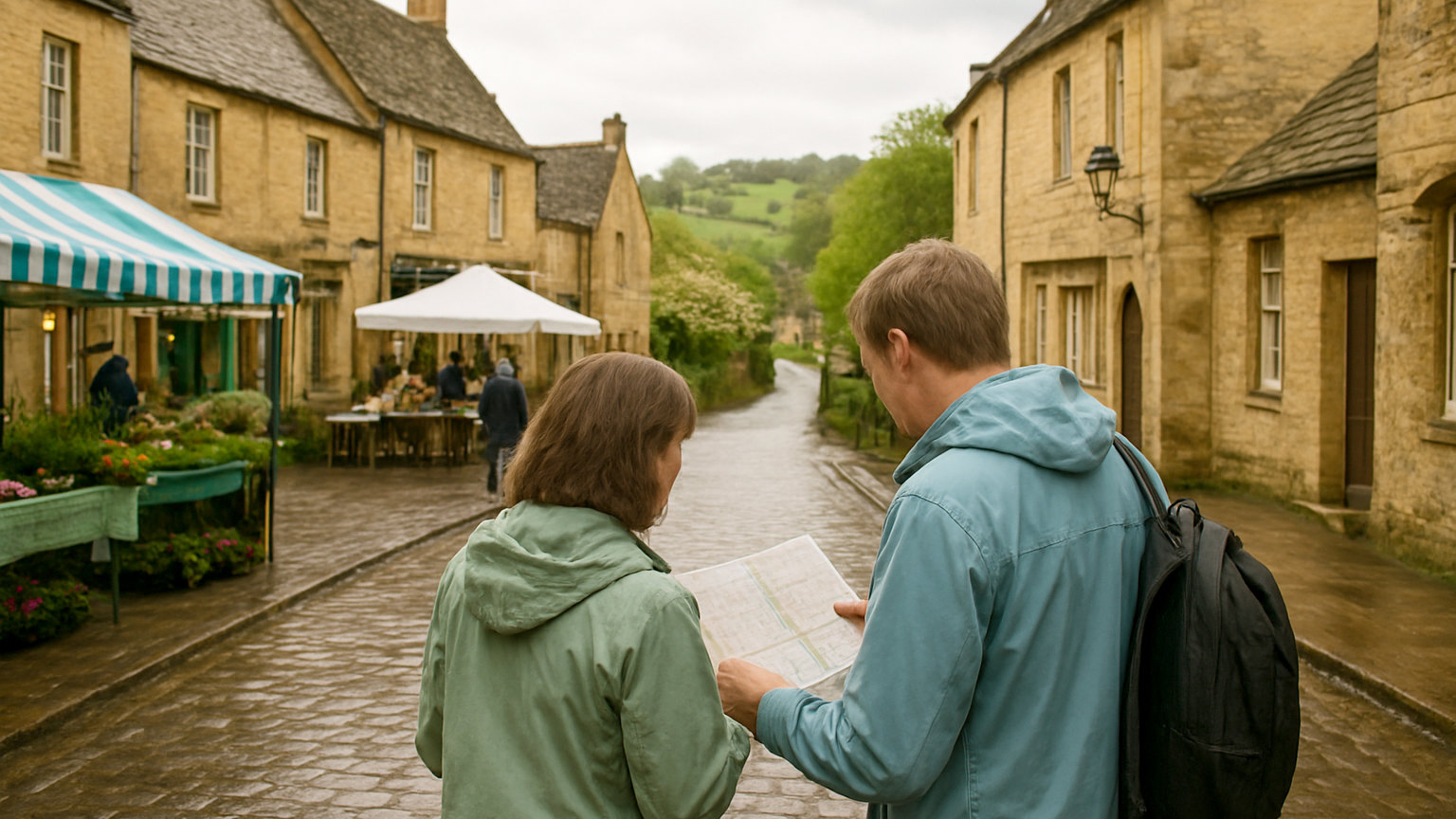
The most common mistake in planning a driving trip is distance. British roads are slow, the interesting ones are slower still, and a route that looks comfortable on a map turns into a week spent behind a windscreen.
How far should you drive each day?
Two to two and a half hours if you also want to do something else with the day. Anything over three hours consumes it, because nobody arrives ready for a walk after four hours of driving.
On single track and mountain roads, halve that. Sixty miles of Highland road is a full day rather than a morning.
Should the route be a loop?
Almost always. Retracing a road wastes a day seeing nothing new, and a circular route or an open jaw arrangement recovers it at no cost.
Draw the route before booking anything. If it crosses itself, reorder the stops or remove one.
How many bases should there be?
Fewer than you think. Each move costs half a day once packing, checking out and settling in are counted, so three bases in a week gives more actual travelling than five.
Two or three nights minimum in each, with day drives outwards, works better than a different bed every night.
How do you estimate driving time?
Add a third to whatever the mapping software says for rural routes, and more for single track. Estimates assume conditions that rarely apply on minor British roads.
Then add time for stops, which on a scenic drive is the point and is always underestimated.
What should you check about fuel?
Where the filling stations are on remote sections, since large parts of the Highlands, mid Wales and the far south west have very few and several close in the evening and on Sundays.
Fill up when the tank drops below half rather than when it is low. For electric vehicles, plan charging stops and have a fallback, since chargers are occasionally out of service.
What about parking?
Research it before setting out, since the parking rather than the driving determines whether you can stop where you want.
Popular viewpoints and trailheads fill by mid morning in season, several now require pre booking, and roadside parking on rural lanes is increasingly enforced.
What should you avoid?
Summer changeover Saturdays on the routes into the south west, Wales and the Lake District, which produce queues lasting hours.
Driving into large cities, where emission zones, congestion charging and parking make it expensive and unpleasant. Park and ride on the edge instead.
How much should you plan each day?
One drive and one or two stops, with somewhere to eat identified. Rural pubs close in the afternoon and many do not serve food early in the week, which catches people out repeatedly.
Leave at least two days across a week with no route at all, which absorb weather and tiredness.
What should you take?
Paper maps or offline mapping, since large areas have no signal and satellite navigation without data is unreliable. Water, food and warm clothing for a breakdown in a remote area.
Breakdown cover, and confirmation that it extends to wherever you are going, including any islands or crossings.
What is the shape of a good driving trip?
Three bases over a week, each two hours from the last, arranged in a loop, with one drive and one activity per day and two days doing nothing.
That covers a great deal of country and still feels like a holiday rather than a delivery run.
What about travelling with others?
Share the driving if more than one person can, and agree the arrangement before setting off rather than at the point somebody is tired. Passengers navigate, find the parking and watch for the turning, which makes the driver's job considerably easier. On a long trip, alternating days rather than swapping mid journey works better for everyone.
One last thought: build the route around where you want to stop rather than the roads you want to drive. The stops are what people remember, and a route designed to link them will produce better driving than one designed to cover distance.