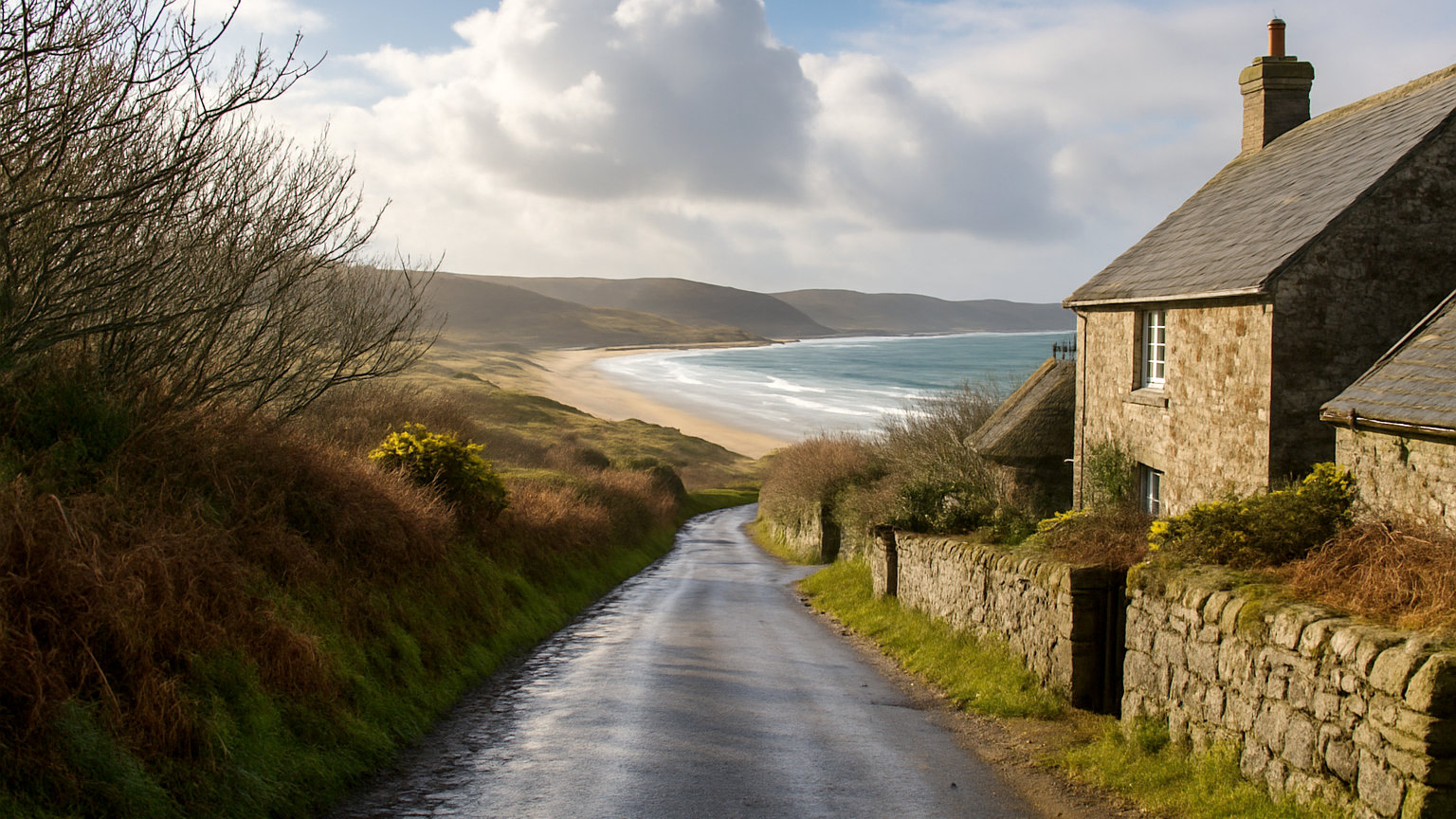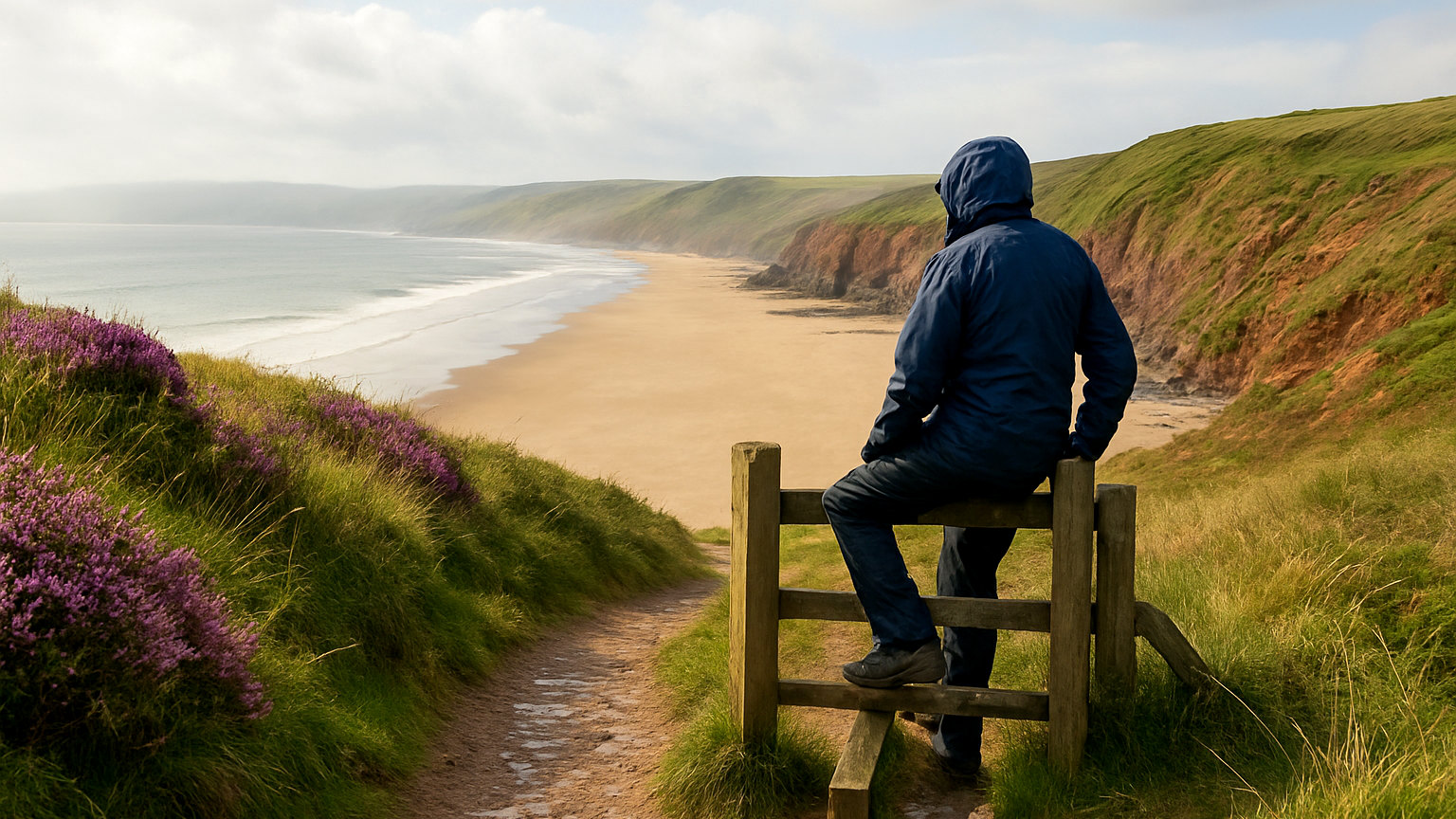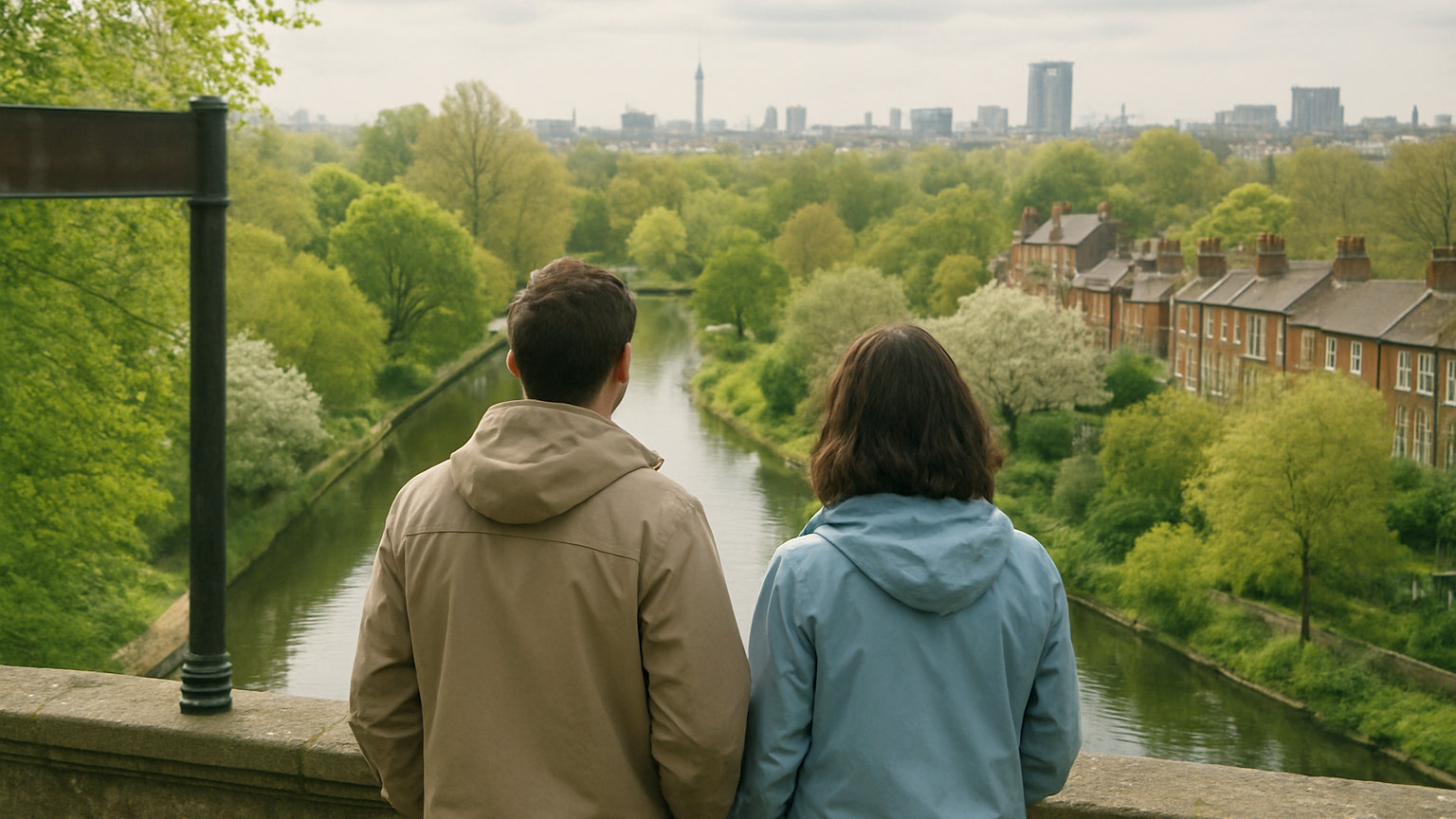
British crime fiction is unusually rooted in place. The tradition treats setting as more than backdrop, and a number of cities and landscapes have become inseparable from the books written about them, to the point of shaping how visitors experience them.
Where is the Holmes connection?
Baker Street in London, where a museum occupies a house numbered for the fictional address, and where a statue stands outside the underground station.
Dartmoor is the other essential location, being the setting of the best known of the novels, with Hound Tor and the surrounding moor frequently cited. The moor is genuinely bleak in poor weather and needs proper preparation.
What about Agatha Christie?
Torquay, where she was born, with a trail around the town and a substantial connection to the English Riviera. Greenway, her holiday home above the River Dart, is open and reached by boat, train or on foot.
Burgh Island off the south Devon coast, reached by sea tractor at high tide, appears in two novels and remains a hotel.
Which city is most associated with crime writing?
Edinburgh, which has an extensive body of fiction set in it, much of it in the old town, the pubs and the darker parts of the city's history.
Walking tours cover the locations, and the city's mixture of Enlightenment order and hidden closes suits the genre so well that it has become a defining feature of its literary identity.
What about Oxford?
An entire subgenre, from academic mysteries between the wars to the long running series that made the city's pubs and colleges familiar to television audiences worldwide.
Guided tours cover the filming and fictional locations, and the colleges themselves are visitable, though many restrict access during term.
Which landscapes feature?
The northern isles, particularly Shetland, which has become strongly associated with contemporary crime writing and where the landscape and isolation do a great deal of the work.
Northumberland, the Outer Hebrides, the Yorkshire moors and rural Norfolk all support series in which weather and remoteness function almost as characters.
Why does place matter so much in the genre?
Because a closed community is a useful structure for a mystery, and Britain provides a great many of them: villages, colleges, islands and institutions where everyone knows everyone.
The village mystery in particular depends entirely on a specific social geography that still exists here.
Can you visit the fictional places?
Some are real and named, some are composites and some are invented outright. Authors vary in how directly they map their settings, and several deliberately fictionalise to avoid identifying real houses.
Tourist boards in several areas publish trails, which are usually honest about what is genuine and what is inspired.
What about the golden age?
The period between the wars produced the country house mystery and the puzzle novel, set in a world of railway timetables, village post offices and rigid class structures.
The physical world of those books survives in the country houses, branch lines and villages that are open to visitors, which makes them an unexpectedly good route into the period.
Are there festivals?
Several dedicated crime writing festivals run annually in Britain, in Harrogate, Bristol, Stirling and elsewhere, with author events and panels, and they are among the better attended literary events in the country.
They are also considerably less formal than general literary festivals.
How should you use this on a trip?
Read something set where you are going, which sharpens attention to a place more effectively than a guidebook. Crime fiction is unusually good at street level detail.
Then take a walking tour if one exists, since the locations are frequently ordinary buildings you would otherwise pass without noticing.
Are there museums?
Few dedicated ones, since crime writing has generally been treated as popular rather than heritage material. The Sherlock Holmes museum in London and the Christie connections in Devon are the main exceptions. Most of what exists takes the form of walking trails, tourist board leaflets and pub connections, which suits the genre rather better than a display case would.