A literary walk is only worth doing if the ground is genuinely the ground described, and a good number in Britain are. The best of them work as walks in their own right, which is the test any route should pass before the literary connection is considered.
Which is the classic moorland walk?
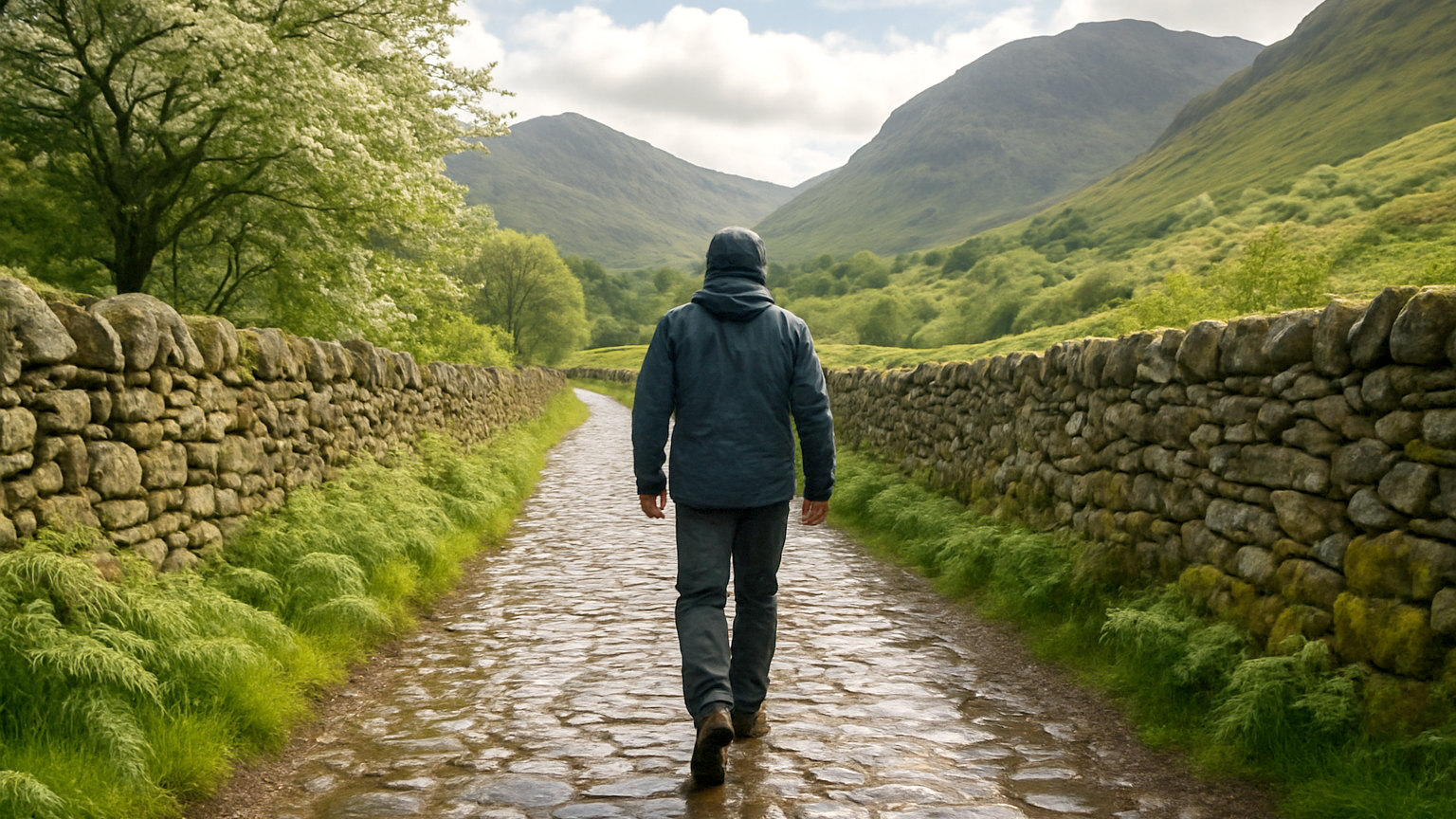
Haworth to Top Withens in West Yorkshire, a few miles each way across open moor, passing a waterfall and a ruined farmhouse long associated with a well known novel.
It is exposed, frequently wet and can be genuinely rough in poor conditions. Boots and waterproofs are needed and the return is uphill.
What is the Grasmere circuit?
A short walk linking Dove Cottage, Rydal Mount, the churchyard and the lake, taking a few hours at a gentle pace and covering both Wordsworth houses.
The extended version goes over Loughrigg or round Rydal Water, which adds views and turns a literary errand into a proper day.
Is there a long distance option?
The Coleridge Way, running roughly thirty six miles from Nether Stowey across the Quantocks and Brendon Hills to Exmoor, following country the poet walked.
It takes three or four days, is well waymarked, and passes through quiet country that receives very few visitors.
What about Dorset?
Several routes around Dorchester link Hardy's birthplace cottage, Stinsford church, Max Gate and the surviving heath, most of them walkable from the town.
Longer routes reach the coast and the chalk ridge, and the field patterns and lanes are much as described.
Which is the best short coastal walk?
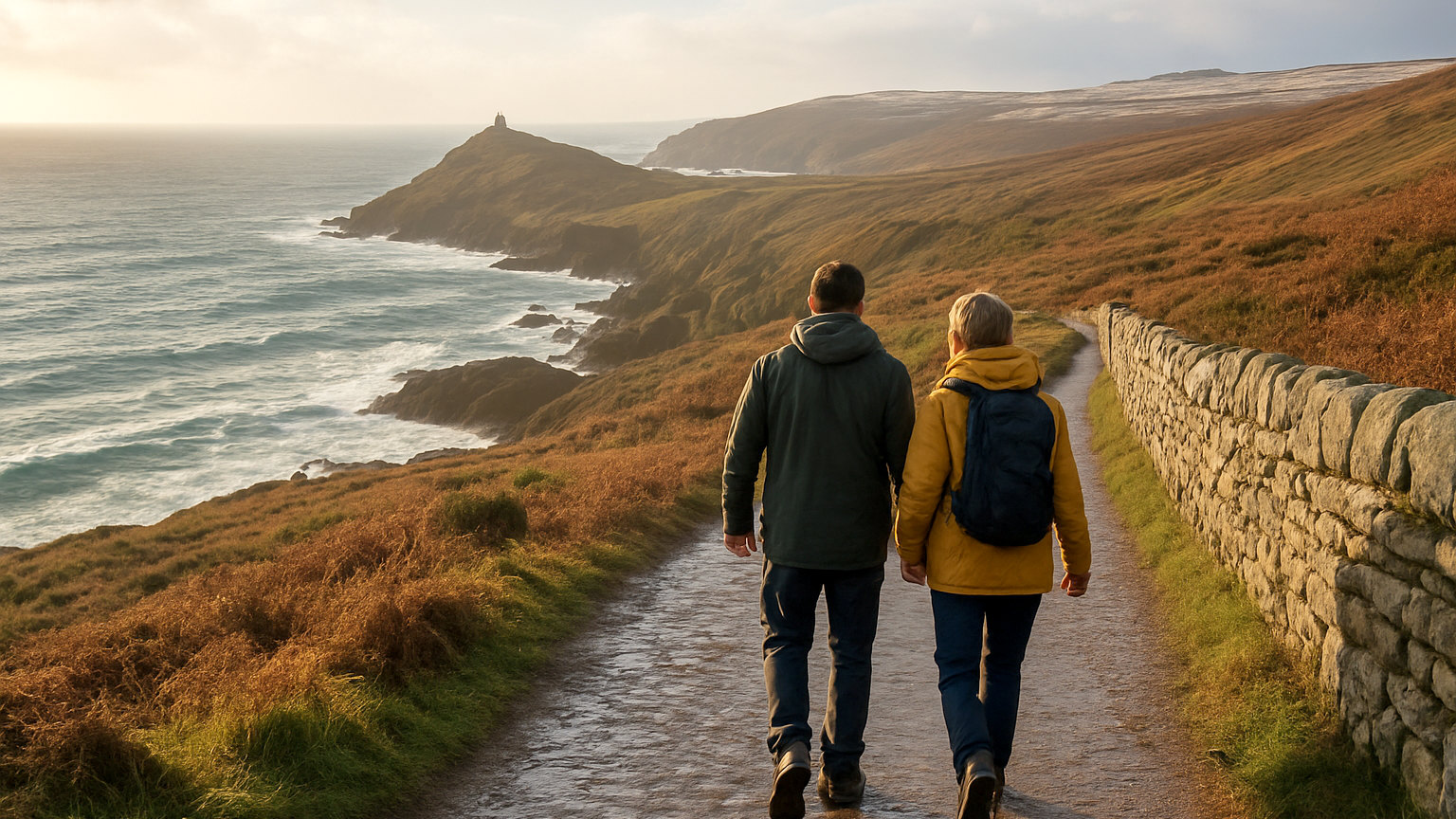
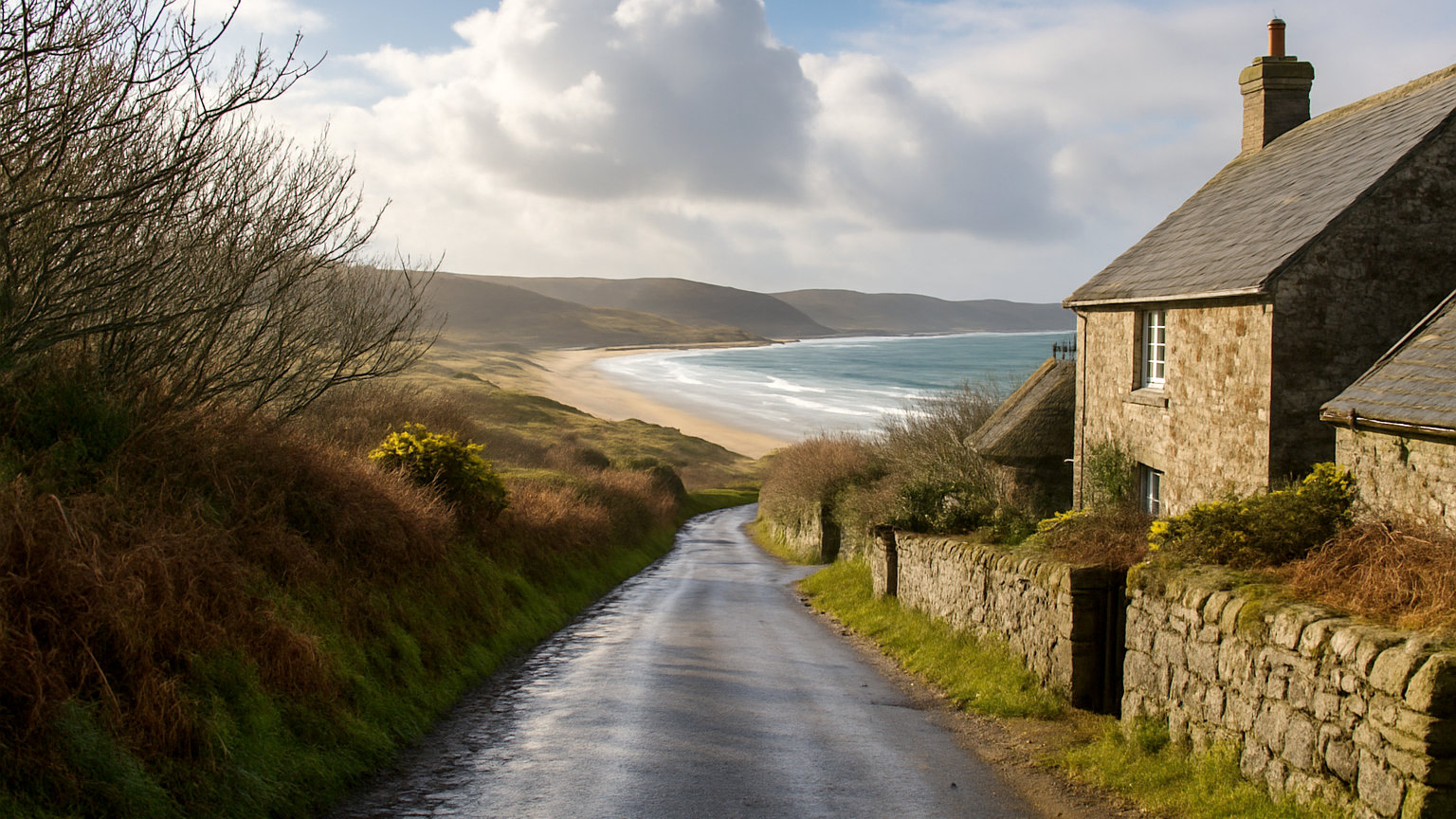
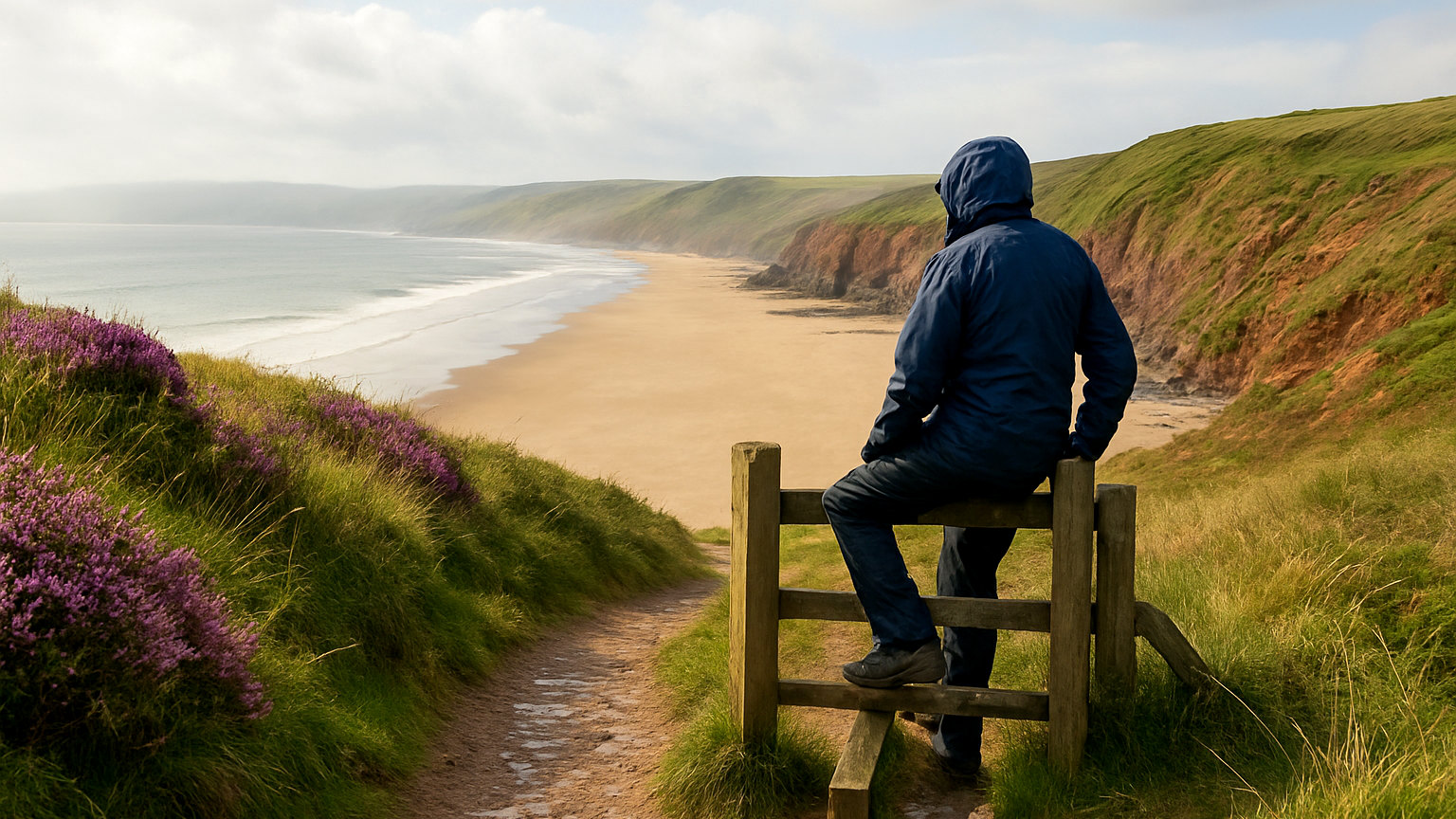
The birthday walk at Laugharne in Carmarthenshire, a marked route along the cliff and estuary path from the town past the boathouse and writing shed.
It takes an hour or two, is easy, and the estuary views explain a great deal about the work written above them.
Are there good city walks?
Several. Bloomsbury and Southwark in London for Dickens, the Edinburgh old town closes for its writers, Bath's Georgian streets for Austen, and Oxford for a long list of authors.
Guided tours in all four are inexpensive and consistently better than self guided attempts, since guides know which unmarked buildings matter.
What about Scotland?
A long distance route across the country follows the journey taken by the hero of a well known adventure novel, running from the west coast towards Edinburgh.
The Borders around Abbotsford offer shorter walks by the Tweed, and the Cairngorm plateau is the landscape of the best known Scottish mountain writing.
How should you prepare?
Read something first, even briefly, since a literary walk without the text is simply a walk. A short poem or a chapter is enough.
Then treat it as an ordinary walk: check the route, take waterproofs and boots for anything on open ground, and check the tide for coastal sections.
Are there organised versions?
Yes, both guided day walks and multi day literary walking holidays with accommodation and baggage transfer arranged.
Local literary societies and tourist boards publish free route leaflets for many of these walks, which are usually well researched and cost nothing.
Which should you do first?
Grasmere or Laugharne for something short and easily managed, Haworth for something wilder, and the Coleridge Way for a proper multi day route.
All four work as walks whether or not you have read a word, which is what separates them from a trail invented for marketing purposes.
What should you check before setting off?
The same things as any walk: the weather, the tide for coastal routes, the length and the escape options. Literary walks lull people into treating them as gentle outings, and the Haworth moor route in particular is genuine upland where conditions change quickly. The literary interest does not reduce the need for boots and waterproofs.
One last thought: the best literary walks are frequently unmarked. Any landscape a writer described can be walked without a waymarked trail, and working out the route yourself from the text and a map is more rewarding than following signs.