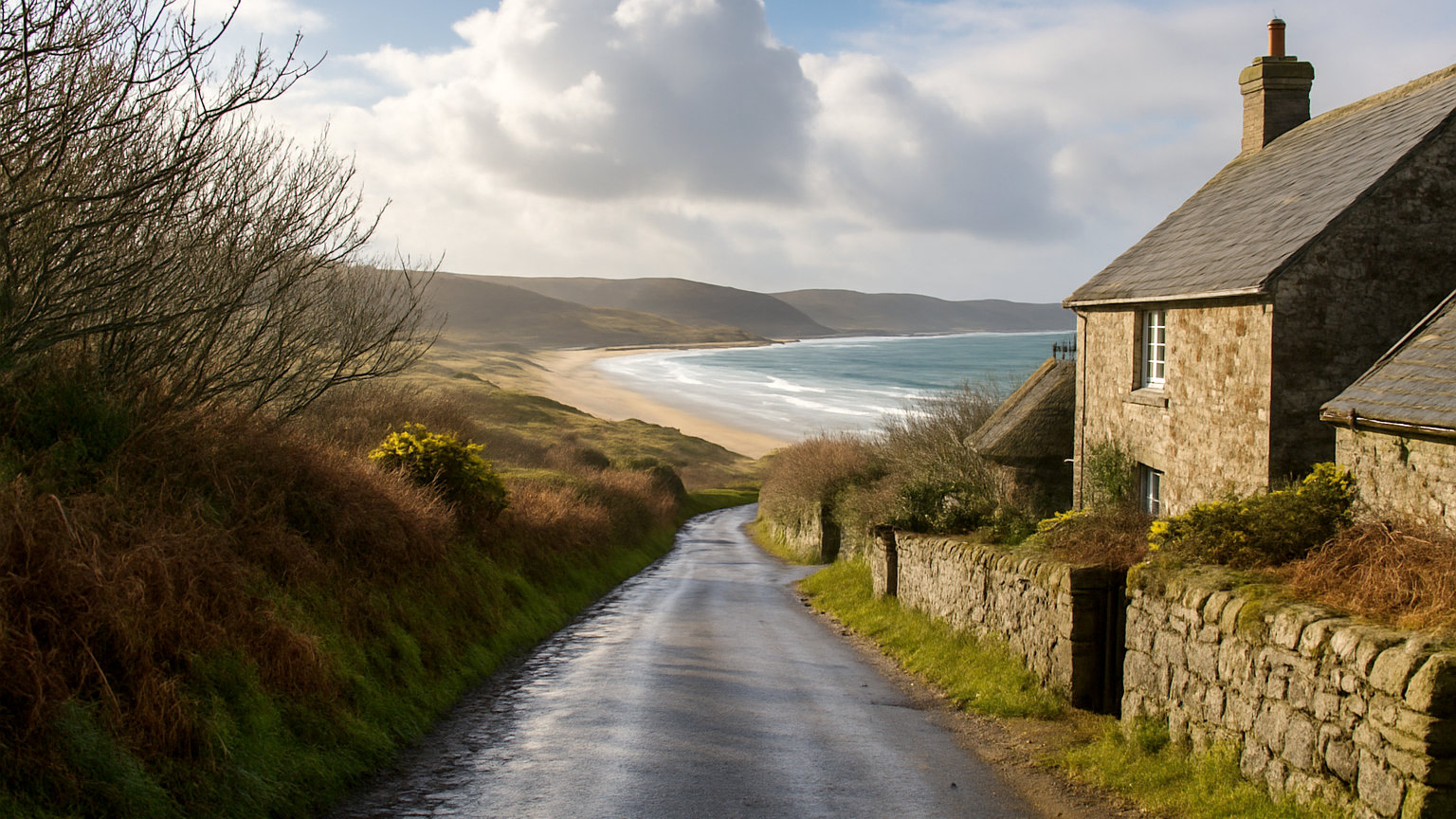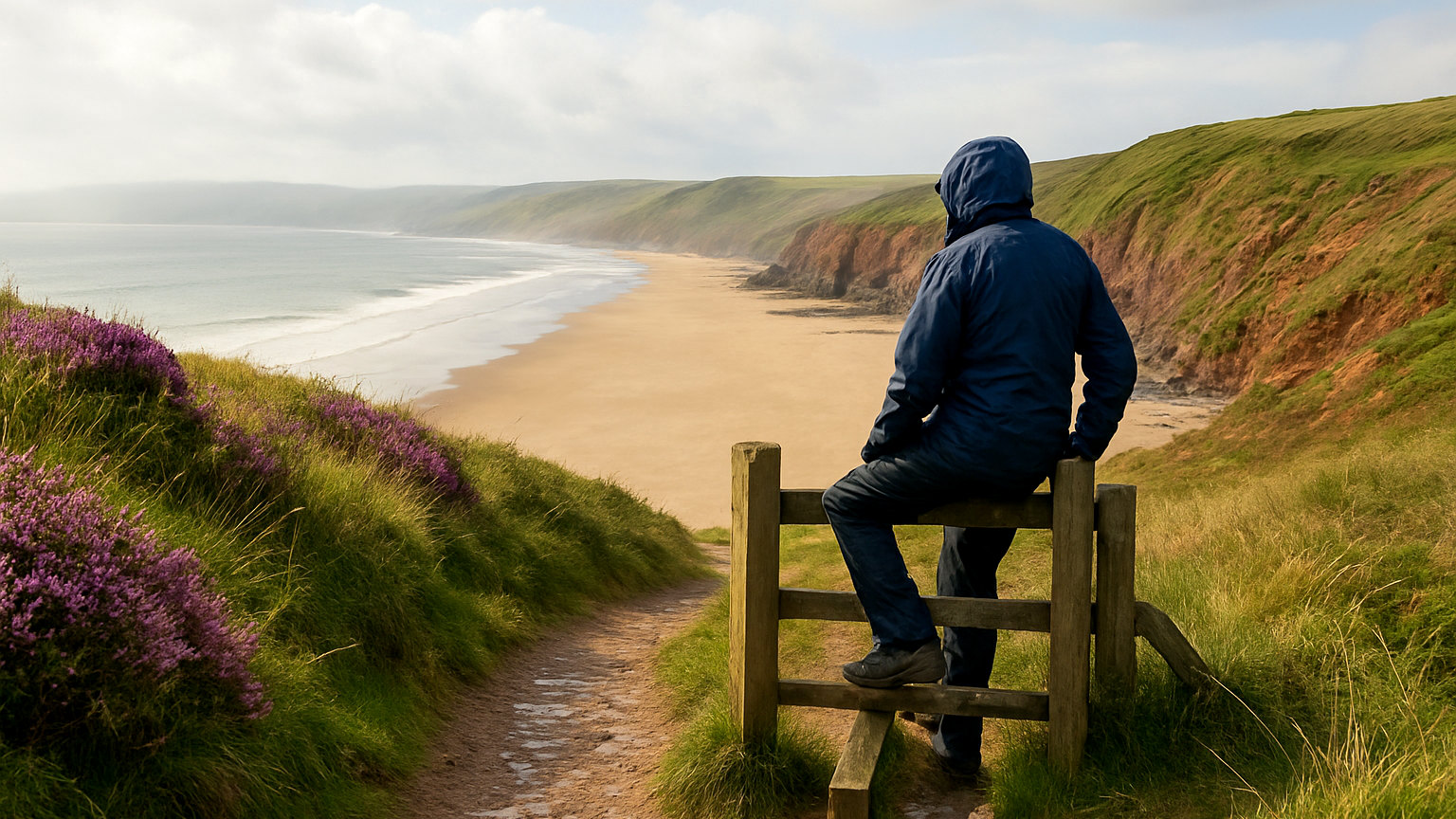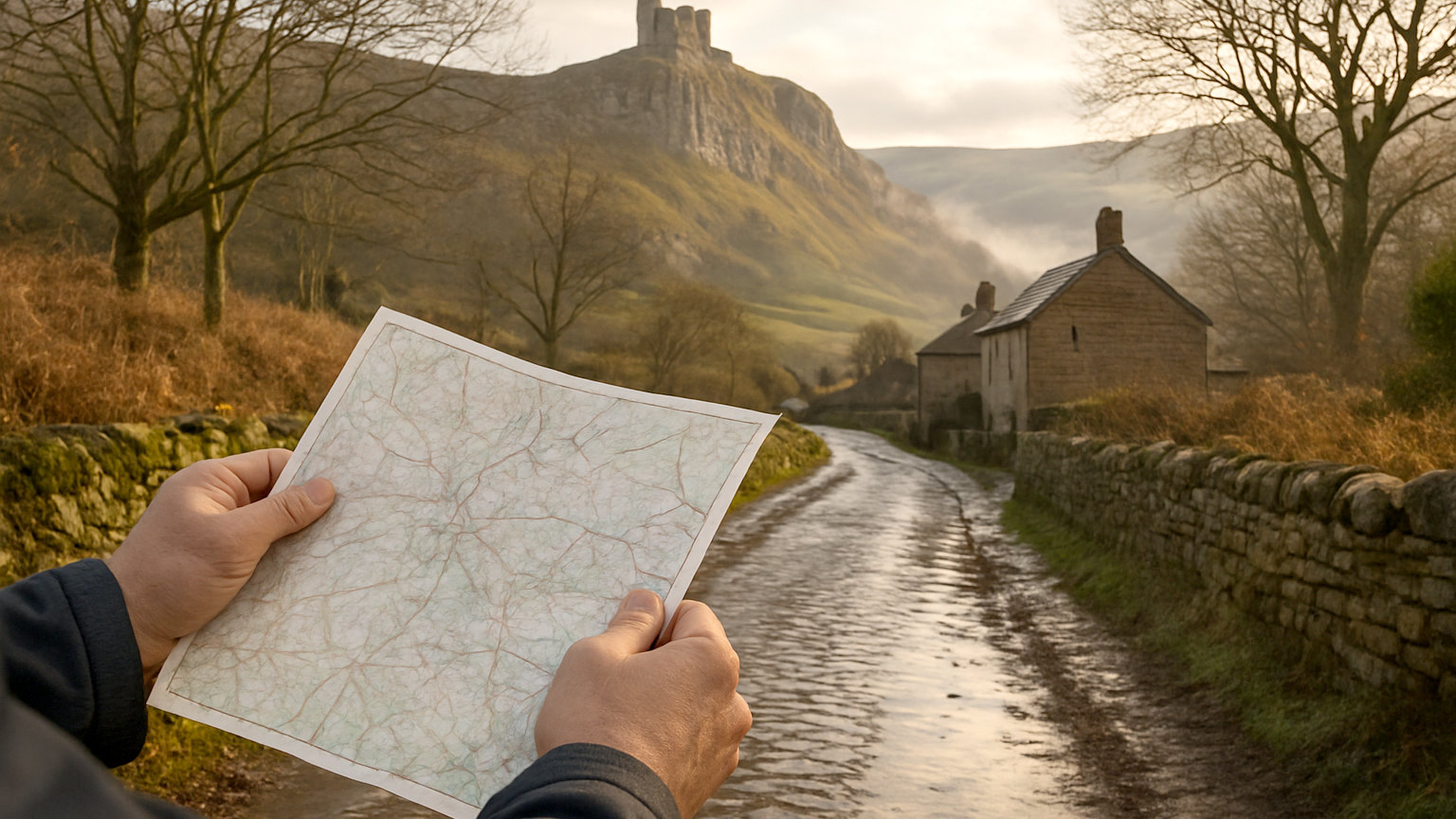
Britain contains an unusual concentration of geology for its size, spanning almost the entire geological record, which is why the science largely developed here. A number of sites are both scientifically important and worth visiting purely for how they look.
What is Siccar Point?
A rocky promontory on the Berwickshire coast where vertical layers of rock are overlain by horizontal ones, demonstrating an enormous gap in time between the two.
It is where the concept of deep time was effectively established in the eighteenth century, and it is among the most important geological sites in the world. Access is via a steep and slippery descent.
What are limestone pavements?
Bare rock surfaces cut into blocks by weathering along joints, producing a pattern of slabs and deep fissures. Britain holds a substantial proportion of the European total.
Malham in the Yorkshire Dales is the best known, above the cove, with the Burren in Ireland the larger example. The fissures shelter unusual plant communities and are hazardous to walk across carelessly.
Where do you see basalt columns?
Staffa in the Inner Hebrides, where hexagonal columns form the walls of Fingal's Cave, reached by boat from Mull or Iona in summer.
The same volcanic episode produced the columns on the Antrim coast, and both are part of the same formation on either side of the North Channel.
What can you find on the Jurassic Coast?
A continuous sequence covering roughly a hundred and eighty million years along ninety five miles of Dorset and east Devon coast, designated as a World Heritage Site for that reason.
Fossils erode continuously from the cliffs. Collecting loose material on the beach at Charmouth and Lyme Regis is permitted and reliably productive; hammering the cliffs is not, and the cliffs are actively unstable.
What is the Whin Sill?
A sheet of hard igneous rock intruded between sedimentary layers across northern England, which weathers into crags and cliffs.
Hadrian's Wall follows it for miles because the Romans used the natural escarpment, and it also forms High Force waterfall in Teesdale and the cliffs at Bamburgh and Dunstanburgh.
What are the geoparks?
Areas recognised internationally for geological importance and managed for education and tourism. Britain has several, including the north west Highlands, Fforest Fawr in Wales and the Marble Arch Caves area spanning the Irish border.
The Highland geopark includes Knockan Crag, where older rock lies above younger, which caused a famous nineteenth century scientific dispute.
Which caves are worth visiting?
Show caves operate in the limestone areas: the Mendips, the Yorkshire Dales, the Peak District, south Wales and Fermanagh, with guided walkways through chambers and formations.
Wild caving requires equipment, training and a club, and should never be attempted casually. Several systems flood rapidly after rain.
Where can you find fossils safely?
On beaches after storms, where material has eroded naturally, at sites where collecting is permitted. The Yorkshire coast, the Dorset coast and parts of the Isle of Wight are all productive.
Codes of conduct exist and are worth following. Never dig into cliffs, which are unstable, and check whether a site is protected before collecting anything.
What is unusual about British geology overall?
The compression. Rocks representing nearly all of geological time occur within a few hundred miles, because the landmass has moved across the globe and been repeatedly built, eroded and flooded.
That variety is why the geological timescale carries so many names derived from British places and tribes.
Where should you start?
Malham for the pavement and the cove, the Jurassic Coast for fossils, and the Whin Sill anywhere in Northumberland for the way one rock shapes a whole landscape.
All three are free, and all three explain something about how the country beneath the scenery actually works.
What about safety?
Coastal geology sites are frequently beneath actively eroding cliffs, which fall without warning and have killed people. Stay well back from cliff bases, never shelter under an overhang and check tide times, since several sites are cut off. Limestone pavement fissures are deep enough to break a leg, and old quarry faces are unstable. The interest is real and so are the hazards.