Staffordshire is a county most people cross rather than visit, which means the pottery industry that made its name, a cathedral unlike any other in England and a substantial share of the Peak District all go largely unseen.
What is left of the potteries?
A good deal. Stoke on Trent was formed from six towns that made ceramics for the world, and although the industry is much reduced, several major firms still produce here.
Factory tours, shops and a museum in a preserved works with bottle kilns cover the industry, and the city museum holds an outstanding ceramics collection.
What is the Staffordshire Hoard?
The largest hoard of Anglo Saxon gold and silver ever found, discovered in a field in 2009 by a man with a metal detector, comprising thousands of fragments, mostly from weapon fittings.
It is displayed between Stoke and Birmingham, and the workmanship is extraordinary. Nothing comparable had been found before.
Why is Lichfield Cathedral unusual?
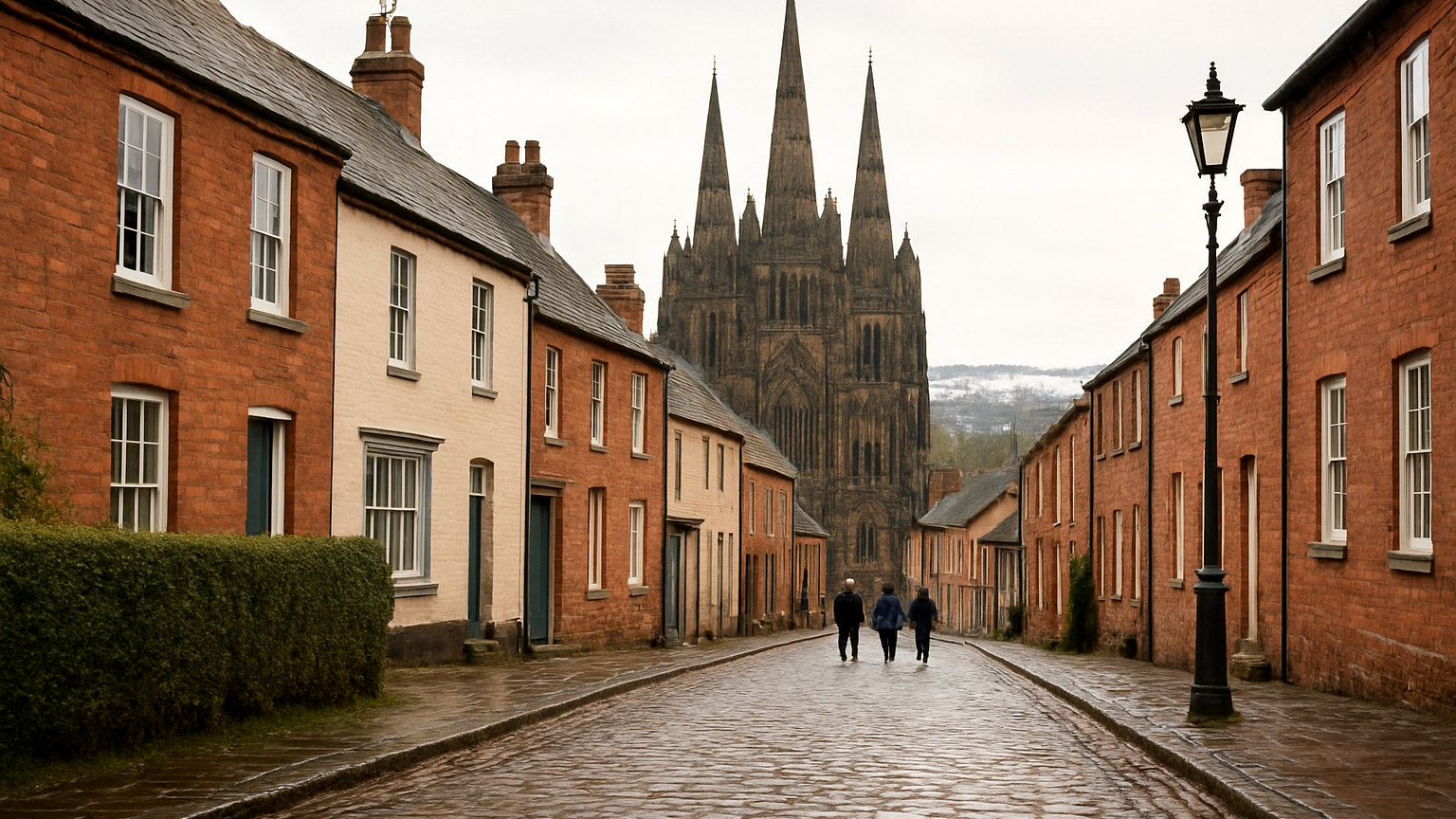
It is the only English cathedral with three spires, known locally as the ladies of the vale, and it holds an illuminated gospel book of the eighth century.
The city around it is small and Georgian, and Samuel Johnson was born here in a house on the market square that is now a museum.
What is the Manifold Valley?
A limestone valley in the Staffordshire Peak District where the river disappears underground in summer, leaving a dry bed, and reappears downstream.
A traffic free trail on a former railway runs along it, and Thor's Cave, an enormous arched cave mouth high on the valley side, is reached by a steep climb.
What is Cannock Chase?
A protected landscape of heath and forest in the middle of the county, with fallow deer, cycling trails and the remains of substantial First World War training camps.
It holds a German military cemetery, where the dead of both world wars were gathered from across Britain, which is a quiet and affecting place.
What about Alton Towers?
The largest theme park in Britain, set in the grounds of a ruined Gothic mansion with substantial Victorian gardens that most visitors never look at.
It dominates local accommodation on operating days, which is worth knowing when booking anything nearby.
What is the brewing connection?
Burton upon Trent became the brewing capital of Britain because of the mineral content of its water, which suited pale ale particularly well.
The process of treating water to imitate it is still called Burtonisation. Brewing continues in the town on a large scale.
What is a Staffordshire oatcake?
A soft savoury pancake made from oatmeal, cooked on a griddle and filled with cheese and bacon, sold from small shops around Stoke and eaten for breakfast.
It is a genuine local speciality that has barely spread beyond the county and is worth seeking out.
Which houses are worth visiting?
Shugborough, an eighteenth century estate with a collection of monuments in the park including one carrying an inscription nobody has convincingly deciphered.
Trentham with restored Italian gardens, and Tamworth Castle, a Norman motte and bailey with a later hall.
What about walking?
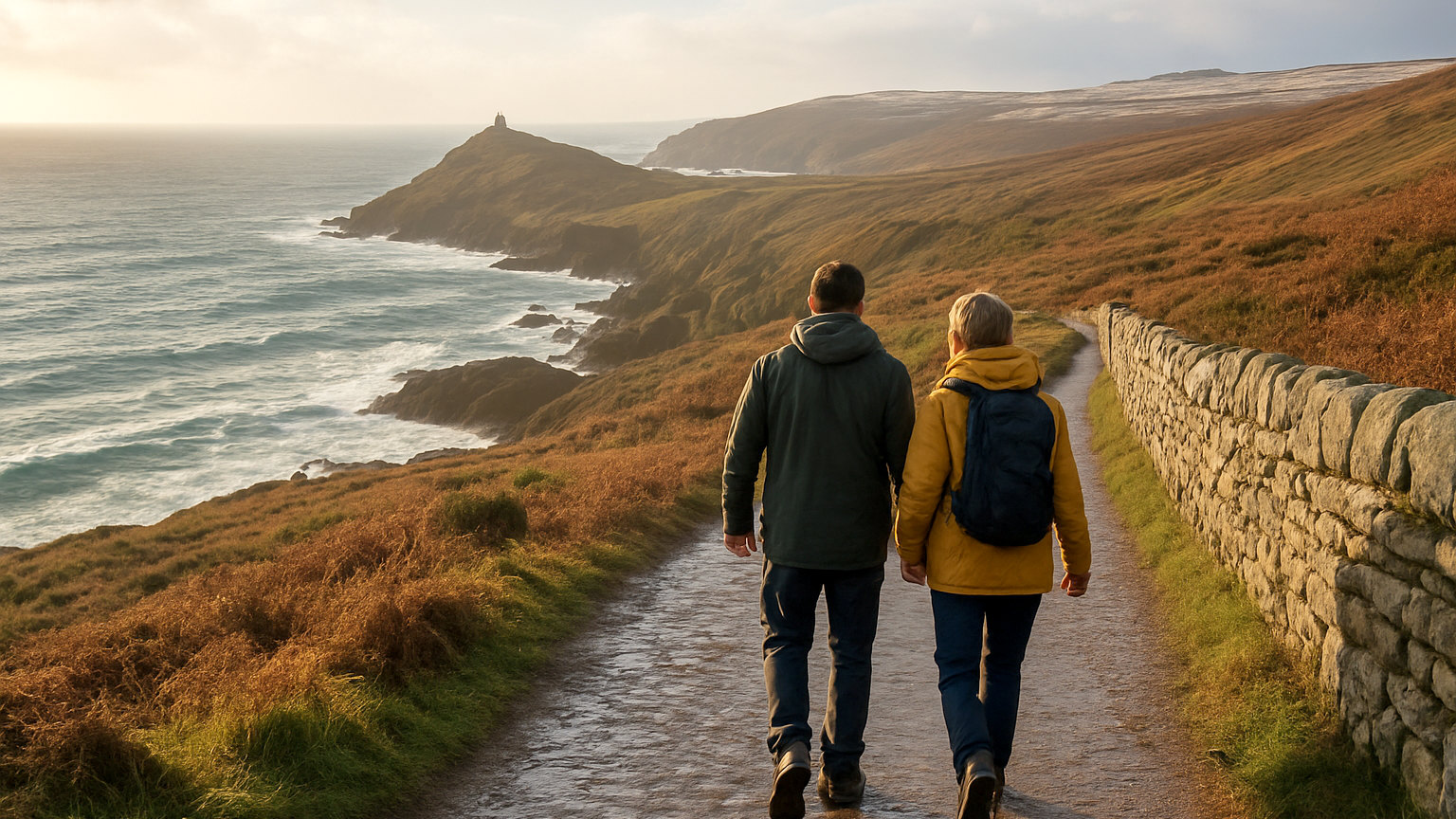
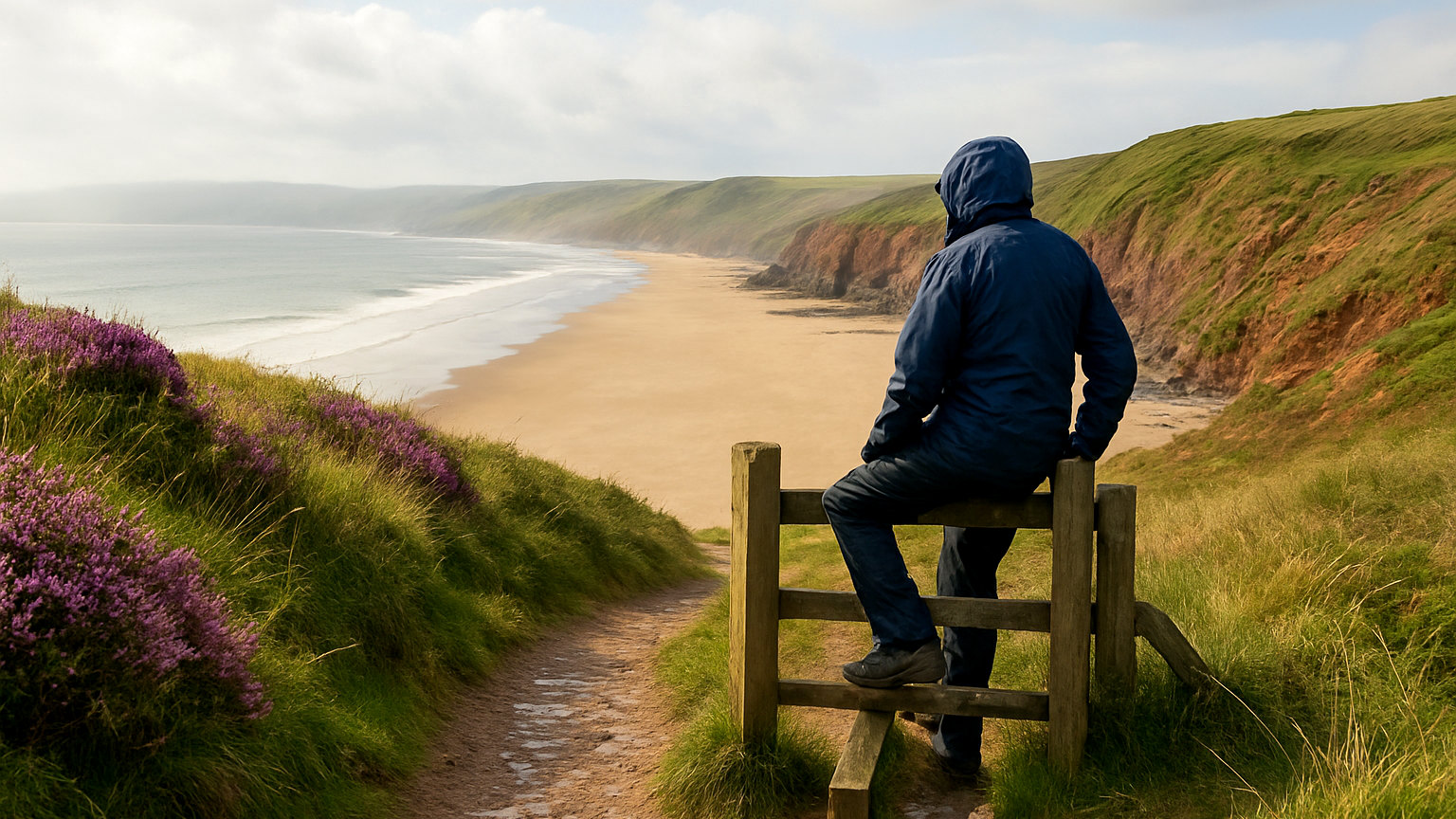
The Roaches, a gritstone edge in the north east with rock formations and a small population of wallabies descended from escapees.
Dovedale on the Derbyshire border, Cannock Chase and the Manifold and Churnet valleys.
How do you get there?
By train to Stafford, Lichfield and Stoke on the west coast main line, with good connections to Birmingham and Manchester.
The county is crossed by motorways, which makes it easy to reach and easy to drive past.
Where should you base yourself?
Lichfield for the cathedral and the south, Leek for the Peak District edge and the Roaches, and Stoke for the potteries. All three are small and inexpensive. The county is compact enough that a single base covers most of it, and Birmingham and Manchester are both within an hour for onward travel.