Saltburn by the Sea was built almost from nothing in the 1860s by a Quaker ironmaster who wanted a resort at the end of his railway. It survives remarkably intact, with a pier, a working cliff lift and a beach that has become one of the best surf spots on the east coast.
What is the cliff lift?
A funicular built in 1884 that raises and lowers two carriages using water ballast, filling a tank at the top to bring it down and lift the other up.
It is the oldest water balanced cliff lift still working in Britain, operates seasonally and costs very little. The mechanism is entirely gravity driven.
What about the pier?
The last remaining pleasure pier on the Yorkshire and north east coast, shortened by storms over the years and restored, running out over the sand.
It is free to walk and the view back to the cliffs and the town is the classic Saltburn picture.
Is it good for surfing?
Yes, and it is the main surf beach for Teesside and the north east, with a reliable break, several schools and hire shops in the town.
The water is cold year round and a decent wetsuit is essential. The best swell arrives in autumn and winter.
What is the smuggling history?
Substantial. The inn on the beach was the base of a well known eighteenth century smuggler, with tunnels running from it into the cliff, and the trade was a major part of the local economy.
The story is told in a small display and the inn is still a pub.
What is the yarn bombing?
An anonymous knitter or group has been installing large knitted displays along the pier railings for years, marking events and seasons, with the identity never established.
It has become a genuine local tradition and draws people specifically to see whatever has appeared.
What are the Italian Gardens?
Victorian pleasure gardens in the wooded valley behind the town, laid out with paths, a miniature railway running through in season and a woodland centre.
The valley leads inland from the seafront and gives a sheltered walk when the front is too windy, which it frequently is.
Where should you walk?
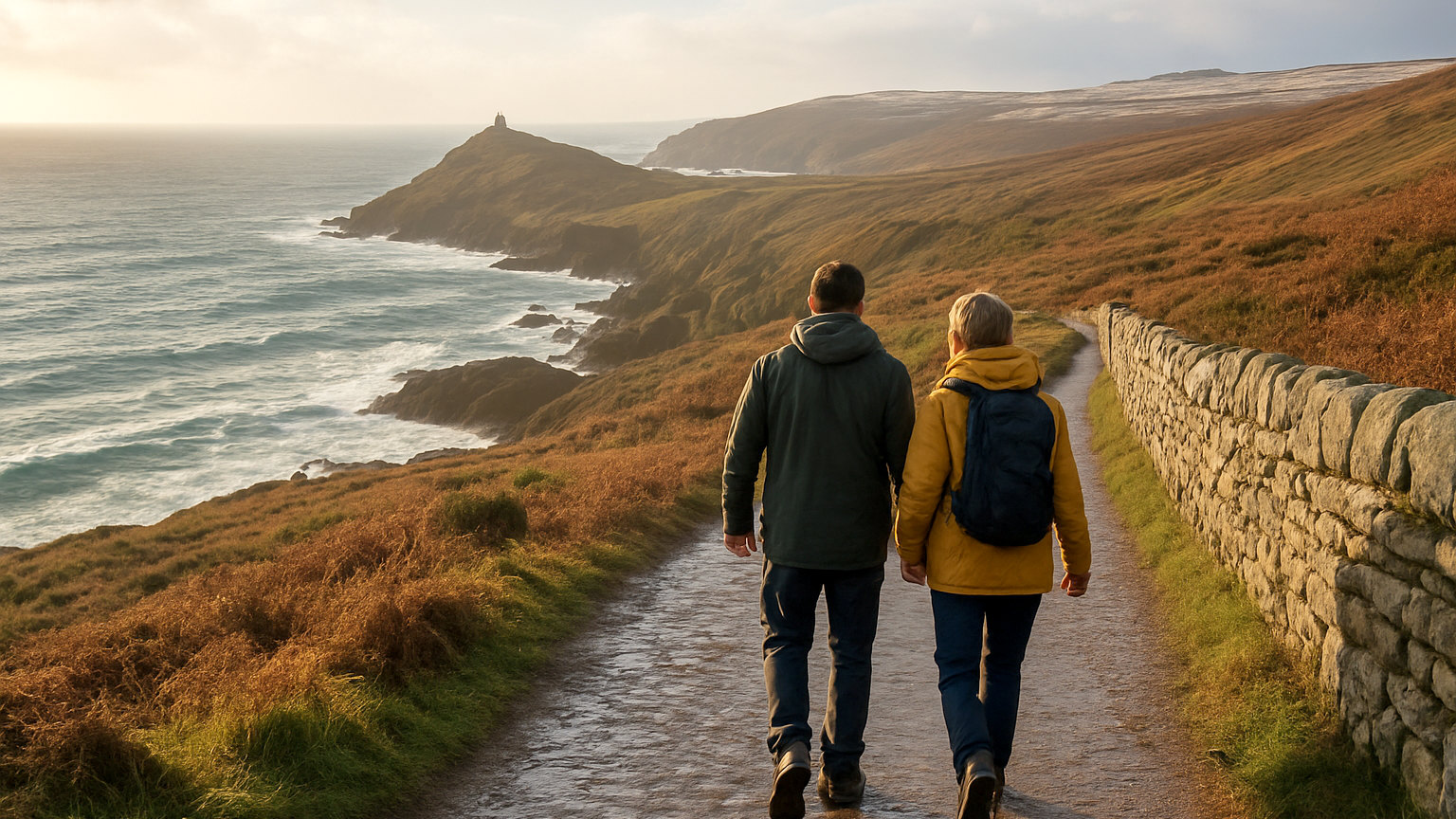
Up onto Huntcliff to the east, where the Cleveland Way runs along the cliff top past the site of a Roman signal station, with views along the coast.
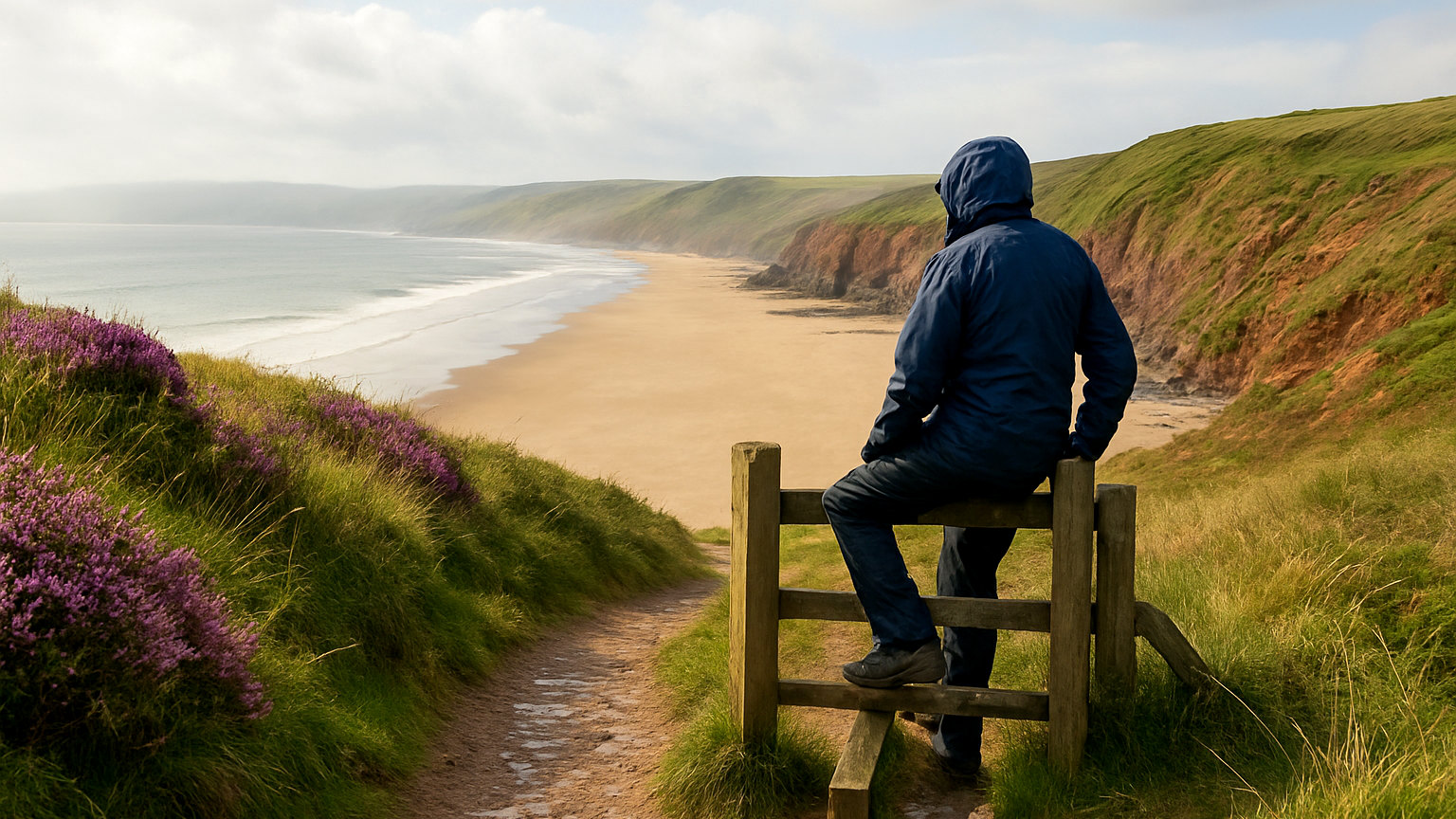
West along the beach to Marske and Redcar, which is flat and long, and inland through the valley gardens.
What is the town like?
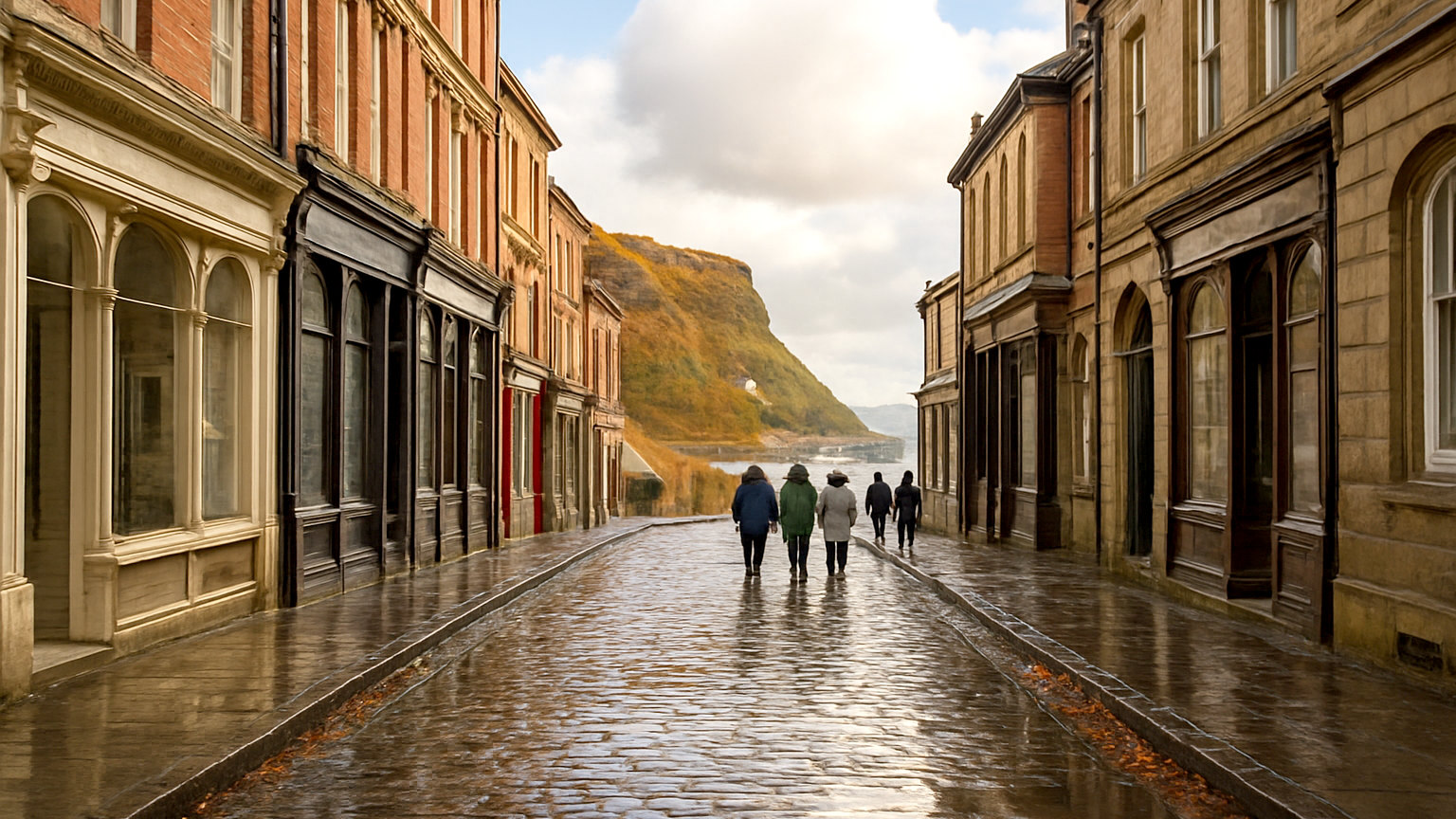
A grid of Victorian streets named after jewels, built to a plan, with independent shops, cafes and a farmers market.
It has become noticeably smarter over the past two decades and has a reputation for good coffee and food that would surprise anyone who last visited in the nineties.
What is nearby?
Staithes, a fishing village of steep alleys a short drive south, and Whitby beyond it. The North York Moors begin immediately inland.
Guisborough with its priory ruins, and the industrial Teesside coast to the north west, which is bleak and genuinely interesting.
How do you get there?
By train from Middlesbrough on a branch line ending in the town, with connections from Darlington and the east coast main line.
The station is a two minute walk from the top of the cliff lift and the town centre.
When should you go?
Summer for the lift and the pier, which are seasonal. Autumn and winter for surf and for the coast at its most dramatic.
It is far quieter than Whitby and Scarborough at any time of year, which is much of the appeal.
What about the wider Teesside coast?
North west of the town the coast turns industrial, with steelworks and chemical plants along the Tees estuary, which is a genuinely striking landscape if you approach it with an open mind. South Gare, a breakwater with fishermen's huts built from salvage, sits at the river mouth and is unlike anywhere else in England.