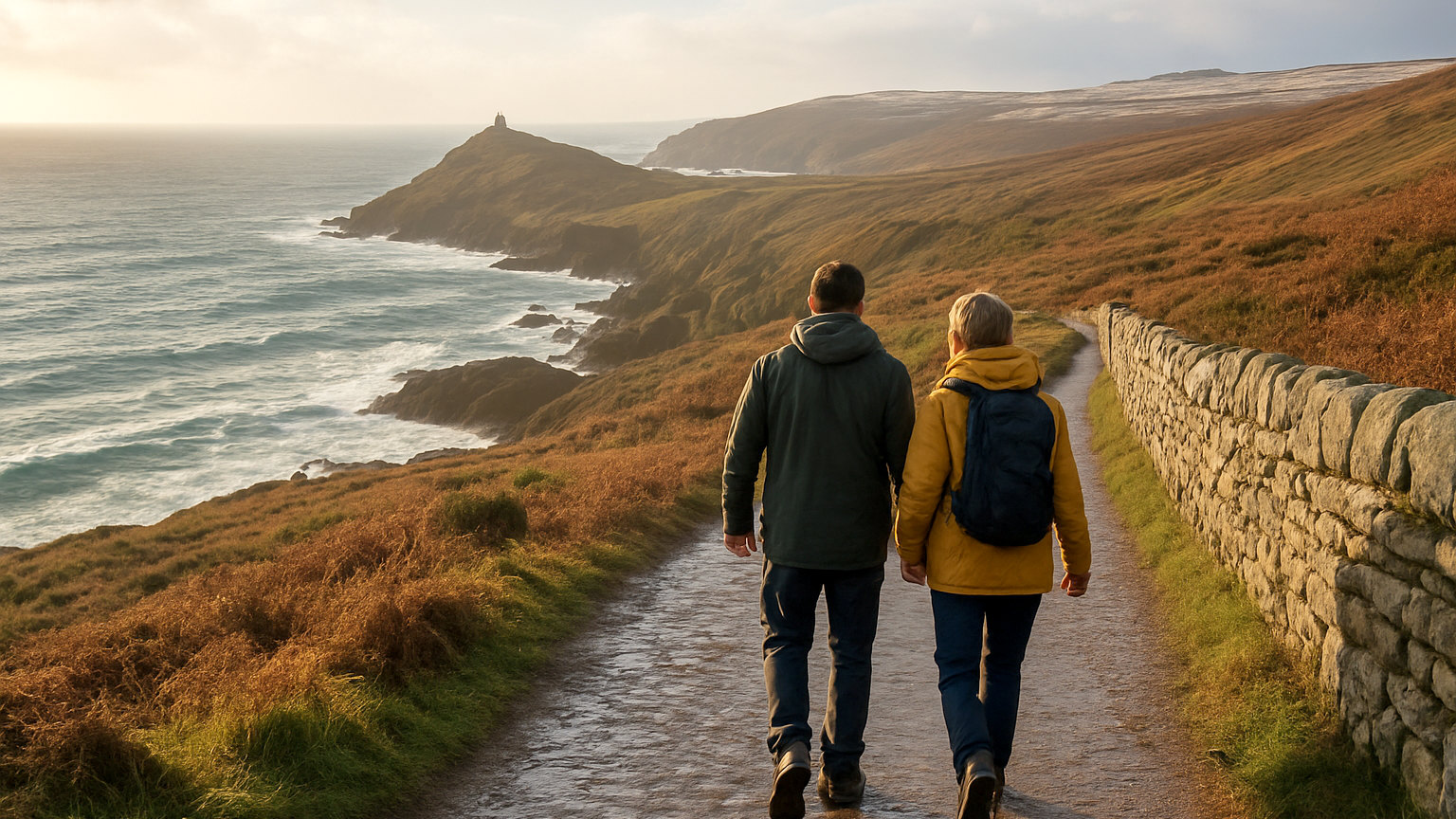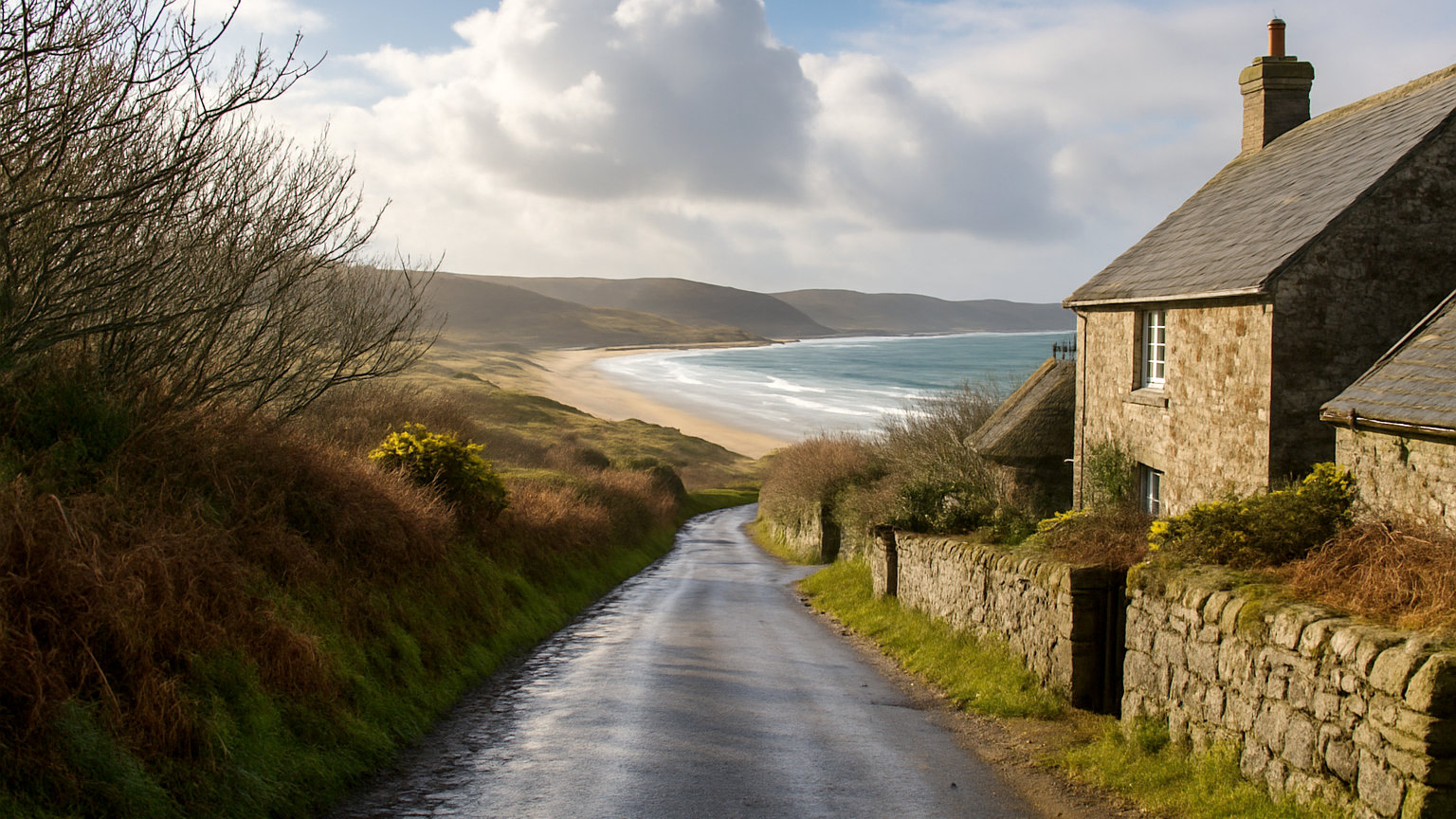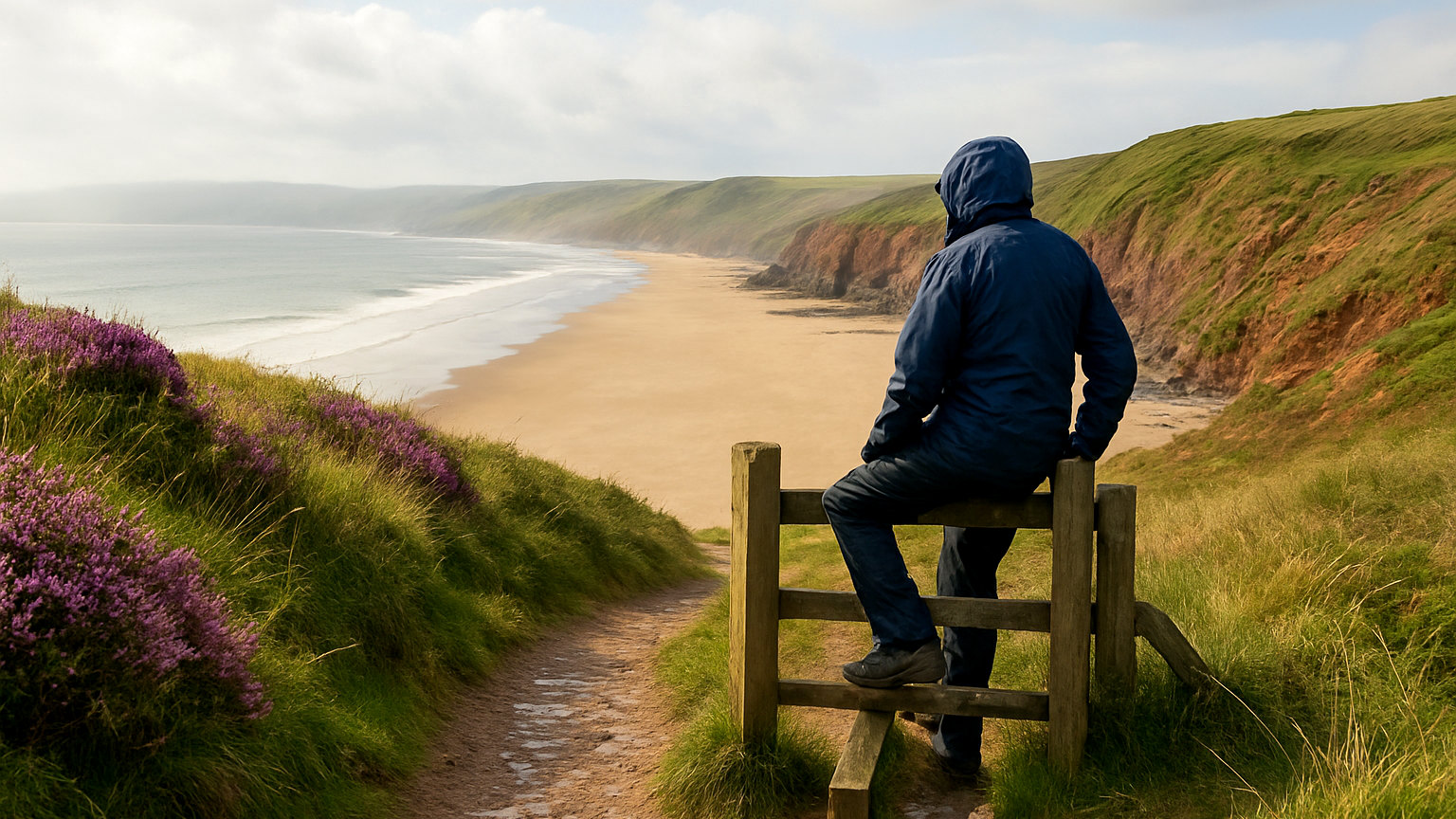
Britain has around eleven thousand miles of coastline and visitors concentrate on perhaps a tenth of it. The rest is not inferior; it is simply further from a motorway, less photographed and unmarketed, which for anyone wanting an empty beach is the entire point.
Which English coasts stay quiet?
Lincolnshire, which has long sand beaches, enormous skies and dunes, and which almost nobody outside the region visits. The Suffolk coast beyond the two well known towns.
North Devon around Hartland, where the cliffs are among the most dramatic in England and access is difficult enough to keep numbers down. The Cumbrian coast, entirely overshadowed by the fells inland.
What about the north east?
Northumberland north of the famous castles thins out rapidly, and the Berwickshire coast beyond the border is genuinely empty, with cliffs, seabird colonies and a coastal path.
The Durham heritage coast, restored after industrial dumping ended, is now clean, dramatic and visited almost entirely by local people.
Which Scottish coasts are emptiest?
Galloway and the Solway, with tidal flats, small harbours and beaches an hour from the border. The Ayrshire coast south of the towns.
Kintyre, Ardnamurchan and the far north west, where you can walk a beach all day without seeing anyone, and Caithness, whose cliffs and stacks rival anywhere in Britain.
What about Wales?
Northern Ceredigion and the coast between Aberystwyth and Aberdyfi. The Llyn Peninsula, which has superb beaches and a fraction of the traffic of Eryri behind it.
The Anglesey coast away from the main resorts, and the Carmarthenshire shore around the estuaries.
Where is quiet in Northern Ireland?
Almost everywhere except the Causeway. The Ards Peninsula, Strangford Lough, the coast of Down beyond Newcastle, and the north coast west of Portrush.
Rathlin Island, reached by ferry from Ballycastle, with seabirds and a resident population in double figures.
Why are these places empty?
Distance from population centres, absence of a marketed attraction, colder water on the east coast, and in several cases limited parking, which is the most effective visitor deterrent there is.
None of it reflects the quality of the beaches, several of which are as good as anything in the south west.
How do you find an empty beach anywhere?
Walk. Ten to fifteen minutes from any car park removes the overwhelming majority of people, and on a long beach simply walking along the sand achieves the same.
Choose the beach next to the famous one, which is frequently identical and almost deserted.
What are the trade offs?
No lifeguards, which matters if you intend to swim. No facilities, no shop and often no lavatory. Sometimes no signal.
Quiet beaches are also more likely to have cut off risk at high tide and unstable cliffs, so checking the tide and the access before committing matters more than at a managed beach.
When are they quietest?
Always, relative to the honeypots, and emptier still outside July and August. Autumn and winter on any of these coasts means having several miles of shore entirely to yourself.
Winter also brings storms, seals, wintering birds and dramatic light, which is a better trade than most people realise.
Which should you choose?
Lincolnshire or Suffolk for enormous empty sand within reach of the Midlands and London. Galloway for coast and forest together. Caithness or Ardnamurchan for genuine remoteness.
All of them offer what people drive to Cornwall for in August, without the queue on the approach road.
What should you take to an unmanaged beach?
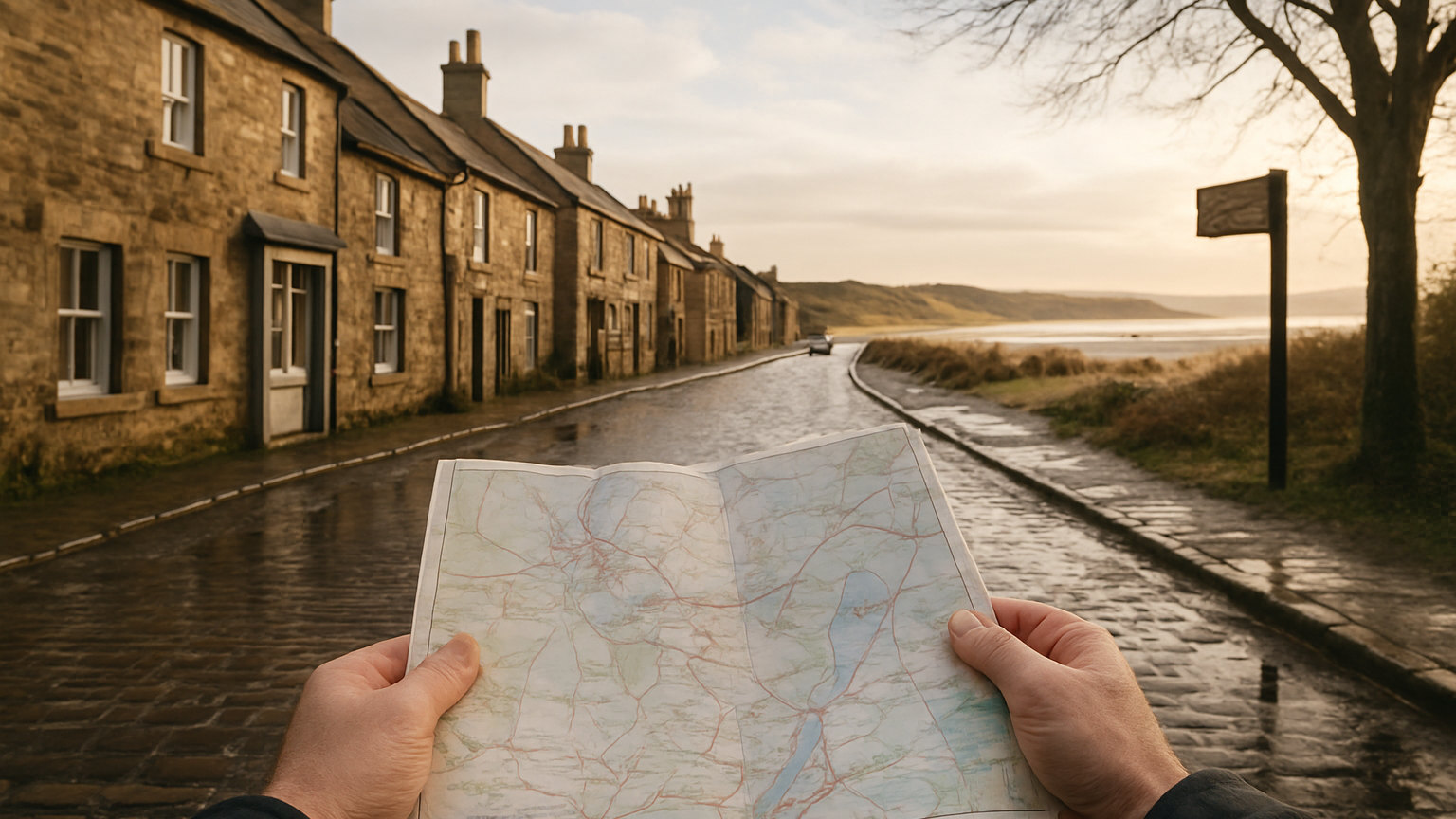
Everything, since there will be nothing there. Water, food, sun protection and a bag for rubbish. Something warm, because empty beaches are usually empty partly because they are exposed. A paper map or offline mapping, given the signal. And the tide times, which matter far more where there is nobody to warn you and no easy exit at the top of the beach.
One last point in their favour: these coasts are frequently better for wildlife than the busy ones. Seals, wintering waders and seabird colonies all concentrate where people do not, and an empty beach in Lincolnshire or Galloway in January holds more to look at than a crowded one in August.