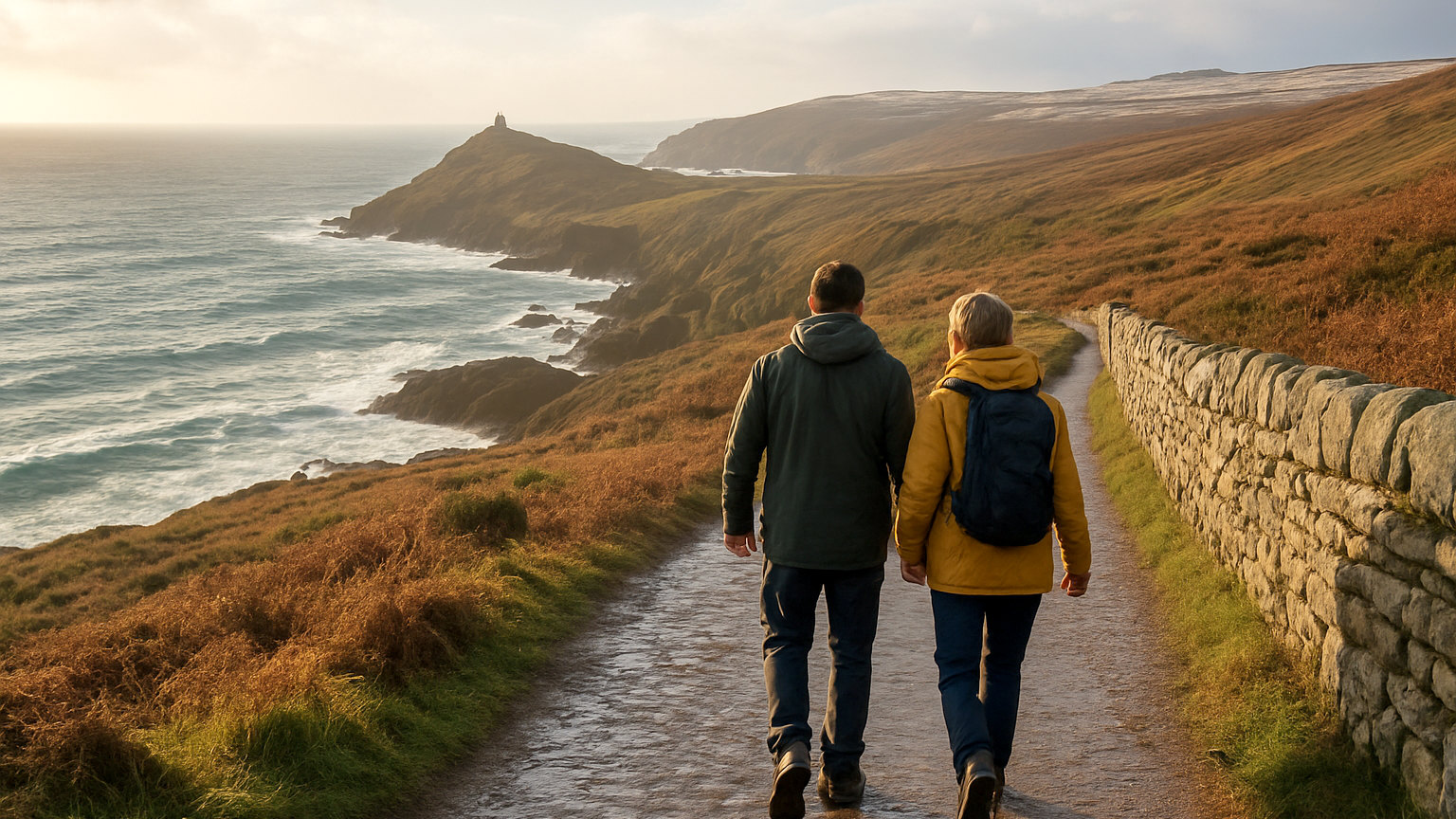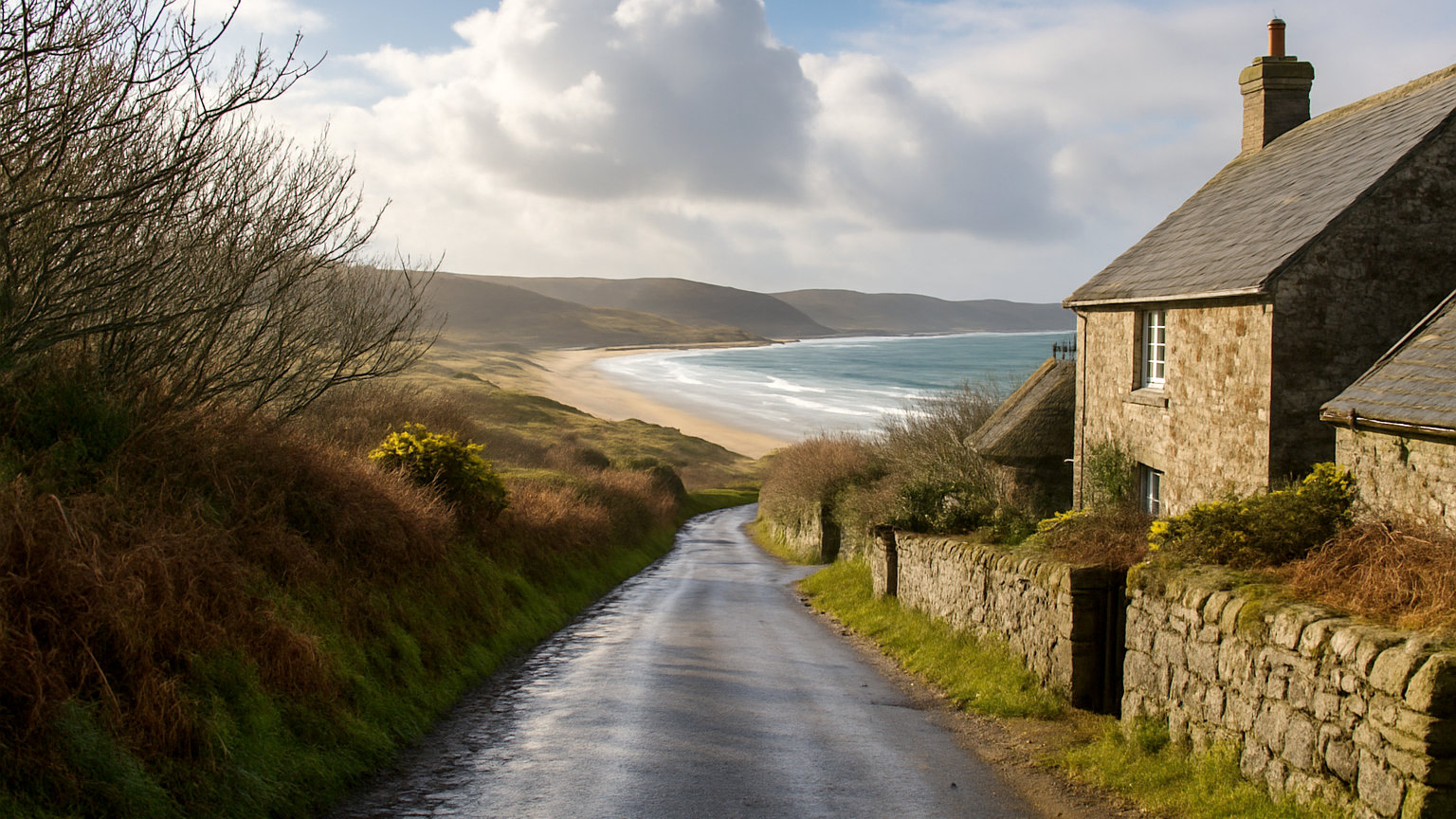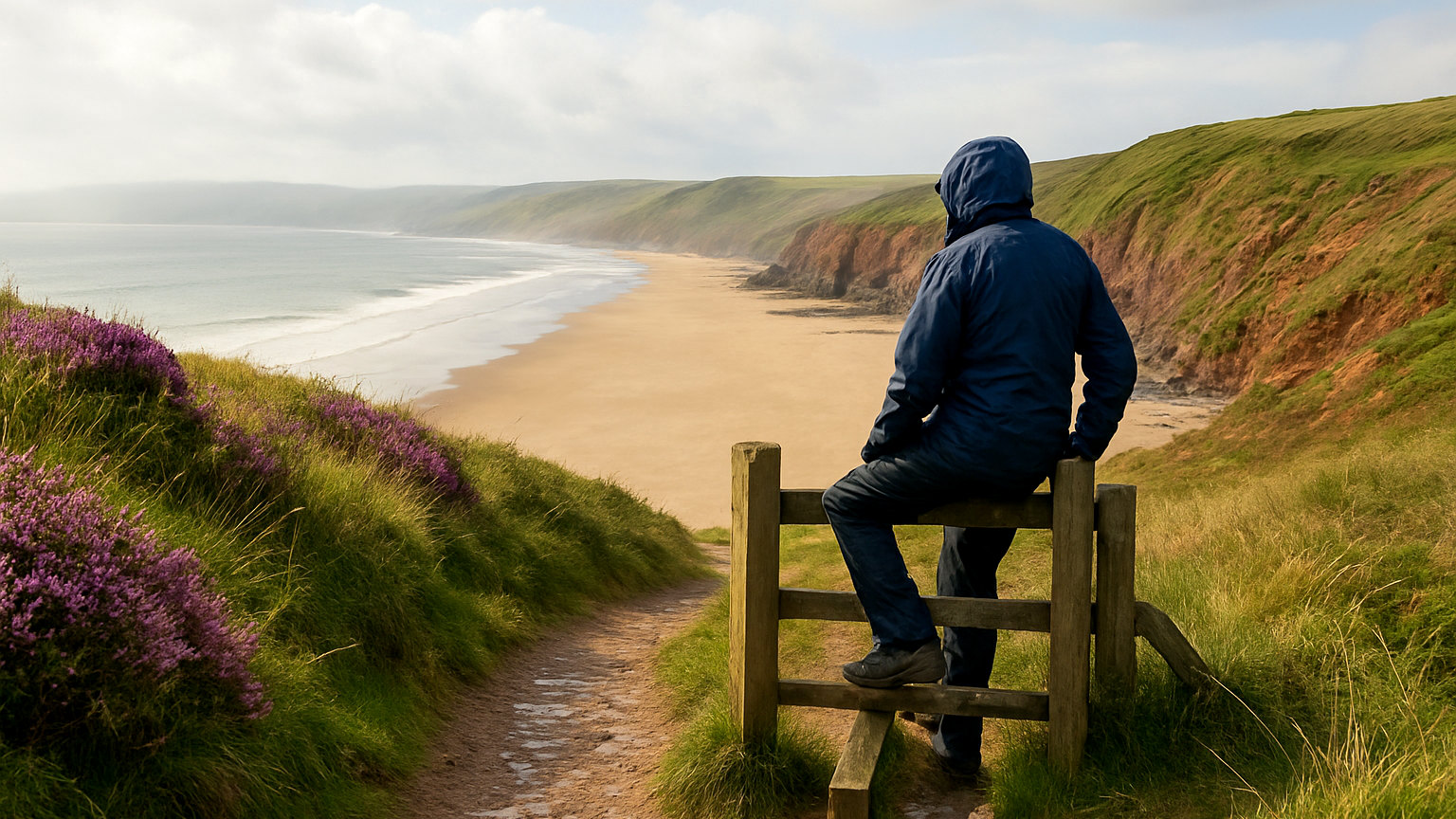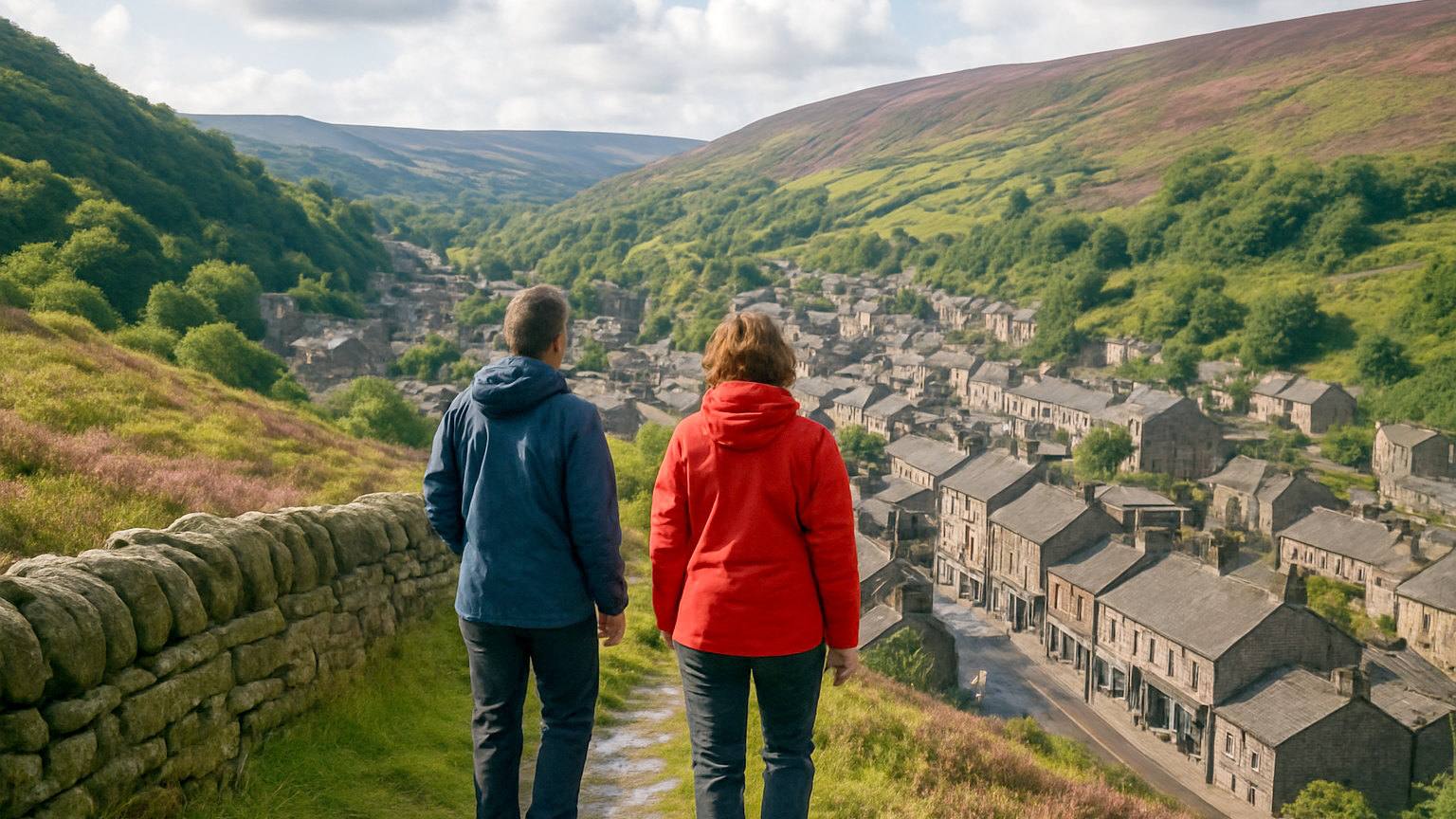
A valley concentrates a landscape: river, woodland, farmland, crags and settlement arranged along a single line that can be walked or driven end to end. Britain has a great many, and the well known ones absorb visitors while equally fine neighbours stay empty.
Which English dales are overlooked?
Swaledale in the north of the Yorkshire Dales, narrower and quieter than Wensleydale, with stone field barns scattered across the hay meadows in a pattern found almost nowhere else.
Teesdale, with the largest waterfall in England by volume at High Force and rare arctic alpine plants surviving on the sugar limestone at Widdybank.
What about the Lake District?
The western valleys, which are reached only by long drives or high passes and consequently receive a fraction of the visitors of the central lakes.
Eskdale, Wasdale, Ennerdale and the Duddon valley are all substantially quieter than Windermere or Ambleside, and Wasdale holds the deepest lake and highest mountain in England.
Which Scottish glens are worth finding?
Glen Lyon in Perthshire, the longest enclosed glen in Scotland, narrow, wooded and almost entirely free of visitors despite being reachable in a day from Edinburgh or Glasgow.
Glen Affric for Caledonian pinewood, Glen Etive off Glencoe, and the Angus glens on the southern edge of the Cairngorms.
What about Wales?
The Elan Valley in Powys, a chain of Victorian reservoirs and dams in empty hill country, with a dark sky park and superb cycling on the traffic free tracks.
The Vale of Ewyas, running up to the ruins of Llanthony Priory in the Black Mountains. The Gwaun Valley in Pembrokeshire, deeply wooded and known for keeping the old calendar new year.
Which valleys have industrial interest?
Weardale and the upper Tees for lead mining. The Nantlle and Ogwen valleys in Wales for slate. The Derwent Valley in Derbyshire, a World Heritage Site for the birth of the factory system.
These combine landscape with substantial remains and are among the least visited historic areas in the country.
What makes a valley good for walking?
A river path along the bottom for easy days, ridges or fells on either side for harder ones, and a village with a pub somewhere near the middle.
Valleys with all three, such as Swaledale, Teesdale and Eskdale, support a week's walking from a single base without repetition.
Why are some valleys so much quieter?
Road access, mostly. A valley with a through road carries traffic; a dead end valley with a single track road at the end of it does not, and the difference in visitor numbers is enormous.
Dead end valleys are consequently the ones to look for on a map.
When are they best?
Late spring for hay meadows and flowers, particularly in the northern dales where traditional meadows survive and are at their peak in June before cutting.
Autumn for colour in the wooded valleys, and winter for waterfalls, which are at their most impressive after rain and largely ignored then.
What should you check?
Whether accommodation exists, since quiet valleys frequently have one pub and two cottages, and whether it is open out of season.
Also road conditions in winter, since several of the high passes between valleys close in snow and add substantial detours.
Which should you choose?
Swaledale or Teesdale for northern England, Glen Lyon for Scotland, the Elan Valley for Wales, and any Lake District valley beginning with a long drive.
All of them offer what the famous valleys offer, with a fraction of the cars and considerably cheaper accommodation.
How do you find them on a map?
Look for valleys with a road that stops rather than continuing over a pass, and for river names running through contour lines with no settlement of any size. Dead ends stay quiet. Then check whether a footpath runs the length of the valley floor and whether anything marked as an inn sits somewhere near the middle, which between them determine whether a week there would work.