Lincolnshire is the second largest county in England and among the least visited. It has no motorway to speak of, sits at the end of routes rather than on them, and is dismissed by people who have only seen the flat fields from a train.
What is actually there?
A chalk upland, a long empty coast, one of the finest seal colonies in Britain, an enormous fen landscape and a set of market towns that have barely changed in decades.
Also Lincoln itself, with a cathedral that was the tallest building in the world for over two centuries.
What are the Wolds?
A range of chalk hills running north to south through the eastern half of the county, designated for their landscape quality and almost entirely unvisited.
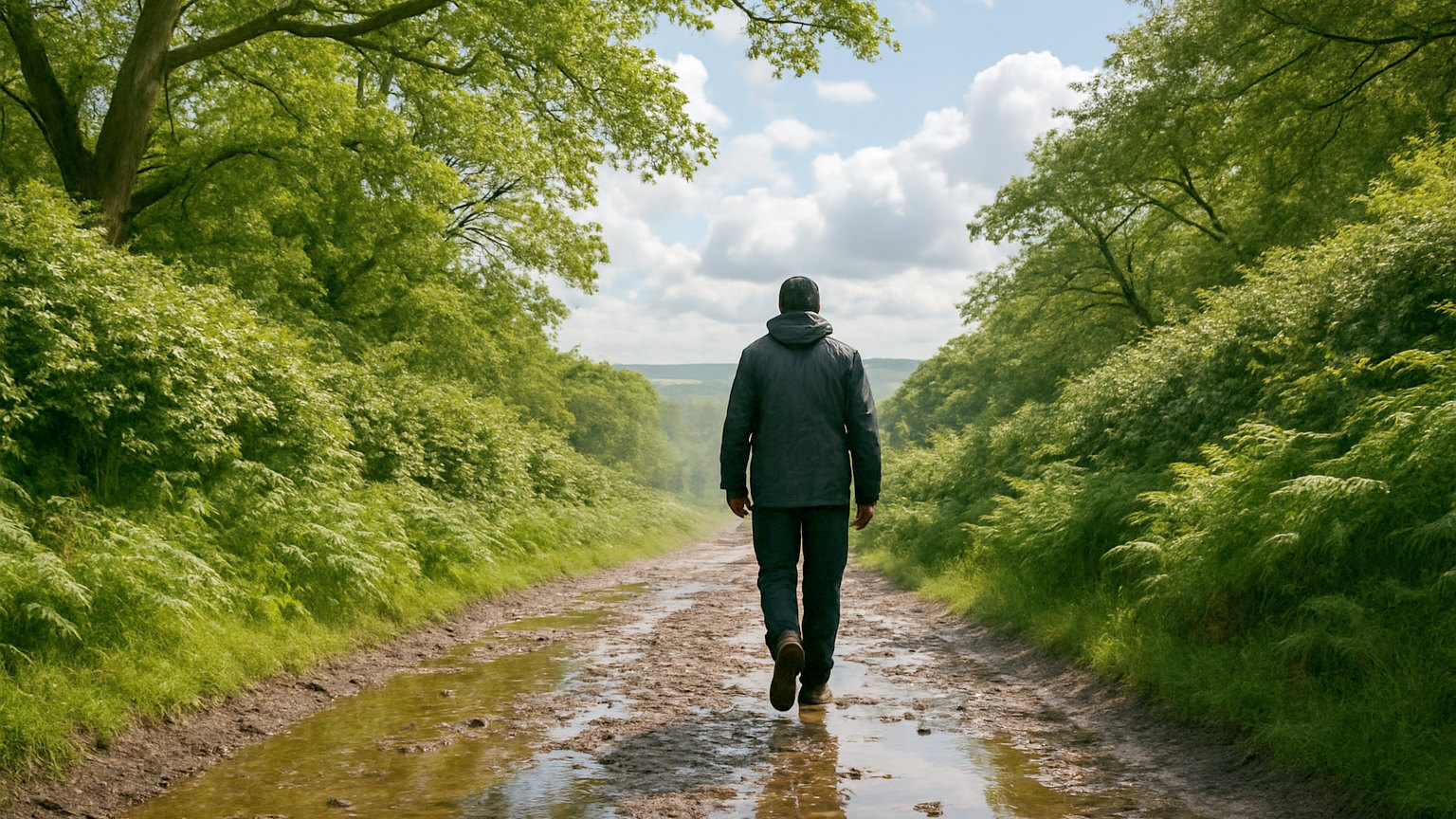
They are gentle rather than dramatic, with dry valleys, beech woods and villages in the folds, and the walking is excellent and empty.
What happens at Donna Nook?
Grey seals come ashore on the coast in November and December to give birth, in numbers running to a couple of thousand animals, with white coated pups on open sand.
Viewing is from behind a fence a few metres away, which makes it among the most accessible wildlife spectacles in Britain. Go on a weekday, since weekends are extremely busy.
What is Boston Stump?
The tower of St Botolph's church in Boston, over eighty metres high and visible for enormous distances across the flat land, which can be climbed.
The town gave its name to Boston in Massachusetts, and several of those who sailed for America came from this area.
What are the fens?
Drained wetland in the south of the county, some of the most productive farmland in Britain, lying at or below sea level and kept dry by pumping.
They are flat, enormous and strange, with skies that dominate everything and a light quality that painters have chased for two centuries.
What is the coast like?
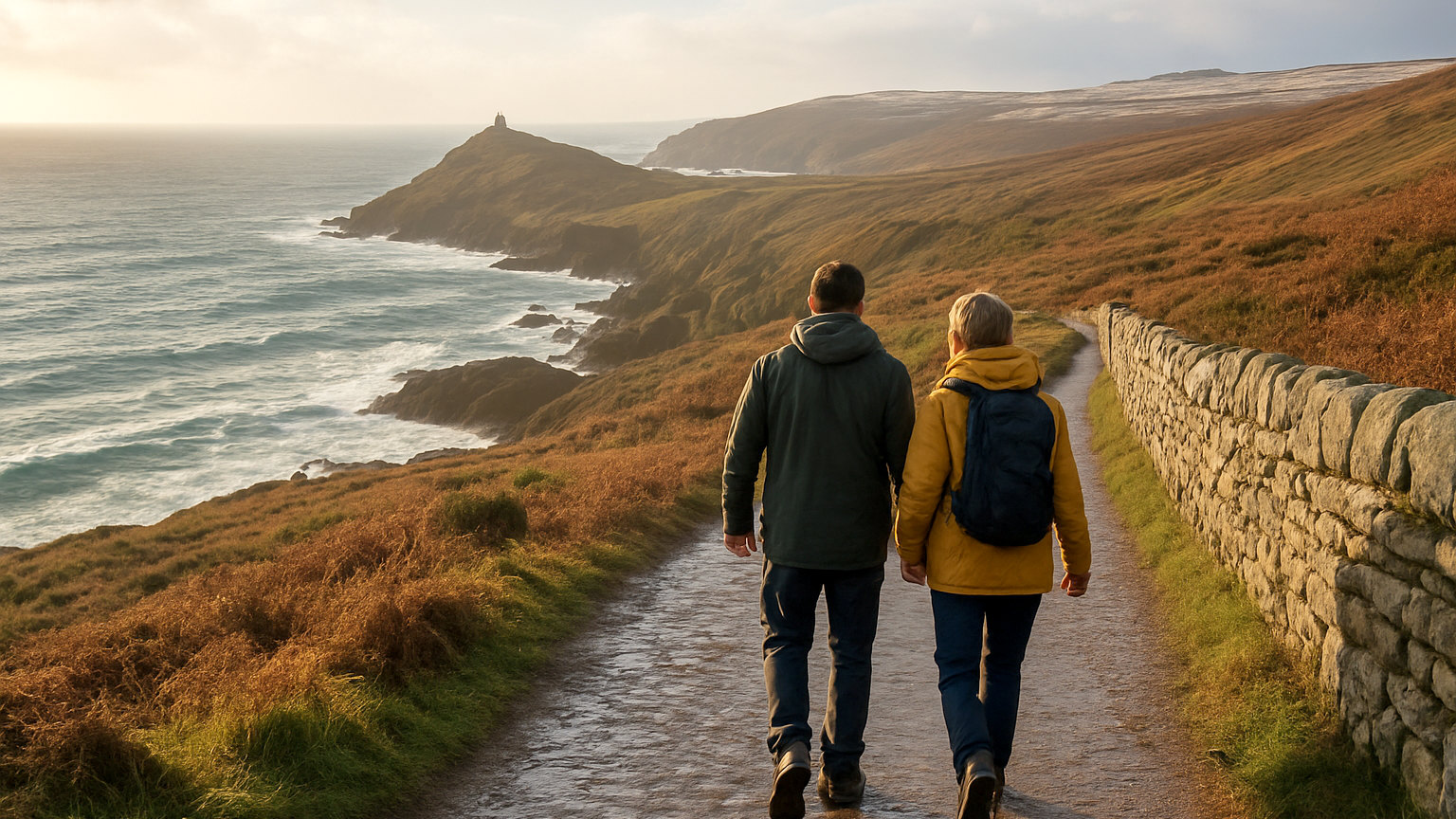
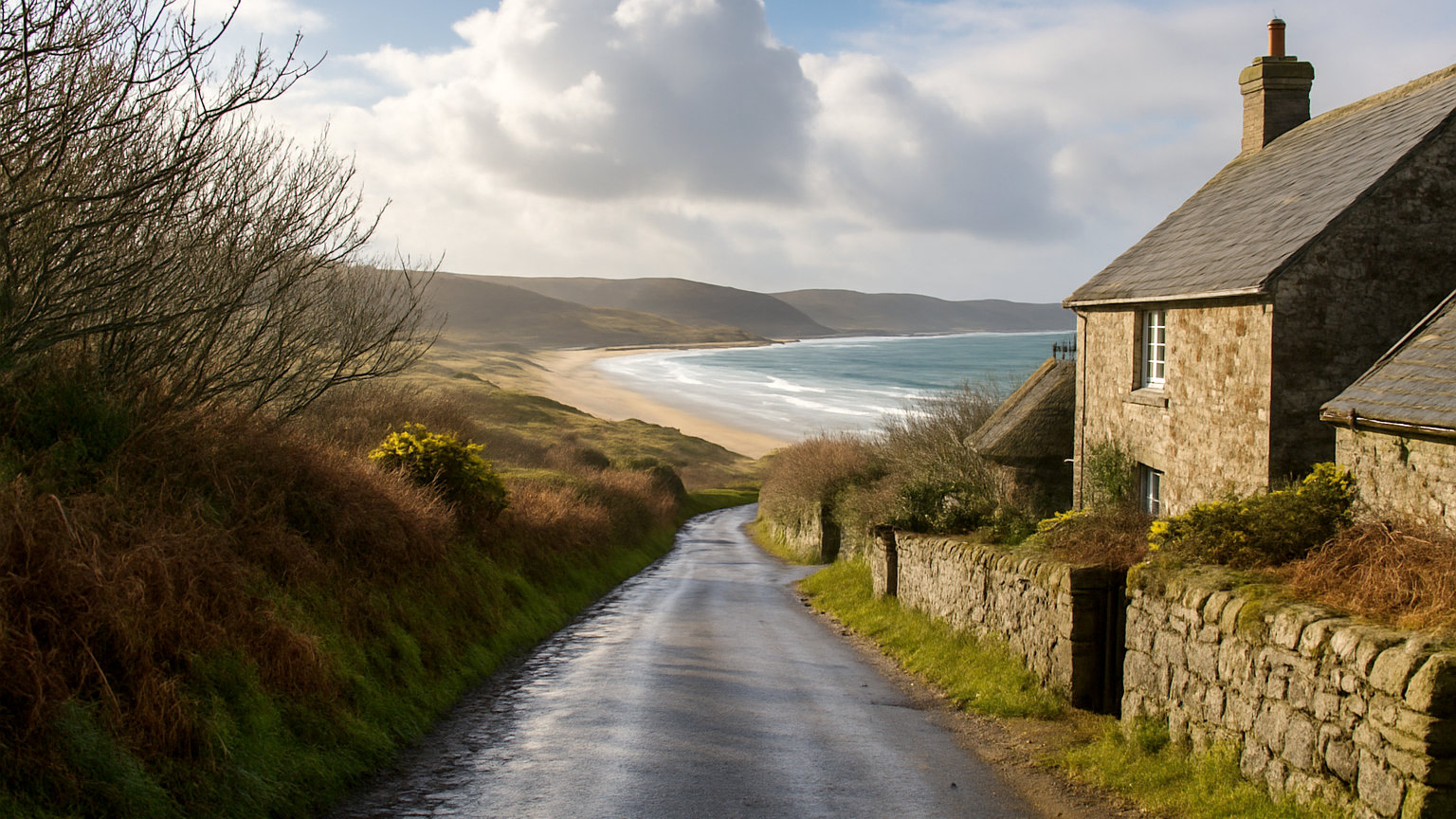
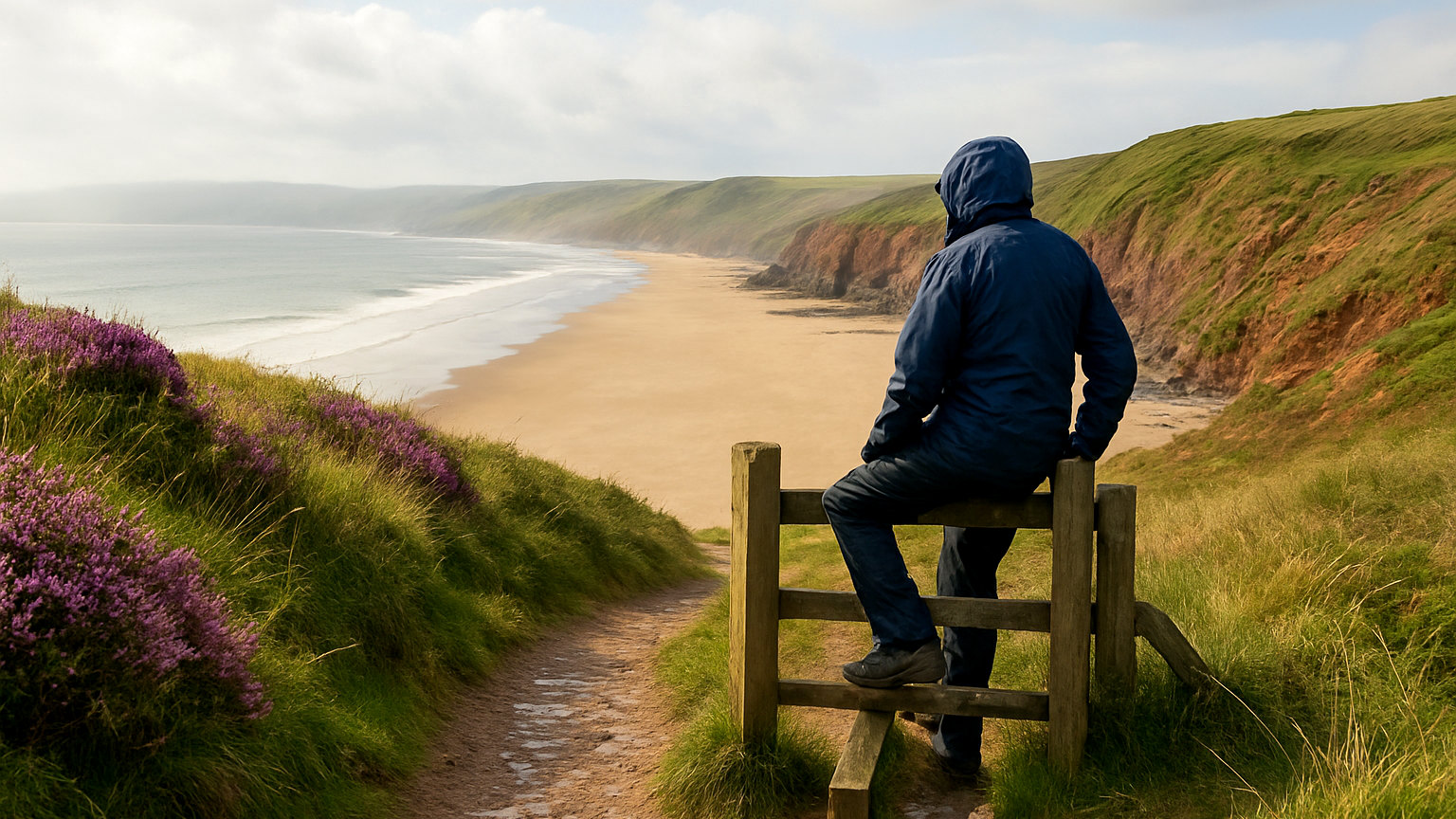
Long, wide and sandy, running for miles with dunes behind, and almost entirely empty away from the resorts at Skegness and Mablethorpe.
Gibraltar Point at the southern end is a national nature reserve with saltmarsh and enormous numbers of migrating birds.
Why is it called bomber county?
Because the flat land made it ideal for airfields, and Lincolnshire held a very large number of bomber stations during the Second World War.
Several museums cover it, along with a memorial with a visitor centre that names the crews lost, which handles the subject seriously rather than sentimentally.
Which towns are worth visiting?
Louth, a Georgian market town beneath the Wolds with the tallest parish church spire in England. Stamford in the south, a stone built Georgian town.
Horncastle for antiques, Spalding for the flower growing industry, and Grantham, near which Isaac Newton was born.
What is at Woolsthorpe?
The farmhouse where Newton was born and where he returned during the plague years, doing the work on light and gravity that changed physics.
An apple tree in the orchard is a descendant of the one associated with the story, and the house is open to visitors.
What houses can you see?
Burghley near Stamford, an Elizabethan house of enormous scale in a park by Capability Brown. Belton, Doddington and Grimsthorpe.
Tattershall Castle, a fifteenth century brick tower rising out of flat country, is among the earliest large brick buildings in England.
How do you get there?
By train to Lincoln, Grantham and Stamford, with branch lines to the coast. By road it is slow, since the county has few fast routes.
A car is necessary for the Wolds, the coast and the fens, all of which are thinly served by buses.
What is the food like?
Better than the county's profile suggests. Lincolnshire sausages carry a strong local identity, the plum bread is a genuine speciality, and the county grows a very large share of Britain's vegetables. Farm shops are numerous, and the coast lands shellfish and shrimps. Louth and Stamford both have good independent food shops.